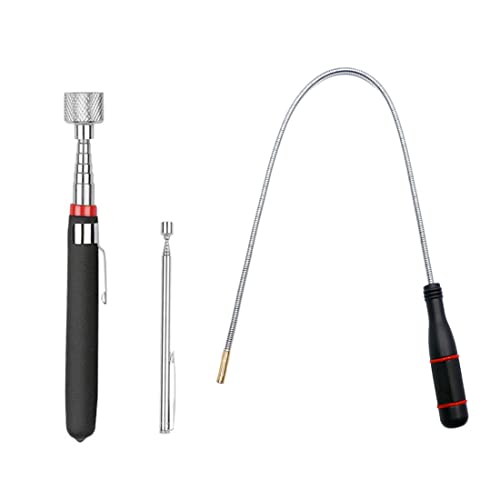
When you're getting ready for a flight, packing can feel like a puzzle, especially when it comes to items like hand tools. You might be wondering if you can pack your trusty wrench or screwdriver in your carry-on or if they'll be better off in your checked luggage.
This question isn't just about convenience; it's about ensuring your travel experience is smooth and stress-free. Imagine arriving at security only to be told you can't bring your tools on board. Frustrating, right? We'll unravel the mystery surrounding packing hand tools for air travel.
By the end, you'll know exactly what you can and can't bring, saving you time and hassle at the airport. Stay with us to make your next trip as efficient and worry-free as possible.
Air Travel Regulations
Traveling with hand tools on a plane requires understanding air travel regulations. Safety and security are top priorities for all airlines. Knowing what you can and cannot bring is essential. Familiarize yourself with rules before packing your tools.
Security Protocols
Airlines enforce strict security protocols for carry-on items. Tools that can be used as weapons may face restrictions. Items like screwdrivers and wrenches must meet size limits. Blades or sharp tools are not allowed in carry-on luggage. Always check the airline's security guidelines.
Tsa Guidelines
The Transportation Security Administration (TSA) provides specific guidelines for hand tools. Tools under seven inches long can be carried in hand luggage. Larger tools should be packed in checked baggage. Sharp tools like knives are prohibited in carry-on bags. Review the TSA website for detailed information.
Allowed Hand Tools
Traveling with hand tools might seem daunting, but understanding what's allowed can make your journey smoother. Have you ever found yourself at the airport, wondering if you can carry your trusty screwdriver or wrench? Knowing which tools you can pack will help prevent any last-minute surprises at security checkpoints. Let's break down the essentials to ensure a hassle-free experience.
Size And Weight Limits
Size and weight are crucial when packing hand tools for a flight. Generally, tools must not exceed seven inches in length when carried in your hand luggage. This guideline ensures safety and complies with airline regulations.
Check the specific airline's policies as they may vary. The weight of your tools, combined with other carry-on items, must not exceed the airline's carry-on weight limit. It's always a good idea to weigh your bag before heading to the airport.
Tool Types Permitted
Not all tools are treated equally when it comes to air travel. Common tools like screwdrivers, pliers, and wrenches under seven inches are usually permitted in your carry-on. However, tools with blades or sharp edges, like saws, are typically prohibited.
Before you pack, consider the purpose of your trip and the tools you'll truly need. Can you manage without that specific tool, or will it be essential during your travels? If you’re unsure about a particular tool, it might be safer to pack it in your checked luggage.
Have you ever had a tool confiscated at security? Learning from these experiences can help others avoid similar situations. Sharing these insights can be invaluable to fellow travelers who might be in the same boat.
By understanding the rules, you can ensure your tools make it through security without a hitch. Happy travels and may your tools always find their way safely to your destination!
Prohibited Tools
Traveling with hand tools can be tricky. Some tools are not allowed on planes. This is due to safety rules. Knowing what tools are prohibited helps avoid trouble at the airport. Understanding these rules ensures a smooth journey.
Tools To Avoid
Certain tools cannot be carried in your carry-on. Sharp tools are not allowed. Items like saws and drills should stay home. Large tools can pose a threat. Even small ones might be dangerous.
Power tools are banned. They can cause harm or disruptions. Heavy tools are not suitable for carry-on bags. Always check the airline's list of prohibited items.
Security Concerns
Security is a top priority at airports. Prohibited tools can cause alarm. They may look threatening to security staff. Tools can be used as weapons if misused. Airport staff are trained to spot suspicious items.
Carrying prohibited items can lead to delays. It might also result in fines. Security checks are thorough. Tools that seem harmless can raise red flags.
Always pack wisely. Keep your travel experience hassle-free. Follow the guidelines for a stress-free flight.
Packing Tips
Traveling with hand tools on a plane can be tricky. Proper packing ensures safety and compliance with airline rules. Securely pack your tools to prevent damage and injuries. Consider these packing tips for a smoother journey.
Safe Packaging Techniques
Use a sturdy toolbox or case for your hand tools. Wrap each tool in bubble wrap or cloth. This prevents damage during transit. Ensure sharp tools have protective covers. This avoids accidents while handling luggage.
Label your toolbox with your contact information. Lost luggage is easier to return this way. Opt for a lockable toolbox for extra security. TSA-approved locks are best for air travel. They allow security checks without breaking your lock.
Organizing Your Toolbox
Sort tools by size and type. This keeps your toolbox organized. Use small compartments or bags for smaller items. Group similar tools together for easy access. This saves time during security checks.
Remove unnecessary tools to reduce weight. A lighter toolbox is easier to carry. Make a list of essential tools before packing. This ensures you bring only what you need. A well-organized toolbox makes travel stress-free.
Alternatives To Carrying Tools
Traveling with hand tools can be a hassle. Security checks and size restrictions make it difficult. Sometimes, it's better to explore alternatives. Renting tools or shipping them ahead might be smarter. These options can save time and stress. Let's dive into these practical solutions.
Tool Rental Options
Tool rental services are widely available. They offer flexibility and convenience. Many cities have rental shops with various tools. You can find drills, hammers, and more. Renting tools is often affordable. It eliminates the need for carrying heavy equipment. Plus, renting lets you access the latest models. Some rental companies provide online booking. This makes it easier to plan ahead. Always check rental terms and conditions. This ensures you get the right deal.
Shipping Tools Ahead
Shipping tools is another effective choice. It ensures your tools are ready upon arrival. Many courier services handle tool shipments. You can pack your tools securely. Then, send them to your destination. This saves you from airport hassles. Shipping costs vary, so compare prices. Always use sturdy boxes for packing. Label them clearly for easy identification. Tracking options keep you informed about delivery status. Shipping ahead guarantees peace of mind.
Frequently Asked Questions
Can I Carry Hand Tools In My Carry-on?
Yes, you can carry some hand tools in your carry-on. However, they must be under 7 inches long. Always check the airline's specific policies, as rules can vary. Ensure tools are securely packed to avoid injury or damage during transit.
Are There Restrictions On Packing Hand Tools?
Yes, there are restrictions on packing hand tools. Tools over 7 inches must go in checked luggage. Certain items, like saws and drills, may be prohibited entirely. Always verify with the Transportation Security Administration (TSA) for the most current regulations.
How Should I Pack Hand Tools For A Flight?
Pack hand tools securely in a tool roll or pouch. Use bubble wrap or a cloth to cushion delicate items. Place smaller tools in a clear, resealable bag for easy inspection. Ensure any sharp edges are covered to prevent injury during handling.
Can I Bring Power Tools On A Plane?
Power tools are generally not allowed in carry-on luggage. You must pack them in checked luggage. Ensure batteries are disconnected and stored separately. Always check airline and TSA guidelines for specific power tool restrictions and ensure compliance.
Conclusion
Traveling with hand tools can be straightforward. Know the airline rules. Always check TSA guidelines before packing. Some tools are allowed in carry-on. Others need to go in checked luggage. Small tools like screwdrivers might be okay. Sharp or large tools usually aren't.
Pack them safely to avoid damage. Protect your belongings and others' safety. Being prepared can save time and hassle. Safe travels with your tools!