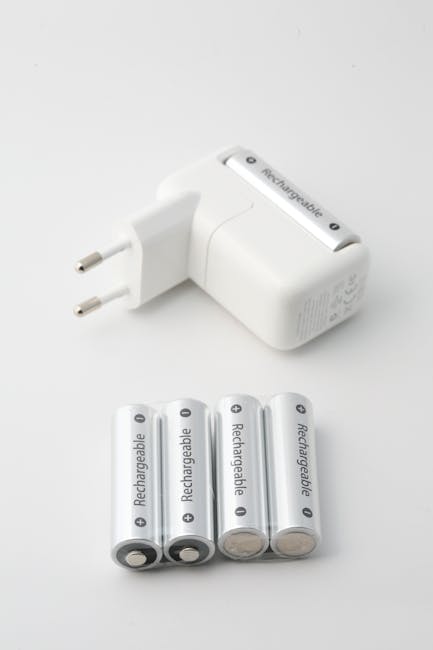
Are you wondering whether you can store your lithium power tool batteries outside? It's a common question that many DIY enthusiasts and professional tradespeople like you face.
You rely on your power tools for efficiency and precision, but knowing how to properly store their batteries is crucial for maintaining their longevity and performance. We’ll dive into the dos and don'ts of storing lithium batteries outdoors, helping you make informed decisions that protect your investment and keep your tools ready for action whenever you need them.
Stick around to discover how proper storage can enhance your battery life and ensure your tools are always at peak performance.
Storage Basics For Lithium Batteries
Lithium batteries are popular in power tools. They offer excellent energy density. Proper storage is crucial for maintaining their performance. Understanding the basics can prolong battery life.
Temperature Control
Keep lithium batteries away from extreme temperatures. Cold can reduce their charge capacity. Heat can cause damage and shorten lifespan. Store in a cool, dry place for best results.
Humidity Concerns
Moisture affects battery health. High humidity can lead to corrosion. It can also cause internal damage. Use a sealed container in humid environments. Ensure it is airtight.
Charge Level Maintenance
Store batteries with a partial charge. Aim for 40% to 60% charge level. Full charge or complete discharge is harmful. Check the charge regularly. Recharge if necessary.
Keep batteries away from metal objects. Avoid short circuits. Store separately in a non-metallic container. Prevent accidental connections. This reduces risks and enhances safety.
Organized Storage
Use labeled boxes for battery storage. Arrange by size or type. This makes access easier. It also prevents confusion. Organized storage helps in maintaining order.
Temperature Effects On Battery Life
Understanding how temperature affects lithium power tool batteries is crucial for maintaining their longevity and performance. These batteries are sensitive to extreme temperatures, which can significantly impact their ability to hold a charge and function effectively. Let's delve into how both cold and hot weather can affect your batteries.
Cold Weather Considerations
Cold temperatures can cause lithium batteries to lose their efficiency. If you've ever tried to use your power tools in freezing weather, you might have noticed a decrease in performance. This happens because the chemical reactions inside the battery slow down, resulting in reduced power output.
Storing your batteries outside in the cold can lead to permanent capacity loss. You might think your garage is a safe spot, but if it's not insulated, your batteries could suffer. Consider storing them in a warmer indoor space during winter months.
Have you ever left your phone in the cold and watched the battery drain rapidly? The same principle applies here. It's always better to keep your batteries at room temperature when not in use.
Heat Impact On Performance
Excessive heat is equally damaging to lithium batteries. High temperatures can increase the risk of overheating, potentially leading to battery failure or even safety hazards. This is why it's not recommended to leave your batteries in direct sunlight or hot cars.
Did you know that hot conditions can permanently reduce a battery’s lifespan? When stored in a hot environment, the battery's internal components can degrade faster. It's wise to store them in a cool, dry place to preserve their longevity.
Would you risk frying your batteries by storing them outside during a heatwave? Protect them by finding a shaded, cooler spot or better yet, indoors. Remember, maintaining an optimal temperature is key to keeping your batteries in top shape.
So, where do you store your lithium power tool batteries? Consider these temperature effects to ensure they last as long as possible. Your tools—and your wallet—will thank you!
Humidity And Environmental Factors
Storing lithium power tool batteries outside can be risky due to humidity and environmental factors. Cold weather can reduce battery efficiency, while moisture can cause damage. Consider a dry, temperature-controlled space to extend battery life.
Storing lithium power tool batteries outside might seem convenient, especially if you're trying to keep your garage or workspace clutter-free. However, humidity and environmental factors can significantly affect the performance and lifespan of these batteries. It's essential to understand how different conditions can impact your tools and how you can protect them effectively.
Moisture Risks
Humidity is a silent threat to lithium batteries. High moisture levels can seep into the battery casing, causing corrosion and reducing efficiency. This not only shortens the battery life but also poses safety risks. Consider a damp shed where tools are stored. Over time, condensation can build up, leading to potential electrical shorts. Have you ever noticed rust on your tools after a rainy season? The same principle applies here.
Protection Against Elements
Shielding your batteries from environmental factors is crucial. A simple weatherproof storage box can do wonders in protecting against rain and humidity. Ensure the box is well-sealed and insulated to maintain a stable temperature. Think about using silica gel packs, often found in shoe boxes, to absorb excess moisture in your storage space. This small step can add extra protection to your batteries. And remember, storing batteries at a stable, moderate temperature is key. Extreme cold or heat can degrade the battery's performance. If you wouldn’t leave your phone out in the rain, why risk your power tools? Keep them safe and they'll serve you better, longer.
Best Practices For Outdoor Storage
Storing lithium power tool batteries outside requires caution to prevent damage. Protect them from extreme temperatures and moisture. Use a dry, shaded area to keep them safe and extend their lifespan.
Storing lithium power tool batteries outside requires careful thought. Proper storage extends battery life and maintains efficiency. Follow best practices to protect your batteries from environmental damage.
Choosing The Right Location
Pick a spot away from direct sunlight. Sunlight heats batteries, reducing their lifespan. Avoid damp areas that promote rust and corrosion. Elevate the batteries to prevent ground moisture exposure. Consider places with stable temperatures. Extreme heat or cold affects battery performance.
Using Protective Enclosures
Use weatherproof boxes to shield batteries from rain and snow. Ensure enclosures have ventilation. This prevents overheating by allowing airflow. Choose materials that insulate against temperature changes. Plastic and wood are good options. Secure the enclosure to prevent wind damage. Lockable lids add extra security against theft.
Safety Precautions
Storing lithium power tool batteries outside requires understanding safety precautions. These batteries are sensitive to environmental changes. Extreme conditions can affect their performance and lifespan. Proper care ensures safety and longevity. This section covers essential safety measures for storing batteries outdoors.
Avoiding Short Circuits
Short circuits can lead to dangerous situations. Always keep battery terminals covered. Use electrical tape or battery terminal covers. This prevents accidental contact with metal objects. Store batteries in a dry, insulated container. Moisture increases the risk of short circuits. Ensure the storage area is clean and free of debris.
Safe Handling Procedures
Handling lithium batteries with care is crucial. Avoid dropping or puncturing the batteries. Physical damage can cause leaks or fires. When transporting, use a case with individual compartments. This minimizes movement and protects against damage. Always check for signs of wear or damage before storage. Damaged batteries should be disposed of safely.
Maintenance Tips For Longevity
Storing lithium power tool batteries outside can shorten their lifespan. Cold or hot temperatures damage battery cells. Keep them in a dry, room-temperature space for longevity.
Maintaining your lithium power tool batteries properly is crucial to ensuring their longevity, especially if you're considering storing them outside. Proper care not only extends the life of your batteries but also ensures they perform optimally whenever you need them. Let’s dive into some actionable tips to keep your batteries in top shape.
Regular Charging Practices
Keeping your lithium power tool batteries charged correctly can significantly impact their lifespan. Avoid letting the battery completely drain before recharging it. Instead, aim to recharge when it dips to around 20-30%. It's tempting to leave batteries on the charger, but doing so can overheat them. Once fully charged, remove them from the charger to prevent unnecessary stress. This simple practice can extend your battery’s life. Consider investing in a smart charger. These chargers prevent overcharging by automatically stopping the current once the battery reaches full capacity. It’s a small investment for peace of mind and battery longevity.
Monitoring For Damage
Regularly inspect your batteries for any signs of damage. Look out for swelling, corrosion, or leaks. These could indicate potential problems that might worsen if ignored. If you notice any damage, it's best to stop using the battery immediately. Continuing to use a damaged battery can be dangerous and may further shorten its lifespan. Replace it promptly to maintain the safety and efficiency of your tools. It's also wise to periodically check the battery terminals for dirt or debris. Keeping them clean ensures a good connection and helps your tools run smoothly. A simple wipe with a dry cloth can do wonders. Do you have any other tips that have worked for you in maintaining your lithium batteries? Sharing experiences can help others avoid common pitfalls and maximize their battery performance.
Alternatives To Outdoor Storage
Storing lithium power tool batteries outside can be risky due to temperature fluctuations. Batteries might lose efficiency or get damaged. Consider indoor storage options for better protection.
Storing lithium power tool batteries outside might seem convenient, but it can lead to decreased performance and lifespan due to fluctuating temperatures and humidity. Instead, consider other storage options that protect your investment and ensure your tools are ready for action. Let's explore some practical alternatives to outdoor storage that can make a big difference in maintaining the health of your batteries.
Indoor Storage Solutions
Indoor storage is a safe bet for extending the life of your lithium batteries. Keep them in a dry, cool place, away from direct sunlight or heat sources. A climate-controlled garage or basement is ideal. You might even consider a dedicated shelf or cabinet to keep batteries organized and easily accessible. If your space is limited, try using a small storage bin that can fit neatly under a workbench or on a closet shelf. This keeps your batteries safe from accidental damage or curious kids.
Portable Storage Options
If you need flexibility, portable storage solutions can be a game-changer. Consider using a battery storage case or toolbox designed specifically for power tool batteries. These cases often have compartments to prevent batteries from touching each other, reducing the risk of short circuits. A friend once shared how they used a simple lunch cooler to store batteries while on the go. The insulation provided a buffer against temperature changes, and the compact size made it easy to carry to job sites. This creative approach highlights that you don't need to invest heavily to keep your batteries safe and sound. Think about your unique situation. Are there other creative solutions you can come up with to ensure your batteries are stored safely and efficiently? The key is to find a method that fits your needs and protects your investment.
Frequently Asked Questions
Can Lithium Batteries Be Stored Outside Safely?
Storing lithium batteries outside can be risky due to temperature fluctuations. Extreme cold or heat may damage battery performance and lifespan. Always store them in a cool, dry place indoors to ensure longevity and optimal performance.
How Does Weather Affect Lithium Batteries?
Weather impacts lithium batteries significantly. Cold temperatures can reduce their efficiency, while extreme heat can damage them. Maintaining moderate conditions is crucial for preserving their performance and extending their lifespan.
What's The Best Way To Store Lithium Batteries?
Store lithium batteries in a stable environment. Choose a cool, dry, indoor location away from direct sunlight. Avoid areas with high humidity or extreme temperatures to maintain their condition and functionality.
Can Lithium Batteries Freeze In Winter?
Yes, lithium batteries can freeze in extremely cold conditions. Freezing temperatures can lead to reduced efficiency and potential damage. It's best to store them indoors during winter to prevent freezing and preserve their performance.
Conclusion
Storing lithium power tool batteries outside needs careful planning. Weather affects battery performance and lifespan. Cold temperatures can reduce efficiency. Extreme heat can cause damage. Store batteries in a dry, cool place. Protect them from rain and sunlight. Consider a storage box for added safety.
Regular checks ensure the best condition. Proper care extends battery life. Invest time in battery maintenance. It pays off with better performance and longer use. Think twice before leaving batteries outside. Safety and efficiency matter. Keep your tools ready for work.
Your tools deserve the best care.