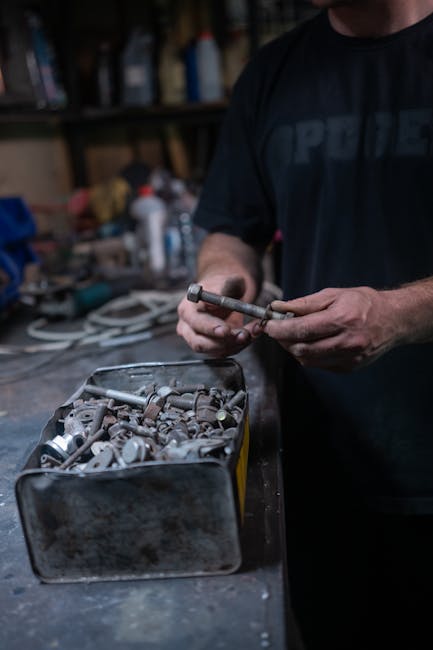
Have you ever looked at your cluttered garage and wondered if your shed could be the perfect home for your power tools? You’re not alone.
Many tool enthusiasts and DIY lovers face this dilemma. Storing power tools in your shed sounds convenient, but is it really a good idea? You might be surprised by the answer. Before you make that decision, there are some crucial factors you need to consider.
This article will guide you through the dos and don'ts of storing your valuable tools in a shed, helping you keep them in top-notch condition and ready for your next project. Curious to find out more? Keep reading, and discover how to make the most of your storage space while protecting your investment.
Benefits Of Storing Power Tools In A Shed
Storing power tools in a shed keeps them safe from weather damage and helps organize your workspace. Proper storage extends tool life by preventing rust and wear. A shed also provides a dedicated area, keeping tools easily accessible and reducing clutter in your home.
Storing power tools in a shed offers several advantages. It helps keep your tools organized and easily accessible. Sheds provide a dedicated space, reducing clutter in your garage or home. Let’s explore the benefits of storing power tools in a shed.
Protection From Weather Elements
Sheds shield tools from rain and snow. This prevents rust and corrosion. Temperature control helps maintain tool condition. Your tools last longer when protected from extreme weather.
Enhanced Safety
A shed keeps tools out of children's reach. Secure storage reduces accident risks. Power tools can be dangerous. Proper storage ensures a safer environment.
Improved Organization
A shed allows for efficient tool arrangement. Shelves and hooks enhance organization. Finding the right tool becomes quick and easy. Organized tools save time on projects.
Extended Tool Life
Proper storage extends the lifespan of tools. Sheds protect tools from dust and debris. Clean tools perform better and last longer. Avoid costly replacements with good storage practices.
Convenient Access
Sheds offer convenient access to tools. You know exactly where your tools are. No more searching through cluttered spaces. Grab what you need, when you need it.
Increased Home Value
A well-maintained shed adds value to your home. It shows organization and care for tools. Buyers appreciate extra storage space. A shed can be a valuable asset. Storing power tools in a shed makes sense. It offers protection, safety, and organization. Your tools will thank you.
Preparing Your Shed For Tool Storage
Storing power tools in your shed offers convenience and protection. Proper preparation ensures your tools remain safe and functional. Organizing your shed optimizes space and preserves tool quality. Follow these steps to prepare your shed for tool storage.
Assessing Space And Layout
Evaluate available space in your shed. Measure dimensions to understand the layout. Identify potential storage areas for different tools. Prioritize locations that offer easy access. Consider installing shelves or pegboards to maximize vertical space. This helps keep tools organized and off the floor.
Ensuring Proper Ventilation
Proper ventilation prevents moisture buildup in your shed. Moisture can cause rust and damage tools. Install vents or fans to maintain airflow. Regularly check for leaks in the roof or walls. Seal any gaps to keep moisture out. Good ventilation extends the life of your tools.
Implementing Security Measures
Security is crucial for tool storage in your shed. Install sturdy locks on doors and windows. Consider adding a security system or cameras. Secure valuable tools in a locked cabinet. Mark tools with identification to deter theft. A secure shed protects your investment in tools.
Optimal Storage Conditions
Storing power tools in a shed requires careful attention to conditions. Ensure the shed is dry and well-ventilated to prevent rust. Tools should be stored off the ground to avoid moisture damage.
Storing your power tools in a shed is a great option if you want to keep them safe and organized. However, to ensure they remain in top condition, it's crucial to store them under optimal conditions. This involves managing factors like temperature, humidity, and exposure to sunlight. Creating the right environment can extend the life of your tools and keep them working efficiently. Let's dive into some practical tips for maintaining the perfect storage environment.
Managing Temperature And Humidity
Temperature and humidity play a significant role in your tool's longevity. Extreme temperatures can cause materials to expand or contract, leading to wear and tear. Humidity is a silent enemy, often leading to rust or mold. Keep your shed well-ventilated and consider using a dehumidifier, especially if you live in a humid area. Have you ever noticed how tools sometimes feel damp or sticky after a rainy season? That's humidity at work. You can place silica gel packs inside your toolboxes to absorb excess moisture. It's an inexpensive trick that makes a big difference.
Preventing Rust And Corrosion
Rust and corrosion are common threats to metal tools. They can ruin the functionality and appearance of your equipment. Regularly apply a thin layer of oil or rust-preventive spray to metal parts. This creates a protective barrier against moisture. Store your tools in airtight containers if possible. This limits exposure to air and moisture, which are the primary causes of rust. Have you ever pulled out a tool only to find it covered in rust? With these steps, you can avoid such unpleasant surprises.
Avoiding Direct Sunlight Exposure
Sunlight can be surprisingly damaging. It can cause plastic parts to become brittle and fade. If your shed has windows, make sure your tools are not directly in the path of sunlight. You might think, "How much harm can a little sunlight do?" More than you might expect. Use curtains or blinds to block out harsh rays. This will help maintain the integrity of your tools and prolong their lifespan. Have you ever left something in the sun only to find it cracked or discolored? That's what you're avoiding here. When you consider these factors, is your shed really the best place for your tools? Take a moment to evaluate your storage conditions. Simple adjustments can keep your tools in excellent shape for years to come.
Organizing Power Tools Efficiently
Storing power tools in a shed is possible with proper organization. Keep tools dry and clean to prevent rust. Use shelves and hooks to maximize space and ensure easy access.
Organizing power tools efficiently in your shed is essential for easy access and safety. A well-organized space reduces the risk of accidents and improves productivity. It also ensures tools are kept in good condition, saving you money on repairs and replacements. Explore practical ways to organize power tools in your shed with these strategies.
Utilizing Shelving And Racks
Shelving and racks provide vertical storage. This saves floor space and keeps tools visible. Install sturdy shelves that can hold heavy power tools. Use racks for hanging items like drills and saws. Arrange tools by size and frequency of use. This makes it easier to find what you need quickly.
Labeling And Categorizing Tools
Labeling each tool prevents confusion. Use clear, bold labels for better visibility. Categorize tools by their function or type. Group similar tools together. This reduces search time and keeps your shed tidy. Consider using color-coded labels for quick identification.
Using Toolboxes And Cabinets
Toolboxes and cabinets offer secure storage options. They protect tools from dust and moisture. Choose cabinets with lockable doors for added security. Organize toolboxes with removable trays and compartments. Store smaller tools in these compartments to prevent clutter. Keep cabinets near your workbench for easy access.
Safety Precautions
Storing power tools in a shed requires careful attention. Ensure tools are dry and protected from moisture. Organize tools safely to prevent accidents and keep them out of reach of children. Regularly check for rust or damage to maintain functionality.
Storing your power tools in a shed can be convenient, but it requires some smart safety precautions. An organized shed means peace of mind and reduces the risk of accidents. How can you ensure that your tools are not just stored, but stored safely? Let's dive into some essential safety measures you can implement.
Securing Sharp And Dangerous Tools
Sharp tools like saws and blades need special attention. Store them in sturdy, closed boxes or cases to prevent accidental cuts or injuries. Wall-mounted racks can keep these tools out of reach and visible, making it easier for you to grab them when needed. Magnetic strips are also a great way to secure metal tools quickly, but ensure they are mounted high enough to be out of children’s reach.
Implementing Child Safety Locks
If your shed is accessible to children, installing child safety locks is crucial. A simple lock on the shed door can prevent curious little hands from getting into dangerous situations. Inside, consider locking cabinets or bins that hold the most dangerous tools. Look for locks that are easy for you to open but challenging for a child. This small step can provide huge peace of mind.
Regular Maintenance Checks
Regular checks on your power tools can prevent accidents and extend their lifespan. Inspect cords for frays, check for rust, and test batteries. Set a routine, perhaps monthly or quarterly, to examine each tool. This habit not only ensures safety but also keeps your tools in optimal working condition. You might find it helpful to keep a checklist in your shed to track maintenance tasks. This way, nothing gets overlooked, and you ensure everything is in top shape. Remember, safety in your shed starts with awareness and action. Are you ready to take the necessary steps to secure your space? By focusing on these precautions, you can create a safer environment for yourself and others who might enter your shed.
Seasonal Considerations
Storing power tools in a shed requires thoughtful planning. Each season brings unique challenges. Proper care ensures your tools last longer and work efficiently. Consider the specific needs of your tools during different seasons. Focus on protecting them from weather-related damage.
Winterizing Your Tools
Winter poses significant risks to power tools. Cold temperatures can affect battery life. Metal parts may contract, causing issues. Clean your tools thoroughly before storage. Remove any dirt or debris. Apply a light coat of oil to metal parts. This prevents rust and corrosion. Store tools in a dry place inside your shed. Use moisture absorbers to keep humidity low.
Handling Seasonal Temperature Changes
Temperature changes can harm your tools. Extreme heat can weaken plastic components. It may also affect electronic parts. During summer, ensure your shed is ventilated. This helps maintain a stable temperature. Use insulation if your shed gets too hot or cold. Place your tools on shelves, not on the floor. This protects them from temperature fluctuations.
Environmental Impact And Sustainability
Storing power tools in a shed helps protect them from harsh weather, extending their lifespan. Proper storage prevents rust and damage, promoting sustainability by reducing waste. A well-organized shed ensures easy access and safety, minimizing the environmental impact of tool replacements.
Storing power tools in your shed can have implications beyond just convenience and space management. It's important to consider the environmental impact and sustainability of your storage choices. Are you using eco-friendly methods? Are you recycling old tools responsibly? Let's explore how your decisions can contribute to a healthier planet.
Eco-friendly Storage Solutions
Embrace eco-friendly storage solutions to minimize your environmental footprint. Opt for storage materials that are made from recycled or sustainable resources. Bamboo shelves or recycled plastic bins are practical options. Organize your tools efficiently to reduce space and avoid unnecessary clutter. This not only helps in maintaining a tidy shed but also prolongs the life of your tools by preventing damage. Consider the location of your shed. An outdoor shed can benefit from solar panels to power any electrical tools or lighting, reducing your energy consumption and carbon footprint.
Recycling And Disposal Of Old Tools
Have you ever thought about what happens to your old tools when they're no longer usable? Simply discarding them contributes to landfill waste. Instead, look for recycling programs that accept power tools. Many manufacturers offer take-back schemes where they recycle parts and dispose of hazardous materials safely. If your tools are still in working condition, consider donating them. Charities and community projects can often make good use of them, extending their life and utility. Ask yourself: how can you make a difference with your discarded tools? Even small actions like recycling batteries or metal parts can have a significant environmental impact.
Frequently Asked Questions
Is It Safe To Store Power Tools In A Shed?
Yes, storing power tools in a shed can be safe. Ensure the shed is dry and weatherproof. Protect tools from moisture to prevent rust. Organize tools on shelves or in toolboxes. This will help maintain their condition and extend their lifespan.
How Do I Protect Power Tools From Moisture?
Use moisture-absorbing products like silica gel packs or dehumidifiers. Store tools in airtight containers or cases. Regularly check and clean the shed for dampness. This will minimize moisture exposure and protect your tools effectively.
What Temperature Is Ideal For Storing Power Tools?
Keep the temperature between 40°F and 85°F. Extreme temperatures can damage tool components. Insulate your shed to maintain a stable environment. This helps in preserving the functionality and longevity of your power tools.
Should Power Tools Be Covered In The Shed?
Yes, cover power tools to shield them from dust and moisture. Use protective cases or dust covers. This prevents debris buildup and potential damage. Regularly inspect and clean covers to ensure optimal protection for your tools.
Conclusion
Storing power tools in your shed is practical and convenient. Consider climate conditions and security to protect them. Moisture and temperature changes can damage tools. Use protective covers and storage solutions. Regular maintenance extends their lifespan. Organize your shed for easy access.
Ensure tools are clean and dry before storage. Proper storage keeps them in good condition. Save time and money by avoiding repairs. A well-organized shed enhances your work efficiency. Your tools will be ready when you need them. Enjoy your projects with peace of mind.
Keep your tools safe and efficient in your shed.