Imagine walking into your basement, ready to tackle a new project, only to find your power tools covered in rust or not working properly. You may wonder, "Can I store power tools in my damp basement?"
This is a question many homeowners like yourself face, and it's crucial to find the right answer to protect your valuable equipment. Your basement might seem like the perfect spot for storage, especially when space is tight elsewhere. But the dampness lurking in the shadows could pose a silent threat to your tools.
You’ll discover practical insights into the effects of moisture on power tools, how it can impact their performance, and learn about simple yet effective strategies to safeguard your tools. Keep reading to ensure your tools are always ready for action, no matter where you store them.
Risks Of Storing Tools In Damp Conditions
Storing power tools in a damp basement can spell trouble. Moisture can damage these valuable investments. The damp environment poses several risks. Understanding these can help preserve your tools' functionality and safety.
Impact On Tool Longevity
Moisture can decrease the lifespan of power tools. Dampness seeps into the tools' components. This can lead to wear and tear. Over time, the tools may stop working efficiently. Regular exposure to damp conditions can shorten their lifespan significantly.
Potential Electrical Hazards
Dampness can create electrical hazards. Wet conditions can cause short circuits. This increases the risk of electric shock. Faulty wiring in a damp tool is a serious risk. Always ensure tools are dry before use. This can prevent accidents and injuries.
Corrosion And Rust Issues
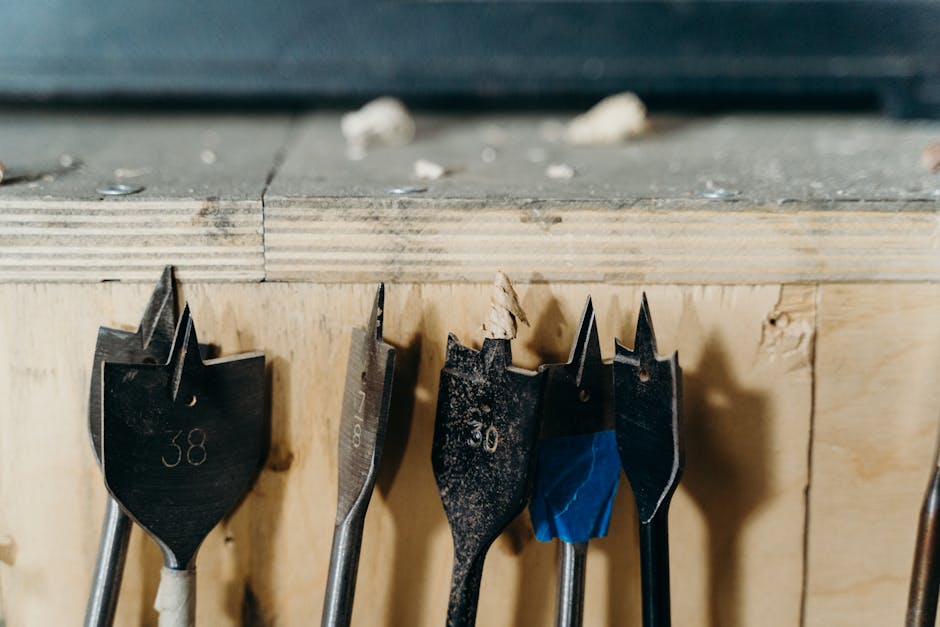
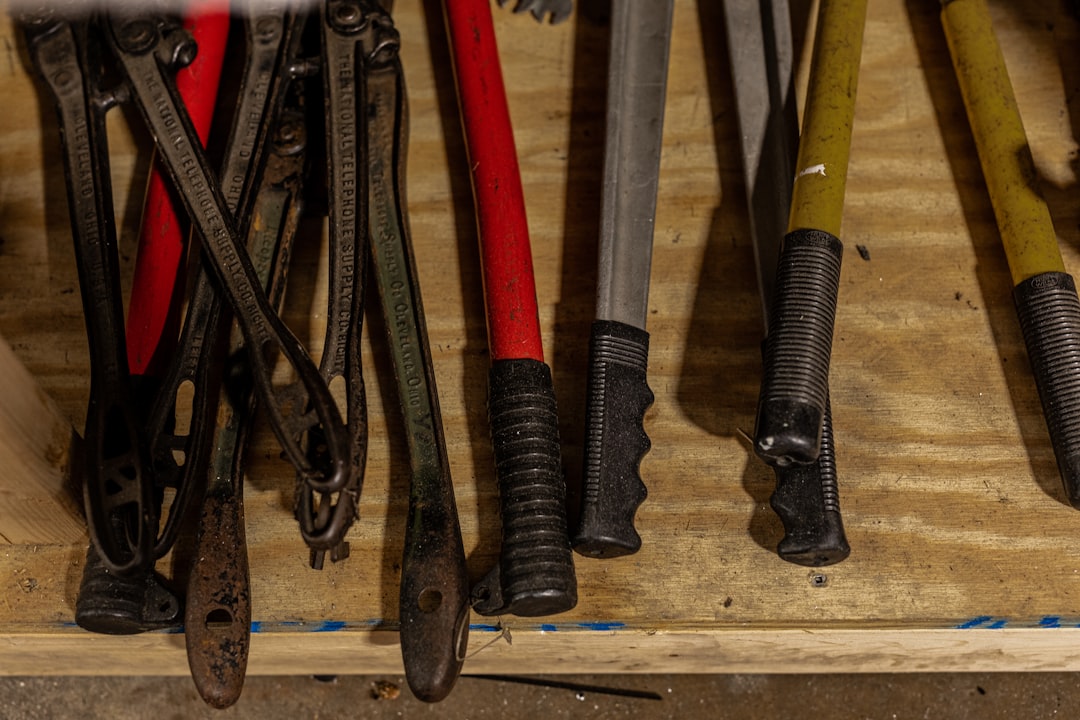
Damp basements encourage rust and corrosion. Metal parts of tools are vulnerable. Rust can damage the tools' performance. Corrosion weakens the structure over time. This makes tools unsafe and unreliable. Prevent rust by storing tools in dry places.
Preparing The Basement For Tool Storage
Storing power tools in a damp basement can lead to rust and damage. Preparing the basement properly can help protect your valuable tools. Simple steps can create a safer storage environment. Focus on improving ventilation and controlling moisture to ensure tools stay in good condition.
Improving Ventilation
Good air circulation prevents dampness and mold. Open windows regularly to let fresh air in. Consider installing a small fan to keep air moving. Proper ventilation reduces humidity and protects tools.
Implementing Moisture Control
Moisture is the main enemy of stored tools. Use moisture-absorbing materials like silica gel. These materials are affordable and easy to find. Place them near your stored tools for best results.
Using Dehumidifiers
Dehumidifiers are effective in reducing basement dampness. Choose a model suitable for your basement size. Run it regularly to maintain a dry environment. A dry basement keeps power tools safe from moisture damage.
Protective Measures For Tools
Storing power tools in a damp basement can be risky. Moisture can damage tools over time. Protective measures can help keep them in good shape. Let's explore some strategies to safeguard your tools from damp conditions.
Waterproof Tool Storage Solutions
Invest in waterproof storage containers. They prevent moisture from reaching your tools. Look for containers with tight seals. These keep tools dry and safe. Shelving units can help as well. Place them off the ground to avoid water damage.
Use desiccants inside storage containers. These absorb moisture effectively. Keep the basement ventilated. Airflow reduces humidity levels. A dehumidifier can be a great addition. It maintains a dry environment.
Regular Maintenance And Checks
Inspect tools regularly for signs of rust or corrosion. Early detection prevents severe damage. Wipe tools with a dry cloth after use. Remove any moisture or debris. Lubricate moving parts frequently. This ensures smooth operation and prevents rust.
Test tools periodically to ensure they function well. Address any issues immediately. Keep a maintenance schedule. It helps track care routines. Regular checks prolong tool life significantly.
Applying Protective Coatings
Protective coatings shield tools from moisture. Use rust-resistant sprays or oils. Apply them evenly on metal surfaces. They form a barrier against dampness. Consider using silicone-based coatings. These offer strong protection against water.
Regularly renew the coatings. This maintains their effectiveness. Coatings are vital for tools stored in damp areas. They provide an extra layer of defense. Proper application ensures long-lasting protection.
Alternative Storage Options
Storing power tools in a damp basement can cause damage. Moisture can lead to rust, reducing tool lifespan. Considering other storage options is wise. Keeping tools safe ensures they work effectively. Explore these alternatives for storing your power tools.
Garage Or Shed Solutions
A garage or shed offers a practical storage solution. These spaces often provide better ventilation. This reduces moisture, safeguarding your tools. Install shelves or hooks to organize them efficiently. A locked cabinet adds extra security. Consider adding insulation if the space is unheated. This helps maintain a stable environment for your tools.
Climate-controlled Storage Units
Climate-controlled storage units protect tools from humidity. These units maintain a consistent temperature. This minimizes the risk of rust and corrosion. Renting a unit can be a cost-effective way to preserve tools. Look for facilities with good security features. Access to your tools is easy and convenient. You can store other items needing protection too.
Tool Rental Services
Tool rental services offer flexibility without storage worries. Rent tools only when you need them. This saves space and maintenance effort. It also ensures you use well-maintained equipment. Tool rental shops often have a wide variety. You can access tools for different projects without owning them. This option is convenient for occasional tool users.
Signs Of Damage To Watch For
Damp basements can harm power tools over time. Rust forms on metal parts, reducing efficiency and lifespan. Electrical components may corrode, leading to safety hazards. Regular checks for moisture damage are crucial to prevent costly repairs.
Storing power tools in a damp basement can lead to several issues that might affect their longevity and functionality. Recognizing the signs of damage early can save you from costly repairs and replacements. If you've noticed anything unusual about your tools, it might be time to inspect them closely. Here are some specific signs of damage you should watch for:
Rust And Corrosion Indicators
Rust is a silent enemy of metal tools. Look for any reddish-brown spots on metal surfaces. These spots are the first sign that rust is forming. Check moving parts, like gears and screws, as these are particularly vulnerable. If you find any rough patches, it's likely corrosion has set in. You should also pay attention to any changes in color or texture on your tools. This could indicate the onset of corrosion, which can weaken the tool over time.
Electrical Malfunction Symptoms
Does your tool spark or make strange noises when you switch it on? This could be a sign of electrical issues. A damp environment can cause wiring to become faulty. If your tool is inconsistent in performance, it might be due to moisture affecting its circuits. Notice if the tool feels warmer than usual during use. This could mean electrical components are overheating, possibly due to moisture damage.
Physical Wear And Tear
Inspect the housing of your power tools for cracks or distortions. These could be signs that moisture has weakened the casing. Handles and grips can become loose or slippery if exposed to damp conditions. This not only affects usability but also safety. Look out for any swelling or warping in wooden or plastic parts. These materials absorb moisture, which can lead to long-term damage. By keeping an eye out for these signs, you can take action before minor issues become major problems. Have you checked your tools lately? A quick inspection might just save you from a future headache.
Safety Tips For Damp Environments
Storing power tools in a damp basement can cause rust and damage. Keep tools dry with airtight containers and dehumidifiers. Regularly check for moisture to ensure safety and longevity.
Storing power tools in a damp basement poses risks. Moisture can damage tools and create safety hazards. Follow safety tips to protect your tools and yourself. Ensure your basement is a safe place for storage.
Handling Electrical Tools Safely
Keep electrical tools dry. Moisture increases the risk of electric shock. Use waterproof covers or containers for storage. Ensure tools are unplugged before covering. Store tools off the ground to avoid direct contact with damp surfaces.
Regular Inspection Protocols
Inspect your tools regularly. Look for signs of rust or damage. Check cords for wear or fraying. Replace damaged parts immediately. Keep a maintenance log to track inspections. Regular checks prevent serious issues.
Emergency Preparedness
Plan for emergencies. Keep a fire extinguisher nearby. Know the location of circuit breakers. Learn how to cut power in case of a fault. Train family members on safety procedures. Quick action can prevent accidents.
Frequently Asked Questions
Is It Safe To Store Tools In A Damp Basement?
Storing power tools in a damp basement is not recommended. Moisture can cause rust and damage electrical components. This can lead to reduced functionality and safety risks. It's best to store tools in a dry, well-ventilated space to extend their lifespan.
How Does Humidity Affect Power Tools?
Humidity can significantly impact power tools by causing rust and corrosion. Electrical components may also suffer from moisture exposure. This can lead to malfunctions or even permanent damage. Keeping tools in a dry environment helps maintain their performance and longevity.
Can Rust Damage Power Tools Over Time?
Yes, rust can severely damage power tools over time. It weakens metal parts, compromising the tool's structure and functionality. Rust also affects moving parts, leading to inefficiency. To prevent rust, store tools in a dry, controlled environment and perform regular maintenance.
What Are Signs Of Moisture Damage In Tools?
Signs of moisture damage in tools include rust, corrosion, and electrical malfunctions. You might notice discolored metal or reduced performance. Tools may also show difficulty in operation. Regular inspection and maintenance can help identify and address these issues early.
Conclusion
Storing power tools in a damp basement isn't ideal. Moisture can cause rust. This affects the tools' performance and lifespan. Consider alternatives for storage. Use moisture barriers or dehumidifiers to reduce dampness. Keep tools elevated from the floor. Regular maintenance also helps.
Check for signs of rust or damage often. Proper storage extends tool life and saves money. Protect your investment wisely.