Living in an apartment can be both convenient and challenging, especially when it comes to tackling DIY projects. You might be wondering, "Can I use power tools in my apartment?"
This is a common question for anyone who enjoys home improvement or needs to fix up their living space. Power tools can make your tasks easier and faster, but they also bring concerns about noise, safety, and even building regulations.
Imagine transforming your space with just a few quick fixes, yet keeping peace with your neighbors and avoiding any trouble with your landlord. We'll explore the do’s and don’ts of using power tools in your apartment. You'll discover practical tips to keep your projects hassle-free while ensuring you remain a good neighbor and a responsible tenant. Ready to dive in? Let’s get started!
Assessing Apartment Regulations
Before you break out your power tools in your apartment, it's crucial to understand the regulations that might affect your ability to use them. From lease agreements to noise restrictions, several factors need your attention to avoid fines or complaints. It's not just about drilling holes; it's about knowing the boundaries that keep you and your neighbors happy.
Understanding Lease Agreements
Your lease agreement is more than a formality; it's a binding document that outlines what you can and cannot do in your apartment. Have you checked it recently for any clauses about power tools? Many leases specify restrictions on modifications that require tools, especially those that might damage walls or floors.
Imagine planning a DIY project only to find a clause that prohibits any permanent changes. It’s crucial to read the fine print. If anything is unclear, consider asking your landlord for clarification. You might find that temporary fixes or reversible changes are allowed.
Noise Restrictions And Quiet Hours
Noise is a common complaint in apartment living. Have you considered how the sound of a drill might echo through thin walls? Many apartment buildings have designated quiet hours, typically late evening to early morning, when noise must be kept to a minimum.
If your project requires extended use of power tools, it's essential to plan around these hours. You wouldn’t want a neighbor knocking on your door at midnight. Think about timing and duration. Could you complete your task in short spurts during the day?
Building Management Policies
Building management often sets additional policies that might not be covered in your lease. Have you checked with them about using power tools? Some buildings may require you to inform management before starting work, especially if it involves loud tools or potential damage.
Consider reaching out to your building manager for guidance. They might offer insights or tips on permissible use or suggest alternative solutions. You could even negotiate specific times when tool usage is less disruptive.
As you weigh these factors, consider the impact on your neighbors and your living environment. Are you prepared to handle complaints or adjust your plans? Understanding these regulations can save you from unnecessary hassle and keep your apartment a peaceful place to live.
Choosing The Right Power Tools
Choosing the right power tools for your apartment can make a world of difference. Space constraints and noise concerns can turn a simple DIY project into a complex challenge. If you're like most people living in apartments, the thrill of transforming your living space with your own hands is irresistible. But how do you manage it without disturbing your neighbors or cluttering your tiny space? The key is to select tools that fit your lifestyle and your apartment's limitations.
Compact And Cordless Options
Compact, cordless tools are a game-changer for apartment dwellers. Their small size is perfect for tight spaces, and the lack of cords means you won't trip over cables in your limited floor space. Have you ever tried drilling a hole only to find your cord doesn't reach? Cordless tools solve that problem. Brands like Bosch and Black & Decker offer powerful, battery-operated drills and screwdrivers that can tackle any home project. Plus, they're easy to store in a closet or under the sink.
Noise-reducing Tools
Noise is a big concern in apartments, especially with thin walls. Thankfully, there are tools designed to minimize noise. For instance, some saws come with quieter motors, reducing the sound that travels through walls. A noise-reducing drill can be your best friend when you're hanging art. It's time to ask yourself if the tool you're choosing respects your neighbors' peace. Investing in quieter tools can keep your projects stress-free and neighbor-friendly.
Multi-functional Tools For Small Spaces
When space is a premium, multi-functional tools are invaluable. Why crowd your apartment with multiple gadgets when one tool can do the job? Consider a multi-tool that includes a drill, saw, and sander all in one. They save space and are incredibly convenient. Have you ever felt overwhelmed by the number of tools you need? A multi-functional tool simplifies your toolkit, making DIY projects less daunting.
Safety Precautions
Using power tools in an apartment requires careful safety measures. Ensure proper ventilation and wear protective gear to reduce risks. Consider the noise level to avoid disturbing neighbors while working on your projects.
When you're thinking about using power tools in your apartment, safety precautions are non-negotiable. Working in close quarters demands extra attention to ensure your safety and the safety of those around you. Whether you're crafting a new bookshelf or fixing up a piece of furniture, understanding and implementing the right safety measures can prevent accidents and help you work efficiently. Have you ever considered the impact of your DIY projects on your apartment's environment and your personal well-being?
Personal Protective Equipment
Wearing personal protective equipment (PPE) isn't just a suggestion; it's essential. Think safety goggles to shield your eyes from flying debris or gloves to protect your hands from sharp tools. Ear protection is crucial when using noisy equipment like drills or saws. These might seem like small steps, but they significantly reduce the risk of injury. Ever had a splinter that could have been avoided with a pair of gloves?
Proper Ventilation And Dust Control
Proper ventilation is key when using power tools indoors. Dust and fumes can quickly build up and affect air quality. Open windows or use fans to circulate air and reduce inhalation risks. Consider using a dust mask to protect your lungs. Are you aware of how quickly dust can accumulate, making clean-up a bigger task than anticipated?
Safe Storage Practices
Safe storage of power tools is often overlooked but essential. Secure tools in a designated space, away from children's reach, to prevent accidents. Use wall mounts or toolboxes to keep them organized and accessible. This not only protects your tools but also keeps your living space tidy. Ever had to search for a misplaced tool in the middle of a project? Secure storage can save you time and hassle. Each of these precautions is practical and easy to implement, ensuring your DIY adventures are as safe as they are satisfying. How do you plan to make your apartment a safer place for your projects?
Minimizing Noise And Disturbance
Using power tools in an apartment can be challenging due to noise concerns. Minimizing noise and disturbance is crucial for maintaining harmony with neighbors. This section covers strategies to keep noise levels low while using power tools. Simple steps can help you enjoy your DIY projects without creating tension.
Soundproofing Techniques
Soundproofing your apartment can significantly reduce tool noise. Start by using thick rugs or carpets to absorb sound. Place them in rooms where you use tools most often. You can also add heavy curtains to windows. They block sound from escaping. Seal gaps around doors with weather strips. These small changes can make a big difference.
Time Management For Tool Usage
Choose the right time for using power tools. Avoid early mornings and late evenings. Most people appreciate peace during these times. Weekends might be more acceptable, but always check first. Limit tool use to short periods. Frequent breaks reduce prolonged noise exposure. This keeps your neighbors happier.
Communicating With Neighbors
Open communication with neighbors helps in managing noise complaints. Inform them about your plans to use power tools. Ask if there are preferred times for them. Showing consideration builds good relationships. Thank them for their understanding. This simple courtesy goes a long way in maintaining peace.
Handling Power Supply And Wiring
Using power tools in an apartment can be tricky. It requires attention to your power supply and wiring. Ensuring safety while using these tools is crucial. Let's explore some essential tips to handle the electrical aspects effectively.
Checking Electrical Load Capacity
First, check your apartment's electrical load capacity. This tells you how much power your circuit can handle. Overloading can cause trips or outages. Look at your circuit breaker panel for information. If unsure, consult your building's maintenance team.
Using Extension Cords Safely
Extension cords can be handy in tight spaces. Use them cautiously to avoid accidents. Choose cords that match the tool's power needs. Avoid running them under rugs or through doorways. Inspect cords regularly for signs of wear and tear.
Avoiding Overloading Circuits
Overloading circuits can lead to dangerous situations. Spread your power tool usage across different outlets. This helps balance the electrical load. Unplug appliances not in use to free up power. Use power strips with surge protection for added safety.
Projects Suitable For Apartment Living
Power tools can be used in apartments, but consider noise levels and building rules. Choose quieter tools for indoor projects. Always check with neighbors and management to avoid disturbances.
Living in an apartment doesn't mean you have to give up on using power tools for your projects. Sure, space can be limited, and noise might be a concern, but there are plenty of projects that fit perfectly with apartment living. Let’s look at some creative ways you can use power tools without causing too much disruption or taking up too much space.
Diy Furniture Assembly
Have you ever struggled to assemble flat-pack furniture with a simple Allen wrench? A power screwdriver can be a game-changer. It's quicker and less tiring, especially when you're assembling multiple pieces. Next time you get a new bookshelf or TV stand, consider using a compact cordless drill. It can save you time and effort, turning a frustrating task into a satisfying accomplishment.
Wall Decor And Shelving
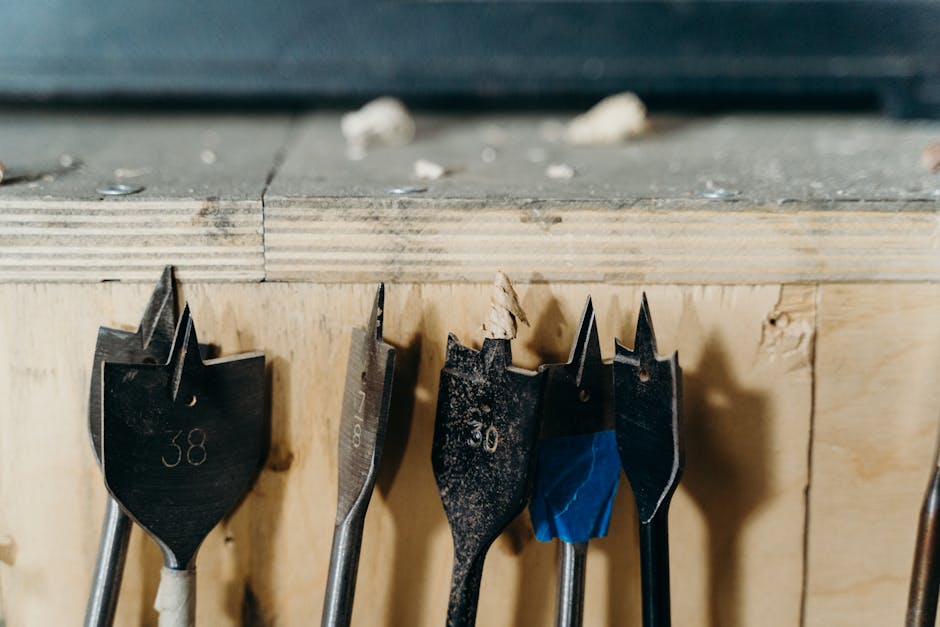
Adding personality to your apartment walls is a great way to make the space feel like home. Whether you’re hanging artwork or installing floating shelves, a power drill can make the job easier and more precise. Keep a variety of drill bits handy, as walls can vary from drywall to brick. Remember to use a stud finder to ensure your shelves are securely anchored. What creative display will you set up next?
Simple Repairs And Maintenance
Minor repairs are part of apartment living, and power tools can help. Tightening loose cabinet doors or fixing a wobbly table leg is much easier with a power drill. A small multi-tool can come in handy for cutting through lightweight materials or sanding down rough spots. Why wait for maintenance when you can handle simple fixes yourself? Using power tools in your apartment can be a liberating experience, enabling you to tackle a range of projects with ease. Remember to be mindful of noise levels, and consider informing your neighbors if you'll be working on something noisy. What projects will you start in your apartment with your trusty power tools?
Frequently Asked Questions
Can I Use Power Tools In My Apartment Legally?
Yes, you can use power tools in most apartments. However, it's essential to check your lease agreement and local noise ordinances. Some buildings may have specific rules about noise levels or hours during which tools can be used. Always be considerate of your neighbors to maintain a peaceful living environment.
What Precautions Should I Take Using Power Tools Indoors?
When using power tools indoors, ensure proper ventilation to avoid dust accumulation. Use tools with noise reduction features and wear protective gear such as goggles and earplugs. Keep the workspace clean and organized to prevent accidents. Always follow the manufacturer's instructions for safe operation of the tools.
How Can I Minimize Noise From Power Tools?
To minimize noise, choose quieter models or use noise-reducing attachments. Work during hours when noise is less disruptive, typically late morning or early afternoon. Consider soundproofing your workspace with rugs or sound-absorbing panels. Communicate with neighbors to inform them about your work schedule to avoid conflicts.
Are There Specific Tools Recommended For Apartment Use?
Yes, consider using cordless or battery-powered tools for quieter operation. Tools with built-in dust collection systems can help maintain cleanliness. Compact, multi-functional tools save space and reduce clutter. Always choose tools appropriate for the task to ensure efficiency and minimize noise and disruption.
Conclusion
Using power tools in your apartment requires careful consideration. Think about noise levels and your neighbors' peace. Always check your lease agreement for rules. Communicate openly with your landlord if unsure. Safety should be your top priority. Ensure proper ventilation and follow all safety guidelines.
Opt for quieter tools when possible. This helps maintain harmony in shared spaces. Respecting your community is key. By being considerate, you can enjoy DIY projects. Without disturbing those around you. Balance your passion for projects with apartment living. Happy crafting!