Are you managing a business or handling finances and find yourself wondering about the possibility of capitalizing large amounts of hand tools? You're not alone.
Many business owners and financial managers grapple with this question. It's more than just a financial decision—it's a strategic move that can impact your business's bottom line. Understanding whether you can capitalize these assets can open doors to better financial planning and improved cash flow management.
This article will guide you through the intricacies of capitalization, offering insights that could potentially transform how you view and manage your tools. Dive in, and discover how this decision could be a game-changer for your financial strategy.
Capitalization Basics
Understanding the basics of capitalization is crucial for businesses. It helps in financial reporting and tax calculations. When dealing with assets, capitalization can impact financial statements significantly. This section explores the fundamentals of capitalization.
Definition Of Capitalization
Capitalization means recording a cost as an asset. This is instead of an expense. Businesses capitalize costs to spread them over several years. This process affects the balance sheet and income statement. It shows the true value of assets owned by a business.
Why Capitalize Assets
Capitalizing assets provides several benefits. It reflects a company's investment in long-term assets. This process helps in accurate profit calculation. It enables businesses to match costs with revenue. Capitalization also improves financial ratios. This is important for investors and lenders.
Hand Tools As Capital Assets
Businesses can capitalize large amounts of hand tools as capital assets, enhancing their financial efficiency. These tools, while seemingly minor, hold significant value in operational productivity. Proper capitalization ensures accurate asset management and financial reporting, crucial for long-term success.
Hand Tools as Capital Assets Have you ever wondered if those trusty hand tools in your garage or workshop could be more than just items in your toolbox? Could they actually be considered capital assets? Many business owners grapple with this question, especially when looking at the numbers. Hand tools, often essential for daily operations, might be more valuable than you think. When considered capital assets, these tools can impact your business's financial landscape significantly. Understanding which hand tools qualify as capital assets can help you make informed financial decisions. This knowledge could even affect your tax filings, ultimately saving you money. Let's dive into the intricacies of this topic.
Types Of Hand Tools
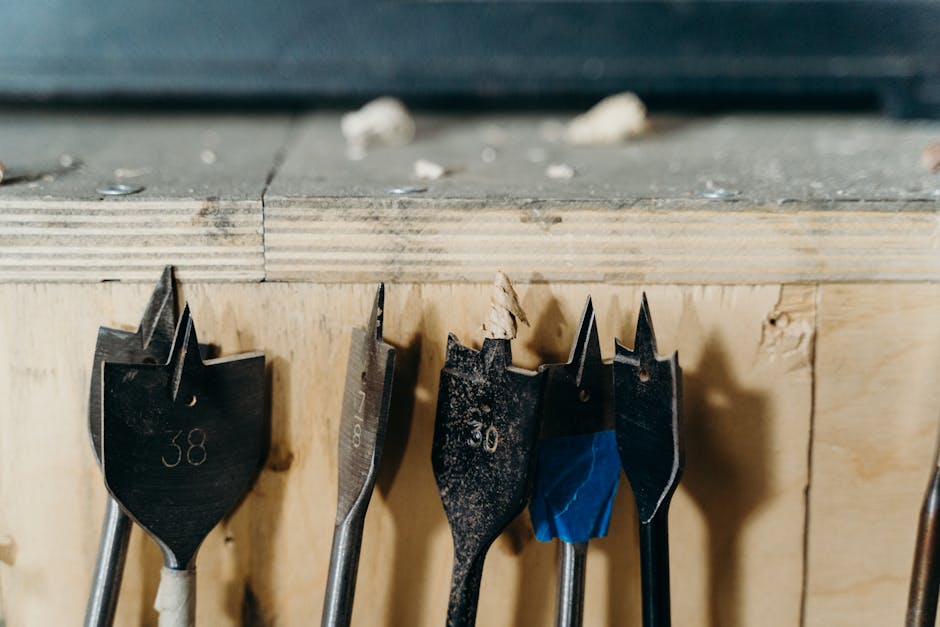
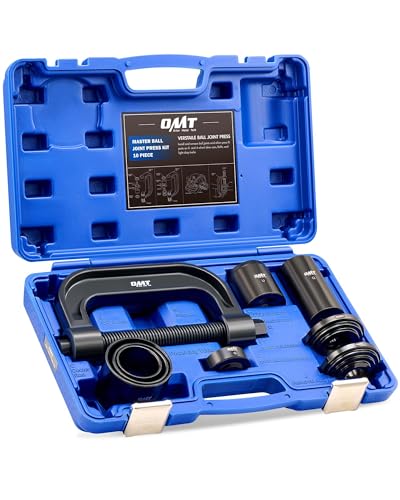
Hand tools come in all shapes and sizes, each serving a specific function. From hammers and wrenches to pliers and screwdrivers, these tools are the unsung heroes of many industries. Think about your own collection: maybe you've got a set of screwdrivers passed down from your grandfather. Each has its purpose, and when combined, they form the backbone of any toolkit. Knowing the types of hand tools you own is the first step toward understanding their potential as capital assets. Consider making a list of your tools. This will not only help you appreciate their value but also assist in keeping track of your inventory.
Criteria For Capitalization
Not all hand tools qualify as capital assets. The key lies in understanding the criteria for capitalization. Generally, tools that have a longer useful life and a significant cost may be capitalized. For example, a specialized set of mechanical tools that costs several hundred dollars could be capitalized, while a single inexpensive wrench might not. Think about the lifespan and cost of each tool. If a tool is expected to last more than a year and costs more than a set threshold, it might be worth capitalizing. Consult with a financial advisor or accountant to determine the best course of action for your specific situation. Have you ever taken the time to evaluate the potential impact of capitalizing your hand tools? It could be a game-changer for your business finances.
Financial Benefits
Businesses can capitalize hand tools if they provide lasting value and benefit future operations. This approach spreads the cost over time, boosting financial stability. Properly capitalizing tools can enhance budgeting and financial planning.
Investing in hand tools for your business can be more than just a necessity—it can also be a strategic financial decision. Capitalizing large amounts of hand tools might seem daunting at first, but the financial benefits are worth considering. Understanding these benefits can help you make informed choices that positively impact your business's bottom line.
Tax Advantages
One significant benefit of capitalizing hand tools is the potential tax advantages. When you capitalize these tools, you spread the cost over their useful life rather than expensing it all at once. This approach can lower your taxable income each year, providing you with a valuable tax shield. You might be surprised at how much you can save. By reducing your taxable income, you may fall into a lower tax bracket, which can lead to substantial tax savings. Consult with a tax professional to explore how this strategy could work for your business.
Impact On Cash Flow
Capitalizing hand tools can also positively affect your cash flow. By not expensing the full cost upfront, you maintain more liquidity in your business. This means more funds are available for other investments or day-to-day operations. Consider a scenario where you need to purchase a significant amount of tools. By capitalizing these purchases, you avoid a large outflow of cash in a single period. This approach can provide a more stable financial footing and greater flexibility in managing your finances. Have you ever found yourself short on cash due to large expenses? Properly capitalizing your assets might just be the solution to maintain a healthy cash flow. It's a strategic move that can keep your business running smoothly while still investing in the necessary tools for success. By understanding the financial benefits of capitalizing hand tools, you can make more strategic decisions for your business. Have you considered how this approach might work for you? Dive into the specifics and see how it can enhance your financial strategy.
Accounting Practices
Businesses often question whether they can capitalize large amounts of hand tools. The answer depends on specific accounting practices. Proper accounting ensures accurate financial statements. It also helps in managing company assets efficiently.
Understanding these practices aids in making informed decisions. Below are key aspects of accounting practices for hand tools.
Record Keeping
Accurate record keeping is crucial for accounting. Record every purchase detail of hand tools. Include the purchase date, cost, and description. Maintain records in a systematic manner. This helps in tracking the tools easily.
Organized records assist in determining tool usage. It also helps in assessing their condition over time. Use software or spreadsheets for better management. This minimizes the risk of errors and data loss.
Depreciation Methods
Depreciation methods impact the value of hand tools. Choose the right method to reflect their usage. Common methods include straight-line and declining balance. The straight-line method spreads cost evenly over time.
The declining balance method reduces value faster initially. Select a method based on tool life and usage. This choice affects financial statements and asset valuation.
Review depreciation schedules regularly. Ensure they align with tool condition and company policy.
Legal Considerations
Understanding legal considerations is crucial for capitalizing large amounts of hand tools. Business owners must consult accounting standards and tax regulations. Proper documentation ensures compliance and may impact financial statements significantly.
When it comes to capitalizing large amounts of hand tools, understanding the legal landscape can be crucial. You might think it's just about numbers and accounting, but there are specific rules and regulations that you need to follow. Failing to comply can lead to significant challenges, both financially and legally. Let's dive into some of the legal considerations you need to be aware of.
Regulatory Compliance
Ensuring your business complies with the law is essential. Different regions have specific accounting standards and tax laws that dictate how you should treat capital expenditures. For instance, the IRS in the United States has clear guidelines on what constitutes a capital expense versus a repair expense. If your business operates internationally, you might need to adhere to multiple regulatory frameworks. Each may have unique requirements for capitalizing assets. This can be a complex web to navigate. Have you checked whether your current practices align with all applicable standards?
Potential Pitfalls
One potential pitfall is misclassifying expenses. Mistakes here can lead to incorrect financial statements and tax filings. This not only affects your bottom line but could also attract audits and penalties. Another risk is failing to update policies as regulations change. Laws and guidelines can evolve, and what was acceptable last year might not be this year. How often do you review your compliance strategies? Consider seeking expert advice if you're unsure about your legal obligations. A small investment in professional guidance could prevent costly mistakes. Have you consulted with a legal or financial advisor recently? Staying informed and vigilant about these legal considerations can help you capitalize your hand tools effectively and avoid unnecessary complications. Keep your business protected by being proactive with compliance and aware of potential pitfalls.
Industry Examples
Different industries have varying rules for capitalizing hand tools. Construction companies might treat tools as expenses. Manufacturing firms, on the other hand, often capitalize them as assets. Understanding these distinctions is crucial.
In industries like construction and manufacturing, the question of whether you can capitalize large amounts of hand tools is a common dilemma. Hand tools are essential for daily operations, but their cost can add up quickly. Understanding how different industries handle this is crucial for making informed financial decisions.
Case Studies
Let's take a look at how some companies have tackled this issue. A mid-sized construction firm opted to capitalize their hand tools after realizing frequent purchases were hurting their cash flow. They found that treating these tools as long-term assets improved their financial stability. On the other hand, a small manufacturing company chose not to capitalize their tools, instead focusing on maintaining a rigorous inventory system. This helped them track usage and minimize losses, allowing for better resource allocation.
Best Practices
Consider your company's size and industry when deciding how to handle hand tool expenses. Larger firms might benefit from capitalization due to their high volume of purchases. Smaller companies could find more value in tracking usage and maintaining detailed records. It's also wise to consult with an accountant familiar with your industry. They can offer insights tailored to your specific needs. Remember, the goal is to enhance your financial strategy, not complicate it. Ask yourself: Are you overlooking potential savings by not capitalizing your hand tools? Or are you sacrificing flexibility by tying up assets? Balancing these considerations is key to optimizing your financial approach.
Future Trends
In the world of hand tools, the question of capitalization is evolving. As industries move forward, understanding future trends becomes crucial. You might wonder how technological advancements and shifts in capitalization strategies impact this. Let's dive into the changes that lie ahead.
Technological Advancements
Technology continues to reshape the landscape of hand tools. Imagine using smart tools that connect to your devices, offering real-time data. These innovations are not just for tech enthusiasts. They're becoming standard in many industries.
With automation and AI, hand tools are more efficient than ever. Tools that once required manual effort now boast features that simplify tasks. Picture a wrench that adjusts itself based on the nut size. This isn't science fiction. It's happening.
Consider the potential cost savings. Smart tools reduce downtime and errors. They might seem costly upfront, but their efficiency pays off. Are you prepared for this shift? Embracing new technology can enhance your work and profitability.
Shifts In Capitalization Strategies
How you categorize your hand tools financially is changing. Traditionally, tools were seen as expenses. But with their enhanced capabilities, some argue they should be capitalized as assets.
Capitalizing tools could mean recognizing their long-term value. You invest once but benefit over time. It’s a strategy that appeals to businesses looking to maximize their resources.
Think about the tax implications. Capitalizing tools might offer advantages over expensing them. Could this strategy work for you? Assess your current practices and consider the potential benefits.
Adapting to these trends requires foresight. Are you ready to rethink your approach? As technology evolves, your strategies must too. Staying informed and flexible can set you apart in a competitive market.
As you navigate these changes, ask yourself: How can you leverage technology and financial strategies to boost your operations? The future is bright for those willing to adapt and grow.
Frequently Asked Questions
What Does It Mean To Capitalize Hand Tools?
Capitalizing hand tools means recording their cost as a long-term asset. This can help spread expenses over several years. It is typically done when the tools have a significant cost and useful life.
Are Large Hand Tools Considered Capital Assets?
Yes, large hand tools can be capital assets. They are considered so when they have a long useful life and significant cost. This classification allows businesses to depreciate their value over time.
How Can Businesses Benefit From Capitalizing Tools?
Capitalizing tools can provide tax benefits and improve financial reporting. By spreading the cost over several years, businesses can manage expenses better. It also enhances cash flow management.
When Should Hand Tools Be Capitalized?
Hand tools should be capitalized when they exceed a certain cost threshold. They should also have a useful life extending beyond one year. This decision helps in financial planning and budgeting.
Conclusion
Deciding to capitalize hand tools depends on your business needs. Consider the tool's lifespan and cost. Expensive tools with long use might be capitalized. This choice affects your financial records and taxes. Always consult with a financial advisor or accountant.
They can guide you based on current laws and your specific situation. Proper handling of expenses ensures smooth business operations. It also aids in better financial planning. Make informed decisions for the best results. Understanding these basics can improve your business's financial health.
Stay informed and make wise choices for your tools.