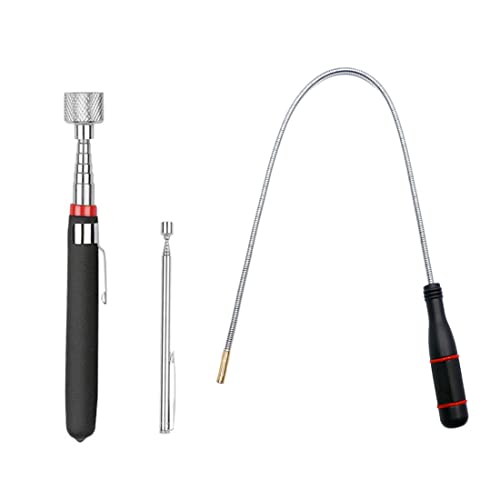

When you're packing for a trip, whether it's for business or leisure, you might wonder about the rules for bringing your trusty hand tools along. You've invested time and money in assembling the perfect toolkit, and you don't want to leave it behind.
But can you check in hand tools in an airplane without facing any issues? This question is more common than you think, and finding the right answer is crucial to avoid last-minute hassles at the airport. We’ll unravel the mysteries of airline regulations concerning hand tools.
You’ll discover practical tips that can save you time, money, and potential headaches. Ready to ensure your tools fly safely? Let’s dive in.
Air Travel Regulations For Hand Tools
Many travelers need to carry hand tools on flights. Understanding air travel regulations is crucial. It ensures a smooth journey without unexpected surprises. Hand tools come in various shapes and sizes. Each type may have different rules for air travel.
What Are Hand Tools?
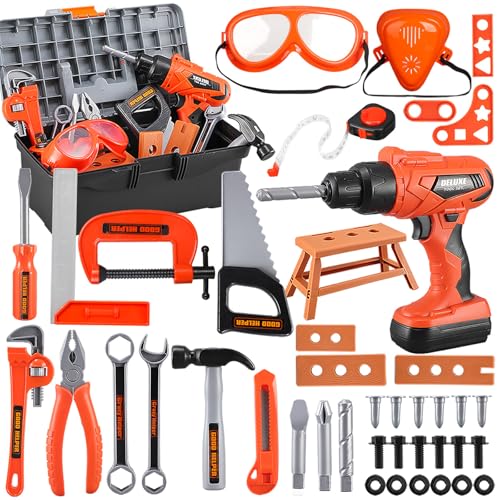
Hand tools are portable devices. They are powered by hand. Common examples include screwdrivers, wrenches, pliers, and hammers. These tools are essential for many professionals. They are also useful for personal projects or emergencies.
General Rules For Carrying Hand Tools
Airlines have specific rules. Hand tools must fit within these regulations. Tools under 7 inches are usually allowed in carry-on. Larger tools often need to be checked. It's best to verify with your airline. Rules can vary by carrier.
Security Checks For Hand Tools
All hand tools undergo security checks. They are scanned at checkpoints. Security personnel may inspect them. This ensures safety for all passengers. It's important to pack tools securely. Use cases or bags designed for travel.
Considerations For International Flights
International flights might have stricter rules. Different countries have unique regulations. It's essential to research before traveling. Contact the airline for specific guidelines. This helps avoid trouble at foreign airports.
Pack tools securely to prevent damage. Use tool rolls or protective cases. Label your tools clearly. This assists in identification during checks. Keep a detailed list of packed items. It makes tracking easier if needed.
Types Of Hand Tools Allowed
Traveling with hand tools in your luggage can be confusing. Different airlines and security regulations can make it hard to know what's allowed. Understanding which hand tools are permitted can ease your travel. Let’s dive into the types of hand tools allowed on airplanes.
Commonly Permitted Tools
Many hand tools are allowed in checked luggage. Screwdrivers shorter than 7 inches are generally accepted. Pliers and wrenches also fit into this category. Tape measures and small hammers are usually permitted too. These tools pose little security risk. Keep them in your checked baggage.
Tools With Restrictions
Some tools have size or type restrictions. Blades longer than 6 inches are often prohibited. This includes saws and large screwdrivers. Power tools usually aren't allowed in carry-ons. Check with your airline for specific rules. Always pack sharp tools safely. Wrap them to prevent injury during inspection.
Packing Tips For Hand Tools
Packing hand tools for air travel requires careful planning. Tools can be bulky and prone to damage. Proper packing ensures tools arrive safely. Follow these tips to secure your tools for the journey.
Secure Packing Methods
Use sturdy boxes or cases to pack your tools. A durable case offers protection. It prevents tools from shifting during transit. Wrap each tool individually with bubble wrap. This cushioning helps avoid scratches and dents. Label the box clearly. This helps in easy identification.
Avoiding Damage During Transit
Place heavier tools at the bottom. This prevents them from crushing lighter items. Use foam inserts for extra protection. Foam keeps tools snug and secure. Fasten the box or case tightly. Secure closures prevent accidental openings. Keep sharp edges covered. This avoids injury and protects other items.
Airline-specific Rules
Checking in hand tools on an airplane involves knowing airline-specific rules. Some airlines allow small tools in checked luggage. Always verify the latest guidelines with your airline to ensure compliance.
Traveling with hand tools can be a bit tricky, especially when you're flying. You might wonder if you can take them in your luggage or if they need special packing. The good news is, you can bring hand tools on a plane, but each airline has its own set of rules. Knowing these can save you time and avoid hassles at the airport. Let's explore the airline-specific rules to ensure a smooth journey.
Major Airline Policies
Different airlines have different regulations for carrying hand tools. For instance, Delta Airlines allows tools that are less than seven inches in carry-on baggage. However, tools longer than that must go in checked luggage. Meanwhile, American Airlines permits tools in checked bags but advises checking them due to security concerns. It's crucial to check the specific airline’s website before you fly. This ensures you're not caught off guard at the security checkpoint.
Key Differences To Note
While most airlines allow hand tools in checked baggage, the rules for carry-on can vary. Some airlines might have stricter policies for international flights. For example, United Airlines has stringent guidelines for international travelers compared to domestic ones. Have you ever been surprised by an unexpected rule? It's always better to verify these details ahead of time. This way, you avoid surprises and keep your tools safe. Understanding these airline-specific rules can make your travel experience smoother. Have you ever traveled with tools and faced any issues? Share your experiences or tips for others in the comments below.
Security Screening Process
Traveling with hand tools requires careful preparation. The security screening process is crucial. It ensures safety and compliance with regulations. Knowing what to expect helps ease the journey. This guide details the steps and considerations at security checkpoints.
What To Expect At Checkpoints
Security checkpoints have strict procedures. Hand tools need inspection. Expect clear instructions from officers. They might ask questions about your tools. Be ready to provide details. Each tool will be checked thoroughly. Officers look for prohibited items.
Tools should be packed properly. Use a secure container. Avoid loose items in bags. Proper packing speeds up the process. Officers need to access items easily. Cooperation with officers is essential. It ensures a smooth screening experience.
Handling Security Concerns
Security concerns arise with sharp tools. Knives and saws require special attention. Inform officers about sharp items. They may ask you to remove them. Sharp tools might need additional checks. This ensures safety for everyone.
Different tools have different rules. Understand the regulations for each type. Check with airline policies beforehand. Knowing these rules prevents confusion. It keeps the process efficient and quick. Always stay informed and prepared.
Communication with officers is vital. Clear answers help resolve concerns. Be polite and patient during checks. Good communication enhances the experience. Officers appreciate cooperation and understanding.
Alternatives To Carrying Tools
Traveling with hand tools can be tricky. Airlines have strict rules. Many people face problems at airports. There are easier ways to manage this. Consider other options than carrying tools. These alternatives can save you time and stress.
Shipping Options
Shipping tools is a smart choice. Many services offer secure shipping. You can send tools ahead of your trip. This way, your tools arrive at your destination safely. Choose a reliable shipping company. Track your shipment online for peace of mind. Shipping reduces hassles at the airport.
Tool Rentals At Destination
Renting tools is convenient. Many cities have rental shops. Check online for tool rental options. Renting can be cheaper than shipping. You only pay for what you need. This option offers flexibility. It also saves luggage space. Renting is ideal for short trips.
International Travel Considerations
Traveling with hand tools on a plane requires understanding airline rules. Most airlines allow small tools in checked baggage. Always check specific airline policies to avoid surprises at the airport.
Traveling with hand tools can be a bit tricky, especially when you're crossing borders. International travel considerations are crucial to ensure a smooth journey without unexpected hiccups. Whether you're a professional heading to a job site or a hobbyist eager to work on a project abroad, understanding the rules governing the transportation of hand tools is essential.
Customs Regulations
Customs regulations can vary significantly from one country to another. It's important to know what you can bring into a country without facing penalties or confiscation. Many countries allow hand tools, but they might require you to declare them. Imagine landing in a new country and having your tools held at customs simply because you didn't declare them. It's always wise to check the customs website of your destination beforehand. This proactive step can save you time and avoid unnecessary stress.
Country-specific Restrictions
Different countries have their own restrictions concerning hand tools. Some may have strict rules about certain types of tools due to safety concerns. For instance, a country might restrict sharp tools or those that can be used for construction work without proper documentation. You might be surprised to find that what is perfectly acceptable in your home country could be problematic elsewhere. Always research the specific regulations of the country you're visiting. This ensures you won't have to leave your precious tools behind or face fines. Before packing your tools, consider asking yourself: Are these tools absolutely necessary for my trip? If not, it might be best to leave them at home. It's better to travel light and avoid potential headaches at customs.
Frequently Asked Questions
Can I Pack Hand Tools In Checked Luggage?
Yes, you can pack hand tools in checked luggage. Ensure that each tool is less than 7 inches long. Pack them securely to avoid damage during transit. Always check the airline's specific regulations before traveling, as rules may vary.
Are There Restrictions On Tool Sizes In Checked Baggage?
Yes, there are size restrictions for tools in checked baggage. Generally, tools longer than 7 inches should be in checked luggage. Always verify with your airline for any specific requirements. This ensures compliance with airline safety regulations and avoids potential issues at the airport.
Can I Carry Power Tools In Checked Luggage?
Yes, power tools can be carried in checked luggage. However, remove any batteries and pack them separately. This is due to safety regulations concerning lithium batteries. Always check with your airline for specific guidelines regarding power tools and battery transport.
Do Airlines Allow Sharp Tools In Checked Bags?
Yes, sharp tools are allowed in checked bags. Ensure they are properly wrapped to prevent injury or damage. This includes items like knives, scissors, and saws. Check with your airline for any additional restrictions or requirements to ensure safe transport.
Conclusion
Traveling with hand tools? It’s possible, but check airline rules first. Different airlines have different policies. Small tools often fit in checked luggage. Large or sharp tools might need special handling. Always double-check before packing. This saves time and avoids surprises at the airport.
Traveling prepared ensures a smooth journey. Remember, safety comes first. Pack your tools securely. Enjoy hassle-free travel with the right preparation. Safe travels and happy adventures with your hand tools!