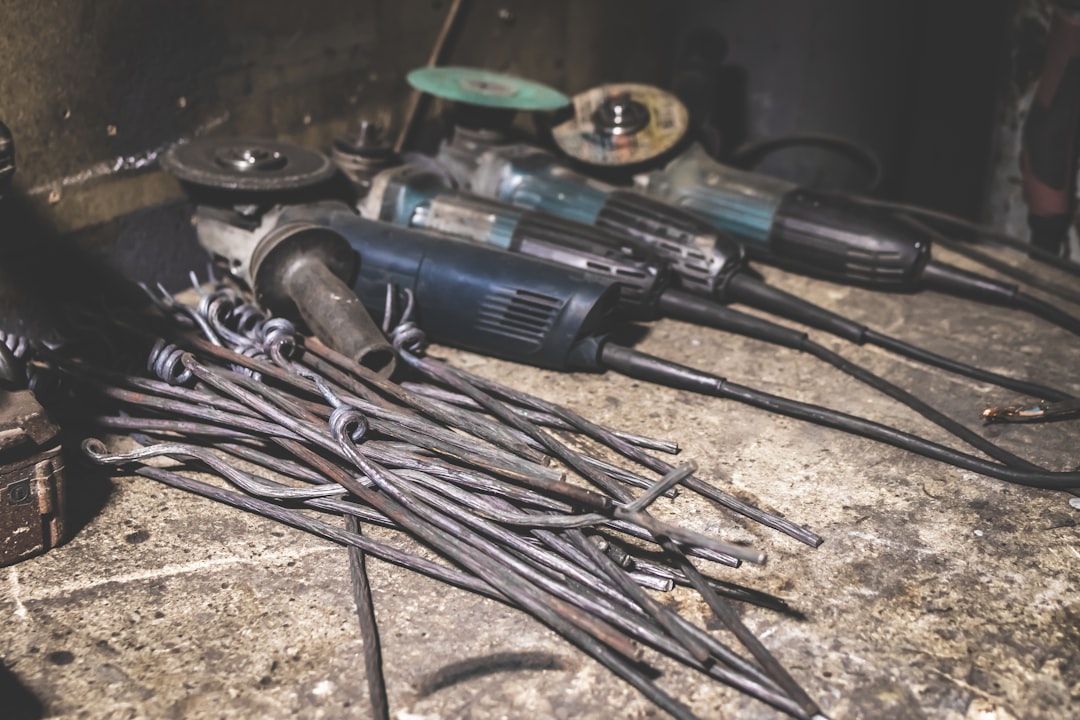
Have you ever found yourself staring at a power tool, wondering if it’s possible to convert it from 240V to 110V? You’re not alone.
Whether you’re moving to a different country or simply want more flexibility in using your tools, this question pops up more often than you might think. Understanding the possibilities can save you time, money, and potential headaches. Imagine no longer worrying about compatibility issues or searching for special adapters.
You’ll discover the secrets to making your power tools work for you, without the technical jargon. Curious to learn how? Keep reading to uncover everything you need to know about transforming your power tools safely and efficiently. Your DIY projects are about to get a lot more versatile!
Why Convert 240v To 110v
Converting 240V power tools to 110V can enhance safety and compatibility in certain regions. This change prevents electrical overload and allows usage with standard household outlets. It ensures your tools operate smoothly without risking damage or performance issues.
Converting 240V power tools to 110V can be a practical choice. Many work environments, especially in the United States, use 110V. This voltage is considered safer for users. It's crucial for compatibility with local electrical systems. Let's explore why this conversion is beneficial.
Enhanced Safety
Using 110V reduces the risk of electric shock. In work environments, safety is a priority. Lower voltage means less danger. This is essential in wet or damp areas. Protect yourself and your colleagues.
Compliance With Local Standards
Some regions mandate 110V for tools. This aligns with local electrical codes. Meeting these standards avoids legal issues. It's a way to ensure your tools are compliant. Stay on the right side of regulations.
Ease Of Use
110V outlets are common in homes and job sites. This makes plugging in simpler. You don't need special adapters. It's convenient and hassle-free. Use your tools anywhere without worry.
Improved Compatibility
Many power tools sold in the US are 110V. Conversion allows you to use locally available tools. It ensures your tools work with other equipment. Seamless integration is key for efficiency.
Cost Efficiency
Running 110V tools can save money. 240V systems might require specialized infrastructure. Avoid additional costs with 110V. It's a cost-effective solution for businesses. Save money while maintaining productivity.
Understanding Voltage Differences
Understanding voltage differences is crucial for using power tools safely. Voltage impacts how power tools function and their compatibility with electrical outlets. It determines the electrical force that drives the tool. This section explains how voltage differences affect power tools and why it's essential to know.
What Is Voltage?
Voltage is the pressure that pushes electric currents through wires. It is measured in volts. The higher the voltage, the stronger the electrical force. Power tools often require specific voltage levels to operate efficiently. Knowing voltage helps prevent damage to tools and ensures safety.
Why Voltage Matters For Power Tools
Voltage affects the performance and safety of power tools. Using the wrong voltage can cause tools to malfunction or get damaged. It can also pose safety risks, like electrical shocks or fires. Tools designed for 240V might not work properly if connected to 110V. Understanding voltage helps choose the right tools and adapters.
Comparing 240v And 110v
240V and 110V represent different electrical systems. 240V is common in Europe and Asia, while 110V is used in North America. These systems require different outlets and adapters. Knowing the voltage system in your area is vital for tool compatibility. It ensures that tools receive the correct power supply.
Tools And Equipment Needed
Converting 240V power tools to 110V involves several steps. Preparing with the right tools and equipment ensures a smooth process. This guide helps you gather what you need for a successful conversion.
Voltage Converter
A voltage converter is essential. It adjusts the power supply from 240V to 110V. Choose one that matches your tool's wattage. This prevents damage and ensures efficient operation.
Multimeter
A multimeter checks electrical readings. Use it to verify voltage before and after conversion. This ensures your tools operate safely. Multimeters are crucial for accuracy.
Screwdriver Set
Screwdrivers help access internal components. You need them to open tool casings. Ensure you have both flathead and Phillips types. They make the task easier.
Insulated Gloves
Safety is a priority. Insulated gloves protect you from electrical shocks. Wear them while handling wiring and electrical components. They add a layer of security.
Wire Strippers
Wire strippers are vital. They strip insulation from wires efficiently. This allows for proper connections. Use them to prepare wires for conversion.
Electrical Tape
Electrical tape secures connections. It prevents exposed wires from causing short circuits. Use it to insulate and protect wiring. It's a must-have for safety.
Instruction Manual
The instruction manual guides the conversion process. Follow it closely for best results. It provides detailed steps specific to your tool model.
Testing Outlet
A testing outlet confirms your tool functions properly at 110V. Plug your tool into the outlet after conversion. This checks if the conversion is successful.
Step-by-step Conversion Process
Switching 240V power tools to 110V involves several steps. Start by checking the tool's manual for compatibility. Use a transformer to adjust the voltage. Follow safety guidelines to ensure proper operation.
Converting 240V power tools to 110V might sound like a daunting task, but with the right steps, it’s entirely doable. Whether you're tackling this project for convenience, safety, or just out of curiosity, understanding the conversion process is key. With a methodical approach, you can ensure your tools are ready to use in a different voltage setting.
Safety Precautions
Before you start, prioritize safety. Disconnect your tool from any power source. Use insulated gloves and tools to minimize the risk of electrical shock. It's wise to have a fire extinguisher nearby, just in case.
Assessing Tool Compatibility
Not all tools are candidates for conversion. Check the manufacturer's manual or label for voltage compatibility. If your tool isn't designed for dual voltage, conversion might not be feasible without risking damage.
Transformer Selection
Choosing the right transformer is crucial. Calculate the wattage of your tool by multiplying the amps by the voltage. Select a transformer that can handle at least 20% more wattage than your tool's requirement to ensure smooth operation.
Wiring Adjustments
Wiring adjustments can be tricky but manageable with patience. Open the tool's casing carefully, noting the current wiring setup. Rewire the connections to align with a 110V input, following the wiring diagram from the manufacturer, if available. During one conversion I attempted, I realized the importance of labeling each wire. It saved me from confusion when reassembling. Could labeling wires make your process smoother too? This journey of conversion is all about attention to detail. Have you ever tried converting a tool before? What unique challenges did you face? Share your thoughts and experiences below.
Common Challenges
Converting 240V power tools to 110V presents several obstacles. Compatibility issues arise due to different voltage levels. Alterations may void warranties, complicating repairs.
Converting 240V power tools to 110V is a task that many DIY enthusiasts might find themselves considering. However, it comes with a set of challenges that can be quite daunting. Whether you're trying to adapt your tools for a different region or aiming for compatibility with your home setup, understanding these common issues is crucial for a successful transition.
Power Output Discrepancies
When you convert a tool from 240V to 110V, one of the first hurdles you'll face is the power output discrepancy. A tool designed for 240V often expects a certain power flow to operate efficiently. Reducing the voltage to 110V can drastically affect how much power the tool receives. Imagine trying to run a marathon in half the oxygen you usually breathe. That's what your tool feels like when it's not getting the right voltage. This can lead to insufficient performance, overheating, or even permanent damage. Are you prepared to handle these outcomes?
Tool Performance Issues
Another significant challenge is maintaining the tool's performance post-conversion. It's not just about getting the tool to turn on; it’s about ensuring it works effectively. A tool that struggles to reach its original speed or torque can compromise the quality of your work. I once converted a 240V drill to 110V, thinking it would be a simple fix. However, it ended up stalling during crucial moments of a project. This taught me that performance is key and should not be underestimated. Would you risk the integrity of your project for a few saved volts? Understanding these challenges not only prepares you for the conversion process but also helps you decide if it's worth the effort. Always weigh the potential risks against the benefits. Are there alternative solutions that might serve your needs better?
Safety Considerations
Converting 240V power tools to 110V requires careful attention to safety. Ensure compatibility with adapters and transformers to prevent electrical hazards. Consult a professional to avoid damage to tools and personal injury.
Converting 240V power tools to 110V can seem like a straightforward task, but safety considerations are paramount. Each step you take impacts not only the functionality of your tools but also your safety. Understanding the risks and how to mitigate them is crucial to ensuring a safe transition.
Understanding The Voltage Difference
Voltage differences matter a lot. The equipment you use is designed for specific voltage levels. Using a tool at the wrong voltage can cause overheating or even a fire. Before making any conversion, ensure you're aware of the voltage requirements of your tool.
Use The Right Transformers
Transformers are essential when converting voltages. They help in stepping down the voltage from 240V to 110V. Choose a transformer that matches the power rating of your tool. A transformer rated too low can lead to overloads and potential hazards.
Check For Compatibility
Not all tools can be converted safely. Check the manufacturer's guidelines to see if your tool supports voltage conversion. Some tools may require additional modifications or may not be compatible at all.
Inspect Wiring And Connections
Wiring plays a critical role in safe conversions. Ensure all connections are secure and insulated properly. Loose wires can lead to short circuits or electric shocks. If you're unsure, consult with a professional electrician.
Use Protective Gear
Always prioritize personal safety. Use protective gear like gloves and goggles when handling electrical equipment. These simple precautions can prevent accidents and injuries.
Monitor Tool Performance
After conversion, observe how your tool operates. Does it heat up too quickly or make unusual noises? These could be signs of an improper conversion. Regularly monitoring performance helps catch issues early.
Seek Professional Help When Needed
If you ever feel uncertain about the conversion process, it's wise to seek professional assistance. Electricians have the expertise to ensure the job is done safely and correctly. It's better to be safe than risk a dangerous situation. What safety measures do you take when working with power tools? Share your experiences in the comments below. Your insights might help someone make a safer choice.
Alternatives To Conversion
Switching 240V tools to 110V can be challenging. Opt for transformers as an alternative. Ensure compatibility to avoid damage.
When you find yourself with a 240V power tool and a 110V power supply, you might think conversion is the only answer. However, there are alternatives that can save you time, effort, and money. Why struggle with conversion when you have other viable options?
Using Dual Voltage Tools
Imagine investing in a tool that understands your needs, no matter where you are. Dual voltage tools are designed to operate on both 240V and 110V. They automatically adapt to the power supply, eliminating the need for converters. These tools are perfect for professionals who travel between countries with different voltage standards. By choosing dual voltage, you ensure your tools are ready for any job, anywhere. It's like having a universal charger for all your devices.
Purchasing Compatible Tools
Sometimes, the simplest solution is to buy tools that match your power supply. Purchasing compatible tools can be a wise investment, especially if you're settling in a place with a consistent voltage standard. Think of it as an upgrade opportunity. You might discover features and enhancements in the new models that weren't available in your old tools. Plus, you avoid the hassle of dealing with converters and potential power fluctuations. Have you ever experienced the frustration of a tool cutting off mid-task? Investing in compatible tools can save you from those interruptions. It's a chance to streamline your toolkit and enhance your efficiency. In the end, what’s more important than having power tools that just work, no matter the voltage?
Expert Advice And Tips
Converting 240V power tools to 110V can be tricky. Expert advice can help. Understanding the process ensures safety and efficiency. Below are tips and expert insights.
Voltage determines the power a tool uses. 240V tools require more power than 110V. Knowing this difference is crucial. It affects the tool's performance and lifespan.
Check Tool Specifications
Always check the tool's specifications. This helps identify if conversion is possible. Some tools support dual voltage. Others require a transformer or adapter.
Use A Step-down Transformer
A step-down transformer changes 240V to 110V. It is a safe method. Ensure the transformer matches the tool's wattage. This prevents damage and ensures smooth operation.
Consult A Professional
Consulting a professional is wise. They can guide on safe conversions. This ensures you avoid electrical hazards. Professionals have the expertise and tools needed.
Safety Precautions
Always prioritize safety. Use insulated tools and wear protective gear. Ensure the power source is off during conversion. Safety checks prevent accidents.
Testing The Converted Tool
After conversion, test the tool. Start with a low power setting. Check for any unusual sounds or vibrations. This ensures the tool works correctly.
Frequently Asked Questions
Can You Change 240v Tools To 110v Safely?
Yes, you can convert 240V tools to 110V with a transformer. It's crucial to ensure the transformer matches the tool's wattage. Proper conversion prevents damage and ensures safety. Always follow manufacturer guidelines and consult an electrician if you're unsure about the process.
What Is Needed For 240v To 110v Conversion?
You need a step-down transformer to convert 240V to 110V. Ensure the transformer handles your tool's power requirements. Proper installation is key to safe operation. Check the tool's manual for compatibility and consult professionals for advice.
Does Converting Voltage Affect Tool Performance?
Converting voltage doesn't affect tool performance if done correctly. Use a suitable transformer to maintain efficiency and power. Incorrect conversion can lead to reduced performance and potential damage. Always ensure compatibility between the transformer and the tool.
Are There Risks In Voltage Conversion?
Voltage conversion carries risks like tool damage or electrical hazards. Using a proper transformer minimizes these risks. Follow safety guidelines and consult experts if unsure. Incorrect conversion can void warranties, so always ensure compatibility and follow instructions.
Conclusion
Converting 240V tools to 110V can be challenging. It requires careful consideration. Understanding voltage differences is crucial for safety. Adapters and transformers may solve the problem. But they can be expensive. Consult a professional for expert advice. Avoid DIY unless you are skilled.
Safety should always come first. Research thoroughly before making any changes. Proper equipment ensures your tools work correctly. Always prioritize the right voltage for your tools. This keeps them efficient and extends their life. Save time and money by doing it right the first time.