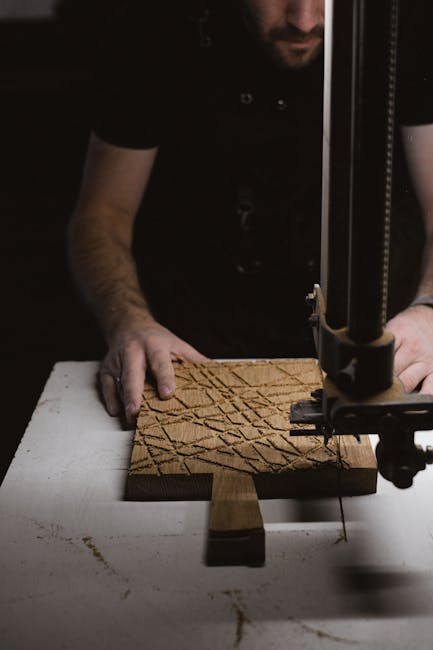
Imagine transforming a rough piece of lumber into a beautiful piece of furniture, using nothing but your own hands. Sounds intriguing, right?
You might wonder, "Can I really machine lumber with hand tools? " If you've ever felt the call of craftsmanship or the desire to create, this question is more relevant to you than ever. With the right tools and techniques, you can achieve precision and finesse that rivals modern machinery.
You'll discover the secrets to mastering hand tools and learn why they might just be the perfect choice for your woodworking projects. Dive in and uncover how the tactile experience of working with hand tools can not only improve your skills but also offer a rewarding sense of accomplishment. Are you ready to tap into the art of traditional woodworking and unlock your potential? Let's find out!
Benefits Of Hand Tool Lumber Milling
Milling lumber with hand tools offers unique advantages for woodworking enthusiasts. Embracing this method connects you with traditional craftsmanship. It allows for creativity and precision. Hand tool lumber milling provides a rewarding experience for both hobbyists and professionals.
Preserves Original Wood Features
Hand tools maintain the natural beauty of wood. They allow you to appreciate unique grain patterns. Each piece becomes a testament to nature's artistry. Using hand tools ensures delicate wood features remain untouched. This enhances the final product's aesthetic.
Cost-effective Approach
Hand tools are often less expensive than machines. You save money on power and maintenance. Fewer tools mean fewer expenses. This makes hand milling accessible to many people. It's a budget-friendly way to start woodworking.
Enhanced Control And Precision
Working with hand tools offers greater control. You can adjust pressure and angles easily. This ensures precise cuts and smooth finishes. Hand tool milling allows for meticulous attention to detail. Your craftsmanship shines through every piece.
Quiet And Peaceful Process
Hand tool milling is quieter than machine use. You enjoy a serene environment while working. This fosters concentration and creativity. The lack of noise pollution creates a peaceful atmosphere. It's ideal for those seeking a tranquil workspace.
Environmentally Friendly Option
Hand tools require no electricity. This reduces your environmental footprint. They align with sustainable practices. You contribute to preserving natural resources. Hand milling supports eco-friendly woodworking.
Essential Hand Tools For Lumber Milling
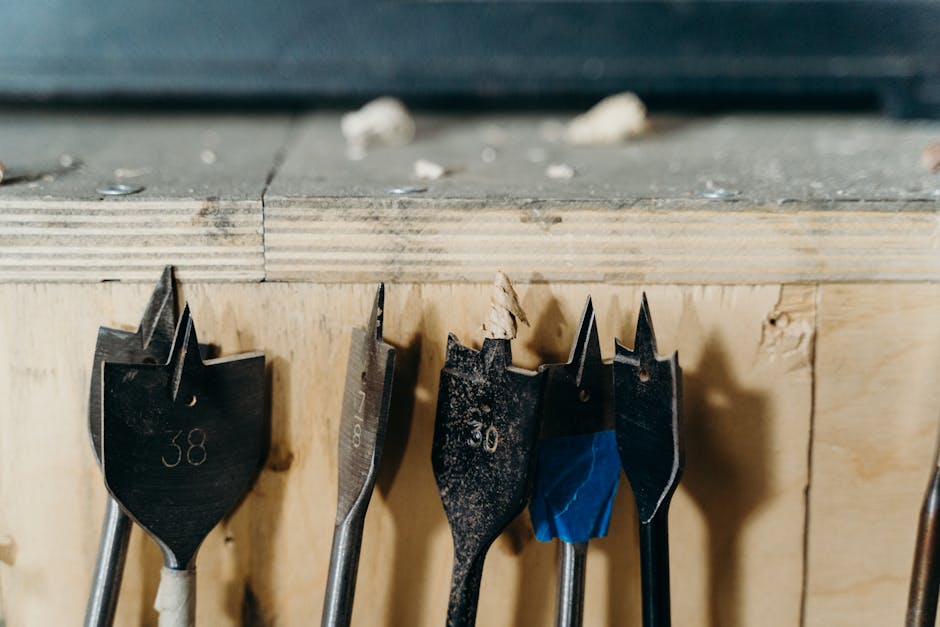
Working with lumber using hand tools is a rewarding experience that connects you to the craftsmanship of woodworking. It’s an art that requires precision, patience, and a keen eye for detail. Are you ready to ditch the power tools and embrace the traditional way? Let's delve into the essential hand tools you need for milling lumber effectively.
Saws For Precision Cuts
When it comes to making precise cuts, saws are indispensable. A hand saw can be your best friend for straight cuts, while a coping saw excels at curved lines. Have you ever tried using a Japanese saw? Their pull-action blade offers cleaner cuts, making them a favorite among many woodworkers. Choosing the right saw can make all the difference in your work.
Planes For Smoothing Surfaces
If you want silky smooth surfaces, planes are your go-to tool. A bench plane works wonders for flattening and straightening wood. Do you remember the first time you glided a plane across a rough board? The transformation is magical, revealing the true grain and beauty of the wood. Always keep your plane’s blade sharp for the best results.
Chisels For Detailed Work
Chisels are perfect for detailed and intricate woodwork. Whether you're carving out a joint or adding decorative elements, chisels give you control and precision. Imagine the satisfaction of creating a perfect dovetail joint with just a chisel. It’s like sculpting wood into your vision. Ensure your chisels are sharp and correctly sized for the task.
Measuring And Marking Tools
Accuracy is crucial in lumber milling, and measuring tools are your allies. A simple tape measure helps you gauge lengths, while a combination square ensures your angles are spot on. Have you considered using a marking gauge? It allows for consistent and precise lines, reducing errors. Remember, good measurements set the foundation for successful woodworking.
Are you ready to embrace hand tools and elevate your woodworking skills? The right tools not only enhance your craft but also deepen your appreciation for the art of lumber milling. Take the plunge and discover the joy of working with your hands!
Step-by-step Lumber Milling
Milling lumber with hand tools may seem challenging but it is rewarding. This step-by-step guide will help you achieve precise results. Using hand tools allows for greater control and connection with your work. Follow these steps to create beautiful, custom lumber pieces.
Selecting The Right Wood
Choosing the right wood is crucial. Look for straight grains and minimal knots. Hardwoods like oak and maple offer strength and durability. Softer woods like pine are easier to work with. Consider the project's needs before making a choice. Examine the wood's texture and color to ensure it fits your design.
Preparing The Workbench
A sturdy workbench is essential for milling lumber. Clear the area of clutter and ensure good lighting. Secure the wood with clamps to prevent movement. Organize your tools within easy reach. Check the bench's height for comfort during long sessions. A well-prepared work area enhances efficiency and safety.
Cutting Lumber To Size
Measure the lumber carefully before cutting. Use a ruler and pencil for accurate markings. A hand saw provides precise control over the cuts. Follow the marked lines slowly to avoid mistakes. Remember to account for any additional shaping. Consistent cuts ensure a smoother milling process.
Shaping And Smoothing Techniques
Shaping the lumber requires patience and precision. Use a plane or chisel for detailed work. Sand the surface to achieve a smooth finish. Start with coarse sandpaper and progress to finer grades. Regularly check the wood's texture as you work. Carefully shaped lumber enhances the final product's appearance.
Safety Tips For Hand Tool Woodworking
Hand tool woodworking offers a rewarding experience for many enthusiasts. It allows for precision and a personal touch in crafting projects. However, safety remains a key concern. Understanding essential safety tips ensures a smooth woodworking journey. Let's explore some crucial safety practices.
Proper Tool Handling
Always grasp tools firmly with a secure grip. Keep your hands clear of sharp edges and moving parts. Store tools in a designated area to prevent accidents. Use clamps to hold workpieces steady. This reduces the risk of slips or injuries.
Maintaining A Clean Workspace
A tidy workspace minimizes hazards. Clear away sawdust and wood shavings regularly. Ensure tools are organized and within easy reach. Proper lighting helps you see clearly and avoid mistakes. A clean area promotes efficiency and safety.
Using Protective Gear
Wear safety goggles to protect your eyes from debris. Use ear protection in noisy environments. Gloves can prevent cuts and splinters. Choose the right footwear to avoid slips. Protective gear is a simple way to stay safe.
Common Mistakes To Avoid
Overlooking tool maintenance leads to dull blades, causing rough cuts. Misjudging wood grain direction results in splintering. Skipping measurement checks leads to uneven pieces.
When you're using hand tools to machine lumber, it's easy to make mistakes that can hinder your progress and lead to frustration. Whether you're a beginner or an experienced woodworker, avoiding these common pitfalls can save you time and ensure your project turns out just as you envisioned. Let's dive into some of the frequent errors to steer clear of when working with hand tools.
Overlooking Tool Maintenance
Neglecting the upkeep of your tools can lead to inefficiency and poor results. Imagine trying to cut wood with a dull saw—it’s a recipe for disaster. Regularly sharpen your blades and clean your tools to maintain their effectiveness. Consider setting a schedule for maintenance, much like you would for your car's oil change. Properly maintained tools make your work smoother and more enjoyable. Have you ever noticed how much easier slicing through wood is with a well-honed chisel? It’s a world of difference. Taking care of your tools is crucial to avoid unnecessary strain and prolong their lifespan.
Ignoring Wood Grain Direction
Understanding wood grain is essential. Cutting against it can lead to tear-out and rough surfaces. Always pay attention to the grain direction to ensure smooth cuts. A friend once shared how they ruined a beautiful oak piece because they didn’t respect the grain—it was a hard lesson learned. Look closely at the grain pattern before you start. It's like reading a map; it guides you on how to proceed. If you notice the wood resisting, take a step back and reassess your approach. Trust the grain; it knows the way.
Rushing The Process
Rushing through your woodworking project can lead to mistakes. You might miss crucial steps or overlook details. Remember that crafting with hand tools is about precision and patience. Think of it as a journey, not a race. Set realistic timelines for your project. Allow yourself the space to enjoy the process, learn, and adapt. Have you ever rushed through a task only to realize later that you skipped a step? It’s frustrating, isn’t it? Slow down, and appreciate each stage of your work. Your patience will pay off with a beautiful finished product. Avoiding these mistakes is about being mindful and intentional in your woodworking practice. What habits will you change to ensure your next project is a success?
Enhancing Skills Through Practice
Enhancing skills through practice is vital in woodworking. Working with hand tools sharpens attention to detail. It also builds patience and precision. Every cut and joint made by hand enriches your craftsmanship. Practicing regularly leads to mastery over time.
Joining Woodworking Communities
Woodworking communities offer a wealth of knowledge. They connect you with like-minded individuals. Sharing experiences can boost your learning. You gain insights from others' successes and challenges. Online forums and local groups are great places to start.
Participating In Workshops
Workshops provide hands-on experience. They help refine your skills under expert guidance. Participating in workshops exposes you to various techniques. You learn to use hand tools more effectively. Your confidence in handling projects increases significantly.
Learning From Experienced Woodworkers
Experienced woodworkers are invaluable resources. Watching them work is educational. They share tips that improve your efficiency. Observing their methods enhances your understanding. Asking questions clarifies doubts you may have. Their feedback helps in perfecting your skills.
Sustainability In Hand Tool Woodworking
Woodworking with hand tools offers a sustainable approach to crafting lumber. This traditional method promotes environmental conservation and responsible resource use. Hand tool woodworking reduces energy consumption and fosters a deeper connection to the craft. It encourages an appreciation for quality and craftsmanship over mass production. By using hand tools, you can embrace sustainability in woodworking and contribute positively to the environment.
Using Local Timber
Local timber is a sustainable choice for woodworking. It reduces transportation emissions and supports local economies. Using timber from nearby sources minimizes the carbon footprint associated with importing wood. It often provides unique and varied grain patterns. This adds character to your projects. Local timber usually comes from responsibly managed forests. This ensures a continuous supply for future generations.
Minimizing Waste
Hand tools help minimize waste in woodworking. They allow precise cuts and reduce the amount of discarded material. Careful planning and measurement ensure efficient use of each piece of wood. This reduces the need for excess timber. Scrap wood can be repurposed for smaller projects or as firewood. This approach conserves resources and reduces landfill impact.
Choosing Eco-friendly Tools
Eco-friendly hand tools are a sustainable choice for woodworkers. Many are made from recyclable or biodegradable materials. They often have a longer lifespan than power tools. This reduces waste from broken or obsolete equipment. Maintaining and repairing hand tools is straightforward. This further extends their usability. Hand tools also eliminate the need for electricity. This reduces overall energy consumption in your woodworking practice.
Frequently Asked Questions
Can Hand Tools Effectively Machine Lumber?
Yes, hand tools can effectively machine lumber. They offer precision and control. With practice, they can produce quality results. Hand planes, chisels, and saws are commonly used tools. They are ideal for small projects and fine work.
What Are The Benefits Of Using Hand Tools?
Hand tools offer several benefits. They provide greater control and precision. They are quieter and require no electricity. They're also portable and allow for a more traditional woodworking experience. Additionally, they can be more affordable than power tools.
Are Hand Tools Suitable For Beginners?
Yes, hand tools are suitable for beginners. They help develop woodworking skills. They encourage understanding of wood grain and texture. Beginners can start with basic tools like saws and chisels. They also promote a hands-on, tactile experience.
How Do Hand Tools Compare To Power Tools?
Hand tools offer more control and precision. Power tools are faster and require less effort. Hand tools are quieter and more environmentally friendly. They also allow for a more traditional approach. Both have their place in woodworking, depending on the project.
Conclusion
Hand tools offer a satisfying way to machine lumber. They provide control and precision. Although slower than power tools, they connect you to the craft. Hand tools are quieter and require less space. Perfect for hobbyists or small workshops. They also teach patience and skill.
Many woodworkers find joy in the process. With practice, you can achieve excellent results. Start with basic tools. Expand your collection as needed. Embrace the tradition of hand craftsmanship. Enjoy the journey of working with wood. Your skills will grow over time.
Happy woodworking!