Imagine you're in the middle of a DIY project, and your power goes out. Frustrating, right?
But what if you could use the batteries from your power tools to run an inverter and keep your project going? It's a question that sparks curiosity and taps into the creative problem-solver in you. You might be wondering if it's even possible, or maybe you're intrigued by the idea of using what you already have at home to power something new.
This article will dive into the practicality and possibilities of running an inverter on power tool batteries, offering you insights and solutions you might not have considered. Discover how you can unlock a new level of flexibility and convenience with your power tools, and keep reading to find out if this could be your next DIY game-changer.
Power Tool Batteries Basics
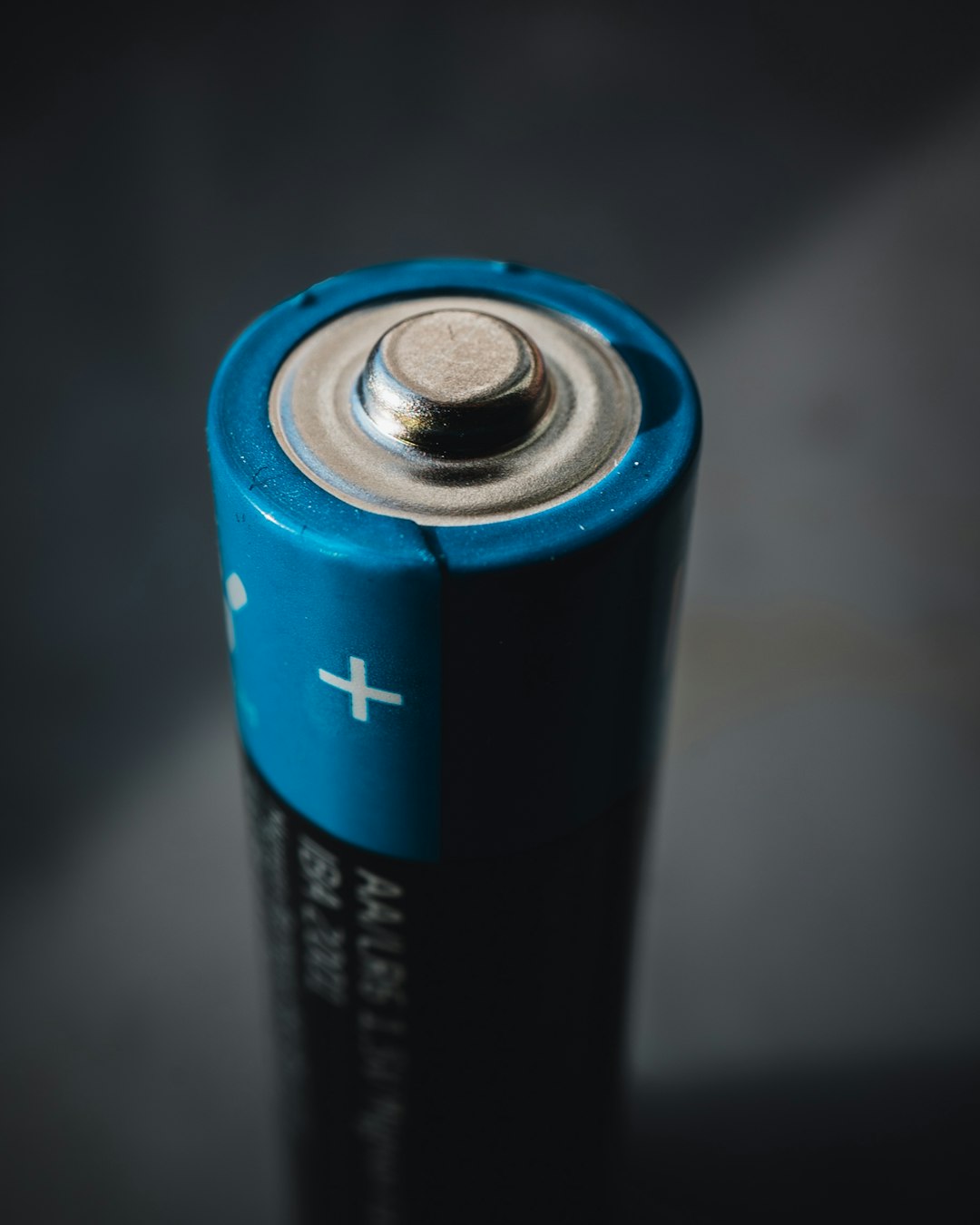
Power tool batteries are essential for cordless devices. They provide the energy needed for drills, saws, and other tools to function. These batteries come in various types and sizes, offering different benefits and drawbacks. Understanding their basics can help determine if they can run an inverter.
Types Of Power Tool Batteries
There are three main types of power tool batteries. Nickel-Cadmium (NiCd) batteries are durable and affordable. They have a long life but are heavier than other types. Nickel-Metal Hydride (NiMH) batteries are lighter and more environmentally friendly. They hold more energy but may not last as long. Lithium-Ion batteries are popular due to their lightweight and high capacity. They charge quickly and have a longer lifespan.
Battery Voltage And Capacity
Voltage and capacity are crucial for power tool batteries. Voltage indicates the power level a battery can deliver. Higher voltage means more power for demanding tasks. Battery capacity is measured in amp-hours (Ah). It shows how long a battery can last before needing a recharge. A higher Ah rating means longer runtime. Choosing the right voltage and capacity ensures efficient tool performance.
Understanding Inverters
Understanding inverters can truly open up the potential of power tool batteries in ways you might not expect. Imagine using the batteries from your drill or saw to power an inverter. Suddenly, you have portable power that can run small devices anywhere. But before you dive in, it's crucial to grasp how inverters work, and what types are available. This knowledge helps you make informed choices and maximize your power tool batteries' potential.
How Inverters Work
Inverters convert direct current (DC) from your batteries into alternating current (AC), which most household devices use. It's like translating a language your gadgets understand. Ever tried running a laptop on DC? It wouldn't work. But with an inverter, you can seamlessly power your laptop using DC sources like tool batteries.
The magic lies in the inverter's ability to mimic the AC waveform. Think of it as a dance routine—each step precisely timed to keep your devices running smoothly. Just like any dance, if one step is off, the whole routine falters. So, choosing a reliable inverter is key to consistent performance.
Types Of Inverters
When it comes to types, there are mainly two: pure sine wave and modified sine wave inverters. Pure sine wave inverters are the gold standard. They produce a smooth, consistent wave that closely resembles grid power. This is crucial for sensitive electronics like laptops or medical equipment. If you value precision, this is your go-to.
Modified sine wave inverters, on the other hand, are more affordable and suitable for less sensitive devices. They're like a budget-friendly meal—satisfying but not gourmet. These work well with simple appliances like power tools, which don’t require perfect waveforms to function.
Choosing between them depends on what you plan to power. Ask yourself: do I need high performance, or will basic functionality suffice? This decision impacts not just your setup but also your budget.
Understanding these basics can transform your approach to portable power. It's not just about having an inverter; it's about choosing the right one for your needs. So, why not harness the power of your tool batteries in a smart way? With the right inverter, you're no longer tied to outlets, and your tools can do more than you ever imagined.
Compatibility Factors
Running an inverter on power tool batteries can be a practical solution. But, it's essential to consider key compatibility factors. Ensuring compatibility maximizes efficiency and safety. Let's delve into the critical aspects you need to check.
Voltage Matching
Voltage matching is crucial for inverter performance. Most power tool batteries have specific voltage ratings. These ratings must align with your inverter's voltage requirements. Mismatched voltages can harm your devices and batteries. Always verify the voltage specifications before connecting.
Power Output Considerations
Power output is another important factor. Power tool batteries have different watt-hour capacities. This capacity affects how long your inverter can run. Check the inverter's wattage needs and match them with your battery's output. This ensures efficient power delivery and prevents overloads.
Connecting Inverters To Power Tool Batteries
Imagine the convenience of using your power tool batteries to run an inverter. Whether you're camping or facing a power outage, this setup could be a lifesaver. However, connecting inverters to power tool batteries requires a bit of know-how. Let's delve into the process, breaking it down with essential tools, step-by-step guidance, and practical tips.
Necessary Tools And Equipment
Before you begin, gather the necessary tools and equipment to ensure a smooth connection.
- Power Tool Batteries:You’ll need a compatible battery pack from a power tool.
- Inverter:Choose an inverter that matches the voltage and power requirements of your battery.
- Cables and Connectors:Secure a set of appropriate cables and connectors to facilitate the connection.
- Multimeter:Use this to measure voltage and ensure safe connections.
- Wire Stripper:Prepare your cables by stripping the necessary length of wire.
Equipped with these tools, you're ready to connect your inverter to a power tool battery.
Step-by-step Connection Guide
Now, let’s walk through the connection process. Start by ensuring both your battery and inverter are off to prevent any electrical mishaps.
- Measure Voltage:Use the multimeter to check the battery's voltage. Ensure it's compatible with your inverter's requirements.
- Prepare Cables:Strip the ends of your cables using a wire stripper. This will help establish a secure connection.
- Connect Positive Terminal:Attach the positive cable from the battery to the positive terminal on the inverter. Secure the connection tightly.
- Connect Negative Terminal:Repeat the process for the negative cable, connecting it to the inverter's negative terminal.
- Secure Connections:Double-check all connections to ensure they are tight and secure. Loose connections can cause inefficiencies or hazards.
- Test Setup:Power on the inverter and battery to ensure everything is functioning correctly.
With a successful connection, your inverter should be operational. But here’s a thought-provoking question: Can this setup replace traditional power sources in emergency situations?
As you venture into using power tool batteries for inverters, consider the benefits and limitations. This approach offers portability and ease of use, yet it's essential to be aware of power constraints. Share your experiences or insights on using inverters with power tool batteries. Your feedback could inspire others to try this innovative solution.
Potential Challenges
Running an inverter on power tool batteries can present unique challenges. Battery capacity and voltage compatibility are crucial. Overloading the system may lead to inefficiency or damage.
Using an inverter with power tool batteries presents certain challenges. These can affect performance and safety. Before using an inverter, understand the potential issues. This helps in making informed decisions.
Battery Life Impacts
Power tool batteries have limited lifespan. Running an inverter can drain them quickly. High power demands shorten battery life. Frequent use can reduce battery efficiency over time. This may lead to more frequent replacements. Be mindful of the battery's capacity and usage limits.
Safety Concerns
Safety is a significant concern with inverters. Power tool batteries can overheat. Overheating can cause damage or even fires. Ensure batteries are compatible with the inverter. Use batteries with built-in safety features. Always follow manufacturer guidelines for safe use. `
Benefits Of Using Inverters With Power Tool Batteries
Using inverters with power tool batteries offers several practical benefits. This setup provides flexibility in powering devices where traditional power sources are unavailable. The adaptability and efficiency of this approach make it appealing for various applications.
Portability Advantages
Power tool batteries are lightweight and easy to carry. Using them with an inverter allows you to power devices on the go. No need for heavy generators. Ideal for remote work sites or outdoor activities. The compact nature of power tool batteries enhances convenience. You can easily fit them in a backpack or toolbox.
Cost-effectiveness
Using power tool batteries with inverters can be budget-friendly. Traditional generators can be costly. With this method, existing batteries can be repurposed. Saves money on new purchases. Maintenance costs are also lower. Batteries require less upkeep compared to generators. This makes it a smart choice for budget-conscious users.
Real-world Applications
Using power tool batteries to run an inverter offers a flexible power solution. This setup can power small devices and emergency equipment during outages. It's a practical choice for those needing portable energy sources.
Running an inverter on power tool batteries might sound unconventional, but its real-world applications are both fascinating and practical. Imagine being in a situation where a sudden power outage disrupts your routine, or you're enjoying the great outdoors far from the nearest electrical outlet. In these scenarios, power tool batteries can be your unexpected hero. Let's explore how you can leverage this setup in various real-life situations.
Emergency Power Solutions
In emergencies, every second counts. Having a backup power source can be a game-changer. Power tool batteries can provide a quick and efficient solution when the lights go out. Consider a scenario where a storm knocks out your home power. With an inverter connected to your power tool batteries, you can power essential devices like your phone charger, a small fan, or even a lamp. It's a simple setup that can keep you connected and comfortable. Do you have a medical device that needs constant power? Using an inverter with power tool batteries can offer peace of mind during short power outages. You won't have to worry about scrambling for candles or flashlights in the dark.
Outdoor And Remote Usage
Do you love spending time in nature, away from civilization? Using power tool batteries with an inverter can extend your outdoor adventures without sacrificing comfort. Imagine camping in a remote location. You can use the setup to power a small electric grill, charge your devices, or even run a portable fan on a hot day. It’s like bringing a slice of modern convenience to the wilderness. Are you working on a project in a location without power outlets? Whether it's building a treehouse or setting up a photography shoot, this setup can power your tools or equipment effectively. The flexibility of using power tool batteries with an inverter opens up endless possibilities for both emergency and everyday scenarios. Next time you face a power outage or plan an outdoor adventure, consider this versatile solution. What other real-world applications can you think of for this innovative setup?
Maintenance And Care
Maintaining and caring for your inverter and power tool batteries is crucial. Proper maintenance ensures long-lasting performance. Many overlook the importance of regular upkeep. Yet, it's vital for efficient energy use. Taking care of both the inverter and the batteries can prevent unexpected failures. Let's explore how to extend their lifespan and reliability.
Prolonging Battery Life
Store batteries in a cool, dry place. Heat can damage them quickly. Keep them away from moisture. Ensure batteries are charged at room temperature. Avoid overcharging. It reduces battery lifespan. Use the correct charger for each battery type. Mismatched chargers can cause harm. Clean the battery terminals regularly. Dirt can affect performance. Inspect batteries for damage before use. Dispose of old batteries responsibly.
Inverter Maintenance Tips
Check the inverter's ventilation. Blocked vents can cause overheating. Keep the inverter clean. Dust can accumulate and affect its function. Use a soft cloth for cleaning. Regularly inspect for wear and tear. Tighten any loose connections. Ensure the inverter is not overloaded. Overloading can lead to failure. Test the inverter periodically. Verify it's operating correctly. Follow the manufacturer's guidelines for maintenance. Proper care ensures a longer life.
Frequently Asked Questions
Can An Inverter Work With Power Tool Batteries?
Yes, an inverter can work with power tool batteries. You need to ensure the inverter's voltage matches the battery. Also, check the battery's capacity to support the inverter's power needs. This setup can be useful for portable and temporary power solutions.
How Do You Connect An Inverter To Batteries?
To connect an inverter to batteries, use appropriate cables and connectors. Ensure the battery and inverter voltage ratings match. Connect the positive and negative terminals correctly. Secure connections to prevent disconnections. Follow safety guidelines to avoid electrical hazards.
What Inverter Size Is Needed For Power Tools?
The inverter size depends on the power tool's wattage requirements. Calculate the total wattage of all tools you plan to use. Choose an inverter with a slightly higher wattage rating for safety. This ensures smooth operation and prevents overloading.
Are Power Tool Batteries Efficient For Inverters?
Power tool batteries can be efficient for inverters with proper setup. They offer portability and convenience for temporary power. However, they may not provide long-term power for high-demand applications. Always check the battery's capacity and discharge rate for optimal performance.
Conclusion
Running an inverter on power tool batteries is possible. It provides flexibility and portability. Ideal for small tasks and emergencies. Ensure compatibility with your inverter and batteries. Check voltage and capacity before connecting. This setup suits DIY enthusiasts and outdoor lovers.
It offers a quick power solution. Understand limitations in battery life and inverter capacity. Choose the right tools for efficient energy use. Keep safety in mind. Power tool batteries can offer a practical option. Explore how they fit your needs.
Enjoy the convenience and versatility they bring.