Have you ever found yourself standing in front of a shiny new power tool, excited to start a project, only to pause with a critical question: Can you use 120V power tools at 220V? This is a common dilemma for many DIY enthusiasts and professionals alike.
Whether you’ve recently moved to a different country or are just curious about maximizing your tool's potential, this question isn't just about compatibility—it’s about safety, efficiency, and getting the most out of your investment. Imagine the frustration of plugging in your tool, only to hear an unsettling pop or seeing smoke rise.
Not only is that a major setback for your project, but it could also lead to costly damages. By the end of this article, you'll have a clear understanding of what happens when you mix voltages, and more importantly, how to do it safely if needed. So, before you risk your tools—or worse, your safety—let’s dive into the nitty-gritty of voltage compatibility. Your next project depends on it!
Voltage Differences
Understanding voltage differences is crucial for using power tools safely. Voltage varies across regions, affecting tool compatibility. A 120V tool, common in the U.S., may not suit 220V outlets found elsewhere. Plugging a tool into the wrong voltage can cause damage. It may even pose safety risks. Let's explore this further.
What Is Voltage?
Voltage measures electrical pressure in a circuit. It's like water pressure in pipes. It pushes electric current through wires. Voltage is vital for power tool operation. Different regions use different voltage standards. This affects how tools perform. It's essential to match tool voltage with outlet voltage.
Why Voltage Matters
Using the wrong voltage can harm tools. A 120V tool in a 220V outlet may overheat. It can burn out the motor quickly. This leads to costly repairs or replacements. Using incorrect voltage also poses safety hazards. It increases the risk of electrical fires. Always check voltage before use.
Adapting To Different Voltages
Traveling with tools? Consider voltage differences. Use a transformer or converter. These devices adjust voltage to match your tool. They ensure safe and efficient operation. Some tools have dual voltage capabilities. They switch between 120V and 220V easily. Verify your tool's specifications first.
Identifying Voltage On Power Tools
Locate the voltage label on your tool. It's often near the power cord. The label lists the required voltage. It might also show compatible ranges. Understanding these numbers is crucial. They ensure proper tool use and safety.
Common Misconceptions About Voltage
Many believe power tools can handle any voltage. This is false. Tools are designed for specific voltages. Using the wrong one risks damage. Another myth is that voltage doesn't affect performance. In reality, mismatched voltage can reduce efficiency. It may also shorten tool lifespan.
Understanding 120v And 220v
Understanding the difference between 120V and 220V is crucial in the realm of power tools. Voltage determines how much electrical energy flows through a tool. The wrong voltage can damage your equipment or cause safety hazards. Knowing these differences helps in choosing the right tools for your projects.
What Is 120v?
120V is common in North America. It powers most household appliances and small tools. This voltage is standard for domestic outlets. It is suitable for light-duty work and smaller power tools.
What Is 220v?
220V is widely used in Europe and Asia. It powers heavy-duty appliances and industrial tools. This voltage supports higher energy output. It is ideal for large power tools and machinery.
Can 120v Tools Handle 220v?
120V tools are designed for lower voltage. Using them on 220V outlets can be dangerous. It may lead to overheating and damage. Always check the voltage rating before use.
Importance Of Voltage Compatibility
Voltage compatibility ensures safety and efficiency. Using the correct voltage prevents electrical issues. It extends the lifespan of your tools. Proper voltage is key for successful operations.
Checking Voltage Requirements
Always verify the voltage rating on your tool. Look for labels or manuals for guidance. Ensuring the right voltage prevents accidents. It also improves tool performance and longevity.
Potential Risks
Using 120V power tools at 220V poses serious dangers. The higher voltage can damage tools and create safety hazards. Always check voltage compatibility to avoid equipment failure and personal injury.
When it comes to using 120V power tools at 220V, understanding the potential risks is crucial. It’s tempting to think that a higher voltage might make your tools work better or faster. But this assumption can lead to unexpected problems. Using the wrong voltage can damage your tools and create safety hazards. Let’s dig into the potential risks you face.
Tool Damage
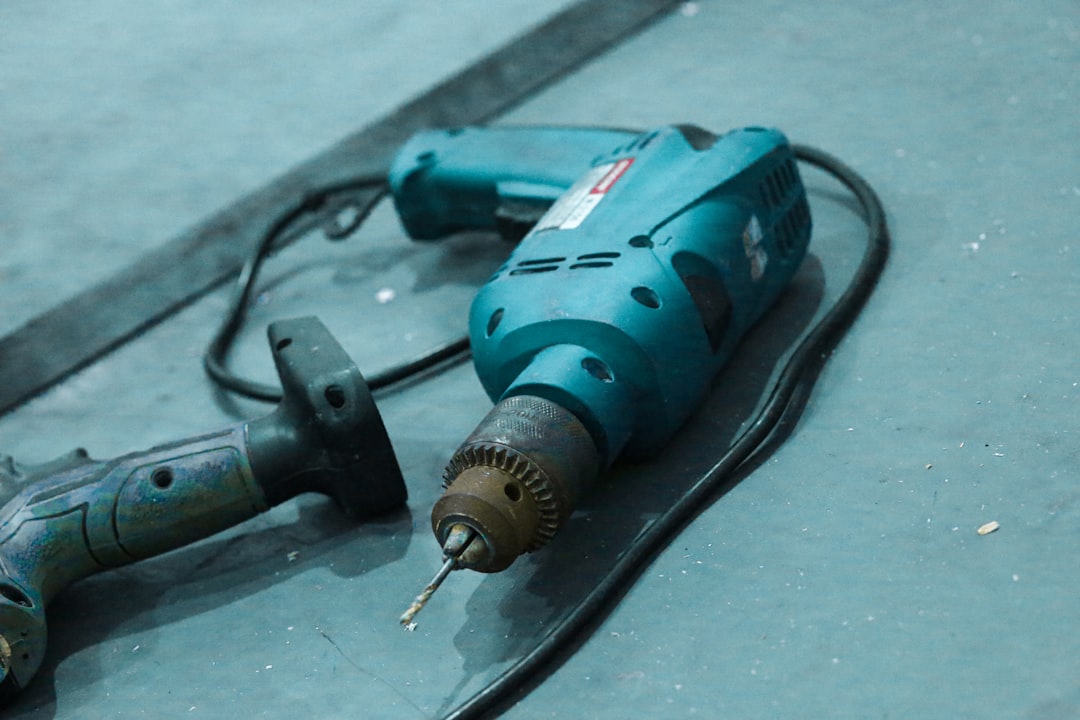
Plugging a 120V tool into a 220V outlet can lead to serious damage. The tool is not designed to handle that much power. The internal components can overheat, leading to permanent damage. Imagine spending a hefty sum on a quality drill, only to watch it burn out within seconds. Even if the tool doesn't fail immediately, its lifespan will be drastically shortened. Some tools may have built-in protections, but relying on those isn't wise. Would you drive your car faster than the speed limit just because it has airbags?
Safety Hazards
Safety should always be your top priority. Using a 120V tool on a 220V supply can be dangerous. The tool may spark or catch fire, putting you and others at risk. Consider this: you're working in your garage, and suddenly the tool starts smoking. Panic sets in as you scramble to unplug it. This scenario is more common than you might think. Also, the risk of electric shock increases significantly. Your safety gear might not be enough to protect you from a voltage surge. Is saving a few minutes worth putting yourself in harm's way? Remember, the right voltage is essential for both performance and safety. Always check the voltage requirements before plugging in your tools. Your tools—and more importantly, your safety—depend on it.
Technical Considerations
When it comes to using 120V power tools on a 220V supply, there are several technical considerations you should keep in mind to ensure safety and functionality. Whether you're a seasoned DIY enthusiast or just starting out, understanding these technical aspects can save you from potential mishaps. Let’s dive into the details.
Wiring And Connectors
Before plugging in your 120V power tool to a 220V outlet, inspect the wiring and connectors. Most devices designed for 120V have specific plug shapes that prevent them from fitting into a 220V socket. This is a safety feature to stop accidental misuse. However, if you're using an adapter, make sure it’s meant for this specific purpose.
Check the wiring setup in your workspace. If you live in an area where 220V is the standard, your outlets are likely wired to supply higher voltage. Consider hiring an electrician to ensure your wiring supports dual voltage use. This step is crucial to prevent electrical hazards.
Current And Power Ratings
Every power tool comes with a power rating, which indicates the amount of current it requires to operate efficiently. Running a 120V tool on a 220V supply can lead to overheating, possibly damaging the tool. You might think your tool can handle it, but exceeding the rated voltage can reduce its lifespan dramatically.
Imagine you’re in the middle of a project and your tool stops working because it got fried. That’s not just frustrating; it’s costly. To avoid this, always check the power ratings. Use a voltage converter or transformer if you need to adjust the power supply. This simple step can save your tool from an untimely end.
Have you ever thought about the actual cost of replacing a favorite tool? It’s not just about money; it’s about the time and effort to find a new one that matches your needs. So, take a moment to understand the technical specs before making any connection. This awareness will not only protect your tools but also enhance your project's success.
Using Transformers And Converters
Using transformers and converters can allow 120V power tools to function on a 220V supply. Transform voltage levels effectively to match the tool's requirements. Ensure compatibility to prevent damage and maintain safety standards. Proper use enhances tool longevity and performance.
When you find yourself with a 120V power tool and only a 220V power supply, don't worry—there are solutions. Transformers and converters can help bridge this voltage gap, ensuring your tools work safely and efficiently. This section will guide you through the basics of using these devices, making sure you understand how to power your tools without risking damage or safety.
Step-down Transformers
A step-down transformer is a handy device that converts higher voltage to a lower one. It's like a bridge between the 220V supply and your 120V tool. You plug the transformer into the 220V outlet, and it provides a 120V output. Choosing the right transformer requires a bit of attention. Look for one that matches or exceeds the wattage of your power tool. This prevents overloading and potential damage. When I first used a step-down transformer, I learned the importance of checking the tool’s wattage. I avoided a costly mistake by getting the right transformer, and my tool worked flawlessly. Have you ever tried using a transformer, and what was your experience?
Voltage Converters
Voltage converters are another option for using 120V tools with a 220V supply. They convert the voltage and usually come with additional features, like surge protection. This can safeguard your tools from electrical spikes. Consider the wattage and frequency compatibility when selecting a converter. Some tools may not function correctly if the frequency doesn't match. I once used a voltage converter while traveling. It kept my power tools running smoothly, proving its worth. Have you thought about using a converter for your tools on the go? Choosing between a transformer and a converter depends on your specific needs. Whether you’re working on a project at home or abroad, these devices ensure your tools are powered safely. What’s your preferred solution for voltage conversion, and why?
Alternatives To Consider
When faced with the dilemma of using 120V power tools at 220V, you might wonder about the alternatives available. Using the wrong voltage can damage your tools and create safety hazards. So, how can you tackle this challenge and keep your projects running smoothly? Let's explore some practical alternatives that can save you time, money, and headaches.
Dual Voltage Tools
Dual voltage tools are a smart choice if you frequently work in different voltage environments. These tools can operate on both 120V and 220V, adapting seamlessly to the power supply available. Imagine working on a project abroad without worrying about voltage compatibility. Some brands offer a range of dual voltage options, ensuring you have the flexibility you need. Investing in these tools can save you from the hassle of carrying multiple adapters or converters.
Tool Replacement Options
If your current tools aren't dual voltage, consider replacing them with newer models that are compatible. Many manufacturers now design tools specifically for global use, ensuring they can handle various voltage levels. You might find that upgrading offers additional benefits, such as improved performance or enhanced features. Reflect on how often you encounter voltage mismatches; if it's frequent, replacing your tools might be a wise long-term investment.
Have you ever found yourself stuck in the middle of an important task because of a voltage issue? It's frustrating, isn't it? Switching to dual voltage tools or upgrading your existing ones might just be the solution you need. Could these alternatives be the key to unlocking more efficient and hassle-free workdays for you?
Expert Tips
When you find yourself staring at a 220V outlet with a 120V power tool in hand, you may wonder if there's a way to make it work without risking damage or injury. This situation is more common than you might think, especially if you’ve traveled abroad or moved to a new country. Navigating the voltage differences can be tricky, but with some expert tips, you can handle it safely and effectively.
Professional Advice
Consulting with an electrician might seem like an unnecessary expense, but it could save you from costly mistakes. Experts can guide you on using a transformer or voltage converter, which steps down 220V to 120V. This simple device can prevent your power tools from frying.
Have you ever tried using a tool with the wrong voltage? You might have noticed a burning smell or even seen sparks. A professional can help you avoid these hazards by ensuring your equipment is compatible with the local power supply.
Safety Precautions
Safety should be your top priority when using power tools, especially in voltage mismatches. Always check the label on your tool to confirm its voltage requirements. If it reads 120V, using it directly in a 220V outlet is a recipe for disaster.
Invest in a good quality voltage converter. Cheap alternatives can malfunction, leading to potential electrical hazards. Think about it: would you risk your safety and that of those around you just to save a few bucks?
Remember to unplug your tools when not in use. This simple habit can prevent accidental power surges. Have you ever left a tool plugged in only to find it overheated or damaged? Unplugging eliminates that risk.
In the world of DIY, a little caution can go a long way. Consider these expert tips the next time you face a voltage dilemma, and you’ll be ready to tackle any project safely and efficiently.
Frequently Asked Questions
Can 120v Tools Run On 220v Safely?
No, 120V tools should not be used with 220V power sources. The voltage difference can cause damage to the tool's motor. It may lead to overheating and potential safety hazards. Always check the tool's voltage rating before connecting it to a power source.
What Happens If You Use 120v On 220v?
Using 120V tools on 220V can cause serious damage. The tool might overheat and become inoperable. It can also pose safety risks like electrical fires. It's crucial to match voltage ratings to ensure safe operation.
Are Adapters Available For 120v To 220v?
Yes, adapters exist but they don't change voltage levels. You need a transformer to safely convert 120V to 220V. Always ensure compatibility between your tool and power source to avoid damage.
How Can You Convert 120v Tools To 220v?
To convert 120V tools to 220V, use a step-up transformer. This device safely adjusts voltage levels. Ensure the transformer is compatible with your tool's wattage to avoid damage.
Conclusion
Using 120V tools at 220V can be risky. Always check voltage compatibility. Using the wrong voltage might damage tools. It could also create safety hazards. An appropriate voltage converter can help. This protects your tools and ensures safety. Remember, using the correct voltage is crucial.
It extends tool life and prevents accidents. Always read the manufacturer's instructions. They offer valuable guidance for safe tool use. So, be cautious. Choose the right voltage for your power tools. Safety first, always.