Imagine you're in the middle of a project, surrounded by the hum of power tools. You reach for an outlet, but there's none to spare.
You spot a power strip and wonder, "Can you use a power strip with power tools? " It's a common dilemma that can disrupt your workflow and leave you questioning safety and efficiency. You're not alone in this puzzle. Many DIY enthusiasts and professionals face the same challenge.
Could a simple solution like a power strip be the answer? Before you plug in, it's crucial to understand the risks and benefits. Dive into this article, and you'll discover everything you need to know to make informed decisions, protect your tools, and keep your projects running smoothly. Your curiosity will lead you to insights that could transform the way you work.
Power Tools And Electricity
Power tools are the backbone of any DIY project or professional work. Their efficiency and reliability largely depend on a steady electricity supply. But when you're in the midst of a project, you might wonder if connecting your power tools to a power strip is a good idea. How can you ensure your tools get the right amount of power without risking safety or performance?
Understanding Power Tool Requirements
Every power tool has specific electrical requirements. These requirements ensure the tool operates effectively and safely. Look at the voltage and amperage ratings on your tool's label. This information helps you understand what kind of power source you need.
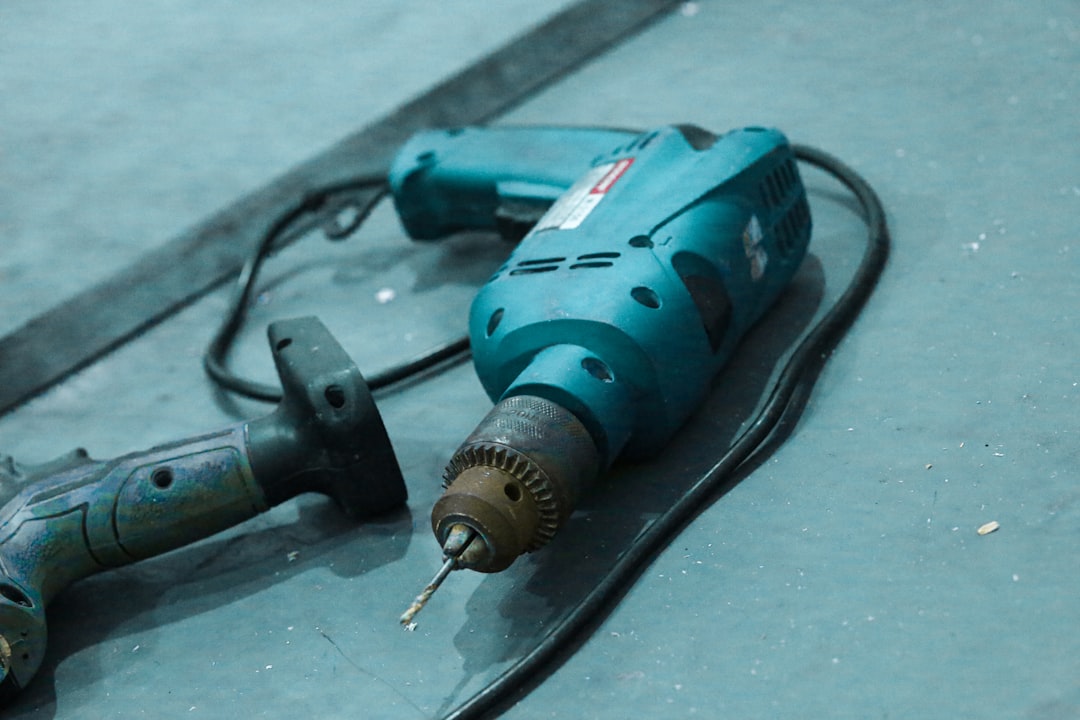
Consider an electric drill. If it requires 120 volts and 6 amps, using a power strip that can handle this load is crucial. Otherwise, you risk overloading the strip, which can lead to tripped circuits or even hazards like fire.
Common Power Sources For Tools
Power tools can be plugged directly into a wall outlet, used with extension cords, or connected to power strips. Each option has its pros and cons. Wall outlets generally provide the most stable power supply. They are your best bet for heavy-duty tools.
Extension cords offer flexibility, letting you move around your workspace. However, ensure the cord matches the tool's requirements to avoid power loss. A too-long or thin cord can reduce voltage, affecting tool performance.
Power strips are convenient when outlets are limited. But not all power strips are created equal. Choose one that can handle the wattage of your tools. A quality power strip with surge protection can safeguard your tools from electrical spikes.
Have you ever been in the middle of a project and suddenly, your tool stops working? It's frustrating. This could be due to improper power supply. Ensuring you use the right power source can save you time and stress.
So, how do you decide which power source is best for your tools? Consider your tool's requirements and your work environment. Are you using multiple tools at once? Is your work area prone to power fluctuations? These questions can guide your decision.
Remember, your tools are an investment. Providing them with the right power ensures they last longer and perform better. Before plugging into that power strip, ask yourself: is this the best choice for my tool's needs?
Power Strips Basics
Power strips are common in homes and workshops. They offer extra outlets for various devices. Using them correctly is essential for safety and efficiency. Understanding their basics can help make informed decisions when using power tools.
Types Of Power Strips
Power strips come in several types. Basic strips offer multiple outlets without additional features. Surge protector strips guard against voltage spikes. They are ideal for sensitive electronics. Heavy-duty strips handle high wattage tools. They are perfect for power tools.
Features And Specifications
Power strips vary in features. Some have USB ports for charging devices. Others include individual switches for each outlet. Look for strips with built-in circuit breakers. These protect against overloads. Check the cord length for convenience. Longer cords reach distant outlets easily.
Safety Concerns
Using a power strip with power tools raises important safety concerns. Power tools demand significant electricity, which can overload a power strip. This overload risks causing electrical fires or damaging equipment. Always prioritize safety by using dedicated circuits for power tools.
When it comes to using power strips with power tools, safety concerns should be at the forefront of your mind. Power tools demand a lot of energy, and the convenience of plugging them into a power strip can sometimes lead to unintended risks. It’s crucial to understand these risks to ensure a safe working environment.
Overloading Risks
Power tools often require a substantial amount of electricity to operate efficiently. Plugging multiple tools into a single power strip can overload it. This overload can lead to the power strip being unable to handle the electrical current, causing it to overheat. Have you ever noticed the power strip feeling warm to the touch? That's a sign it might be overloaded. Instead of relying on a single strip, consider using multiple outlets or a more robust power solution to distribute the load evenly. This simple step can prevent potential damage to your tools and reduce risks to your safety.
Fire Hazards
With the risk of overloading comes the possibility of fire hazards. An overheated power strip can ignite, especially if it's surrounded by combustible materials. This is a serious risk in workshops where flammable materials are often present. You might recall hearing about incidents where workshops caught fire due to overloaded power strips. This is a reminder that the convenience of a power strip should never compromise your safety. Always check the wattage rating of your power tools and ensure your power strip is capable of handling it. As a practical step, never daisy-chain power strips together. This can significantly increase fire risks. Instead, explore dedicated circuits or heavy-duty extension cords specifically designed for power tools. By being aware of these risks and taking proactive measures, you can ensure a safer environment for both you and your tools. What steps will you take today to enhance your safety practices?
Benefits Of Using Power Strips
Power strips offer numerous advantages, especially in a workshop setting. They serve as essential tools for those using power tools regularly. Their key features enhance safety and functionality. These benefits make tasks more efficient and help avoid potential hazards. Explore the convenience and protection power strips provide.
Convenience And Accessibility
Power strips create a central hub for your tools. You can plug multiple devices into one strip. This reduces clutter and keeps your workspace organized. You won’t need to search for available outlets. Everything is within reach, making the workflow smoother. It saves time and allows quick tool changes. This setup enhances your productivity significantly.
Surge Protection Features
Power strips often come with surge protection. This feature safeguards your tools from electrical surges. It prevents damage caused by unexpected spikes in voltage. Surge protection adds an extra layer of safety. It ensures the longevity of your expensive equipment. Knowing your tools are protected offers peace of mind. This feature is crucial in areas with unstable power supply.
Guidelines For Safe Use
Using power tools with a power strip requires careful attention. Safety is key to prevent accidents and equipment damage. Understanding guidelines for safe use ensures peace of mind. Follow these steps to safely operate power tools with a power strip.
Choosing The Right Power Strip
Select a power strip designed for high power devices. Look for models with surge protection features. This guards against unexpected power spikes. Ensure the power strip has a high enough amp rating. The rating should match or exceed the power tool's needs. Check for safety certifications like UL or ETL. These certifications indicate reliable safety standards.
Proper Load Management
Avoid overloading the power strip. Connect only one power tool at a time. Multiple tools can strain the power strip. This can lead to overheating or tripping the circuit. Calculate the total wattage of all devices connected. The total should not exceed the power strip’s capacity. Consider using power strips with built-in circuit breakers. They cut off power in case of overloads.
Alternatives To Power Strips
Power tools are essential for any DIY enthusiast or professional, but connecting them safely to an electrical source is crucial. While power strips are common, they may not always be the best choice for power tools. Let's explore some alternatives that offer better reliability and safety for your projects.
Dedicated Circuits
Imagine having a dedicated electrical circuit just for your power tools. This setup ensures that your tools receive a consistent flow of electricity without interruptions from other devices. It's like having a VIP lane on a busy highway. When you use a dedicated circuit, you minimize the risk of overloading your electrical system, which can lead to accidents or damage.
If you're serious about your workshop setup, consider investing in dedicated circuits. Consult with an electrician to assess your needs and install these circuits safely. It's a game changer for anyone who frequently uses high-power tools.
Extension Cords
Extension cords are another practical alternative to power strips, offering flexibility and mobility. But not all extension cords are created equal. Choose one with the correct gauge and length to handle your power tool's requirements without overheating.
Think about your workspace layout. Do you often move around while working? A high-quality extension cord can follow you, ensuring your tools are always powered. Remember, safety first—check cords regularly for wear and tear, and replace them when necessary.
Have you considered these alternatives? They might just be the solution you need for a more efficient and safe workshop. What other practices have you found effective in managing your power tool connections?
Expert Recommendations
Using a power strip with power tools can be risky. Power strips may not handle the high current. Experts advise using a dedicated circuit instead. This prevents overheating and potential hazards. Always prioritize safety when operating power tools.
When it comes to using power strips with power tools, expert recommendations can shed light on safe and effective practices. Whether you're a DIY enthusiast or a professional contractor, understanding these guidelines can prevent accidents and extend the life of your tools. Let's explore what industry standards and professional advice say about this common concern.
Industry Standards
Industry standards offer a foundation for safe practices. Power strips are generally designed for low-power devices like lamps and chargers. Power tools, on the other hand, demand higher energy. Standards suggest using outlets with built-in circuit breakers for high-demand tools. Do you know why? It’s because they provide an extra layer of protection against overloads. Consider a time when you plugged a power tool into a regular power strip. Did the strip feel warm or even hot? That’s a warning sign of overload. Always look for power strips labeled for heavy-duty use if you must use them.
Professional Advice
Professionals often stress the importance of understanding power ratings. They recommend checking both the power strip and tool specifications. This ensures compatibility and prevents electrical hazards. Have you ever noticed a power tool performing below its capacity? It could be due to insufficient power supply. Experts suggest using dedicated outlets whenever possible. It's also wise to think about the tool's environment. In a busy workshop, tripping hazards can occur if cords are improperly managed. Some professionals advise using retractable cords or mounted power strips to keep spaces tidy. Remember, proper electrical setup isn’t just about convenience. It's about safety and efficiency. Have you consulted an electrician about your workshop setup? Their advice can be invaluable. By following these expert recommendations, you can make informed decisions about using power strips with power tools. What steps will you take to ensure safety in your workspace?
Frequently Asked Questions
Can A Power Strip Handle Power Tool Load?
Using a power strip with power tools is generally not recommended. Power tools often require a significant amount of electricity, which can overload a power strip. Always check the power strip's capacity and ensure it matches your tool's requirements to prevent damage or hazards.
Are Power Strips Safe For Power Tools?
Power strips are not designed for high-demand devices like power tools. They may overheat or cause electrical issues when overloaded. It's safer to plug power tools directly into a wall outlet or use a heavy-duty extension cord rated for the tool's electrical demand.
What Risks Exist Using Power Strips With Tools?
Using power strips with power tools can lead to overheating, electrical faults, or even fires. Power strips aren't built for high power loads. Always use appropriate connections to ensure safety and equipment longevity.
Can A Surge Protector Power Tools Safely?
Surge protectors are designed to safeguard electronics from voltage spikes, not handle heavy loads from power tools. They may not provide enough power, leading to potential damage or malfunction. Direct wall outlet connections are recommended for power tool usage.
Conclusion
Power strips offer convenience but aren't ideal for power tools. High-energy tools demand direct wall outlets. This ensures safety and efficiency. Overloading a power strip can cause circuit issues. Tools need stable power flow. This helps avoid damage. Proper tool care extends their lifespan.
Always check electrical ratings. This keeps your workspace safe. Power tools need reliable sources. Avoid shortcuts with electricity. Your safety matters most. Use tools wisely. Choose the right power solution. Protect your equipment and yourself. A little caution goes a long way.
Stay safe, work smart.