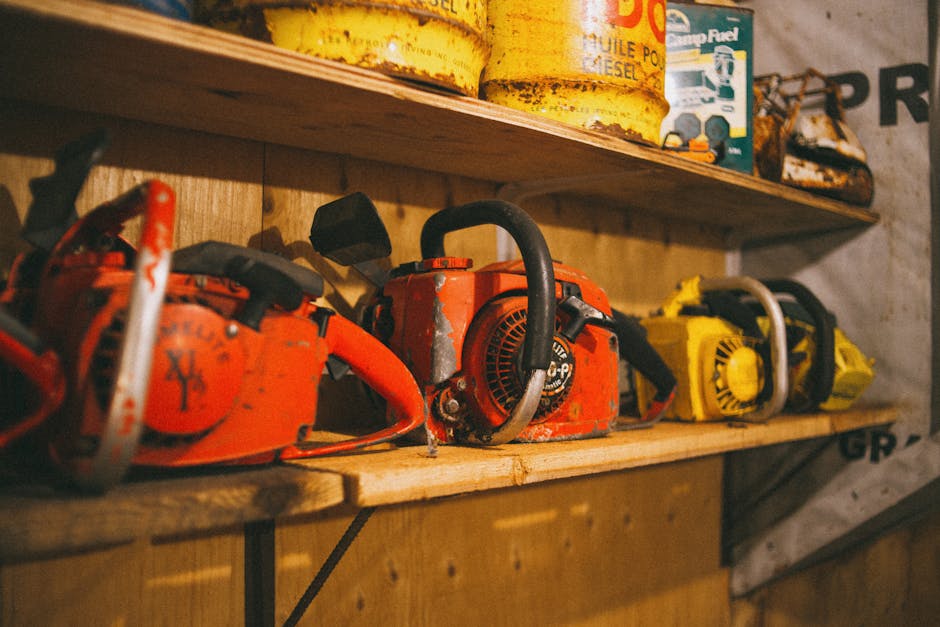
Imagine setting up your dream woodworking station. The smell of fresh wood, the hum of your favorite tools, and the satisfaction of creating something with your own hands.
But there's one problem: limited power outlets. You’re not alone. Many woodworking enthusiasts face this challenge. The question arises: can you use a power strip with your woodworking tools? Before you plug in, it's crucial to know the impact on your tools and safety.
This seemingly simple decision can affect your project's success and your workshop's safety. You want to ensure that your tools perform at their best without risking electrical issues or fire hazards. We’ll explore the ins and outs of using power strips with woodworking tools. You'll learn about potential risks, practical tips, and how to make the best choice for your workshop. Ready to power up your woodworking game safely and effectively? Let’s dive in!
Importance Of Power Management
Managing power effectively in your woodworking space is crucial. It ensures your tools operate efficiently and safely. Poor power management can lead to potential hazards, decreased productivity, and frustrating interruptions.
Picture this: you're deeply engrossed in crafting a beautiful wooden table. Just as you're about to make the perfect cut, your saw stops dead in its tracks. It's a scenario any woodworking enthusiast dreads. This is where power management comes into play. Efficient power management not only keeps your tools running smoothly but also prevents unexpected downtime.
Think about the electrical load each tool requires. Overloading a circuit is a common mistake that can damage your equipment. By strategically managing power, you extend the lifespan of your tools and maintain consistent performance.
Ensuring Safety With Power Strips
Using a power strip with woodworking tools offers convenience but demands caution. Not all power strips are designed to handle heavy-duty equipment. Ensure the power strip is rated for the wattage your tools require. This simple check can prevent electrical mishaps.
Additionally, avoid daisy-chaining power strips. This practice can easily overload circuits, posing a fire hazard. Opt for a single, high-quality strip that can accommodate multiple tools safely.
Boosting Productivity With Optimal Power Setup
Efficient power management translates directly into enhanced productivity. Consider organizing your workspace with dedicated power zones. Each zone can cater to specific tool needs, reducing time spent switching outlets and increasing workflow efficiency.
A well-planned power setup allows seamless operation. You can focus more on creating, less on dealing with technical hiccups. Imagine the satisfaction of completing a project without the annoyance of power interruptions.
Practical Tips For Power Management
Assess your tool requirements. Create a list of tools, noting their power needs. This helps in selecting the right power strip and circuit configuration.
- Check the amperage ratings of your tools and match them with appropriate outlets.
- Invest in surge protectors to safeguard against power spikes.
- Regularly inspect your power strips and outlets for signs of wear or damage.
Start small, make incremental adjustments. You’ll notice the benefits in no time.
Thought Provoking Question
Have you ever paused to consider how power management could transform your woodworking experience? Imagine the possibilities with just a few tweaks to your setup. Could better power management be the missing link in your pursuit of craftsmanship excellence?
Understanding Power Strips
Power strips are essential in many workshops. They provide multiple outlets for your tools. Using them correctly ensures safety and efficiency. It’s crucial to understand how they work and their limitations.
Basic Features
Power strips offer several outlets in one device. They help manage multiple tools. Most strips include a switch for easy control. Some have surge protection to guard against electrical spikes. They come in various lengths and designs. Choose one that fits your workspace needs.
Limitations
Power strips have their limits. They are not meant for high-power tools. Overloading can cause overheating or fires. Always check the strip's wattage limit. Use only for light-duty tools. Avoid daisy-chaining multiple power strips. This increases risk and decreases safety.
Types Of Woodworking Tools
Using a power strip with woodworking tools can enhance convenience. Ensure the power strip can handle the tool's wattage. This prevents overheating and potential hazards during use.
When diving into the world of woodworking, you’ll encounter a variety of tools that can transform simple pieces of wood into stunning creations. Each tool serves a unique purpose, whether you’re building a delicate birdhouse or a robust dining table. Understanding these tools and their power requirements is essential, especially if you’re considering using a power strip to manage your workshop's electrical needs.
Common Tools
In any woodworking shop, some tools are considered staples. Drills, for instance, are essential for creating precise holes and driving screws. A circular saw is another common tool used for cutting large pieces of wood into more manageable sizes. Then there's the jigsaw, which provides versatility for making curved cuts and intricate designs. Sanders come in handy for smoothing surfaces, while routers are perfect for hollowing out wood or creating decorative edges. Each of these tools requires a specific amount of power to operate efficiently, so understanding their power needs is crucial.
Power Requirements
Every woodworking tool has specific power requirements that you should be aware of. Most tools will list their power needs in amps or watts, which can help you determine if they can safely be plugged into a standard power strip. For example, a power-hungry tool like a table saw might require a dedicated circuit due to its high amperage, while smaller tools like a drill or a sander typically have lower power demands. When I first set up my woodworking shop, I learned the hard way the importance of checking these requirements. Plugging a high-powered tool into a regular power strip can trip breakers or even cause damage to the tool. Have you ever considered the total power load your tools might draw? It's essential to calculate the combined power usage to avoid overloading your electrical circuit. This proactive approach ensures that your tools run smoothly and safely, preventing interruptions to your creative projects. Using a power strip can be convenient, but it's critical to ensure it can handle the power draw of your tools. Always check the power strip’s capacity before plugging in multiple tools to keep your woodworking ventures safe and efficient.
Power Strip Safety Considerations
Using a power strip with woodworking tools needs attention to safety. Power strips can overload if not used correctly. This can lead to serious risks. Understanding safety considerations is vital.
Load Capacity
Check the load capacity of your power strip. Woodworking tools often need more power. Ensure the strip can handle the total load. This prevents overheating and potential fires.
Grounding And Surge Protection
Grounding is crucial for safety. It prevents electric shocks. Ensure your power strip is grounded properly. Surge protection is another important feature. It shields your tools from electrical spikes. This extends the lifespan of your equipment.
Risks Of Using Power Strips
Power strips often cannot handle the high power of woodworking tools. Overloading can cause overheating and pose fire risks. Always check the power capacity of your strip before use.
When working with woodworking tools, the convenience of power strips might tempt you. However, using them improperly can pose serious risks. Understanding these risks is crucial to ensuring safety in your workshop. Let’s delve into some potential dangers you might face.
Overloading
Power strips have a limit on how much power they can handle. Plugging too many high-powered tools into one strip can overload it, leading to malfunction. Imagine trying to run a table saw and a dust extractor from a single strip. You might find the strip overheating, or worse, shutting down in the middle of a project. Always check the power strip’s capacity and compare it with the tools you plan to connect. It’s tempting to use just one outlet for multiple devices, but safety should always be your top priority. Would you risk your tools and safety for convenience?
Fire Hazards
Overloading isn't the only danger. Using power strips with woodworking tools can also create fire hazards. When a strip is pushed beyond its limit, it can heat up, potentially sparking a fire. You might not notice it immediately, but that faint smell of burning plastic could be a warning sign. Think of your workshop's safety. Have you ever considered how quickly sawdust and wood shavings can ignite? Keeping a fire extinguisher nearby is wise, but preventing fires in the first place is even better. Ensure your power strips are in good condition and never daisy-chain them. By understanding these risks, you take a step towards a safer woodworking environment. Your tools are an investment, but your safety is invaluable. How will you adjust your practices to ensure both?
Safe Practices
Using a power strip with woodworking tools can be risky. Overloading might cause electrical hazards or damage your equipment. Ensure the strip's capacity matches your tool's requirements for safe operation.
When working with woodworking tools, using a power strip can be a convenient solution to manage multiple devices. However, safe practices are essential to avoid accidents and ensure your tools work effectively. Let's explore some key practices that can help you use power strips safely in your woodworking projects.
Proper Load Management
It's crucial to understand the power requirements of your tools. Each tool has a specific wattage or amperage rating. Make sure the combined load of all plugged-in devices does not exceed the power strip's rating. Have you ever noticed how your power strip heats up during heavy use? That's a sign it's overworked. Use a power strip with a built-in circuit breaker for added safety. Consider the sequence in which you use your tools. Avoid running multiple high-demand tools simultaneously. This not only prevents overload but also prolongs the lifespan of your devices.
Regular Inspection And Maintenance
Regular inspection can catch potential problems before they become serious. Check your power strip for any signs of wear or damage. Look for frayed cords, cracked casing, or loose connections. A simple checklist can help you stay organized. Regularly unplug and clean your power strip to prevent dust buildup, which can lead to overheating. Think about the last time you checked your power strip. If it’s been a while, now is a great time to create a maintenance schedule. Regular attention ensures your setup remains safe and reliable. By focusing on these safe practices, you can confidently use a power strip with your woodworking tools. What steps will you take today to ensure your workspace is safe?
Alternatives To Power Strips
Using a power strip with woodworking tools can be risky. Power strips aren't designed for heavy-duty equipment. They can overheat and cause safety issues. It's crucial to explore safer alternatives. These options provide more reliable power delivery for your tools.
Dedicated Circuits
A dedicated circuit offers a tailored power solution for your workshop. This circuit handles the specific needs of your woodworking tools. It ensures consistent power without risk of overload. Dedicated circuits prevent power drops that can harm sensitive equipment. They require professional installation but offer peace of mind.
Advanced Power Solutions
Advanced power solutions include surge protectors and power distribution units. Surge protectors shield your tools from voltage spikes. They help extend the life of your equipment. Power distribution units provide outlets specifically for high-powered tools. These units manage power flow efficiently, reducing the risk of overheating. Investing in these solutions enhances safety and performance in your workshop.
Expert Tips
Using power strips with woodworking tools requires careful consideration. Ensure the power strip can handle the tool's voltage and current. Overloading can cause damage or safety hazards, so always check specifications.
When working with woodworking tools, safety and efficiency are critical. Using a power strip can sometimes be a practical solution to manage multiple tools, but it's essential to do it right. Here are some expert tips to help you make the best decisions for your workshop setup.
Professional Advice
Many seasoned woodworkers recommend using a high-quality power strip with a built-in surge protector. This helps shield your tools from sudden power spikes. It's also wise to choose a power strip with a long cord, so you have flexibility in tool placement without needing extension cords, which can clutter your workspace. Consider the power rating of your tools. Not all power strips can handle heavy-duty equipment. Check the amperage rating on both the strip and your tools to avoid overloading, which can lead to overheating or even fires. A friend of mine once ignored this and had to replace a damaged tool after a minor electrical mishap. Learning from others' experiences can save you from costly mistakes.
Common Mistakes To Avoid
One common mistake is plugging too many high-demand tools into a single power strip. This can cause the strip to trip, halting your work unexpectedly. Spread your tools across multiple outlets or circuits to balance the load. Another error is neglecting regular inspections of your power strip. Look for signs of wear, such as frayed wires or loose connections. A neglected power strip can become a fire hazard. I once found a scorched spot on my workbench where a faulty power strip had overheated. Simple checks can prevent serious incidents. Some woodworkers also forget to check the strip's placement. Avoid placing it on the floor where it can gather dust or get wet, which can cause short circuits. Elevate the strip and keep it away from sawdust accumulation. This small adjustment can enhance safety significantly. Consider these tips as you manage your workshop's power needs. Have you ever experienced a power issue in your workspace? Share your thoughts and learnings in the comments below.
Frequently Asked Questions
Can Power Strips Handle Woodworking Tools?
Yes, power strips can handle woodworking tools if they are rated for the required amperage. Ensure the strip's capacity matches the tool's power needs to prevent overloads. Use heavy-duty strips with surge protection for added safety. Always check the strip's specifications before connecting your tools.
Are Power Strips Safe For Workshops?
Power strips are generally safe for workshops if used correctly. Choose strips with surge protection and proper amperage ratings. Avoid daisy-chaining multiple strips, and inspect them regularly for damage. Ensure your power strip is positioned away from potential hazards like dust and moisture.
What Type Of Power Strip Is Best?
The best power strip for woodworking tools is a heavy-duty model with surge protection. Look for strips with high amperage ratings to accommodate your tools. Ensure it has enough outlets to meet your needs and features like a resettable circuit breaker for added safety.
Can A Power Strip Prevent Tool Damage?
A power strip with surge protection can help prevent tool damage from electrical surges. It safeguards your tools from voltage spikes, which can harm sensitive electronics. Regularly check the power strip's condition to ensure it's functioning properly and providing adequate protection.
Conclusion
Using a power strip with woodworking tools requires caution. Always check the power capacity first. Overloading can cause safety risks or damage. Use tools that match the strip's capacity. Choose a strip with surge protection for extra safety. Regularly inspect cords and plugs for wear.
Keep your workspace organized to prevent tripping hazards. Proper usage ensures efficient work and safety. Consider consulting an expert if unsure. A little extra care can go a long way in protecting both tools and yourself. Stay safe and enjoy your woodworking projects!