When you're expecting, you're probably filled with questions about what's safe and what's not. You might be wondering if you can continue your DIY projects or home renovations.
Can you use power tools while pregnant? This question might be buzzing around your mind, especially if you love tackling tasks around the house. Understanding what's safe for you and your baby is crucial, and that's exactly what this article aims to explore.
By the end, you'll have a clearer picture of how to handle your projects with confidence and care. So, let’s get straight into it and ease your concerns. Your peace of mind is just a few scrolls away.
Risks Of Power Tool Use During Pregnancy
Using power tools during pregnancy involves some risks. Exposure to loud noise and vibrations might affect the developing fetus. Always consult a healthcare professional for personalized advice.
Pregnancy is a time when you naturally become more cautious about your health and the safety of your unborn child. Using power tools while pregnant might not be the first thing you worry about, but understanding the risks involved is crucial. Whether you're an avid DIY enthusiast or simply tackling some home repairs, it's important to consider how these tools might impact your well-being during pregnancy.
Physical Strain And Fatigue
Power tools can be heavy and require physical exertion. Pregnancy already places significant strain on your body. Adding the weight and force needed for power tools might lead to increased fatigue or even injury. Your balance may be affected as your body changes, making it more challenging to handle tools safely.
Exposure To Noise
Power tools are notoriously loud, and prolonged exposure can be harmful. Excessive noise can elevate stress levels and potentially affect your baby's hearing development. Consider using hearing protection and limiting your exposure to loud tools.
Vibration And Its Effects
Many power tools create strong vibrations. These vibrations can be uncomfortable and might pose risks to your pregnancy. It's worth thinking about whether these tools could affect your circulation or lead to other complications.
Chemical Exposure
Some power tools, like sanders or saws, can release dust and fumes. These particles can be harmful if inhaled, especially during pregnancy. Using a mask and ensuring proper ventilation is crucial when working with these tools.
Safety Precautions To Consider
If you decide to use power tools while pregnant, take extra safety measures. Wear protective gear, such as gloves and goggles, to minimize risk. Always ensure your work area is well-lit and free from tripping hazards. Are there tasks you can delegate or delay? Prioritizing your health is key during this time.
Common Power Tools And Their Hazards
Pregnancy is a time when you become extra cautious about your activities, including those involving power tools. While these tools can make tasks more efficient, they also come with hazards that may pose risks to you and your baby. Understanding these common tools and the dangers they present is crucial for ensuring safety during this critical period.
Drills And Saws
Drills and saws are popular tools for home projects, yet they can be hazardous. The vibration from these tools might be concerning during pregnancy. Even brief exposure can lead to discomfort or fatigue.
Consider the noise level, too. Loud sounds can be stressful and potentially harmful if you're exposed for long periods. It's wise to limit use and ensure you have adequate hearing protection.
Sanders And Grinders
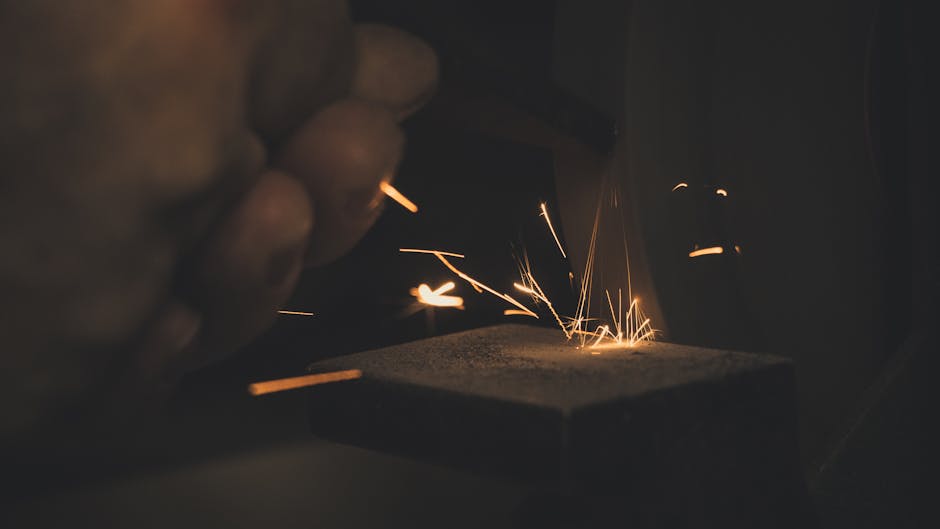
Sanders and grinders produce fine dust particles that can be harmful if inhaled. When pregnant, your respiratory system is already under extra strain. Dust masks are essential if you choose to use these tools.
Moreover, these tools often lead to prolonged standing, which can be exhausting. Make sure to take frequent breaks and stay hydrated to mitigate any physical strain.
Nail Guns And Compressors
Nail guns and compressors are efficient but can be unpredictable. The sudden noise and recoil can be jarring, possibly leading to stress or physical strain. Always use these tools with caution and proper safety gear.
Air compressors may also leak oil or emit fumes. Ensure good ventilation in your workspace to reduce exposure to potentially harmful substances. Keeping your environment safe is paramount.
Thinking about your safety and comfort is more important than finishing a project quickly. Could there be alternative ways to accomplish tasks without compromising your well-being? Your health and your baby's development are worth the extra consideration. Prioritize safety above all else and make informed choices about using power tools during pregnancy.
Noise Exposure Concerns
Pregnancy raises concerns about noise exposure when using power tools. High noise levels may affect unborn babies. It's crucial for expecting mothers to limit exposure to loud environments.
Noise exposure is a significant concern for expecting mothers, especially when using power tools. The loud sounds generated by these tools can be startling and potentially harmful. It's crucial to understand how noise levels might affect your pregnancy and what steps you can take to minimize any risks.
Understanding Noise Levels
Not all power tools are created equal when it comes to noise. A handheld drill might be quieter than a chainsaw, but both can exceed safe decibel levels. Experts recommend keeping noise exposure below 85 decibels to avoid possible harm to your unborn child.
Potential Risks For The Unborn Child
Prolonged exposure to loud noise may increase stress levels, which is not ideal during pregnancy. Stress can lead to high blood pressure and other complications. It's worth considering whether using power tools is necessary or if there are quieter alternatives.
Personal Experience: Balancing Diy Projects And Pregnancy
During my second trimester, I was eager to finish a DIY nursery project. The noise from the power saw was concerning. I decided to use manual tools instead, which were quieter and made the experience more enjoyable.
Practical Tips To Minimize Noise Exposure
- Use Ear Protection: Invest in high-quality earplugs or earmuffs to reduce noise impact. - Limit Exposure Time: Take frequent breaks to avoid prolonged exposure to loud sounds. - Choose Quieter Tools: Opt for newer models designed with noise reduction features. - Work in Open Spaces: Noise dissipates more quickly in larger, open areas compared to enclosed spaces.
Seeking Professional Advice
If you're unsure about the safety of a tool or project, consult a healthcare provider. They can offer personalized guidance based on your specific circumstances. It's always better to be cautious when it comes to your health and the well-being of your baby. How do you balance your DIY passion with the safety concerns of pregnancy? What other steps might you take to ensure a safe and enjoyable experience? Your journey might inspire others navigating similar challenges.
Vibration Impact On Pregnancy
Pregnant women should be cautious with power tools. Vibrations from tools might impact fetal development. Always consult a healthcare professional before using such equipment.
During pregnancy, many women wonder about the safety of engaging in various activities, including using power tools. One of the primary concerns is the vibration impact on pregnancy. Understanding how vibrations might affect both you and your unborn child is crucial for making informed decisions about tool usage during this special time.
What Are Vibrations And How Do They Affect The Body?
Vibrations are rapid movements back and forth that can be felt when using power tools. These vibrations can travel through your body, potentially causing discomfort or fatigue. During pregnancy, your body is undergoing numerous changes and might be more sensitive to these movements.
Potential Risks Of Vibration During Pregnancy
Prolonged exposure to strong vibrations might pose risks to pregnant women. Some studies suggest that intense vibrations could lead to increased stress on the body. While the evidence is not conclusive, it's wise to be cautious and limit exposure to intense vibrations whenever possible.
Tools And Equipment With High Vibration Levels
Certain power tools are known for producing high levels of vibration. Tools like jackhammers, chainsaws, and some types of drills are among those. Knowing which tools to be wary of helps you plan your activities better during pregnancy.
Practical Tips For Reducing Vibration Exposure
Consider using tools with built-in vibration reduction features. Opt for lighter tools that require less exertion. Taking regular breaks can also minimize your exposure to vibrations, allowing your body to rest and recover.
Personal Experiences With Power Tools During Pregnancy
Many women have successfully managed using power tools while pregnant by taking precautions. One mother-to-be shared that she switched to using a cordless screwdriver instead of a traditional drill to reduce vibration exposure. Her experience highlights the importance of making small adjustments for safety.
Consulting With Your Healthcare Provider
If you're concerned about using power tools during pregnancy, it's always a good idea to talk to your healthcare provider. They can provide personalized advice based on your specific situation. Your peace of mind and health should always come first. Are there other activities you find yourself questioning during pregnancy? It’s essential to approach each with caution and care. Remember, you’re not alone—seek guidance and share experiences to navigate this journey safely.
Chemical Exposure From Tools
Expecting mothers often wonder about the safety of power tools. Chemical exposure is a significant concern. Power tools sometimes release harmful chemicals. Pregnant women need to be cautious. Understanding the risks can help make informed choices. Let's explore two common chemical concerns.
Paints And Solvents
Paints and solvents can contain harmful chemicals. Volatile Organic Compounds (VOCs) are common. Pregnant women should avoid breathing in these fumes. Some paints are labeled low-VOC. Check labels carefully before use. Use tools in well-ventilated areas. Wear protective gear like masks and gloves. This reduces the risk of inhaling harmful substances.
Dust And Particulates
Using power tools often creates dust. Woodworking tools, for example, generate sawdust. Breathing in dust is not safe. Dust can irritate the lungs. Pregnant women should wear masks to filter dust. Use vacuums or dust collectors with tools. Keep workspaces clean and free from debris. This minimizes the amount of dust in the air.
Essential Safety Tips
Being pregnant doesn't mean you have to completely pause your DIY projects, but it does call for some extra care when using power tools. Ensuring your safety and the baby’s wellbeing is paramount. Adhering to essential safety tips can make your work experience both safe and enjoyable. So what measures should you take to protect yourself and your unborn child?
Proper Protective Gear
Wearing the right protective gear is crucial. A sturdy pair of gloves can protect your hands from vibrations and potential cuts. A dust mask will keep harmful particles at bay, ensuring clean air intake. Safety goggles are a must to shield your eyes from flying debris. If noise levels are high, use ear protection to avoid stress and discomfort. Imagine a scenario where something flies unexpectedly; your gear will be your first line of defense.
Safe Work Environment
Setting up a safe workspace is essential. Ensure your area is well-ventilated to prevent inhaling fumes or dust. Keep the floor clear of tripping hazards like cords and loose materials. Good lighting will help you see clearly, reducing mistakes. Consider organizing your tools neatly to avoid reaching awkwardly, which might strain your body. How does your workspace measure up against these standards?
Regular Breaks And Hydration
Your body is working overtime during pregnancy, so regular breaks are crucial. Short, frequent rests can prevent fatigue and help maintain focus. Drink plenty of water to stay hydrated, especially in warm environments. Staying hydrated can also fend off headaches and dizziness. Balancing work with rest ensures you don't overexert yourself, keeping both you and your baby safe. Are you listening to your body's signals?
Consulting Healthcare Providers
Pregnancy is a unique journey, filled with excitement and questions about what activities are safe. If you're wondering whether using power tools during pregnancy is advisable, consulting healthcare providers should be your first step. Healthcare professionals can offer personalized advice based on your medical history and pregnancy progress.
Understanding Medical Advice
Healthcare providers understand the intricacies of pregnancy and can offer guidance tailored to your situation. They consider factors such as your overall health, the stage of pregnancy, and any complications you may be experiencing. This advice is crucial, as every pregnancy is different.
Personalized Recommendations
Have you ever felt overwhelmed by conflicting advice on what is safe during pregnancy? Your doctor can cut through the noise with personalized recommendations. For example, if you're in your first trimester, they might suggest avoiding heavy lifting, which includes using certain power tools.
Addressing Specific Concerns
Do loud noises from power tools pose any risk to your baby? This is a valid concern, and your healthcare provider can discuss potential effects on your pregnancy. They might recommend wearing ear protection or limiting exposure to loud environments.
Monitoring Your Health
Feeling tired or experiencing back pain? These are common during pregnancy and can impact your ability to safely use power tools. Regular check-ups with your healthcare provider ensure that any health issues are addressed promptly, keeping both you and your baby safe.
Making Informed Decisions
Consulting your healthcare provider empowers you to make informed decisions about your activities. Knowing which tasks are safe lets you continue enjoying hobbies or projects without unnecessary worry. This consultation gives peace of mind, allowing you to focus on your well-being.
Have you consulted your healthcare provider about using power tools during pregnancy? Their expert advice can help you navigate this exciting time safely.
Alternatives To Power Tools
Pregnant individuals might explore alternatives to power tools for safety. Hand tools offer control without the noise or vibrations of power tools. Simple options like screwdrivers or hammers can be effective and safe, ensuring comfort during tasks.
When you're pregnant, staying safe is a top priority. Using power tools might seem daunting, and it's wise to consider alternatives. Whether you're a DIY enthusiast or just tackling a home project, there are effective ways to get the job done without relying on power tools.
Manual Tools
Consider using manual tools as a safer option during pregnancy. Tools like hammers, screwdrivers, and hand saws can be incredibly effective for many tasks. They're quieter and more controllable, reducing stress. You might find that using manual tools provides a sense of accomplishment. Picture completing a project with just your hands and a few simple tools—it's empowering. Plus, manual tools often let you work at your own pace, minimizing fatigue and strain.
Hiring Professional Help
Another alternative is hiring professional help. Imagine the relief of knowing an expert is handling the heavy lifting for you. It might seem like an added expense, but consider the benefits: You save time, ensure quality work, and avoid potential risks. Think about this—could the money you spend on hiring a professional be worth the peace of mind during your pregnancy? It might also be an opportunity to learn from the pros. Watching a professional work can provide insights and tips that you can apply later. Ultimately, your health and safety come first. Would you prefer to delegate tasks and enjoy a stress-free experience?
Frequently Asked Questions
Is It Safe To Use Power Tools When Pregnant?
It is generally safe to use power tools while pregnant if you take precautions. Ensure proper ventilation, wear protective gear, and avoid prolonged exposure to vibrations. Always consult with your doctor for personalized advice tailored to your specific pregnancy needs and health conditions.
What Precautions Should Pregnant Women Take With Power Tools?
Pregnant women should wear protective gear, such as gloves and masks, when using power tools. Ensure good ventilation in the workspace to avoid inhaling fumes. Take frequent breaks to minimize fatigue and avoid prolonged exposure to vibrations, which could affect the pregnancy.
Can Power Tool Vibrations Harm My Pregnancy?
Prolonged exposure to vibrations from power tools may pose risks during pregnancy. It can potentially affect blood flow and cause discomfort. Always limit exposure time and consult with your healthcare provider. They can provide guidance tailored to your situation and health needs.
Are There Specific Power Tools To Avoid When Pregnant?
Pregnant women should avoid high-vibration power tools like jackhammers and large drills. These tools can cause discomfort and potential health risks. It's best to consult your healthcare provider for personalized advice on which tools to avoid during your pregnancy.
Conclusion
Navigating tool use during pregnancy can be tricky. Safety matters most. Consult your doctor for advice. Listen to your body's signals. Feeling tired or unsteady? Take a break. Always prioritize comfort and safety. Use tools with caution. Read instructions carefully.
Wear protective gear. Choose lighter tools to reduce strain. Consider working in a ventilated area. Stay hydrated and take frequent pauses. Every pregnancy is unique. Adapt your approach to suit your needs. Trust your instincts. Your health is the top priority.
Remember, safe practices lead to a smoother journey.