Ever wondered why your trusty hand tools don’t perform as well as they used to? You’re not alone.
Many people experience the frustration of a tool that doesn’t quite do its job. The secret might lie in a process you’ve heard of but never considered: grinding. Yes, grinding can breathe new life into your hand tools, but is it really necessary?
By the end of this article, you’ll discover why grinding could be the missing link to maintaining your tools, ensuring they deliver the performance you expect every time. You’ll also learn how this simple step can save you money and time in the long run. Intrigued? Let’s delve into why grinding might just be the solution you’ve been seeking for your hand tools.
Importance Of Sharp Tools
Sharp tools are crucial for efficient work. They improve the quality of your tasks. Dull tools can cause frustration and errors. Keeping them sharp ensures safety and productivity. Grinding is essential to maintain their sharpness.
Why Sharp Tools Matter
Sharp tools cut better. They require less force. This makes your work easier and faster. It also reduces strain on your hands and arms.
Precision is another benefit. Sharp edges provide clean cuts. They prevent damage to materials and ensure a professional finish. This is important in woodworking and metalwork.
Safety Benefits Of Sharp Tools
Sharp tools are safer than dull ones. Dull tools can slip and cause injuries. Sharp tools grip surfaces better. They offer more control and reduce accident risks.
Proper maintenance includes regular grinding. It keeps blades sharp and reliable. This practice minimizes safety hazards.
Efficiency And Productivity
Sharp tools increase efficiency. Tasks are completed faster. This boosts productivity. Workers spend less time on corrections. Quality improves, leading to customer satisfaction.
Grinding tools regularly helps maintain this efficiency. It ensures consistent performance and reduces downtime.
The Role Of Grinding In Tool Maintenance
Grinding is vital for tool maintenance. It restores sharpness. This extends the life of your tools. Regular grinding prevents costly replacements.
Grinding removes imperfections. It smoothens edges and maintains functionality. This ensures tools remain effective over time.
Signs Tools Need Grinding
Hand tools are essential in many tasks. Over time, they may lose efficiency. Recognizing signs of wear helps maintain their performance.
Dull Performance
A key sign is dull performance. Tools should cut or slice smoothly. If not, they likely need grinding. A dull tool requires more force. This can cause strain and fatigue.
Consistent poor performance indicates a problem. Grinding restores sharpness. It makes tasks easier and safer.
Visible Damage
Visible damage is another clear sign. Look for nicks or chips on the blade. These imperfections affect the tool's function.
Grinding removes these flaws. It smooths the edges and improves efficiency. Regular checks help catch damage early.
Types Of Hand Tools For Grinding
Grinding hand tools is an essential maintenance task that ensures their longevity and efficiency. Whether you’re a DIY enthusiast or a professional, knowing the types of hand tools that require grinding can save you time and effort. When tools are sharp, they perform better, making your projects smoother and more enjoyable. Below, we delve into specific tools that often need grinding.
Chisels And Planes
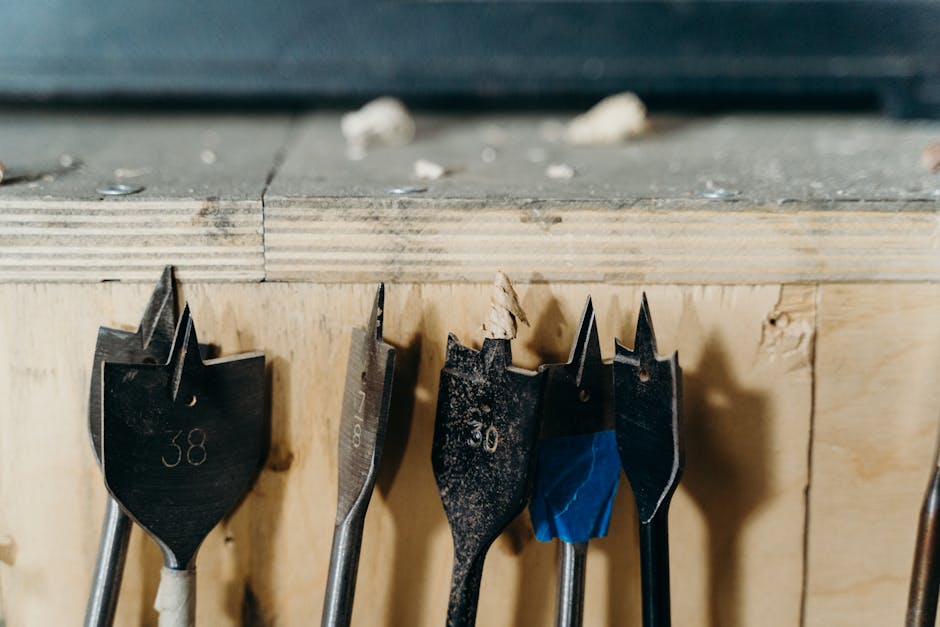
Chisels and planes are crucial in woodworking. Their sharp edges allow for precise cuts and smooth finishes. However, after frequent use, these edges can dull. Grinding your chisels and planes restores their sharpness, making your work more efficient. Ever tried shaving wood with a dull chisel? It's frustrating and results in uneven surfaces. Regular grinding is key to maintaining their performance.
Scissors And Shears
Scissors and shears are more than just household items; they're tools in many crafts and professions. A dull pair can cause ragged cuts and strain your hands. Do you remember the last time you struggled to cut fabric with blunt scissors? Grinding can rejuvenate these tools, ensuring clean and effortless cutting. This simple maintenance task can enhance your crafting or gardening experience.
Knives And Blades
Knives and blades are indispensable in the kitchen and workshop. A sharp knife makes cooking faster and safer, while a sharp blade ensures precise cuts in DIY projects. Have you ever sliced through a tomato with a dull knife, only to end up with crushed pieces? Grinding these tools can prevent such mishaps. Regularly checking and grinding your knives and blades can transform your culinary and crafting experience.
Grinding hand tools is not just about maintenance; it's about enhancing your work and reducing frustration. What tools do you use that could benefit from a little grinding session? Embrace the process and enjoy the sharp, efficient results.
Grinding Techniques
Hand tools sometimes require grinding to restore their sharpness and effectiveness. Regular maintenance ensures tools perform their best and last longer. Proper grinding techniques can improve their cutting ability and precision.
Grinding techniques are essential for maintaining the performance and lifespan of your hand tools. Whether you're a professional craftsman or a DIY enthusiast, keeping your tools sharp ensures efficiency and precision in your work. But how do you decide which grinding technique to use? Let's explore some practical methods to keep those blades in tip-top shape.
Manual Grinding
Manual grinding is the most traditional method. It requires patience and a steady hand but can give you remarkable control over the sharpening process. You might recall a time when your grandfather sat at the workbench, meticulously sharpening blades with a whetstone. This tactile approach allows you to feel every imperfection in the metal. Start by securing the tool in a vise to keep it steady. Use a whetstone or a hand file, applying consistent pressure as you move along the blade's edge. Pay attention to the angle—usually between 20 to 30 degrees—to maintain a sharp edge. Regularly check your progress to avoid removing too much metal.
Electric Grinding Tools
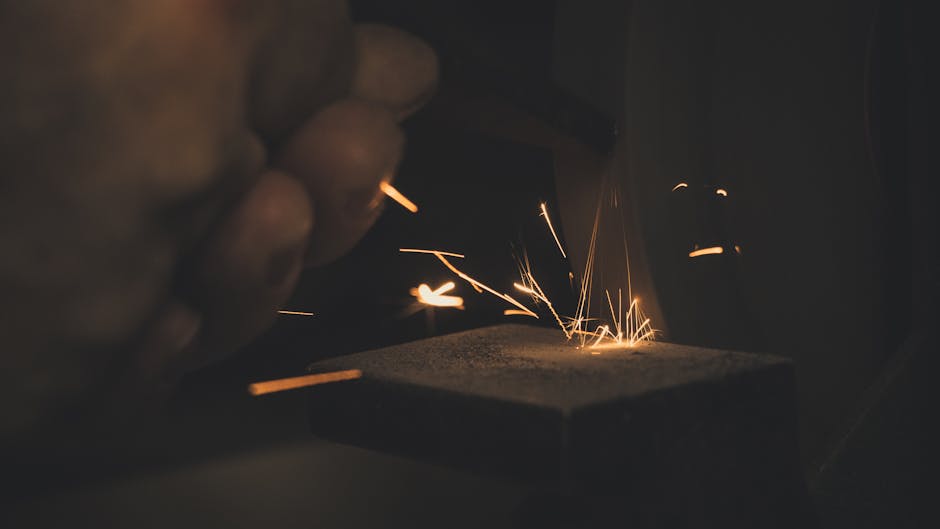
Electric grinding tools offer speed and efficiency, perfect for those who need quick results. They are especially handy when you have multiple tools to sharpen or when dealing with particularly dull blades. An electric grinder can save you time, but it requires a bit of practice to master. Consider using a bench grinder or an angle grinder for your sharpening tasks. These tools can quickly remove excess metal, so it's crucial to maintain a light touch. Always wear safety gear like goggles and gloves to protect yourself. Adjust the tool's speed settings to match the material of your blade for optimal results. In the hustle of modern life, electric tools can be a game-changer. However, they demand your full attention to avoid over-grinding. Have you ever found yourself in a rush and ended up with a blade that was too thin? Remember, precision is key. Grinding techniques can make or break the longevity of your hand tools. Which method aligns best with your style and needs? Whether you prefer the hands-on approach of manual grinding or the convenience of electric tools, the choice is yours. Stay sharp and keep those tools ready for action!
Choosing The Right Grinding Tool
Choosing the right grinding tool can be challenging. Each tool has its unique features and benefits. Hand tools often require grinding to stay sharp and effective. Selecting the right tool ensures efficiency and precision. Let's explore some popular options for grinding hand tools.
Whetstones And Sharpening Stones
Whetstones offer a traditional approach to grinding. They come in different grits for various levels of sharpening. A coarse grit removes nicks and reshapes edges. Fine grit polishes and refines the blade. Whetstones require water or oil for lubrication. This reduces friction and heat during grinding.
Sharpening stones are versatile. They suit most hand tools like knives and chisels. Using these stones demands patience and skill. But they provide precise control over the sharpening process. Regular maintenance of whetstones and sharpening stones ensures better performance.
Bench Grinders
Bench grinders provide a modern grinding solution. They are powered machines with rotating wheels. Bench grinders quickly remove metal and reshape tools. Ideal for heavy-duty grinding tasks. They have different wheels for various materials and finishes.
Using a bench grinder requires safety precautions. Wear protective gear to prevent injuries. They are suitable for large tools like axes and lawnmower blades. Bench grinders are efficient for quick sharpening. Ensure the tool is securely positioned during use.
Safety Tips During Grinding
Grinding hand tools requires caution and precision. To ensure safety during grinding, follow these essential tips. Using the right protective gear and adopting safe practices can prevent injuries and enhance efficiency. Let's dive into the critical aspects of safety during grinding.
Proper Protective Gear
Always wear safety goggles during grinding. They protect your eyes from flying particles. Use ear protection to guard against loud noises. Gloves offer protection to your hands from sharp edges. Wear a dust mask to avoid inhaling harmful particles. Ensure your clothing fits snugly, without loose ends. Loose clothing can get caught in moving parts.
Safe Grinding Practices
Ensure the grinder is stable before starting. A steady machine reduces accidents. Keep your workspace clean and organized. A cluttered area increases the risk of tripping. Always inspect tools before use. Damaged tools can lead to malfunctions. Maintain a firm grip on the tool. This helps in controlling the grinding process. Avoid distractions while working. Focus ensures accuracy and safety.
Maintenance After Grinding
Hand tools are essential for precise work and craftsmanship. Grinding sharpens these tools, enhancing their efficiency. But grinding isn’t the end. Proper maintenance ensures tools remain effective and safe. Regular care extends their lifespan, keeping your investment worthwhile.
Cleaning And Storage
After grinding, clean your tools thoroughly. Remove any metal dust or debris. Use a soft cloth or brush for this task. A clean tool prevents rust and maintains sharpness. Store tools in a dry place. Moisture can lead to corrosion. Organize them in a toolbox or on a pegboard. This ensures easy access and protects them from damage.
Regular Inspection
Inspect your tools frequently. Check for wear or damage. Look for nicks or dullness on blades. A quick inspection can prevent accidents. Keep an eye on handles and grips. These should be secure and free from cracks. Regular checks ensure your tools are safe and ready for use.
Frequently Asked Questions
Do Hand Tools Require Regular Grinding?
Yes, hand tools may need regular grinding to maintain their effectiveness. Over time, blades can become dull, reducing their performance. Regular grinding helps keep tools sharp, ensuring efficient and safe usage. It's essential to grind tools periodically, especially if they're used frequently or on hard materials.
How Do I Know If My Tool Needs Grinding?
You can tell a tool needs grinding if it feels dull or ineffective. If the tool struggles to cut or requires extra force, it likely needs sharpening. Regularly inspect your tools for nicks or blunt edges, as these are indicators of the need for grinding.
What Tools Benefit From Grinding?
Chisels, knives, and axes are common tools that benefit from grinding. These tools require sharp edges to function effectively. Regular grinding ensures their sharpness and prolongs their lifespan. Always check the manufacturer's guidelines to determine if your specific tool requires grinding.
Can Grinding Damage My Hand Tools?
Improper grinding can damage hand tools if not done carefully. Excessive grinding can remove too much material, weakening the tool. Always use the correct technique and equipment to avoid damage. It's advisable to follow manufacturer instructions or consult a professional for precision grinding.
Conclusion
Grinding hand tools keeps them sharp and effective. Dull tools can cause accidents. Regular maintenance ensures safety and precision. Sharpening tools improves their lifespan. Invest time in grinding for better performance. Properly maintained tools make work easier. They also save money by lasting longer.
Understanding grinding basics helps maintain your tools. Keep your hand tools sharp and ready. It makes tasks more efficient and enjoyable. Proper care shows respect for your tools. Happy grinding!