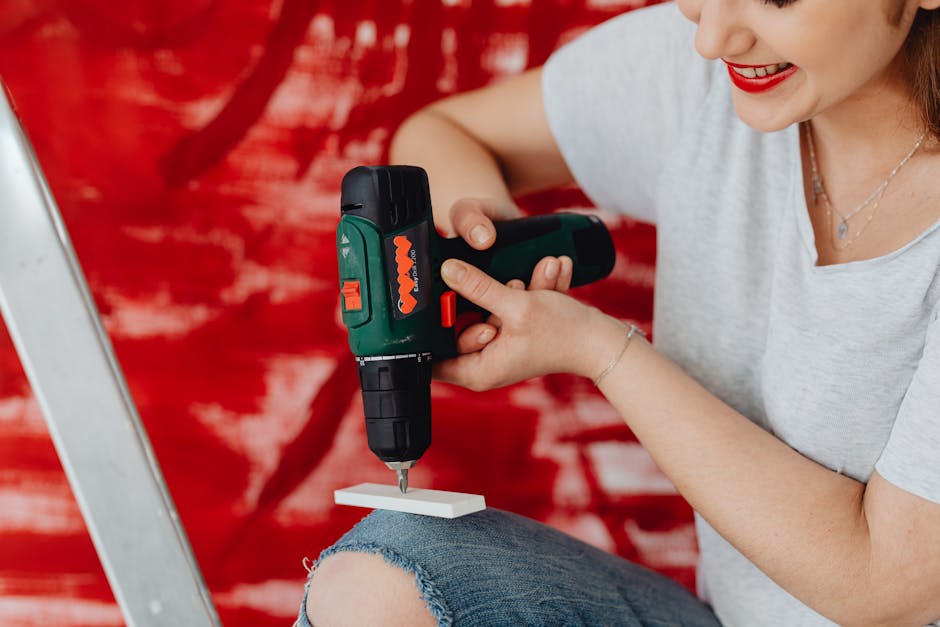
Are you tired of waiting for someone else to fix things around your home? Imagine the satisfaction of tackling projects yourself, armed with the right power tools.
It's not just about saving money; it's about the thrill of creating and transforming spaces with your own hands. You don't have to be a professional to make a big impact. With a little guidance and the right tools, you can unleash your inner handyman and take on those DIY projects you’ve been dreaming about.
Ready to dive in and explore the world of DIY power tools? Let's discover how they can empower you to turn your visions into reality.
Choosing The Right Power Tool
Choosing the Right Power Toolis a crucial step for any DIY enthusiast. Whether you're building a bookshelf or fixing a squeaky door, the right tool can make all the difference. But with so many options, how do you pick the perfect one? Let's dive into the essentials to guide your choice.
Types Of Power Tools
Power tools come in various forms, each designed for specific tasks.
- Drills:Ideal for making holes and driving screws. Cordless drills offer flexibility, while corded ones provide consistent power.
- Saws:Circular saws cut wood, while jigsaws handle curves and intricate designs.
- Sanders:Perfect for smoothing surfaces. Orbital sanders are versatile, while belt sanders work fast on large areas.
- Impact Drivers:Deliver more torque for heavy-duty screws and bolts.
Think about what you need for your project. The right type will simplify your work and deliver professional results.
Factors To Consider
Choosing a power tool isn’t just about picking the first one you see.
- Project Requirements:Match the tool to your task. A drill is great for small jobs, but a hammer drill might be necessary for concrete.
- Comfort and Safety:Handle different tools to find what feels right. A comfortable grip can prevent fatigue and improve accuracy.
- Features:Look for adjustable speeds, safety locks, and battery life. These can enhance usability and efficiency.
Have you ever started a project only to realize your tool isn’t up to the task? Avoid this by considering these factors upfront.
Budget-friendly Options
Power tools can be expensive, but you don't have to break the bank.
- Shop Smart:Look for sales and discounts at local hardware stores or online. You might find a quality tool at a fraction of the cost.
- Used Tools:Consider buying used or refurbished tools. They often function just as well as new ones.
- Brand Alternatives:Lesser-known brands can offer great value. Read reviews and compare features.
With a little research, you can find reliable tools that fit your budget. What’s more important: the brand name or the tool’s performance?
Choosing the right power tool isn't just about making your DIY tasks easier. It's about enhancing your skills and achieving results you can be proud of. Armed with the right knowledge, you can make informed decisions and tackle any project with confidence.
Safety Tips And Precautions
Working on DIY projects with power tools can be thrilling. Yet, safety must always be your first priority. Understanding how to stay safe while using these tools is crucial. This section will guide you through essential safety tips and precautions. Follow these to ensure a safe and enjoyable DIY experience.
Protective Gear
Wearing proper protective gear is essential. Always use safety goggles to protect your eyes from debris. Earmuffs or earplugs are important for loud tools. Gloves can protect your hands from sharp edges. A dust mask can prevent inhalation of harmful particles. Each tool may require different gear. Check the tool's manual for specific recommendations.
Safe Handling Practices
Safe handling of power tools is vital. Always read the manual before using a tool. Keep your work area clean and well-lit. Secure your workpiece firmly to prevent movement. Use both hands to operate tools for better control. Do not use tools in wet conditions. This could lead to electric shock. Unplug tools before making adjustments or changing accessories.
Emergency Procedures
Be prepared for emergencies. Know where the power shut-off switch is located. Keep a first aid kit nearby in case of injuries. Learn basic first aid procedures. This knowledge can be vital during an accident. Ensure you have a fire extinguisher accessible. Check it regularly to make sure it's functional. Have emergency contact numbers handy for quick access.
Essential Power Tools For Beginners
Starting a DIY journey can feel overwhelming. Picking the right tools is crucial. The right tools make work easier and more fun. Beginners need tools that are easy to use. Quality tools can last a long time and save money. Let's explore some essential power tools for beginners.
Drills And Drivers
Drills are a staple in any toolbox. They make holes in wood, metal, and other materials. Cordless drills offer flexibility and ease of use. Look for one with adjustable speed settings. Drivers help in fastening screws securely. An impact driver can handle tougher jobs. It's great for tasks involving dense materials.
Saws And Sanders
Saws cut through wood and other materials with ease. A circular saw is versatile for straight cuts. A jigsaw is perfect for curves and detailed work. Sanders smooth surfaces for a polished finish. An orbital sander is great for beginners. It sands without leaving marks.
Multi-tools And Attachments
Multi-tools are compact and versatile. They perform various tasks like cutting, sanding, and scraping. They are perfect for small spaces and quick fixes. Attachments expand the functionality of basic tools. They allow you to perform specialized tasks with ease. These tools are ideal for those new to DIY projects.
Advanced Tools For Experienced Diyers
Experienced DIYers often seek advanced tools to enhance their projects. These tools offer precision and efficiency, elevating craftsmanship. Investing in quality equipment can make a significant difference in results. Let's explore some essential power tools for seasoned enthusiasts.
Routers And Planers
Routers shape and trim wood with precision. They are ideal for intricate designs. With variable speeds, they handle different materials effortlessly. Planers smooth surfaces, removing rough spots efficiently. They ensure even thickness across the board. A good planer can transform raw wood into smooth, ready-to-use pieces.
Cordless Innovations
Cordless tools offer unmatched convenience. They provide freedom of movement in any workspace. Modern batteries deliver longer run times and quick charging. Many cordless tools now match the power of traditional corded versions. Drill drivers, saws, and sanders are popular choices. Their portability makes them indispensable for projects in tight spaces.
High-precision Equipment
Precision tools refine the smallest details. Laser levels ensure perfect alignment in construction tasks. Digital calipers measure accurately for tight fittings. High-precision saws cut with minimal error. Investing in these tools enhances the quality of finished projects. Precision equipment saves time and reduces material waste.
Maintaining Your Power Tools
DIY enthusiasts keep power tools in top shape by regular cleaning and inspection. Replace worn parts promptly for safety. Proper storage prevents damage and extends tool life.
Maintaining your power tools is crucial for both their longevity and your safety. Proper maintenance can transform your DIY projects from daunting tasks to smooth experiences. Imagine the frustration of a stalled project because your drill refuses to work. Let's dive into some practical tips to keep your power tools in top shape.
Cleaning And Lubrication
Dust and debris are the silent enemies of power tools. After each use, take a few minutes to clean your tools with a soft brush or cloth. Pay special attention to vents where dust can accumulate. Regular lubrication is essential for moving parts. Use a few drops of oil on joints and gears to keep them running smoothly. Don’t overdo it—excess oil can attract dust. Have you ever noticed a strange noise while using your saw? It might be a sign that it needs cleaning or lubrication. Addressing these small issues can prevent bigger problems later.
Storage Solutions
Storing your tools properly can extend their lifespan. Keep them in a dry place to avoid rust and corrosion. A toolbox with compartments can help organize and protect your tools. Consider wall-mounted storage for easy access and space-saving. Hanging your tools can prevent damage from stacking and make your workspace more efficient. Have you ever spent valuable time searching for a misplaced tool? Organized storage can save you time and frustration.
Troubleshooting Common Issues
Power tools can sometimes act up. A drill might not spin, or a saw might cut unevenly. Before you panic, check the basics: is the power source connected? Are the batteries charged? If your tool is still not working, inspect for visible damage like frayed wires or loose parts. Tightening screws or replacing worn-out parts can often resolve the issue. Remember that peculiar noise from earlier? It could be a sign of a loose part. Addressing such issues immediately can save you from costly repairs. Maintaining your power tools isn’t just about functionality; it’s about making your DIY journey enjoyable and hassle-free. With these tips, you can ensure your tools are always ready for action. Are you ready to tackle your next project with confidence?
Diy Projects To Try
Explore the world of DIY power tools with easy projects at home. Build birdhouses or simple shelves. Create custom garden planters. Gain confidence using basic tools. Perfect for beginners seeking fun and practical projects.
When it comes to engaging in DIY projects, power tools are your best friends. They empower you to transform ideas into reality with efficiency and precision. Whether you're fixing up your home, crafting new furniture, or diving into creative projects, power tools can make the process smoother and more enjoyable. Let’s dive into some exciting DIY projects you can try.
Simple Home Repairs
Tackling simple home repairs can be incredibly rewarding. Imagine fixing that squeaky door or replacing a broken tile yourself. A power drill or a multi-tool can be your ally in these tasks. You might be surprised at how much you can save by handling minor repairs on your own. Plus, mastering these skills boosts your confidence and independence. What’s the one thing around your house that you’ve been meaning to fix?
Furniture Building
Building furniture is an exciting way to customize your space. With a circular saw and a sander, you can create anything from a rustic coffee table to a modern bookshelf. Start with a simple project, like a wooden stool or a small shelf. Once you see your creation come to life, you’ll be eager to tackle more complex pieces. Have you ever thought about designing your furniture?
Creative Crafting Ideas
Power tools aren’t just for heavy-duty projects; they’re perfect for crafting too. A rotary tool can help you carve intricate designs or personalize gifts. Think about creating a unique picture frame or a decorative wall piece. These projects make great gifts and bring a personal touch to your home. What creative ideas have you been itching to try? Each of these projects offers a chance to learn something new and have a bit of fun. So grab your power tools and start creating today. Remember, the only limit is your imagination.
Eco-friendly Diy Practices
Creating eco-friendly projects with DIY power tools can help reduce waste. Using these tools efficiently saves energy and promotes sustainability. Explore new ways to repurpose materials and contribute to a greener environment.
Are you passionate about DIY projects but worried about their impact on the environment? Embracing eco-friendly DIY practices can be your solution. It's about making choices that benefit both your home and our planet. Let's dive into how you can make your DIY journey more sustainable.
Sustainable Materials
Choosing sustainable materials is a simple yet effective step in eco-friendly DIY. Opt for items like reclaimed wood or bamboo, which are both durable and renewable. Next time you start a project, ask yourself: Is there an alternative that's kinder to the environment? Consider using paints and finishes that are low in volatile organic compounds (VOCs). They are better for your health and the air quality in your home. Small swaps like these can make a big difference.
Energy-efficient Tools
Using energy-efficient tools not only saves electricity but also reduces your carbon footprint. Look for tools with Energy Star ratings or those that offer power-saving modes. These tools can perform just as well while being gentler on the environment. Battery-powered tools are another great option. They can be charged using solar panels, adding another layer of sustainability to your DIY practices. Have you ever thought about how much energy your tools consume?
Recycling And Upcycling
Before tossing out old materials, consider how they can be recycled or upcycled. Transform an old door into a chic coffee table or use leftover tiles to create a mosaic. This approach not only reduces waste but also adds a unique touch to your projects. Create a habit of sorting and storing leftover materials for future use. You'd be surprised at what can be repurposed with a little creativity. What old items do you have lying around that could be given a new lease on life? Adopting these eco-friendly DIY practices is not just beneficial for the planet; it adds a special layer of creativity to your projects. Next time you pick up a power tool, think about the sustainable choices you can make. Your small steps can lead to meaningful change.
Resources And Communities
Embarking on a DIY project with power tools can be thrilling. It’s an adventure filled with creativity and self-reliance. But every adventurer needs resources and communities for guidance and support. This network of resources becomes a lifeline for DIY enthusiasts. From online tutorials to interactive forums, these platforms provide valuable insights. They offer step-by-step guides, expert advice, and motivational encouragement. Let's explore these vibrant hubs of creativity and learning.
Online Tutorials And Guides
Online tutorials are a treasure trove for DIY enthusiasts. Websites like YouTube have countless video guides. These videos cater to all skill levels. You can learn how to use any power tool. Blogs and DIY websites also share detailed guides. They break down complex tasks into simple steps. These resources are perfect for those who learn visually. They allow you to pause and replay as needed.
Diy Forums And Groups
Forums and groups unite DIYers across the globe. Platforms such as Reddit and Facebook host active communities. Members share projects, tips, and experiences. Have a question? Post it and get feedback from real users. These forums foster a sense of belonging and support. They connect people with similar passions. It’s a place to celebrate successes and solve problems together.
Workshops And Classes
Workshops offer hands-on learning experiences. They provide the opportunity to practice under expert guidance. Local community centers often host these classes. Check out nearby hardware stores too. They sometimes offer free or low-cost workshops. These sessions are great for those who learn by doing. You can get immediate feedback and refine your skills.
Frequently Asked Questions
What Are Must-have Diy Power Tools?
Essential DIY power tools include a drill, circular saw, and sander. A jigsaw is useful for intricate cuts. A power screwdriver can save time and effort. Consider a miter saw for precise angles. A rotary tool is versatile for small tasks.
Choose tools based on your project needs.
How Do I Maintain My Power Tools?
Regular maintenance of power tools ensures longevity and efficiency. Clean tools after each use, removing dust and debris. Lubricate moving parts as needed. Check for worn or damaged components regularly. Store tools in a dry, safe place. Follow the manufacturer's guidelines for specific maintenance tasks.
Are Diy Power Tools Safe To Use?
DIY power tools are safe with proper precautions. Always read the instruction manual before use. Wear appropriate safety gear like goggles and gloves. Ensure tools are in good working condition. Keep your workspace organized to avoid accidents. Practice safe handling and operation techniques consistently.
How Can I Choose The Right Power Tool?
Choosing the right power tool depends on your project needs. Consider the material you'll be working with and the tool's power capacity. Research different brands and models for reliability and features. Check reviews and ratings for user experiences. Evaluate your budget and long-term tool requirements.
Conclusion
Exploring power tools can be fun and rewarding. You learn new skills. You save money by doing it yourself. Safety should be your top priority. Wear protective gear. Read instructions carefully. Start with small projects. Gradually take on bigger tasks.
Building confidence is key. You feel proud of what you create. Your toolbox grows, along with your abilities. Share your projects with friends. Inspire others to try DIY. Power tools offer endless possibilities. Dive into the world of DIY. Make your home a better place.
Enjoy the satisfaction of hands-on success.