Have you ever found yourself in the middle of a DIY project, surrounded by fancy power tools that you barely know how to use? You're not alone.
Many people think they need the latest gadgets to get the job done, but here's a secret: you might not need power tools at all. Imagine the satisfaction of creating something beautiful with your own hands, without the noise and hassle of electric devices.
You will discover why going back to basics could be the best decision you make for your projects. From saving money to gaining more control and precision, there are countless reasons to reconsider your toolbox essentials. Keep reading, and you might just find the inspiration you need to ditch the power tools and embrace a simpler, more rewarding approach.
Benefits Of Manual Tools
Manual tools have been a staple in workshops and homes for centuries. They offer unique advantages that power tools often cannot match. These tools provide a more personal touch to tasks, making them ideal for those who value precision and skill. Using manual tools can lead to a deeper connection with the work, enhancing both the process and the outcome.
Enhanced Precision
Manual tools allow for greater control over movements. You can adjust pressure and angle effortlessly. This precision leads to cleaner, more accurate results. With manual tools, every cut and carve is deliberate. Mistakes are less frequent, and the finish is often superior. Manual tools are perfect for detailed tasks.
Improved Skill Development
Using manual tools helps build essential skills. They require focus and patience. Over time, your abilities improve. You learn to rely on your senses. Manual tools teach you the art of craftsmanship. They foster creativity and problem-solving. Each project becomes a learning experience.
Eco-friendly Choices
Manual tools are environmentally friendly. They need no electricity or batteries. This reduces your carbon footprint. Most manual tools last longer than power tools. They require less maintenance and fewer replacements. Choosing manual tools supports sustainable practices. They are a green choice for responsible consumers.
Popular Manual Tools
Exploring manual tools opens a world of precision and skill. These tools don't need electricity. They rely on human power. Many craftsmen prefer them for their control and versatility. Popular manual tools remain essential. They offer a unique touch to any project.
Hand Saw Varieties
Hand saws come in different types. Each has a specific use. The crosscut saw cuts across wood grain. It's great for quick jobs. A rip saw cuts along the wood grain. It makes long cuts easier. The back saw is perfect for precise cuts. It has a reinforced spine. Coping saws have thin blades. They excel at intricate cuts. Every hand saw offers unique benefits.
Chisels And Their Uses
Chisels are versatile tools. They shape wood with precision. Wood chisels carve and sculpt wood. They come in various sizes. Bevel-edged chisels reach tight corners. Mortise chisels make deep cuts. They're ideal for joining wood pieces. Paring chisels smooth surfaces. They remove thin layers easily. Chisels demand skill. But they give excellent results.
Screwdrivers And Wrenches
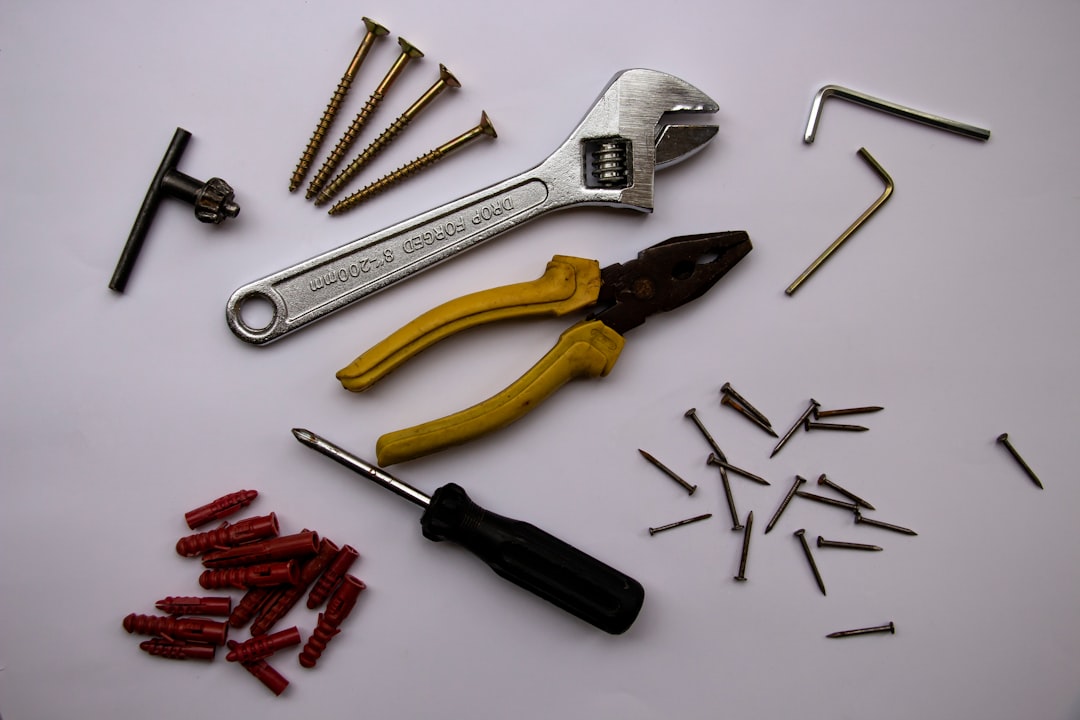
Screwdrivers are essential in any toolbox. They tighten and loosen screws. Phillips screwdrivers fit cross-shaped screws. Flathead screwdrivers fit single-slot screws. Precision screwdrivers work on small screws. Wrenches turn nuts and bolts. An adjustable wrench fits various sizes. A socket wrench uses interchangeable sockets. Both are vital for repair tasks. Manual tools ensure every task gets done right.
Techniques For Manual Mastery
Embrace the satisfaction of working with your hands. Manual mastery offers a unique connection to your projects, letting you feel every stroke and joint come together. The absence of power tools can be liberating, allowing you to rely solely on your skills and instincts. Below, you'll find techniques to enhance your craftsmanship without the hum of machinery.
Proper Grip Techniques
How you hold your tools can make all the difference. A firm yet relaxed grip provides control and precision. Imagine holding a pencil when you write; you’re not squeezing it to death, but you’re in command. Apply the same principle to your hand saws and chisels.
Different tools require different grips. A plane needs a steady push, while a saw benefits from a gentle back-and-forth motion. Experiment to find what feels right and gives you the best results. You might discover that adjusting your grip slightly can drastically change your accuracy.
Cutting And Carving Methods
Cutting and carving wood by hand lets you shape your vision directly. Consider the grain of the wood; it guides your tool and affects the final look. Always cut with the grain for smoother results and less resistance.
When carving, start with shallow cuts. Gradually deepen them as you refine your shape. This approach reduces errors and gives you more control. Have you ever noticed how artists sketch lightly before finalizing their work? The same applies here.
Joining And Fastening Techniques
Joining pieces of wood by hand can be incredibly rewarding. Simple techniques like dovetail joints or mortise and tenon create strong bonds. These methods require patience and precision but offer unmatched durability.
Fastening without screws or nails might seem daunting. Try using wooden pegs or glue for seamless finishes. The result is often cleaner and more aesthetically pleasing. Have you considered how traditional techniques can give your work a timeless quality?
Manual mastery is about honing your skills and letting your creativity flow. Are you ready to put down the power tools and embrace the art of handwork?
Safety Tips For Manual Tools
Manual tools offer safety and simplicity without needing power. Always inspect tools for damage before use. Wear protective gear to prevent injuries.
Working with manual tools can be a rewarding experience, giving you complete control over your projects and sparing you the noise and expense of power tools. However, ensuring safety is paramount to enjoying this hands-on approach. You don't need power tools to achieve great results, but you do need to focus on safety. Let's delve into some essential safety tips for using manual tools effectively and safely.
Protective Gear Essentials
Wearing the right protective gear is your first line of defense. Always wear sturdy gloves to protect your hands from sharp edges or splinters. Safety glasses are a must-have to shield your eyes from flying debris. Consider wearing steel-toed boots if you are working on projects that involve heavy materials. A simple hit from a hammer or a dropped tool can cause serious injury. A hard hat might seem unnecessary, but it can prevent head injuries in case of accidental falls or bumps.
Safe Handling Practices
Understanding the safe handling of tools is crucial. Always use the right tool for the job. Misusing a tool can lead to accidents and damage to your project. Ensure your workspace is clean and organized to prevent tripping hazards. A cluttered area increases the risk of accidents as you might grab the wrong tool in a rush or trip over scattered items. Practice proper body mechanics. For instance, when sawing, stand in a balanced position and use smooth, controlled motions. This not only prevents fatigue but also reduces the likelihood of accidents.
Maintenance And Care
Regular maintenance of your tools is key to their longevity and your safety. A dull blade requires more force, increasing the risk of slipping and injuring yourself. Sharpen blades and keep them rust-free for effective performance. Inspect your tools before each use. Look for cracks or signs of wear that might compromise their integrity. A simple check can prevent a tool from breaking during use, potentially causing injury. Store your tools properly. Use a tool chest or hang them on a pegboard. This keeps them organized and prevents accidental falls. Proper storage also ensures that tools remain in good condition and ready for use when needed. By focusing on these safety tips, you can enjoy working with manual tools while minimizing risks. Are you ready to handle your next project safely and efficiently? Remember, safety is not just about protecting yourself today; it's about ensuring you can continue enjoying your projects for years to come.
Comparing Manual And Power Tools
Many tasks around the home can be tackled with manual tools. They offer simplicity and often greater control. Power tools may seem convenient but aren't always necessary for smaller jobs. Manual tools are cost-effective, require no electricity, and are easy to maintain.
When deciding between manual and power tools, many factors come into play. Whether you're a hobbyist or a professional, choosing the right tools can significantly impact your projects. You might wonder which option offers the best value or which is more user-friendly. Let’s dive into these questions and explore how manual tools compare to their powered counterparts.
Cost Analysis
Manual tools often come with a lower price tag. For someone on a budget, this can be a major advantage. You can invest in a quality set of manual tools without breaking the bank. Power tools, on the other hand, can be expensive upfront. Beyond the initial cost, you also need to consider maintenance and potential repairs. Add in the expense of batteries or electricity, and the costs can stack up quickly.
Efficiency And Speed
Power tools offer speed that manual tools can't match. Drilling a hole, sawing through wood, or sanding a surface can be done in a fraction of the time. This can be a lifesaver for large projects or tight deadlines. Manual tools require more time and effort. However, they offer precision and control that power tools may not. When working on intricate details, manual tools might be your best bet.
Skill Vs. Ease Of Use
Using manual tools often demands a higher skill level. There's an art to mastering their use, which can be satisfying for those who enjoy honing their craft. This skill can make you more versatile and confident in tackling various tasks. Power tools are typically easier for beginners. They require less physical strength and skill to achieve good results. You might find this appealing if you're just starting or looking to complete tasks with minimal fuss. Is one type of tool better than the other? It depends on your needs and preferences. Consider what you value more: cost savings, speed, or skill development. The right choice will enhance your projects and enrich your experience.
Real-world Applications
Exploring real-world tasks often reveals instances where power tools are unnecessary. Simple manual tools efficiently handle everyday challenges, reducing reliance on complex machinery. From gardening to small home repairs, basic tools offer practical solutions, showcasing their versatility.
Real-World Applications Power tools have revolutionized many crafts, but they aren't always necessary. In fact, many real-world applications thrive without them. Whether you're into woodworking, metalworking, or DIY home repairs, manual tools can offer precision and satisfaction.
Woodworking Projects
Creating a piece of furniture with hand tools can be deeply rewarding. Imagine crafting a beautiful wooden chair using only a chisel, a hand saw, and sandpaper. You gain a tactile connection to your work, feeling every cut and curve. Hand tools provide more control over delicate projects. They allow you to work at your own pace without the noise and speed of power tools. Ever tried building a birdhouse with just a hammer and nails? It's a great way to bond with your craft.
Metalworking Techniques
Metalworking doesn't always require a noisy power drill or grinder. Hand tools like files, wrenches, and hammers can achieve incredible results. Picture creating intricate metal jewelry with pliers and a small anvil. It's all about technique and patience. Hand tools excel in small, detailed tasks where precision is vital. Consider shaping a piece of sheet metal by hand. You have the freedom to focus on every bend and angle, ensuring your project turns out exactly as you envisioned.
Diy Home Repairs
Home repairs don't always call for a garage full of power tools. A simple toolkit can handle most tasks efficiently. Tightening a loose doorknob with a screwdriver or fixing a leaky faucet with a wrench can be quick and satisfying. Manual tools allow you to tackle repairs without the hassle of setup and maintenance. Have you ever tried replacing a light fixture with just a screwdriver? It's straightforward and empowers you to maintain your home with confidence. Why do we often overlook the simplicity and effectiveness of manual tools? Next time you start a project, consider leaving the power tools aside. You might be surprised at what your hands can accomplish on their own.
Inspirational Stories
Discover stories of creativity and resilience. People build amazing things without using power tools. Imagination, patience, and skill bring these inspiring creations to life.
In a world dominated by power tools, it's easy to forget the beauty and skill of crafting with one's own hands. But there are countless inspirational stories of individuals who have mastered the art of creating without the hum of machinery. These stories not only celebrate craftsmanship but also remind us of the potential within ourselves. Can you imagine the satisfaction of creating something extraordinary with just your hands and simple tools?
Craftsmanship Tales
Meet John, a skilled woodworker from a small town. John has spent decades perfecting his craft, relying solely on hand tools. His workshop echoes with the sound of chisels and saws, not electric drills. He believes that each piece of wood has its own story and that power tools can’t capture its essence. John’s creations are not just furniture but heirlooms, passed down through generations. His pieces have a warmth and character that machines simply cannot replicate. Have you ever considered how much more meaningful your creations could be without relying on power tools?
Artisans And Their Journeys
Sarah is a jewelry maker who crafts exquisite pieces using only basic tools. Her journey began with a passion for unique, handcrafted jewelry that stands out. She collects stones from her travels and transforms them into stunning, wearable art. Her story is about patience and dedication. She spends hours perfecting a single piece, ensuring every detail is just right. In a world of mass-produced accessories, Sarah’s creations offer a personal touch. What stories could your creations tell if you embraced the art of handcrafting?
Masterpieces Created By Hand
Imagine a quilt stitched by hand, each patch telling a story of its own. That's what Maria, a dedicated quilter, creates. Her quilts are vibrant tapestries of color, each stitch a testament to her skill and creativity. Maria uses traditional techniques passed down from her grandmother. Her quilts are not just blankets; they are works of art, each one unique and full of character. When was the last time you created something that could be cherished for generations? These stories of artisans and their masterpieces serve as a reminder that the true essence of craftsmanship lies in the journey and the skill of the creator. Next time you reach for a power tool, think about the possibilities your hands hold. Would you challenge yourself to craft something extraordinary without the buzz of a machine?
Frequently Asked Questions
Why Choose Manual Tools Over Power Tools?
Manual tools offer precision and control, ideal for detailed work. They're quieter, more affordable, and require less maintenance. Without the need for electricity, they're also environmentally friendly. For DIY enthusiasts or small tasks, manual tools can be more convenient and less intimidating than power tools.
Are Manual Tools Safer Than Power Tools?
Yes, manual tools generally pose less risk than power tools. They operate without electricity, reducing the chance of electric shock. There's also less risk of injury from sharp, fast-moving parts. However, proper handling and safety precautions are still essential to prevent accidents and injuries.
Can Manual Tools Be More Efficient?
For certain tasks, manual tools can be more efficient. They offer better precision and control, especially for intricate projects. Without setup time, they're ready to use immediately. In small jobs, manual tools can often complete tasks faster than setting up and using power tools.
What Are The Cost Benefits Of Manual Tools?
Manual tools are usually more affordable initially and over time. They don't require electricity or batteries, reducing ongoing costs. Maintenance is minimal, with fewer parts to replace or repair. Overall, manual tools provide a cost-effective solution for many home improvement and DIY projects.
Conclusion
Embrace simple tools. They offer safety and ease. Hand tools build skills. They encourage patience. Personalize your projects with them. They are quiet and calming. Less noise. Less stress. Enjoy crafting without heavy machinery. Connect with your work. Feel the material.
Sense the progress. Appreciate the process. Tools like hammers, screwdrivers, and saws are handy. They are reliable and accessible. Great for small tasks. Perfect for beginners. Create without complications. Discover the joy of manual labor. It's rewarding. It's satisfying. Simple tools deliver effective results.
Experience the pleasure of crafting. With your own hands.