Are you wondering if your power tools use 120 or 240 volts? You're not alone.
Many DIY enthusiasts and professionals alike often grapple with understanding the voltage requirements of their tools. Getting this right is crucial. It not only ensures your tools operate efficiently but also keeps you safe from potential hazards. Imagine the frustration of your power tool suddenly stopping mid-project because of the wrong voltage! By the end of this article, you'll have a clear grasp of what voltage your tools need and why it matters.
So, whether you’re a seasoned pro or just starting out, keep reading to make sure your next project goes off without a hitch.
Power Tools And Voltage Basics
Understanding the voltage requirements of power tools is crucial for efficiency. The voltage determines the tool's power and performance. Knowing the basics helps in selecting the right tool for your needs.
What Is Voltage?
Voltage is the measure of electrical force. It pushes electricity through wires. It affects the tool's power and speed. Higher voltage means more power.
Common Voltage Ratings For Power Tools
Power tools usually operate on 120 or 240 volts. 120 volts are common in household tools. They are suitable for light tasks. 240 volts are used in industrial tools. They handle heavy-duty jobs.
Choosing The Right Voltage For Your Needs
Consider the task's complexity. Light tasks need 120 volts. Heavy-duty jobs require 240 volts. Understand your project's demands for the best results.
Safety Considerations With Voltage
Safety is vital when using power tools. High voltage can be dangerous. Always follow safety guidelines. Use proper protective gear.
Impact On Tool Performance
Voltage impacts tool performance directly. Higher voltage tools are faster and stronger. Lower voltage tools are slower but safer. Choose based on your needs.
Cost Implications Of Voltage Differences
Cost varies with voltage. 240-volt tools are pricier. They offer more power and efficiency. 120-volt tools are cheaper but less powerful.
Common Voltage Levels
When you dive into the world of power tools, understanding voltage levels becomes crucial. Whether you're an avid DIYer or a professional contractor, knowing the difference between 120 and 240 volts can significantly impact your tool performance and safety. It's not just about plugging in and getting to work—it's about choosing the right tool for the right job. Let's explore these common voltage levels and see which one fits your needs.
Understanding 120 Volts
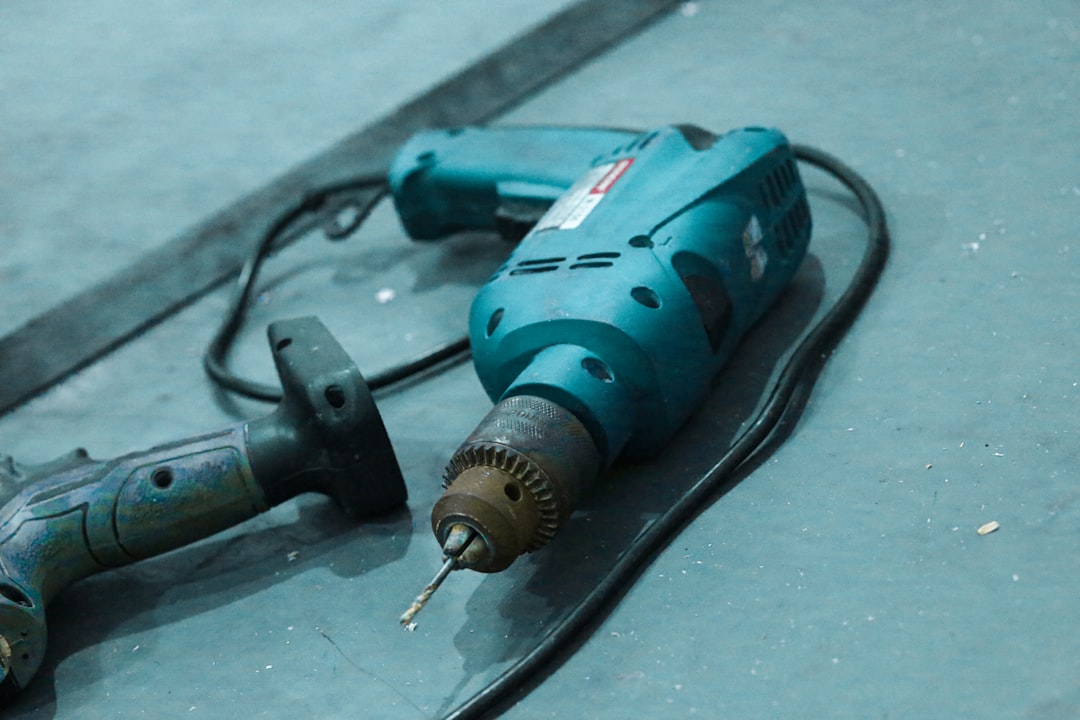
120 volts is the standard voltage for most household outlets in the United States. If you’ve ever plugged in your vacuum cleaner or lamp, you’ve already used 120 volts. This voltage level is generally sufficient for smaller power tools like drills or saws.
Think about your weekend project. You grab your trusty cordless drill that operates comfortably at 120 volts. It's easy to handle and perfect for tasks that don’t require heavy-duty power. You can find a wide variety of tools in this category, making it a versatile choice for everyday tasks.
However, there’s a trade-off. While 120 volts is convenient, it may not provide enough power for larger, more demanding jobs. Have you ever tried cutting thick hardwood with a 120-volt saw? It struggles, right? That’s where understanding voltage becomes essential.
Understanding 240 Volts
240 volts is typically reserved for more powerful appliances and tools. This voltage level is common in industrial settings and for tasks requiring more energy. Think of heavy-duty equipment like air compressors or large welding machines.
Imagine tackling a major renovation. You need to cut through dense materials or power a massive air compressor. That's when 240 volts step in. This voltage provides the extra oomph needed to drive heavy machinery efficiently, saving you time and effort.
But, caution is necessary. Using 240 volts requires special outlets and can be a safety risk if improperly handled. Have you ever tried plugging a 240-volt tool into a 120-volt outlet? It doesn’t work. Ensure your workspace is equipped to handle such power demands.
So, what voltage should you choose? Are you looking for convenience or power? Remember, the right tool can make all the difference in your project’s success. Always consider your task's demands and choose wisely.
Types Of Power Tools
When selecting power tools, understanding the types available can significantly impact your projects. Whether you're a DIY enthusiast or a professional tradesperson, knowing the difference between power tool types is crucial. Let's delve into various power tool categories and how their voltage needs might differ.
Corded Vs. Cordless
Corded power tools, typically operating on 120 volts, are known for their consistent power output. They are perfect for tasks requiring prolonged use without the worry of battery life. However, their reliance on a power outlet can limit mobility.
On the other hand, cordless tools offer unmatched flexibility, often powered by rechargeable batteries. While they generally run on lower voltage, advancements in battery technology now allow some to compete with their corded counterparts. Imagine working on a roof without tangled cords – cordless tools make this a reality.
Industrial Vs. Residential
Industrial power tools often require higher voltage, around 240 volts, to handle demanding tasks and longer operating hours. These tools are designed for heavy-duty use, such as in construction sites or manufacturing plants. They deliver the power needed for large-scale operations, ensuring efficiency and durability.
Residential tools, typically running on 120 volts, are tailored for home projects or light repairs. They're perfect for assembling furniture or drilling small holes. Think about the last time you hung a picture frame – a 120-volt drill was likely your go-to tool.
Have you ever wondered if your tool selection matches your project needs? Choosing between industrial and residential tools can directly affect your work quality. Ensure your power tools align with your specific tasks to achieve the best results.
Understanding the nuances of power tools can help you make informed choices. Whether opting for corded or cordless, industrial or residential, the right tool can transform your project experience. Which type of power tool aligns with your next project?
Power Tool Voltage Requirements
Power tools typically use either 120 volts or 240 volts. Most household tools run on 120 volts, suitable for common tasks. Heavy-duty tools often require 240 volts, providing more power for demanding projects. Always check the tool's specifications before use to ensure proper voltage compatibility.
Understanding the voltage requirements for power tools is crucial whether you’re a weekend warrior or a professional contractor. The voltage of your power tools can significantly impact their performance and usability. Choosing between 120 or 240 volts depends on several factors that can influence your work efficiency and safety. Let's dive into the key aspects that should guide your decision on power tool voltage requirements.
Factors Influencing Voltage Choice
Several factors can influence whether you should opt for a 120-volt or 240-volt power tool. One of the primary considerations is the nature of the work you are doing. Are you working on light home projects or heavy-duty industrial tasks? For home use, 120 volts is often sufficient. Another factor is the availability of electrical outlets. Many homes and small workshops have 120-volt outlets as standard. However, if you have access to 240-volt outlets, you might benefit from the increased power they offer. Think about the environment you will be working in and the electrical infrastructure available. Lastly, consider portability and weight. Higher voltage tools are often heavier and less portable. If you need to move around a lot, a 120-volt tool might be more practical. Have you ever struggled to carry a heavy tool around your workspace? This could be a deciding factor for you.
Voltage And Tool Performance
Voltage plays a significant role in the performance of power tools. Higher voltage usually means more power. This can translate to quicker and more efficient work, especially for demanding tasks. Imagine cutting through a thick piece of wood with ease because your tool has the necessary power. However, more power also means more energy consumption. This can lead to higher electricity bills if you use the tools frequently. It's essential to weigh the benefits of increased performance against potential costs. Additionally, higher voltage tools can handle tougher materials. If you often work with dense or hard materials, a 240-volt tool could be a game-changer. Would the ability to work more efficiently on tough tasks make a difference in your projects? Understanding these elements can help you make an informed decision about what power tool voltage will best suit your needs. Consider your specific projects, work environment, and usage frequency to choose the right voltage for your tools.
Safety Considerations
Power tools often run on either 120 or 240 volts, affecting their safety and usage. Always check the voltage requirements before use. This ensures safe operation and prevents potential hazards.
When it comes to power tools, understanding their voltage requirements is crucial for both performance and safety. As you work with these tools, it’s important to consider the safety implications of using 120-volt versus 240-volt tools. This not only protects you from electrical hazards but also ensures your tools function optimally. Let's dive into some safety considerations that will keep you and your equipment safe.
Voltage And Safety Protocols
Using the correct voltage for your power tools is essential for safe operation. 120-volt tools are commonly found in residential settings and are generally safer for non-professional users due to lower risk of severe electrical shock. 240-volt tools, however, are often used in professional settings where heavy-duty work is required. They offer more power but require special outlets and more robust safety protocols. Always check the tool’s manual to confirm the correct voltage and grounding requirements. Consider if your work environment is equipped for the voltage your tool needs. Your safety protocols should include regular checks of the power cords and ensuring outlets are not overloaded.
Handling Voltage Variations
Voltage variations can occur, and they might be more common than you think. Have you ever plugged in a tool and noticed it didn’t start as powerfully as it should? This could be a sign of voltage drop. If you work in an older building, fluctuating voltage levels might be an issue. This can lead to reduced tool performance or even cause damage over time. Use a voltage tester to check outlets before plugging in your tools. Think about using voltage regulators if you frequently experience inconsistencies. They can help maintain a steady flow of electricity, ensuring your tools remain safe and effective. Are your tools compatible with the voltage supply available at your job site? This is an important question to ask to prevent unexpected malfunctions or safety hazards. Equipping yourself with knowledge and proper safety measures ensures that you are not just working effectively but also safely.
Choosing The Right Voltage
Power tools commonly use either 120 or 240 volts, depending on their design and purpose. Opt for 120 volts for household tasks, while 240 volts suits heavy-duty, industrial jobs. Understanding voltage helps in choosing the right tool for your needs.
Choosing the right voltage for your power tools can make a significant difference in their performance and efficiency. Whether you're a DIY enthusiast or a professional, understanding the voltage requirements of your tools is crucial. It can affect not only the tool's power but also your safety and electricity bills. Let's explore how you can make an informed decision about the voltage your tools need.
Assessing Power Needs
Think about what you need your power tool for. Are you tackling heavy-duty construction tasks or simple home repairs? Tools like large saws or air compressors might need more power, often operating at 240 volts. On the other hand, drills or sanders for lighter tasks typically use 120 volts. Consider the availability of power sources in your work area. If you're working in older homes, you might find more 120-volt outlets. However, for new constructions or workshops, 240 volts might be readily available. Know your workspace to avoid surprises.
Impact On Efficiency And Usage
Higher voltage tools, like those running on 240 volts, generally offer more power and efficiency. They can perform demanding tasks faster and with less strain. This means less wear and tear on the tool, potentially extending its life. However, increased power also means increased electricity consumption. Are you prepared for the higher energy costs? Balance is key. You don't want to pay for more power than you actually use or need. Finally, think about your future projects. Will they require more powerful tools? Investing in the right voltage now can save you time and money later. What voltage suits your needs today—and tomorrow?
International Voltage Standards
Understanding international voltage standards is essential for power tool users. Different countries use different voltage systems, affecting tool compatibility. Knowing these standards helps avoid equipment damage.
Voltage Variations By Region
In North America, power tools typically use 120 volts. This standard is common in households and small workshops. Europe and many parts of Asia use 240 volts. This higher voltage is prevalent for industrial applications. Some countries have unique voltage systems. Always check the local standards before using tools.
Using Adapters And Converters
Adapters help plug tools into foreign outlets. They don't change voltage but fit different plug shapes. Converters change voltage for safe tool operation. They ensure tools receive the correct power. Choose a converter based on tool specifications. Always read the tool's manual for voltage requirements.
Frequently Asked Questions
Do Power Tools Run On 120 Or 240 Volts?
Most power tools in the U. S. use 120 volts. However, heavy-duty tools may require 240 volts for increased power. Always check the manufacturer's specifications to ensure you're using the correct voltage. Using the wrong voltage can damage the tool or create safety hazards.
Why Do Some Tools Need 240 Volts?
Tools needing 240 volts typically require more power for demanding tasks. These are usually industrial or professional-grade tools. They provide higher efficiency and performance. Using the correct voltage ensures optimal functionality and safety. Always consult your tool's manual to determine its voltage requirements.
Can You Use 240-volt Tools At Home?
Yes, you can use 240-volt tools at home if your electrical system supports it. Ensure your outlet matches the tool's voltage requirements. You might need an electrician to install the correct outlet. Using the right voltage is crucial for safety and tool performance.
What Happens If You Use The Wrong Voltage?
Using the wrong voltage can damage your power tool. It may cause overheating or short circuits. This can lead to reduced tool lifespan and safety risks. Always verify the tool's voltage requirements before use. Following manufacturer guidelines is essential for safety and efficiency.
Conclusion
Power tools can use either 120 or 240 volts. Choosing the right voltage depends on your needs. Most home tools run on 120 volts. Easier to plug in. Safer for common use. Heavy-duty tools often need 240 volts. More power.
Better for big projects. Always check the tool's specifications. Follow safety guidelines carefully. Right voltage ensures efficiency and safety. Understand your tool's requirements. Make informed choices for successful work. Happy tool using!