Are you staring at that sleek, new television or stylish bookshelf, wondering how to get it up on your wall? The thought might have crossed your mind: do you need power tools for wall mounting?
It's a common question, and one that might be holding you back from transforming your space. The idea of drilling into your walls can be daunting, especially if you're unsure about the tools you need. But imagine the satisfaction of stepping back and admiring a perfectly mounted piece, knowing you did it yourself.
This article will guide you through the decision-making process, helping you determine if power tools are necessary for your wall mounting project, and which ones might make the task easier and more efficient. Stick around, and by the end, you'll have the confidence to tackle your project head-on, saving time and avoiding costly mistakes.
Why Wall Mounting Matters
Wall mounting transforms spaces by maximizing functionality. It saves floor space, providing a sleek, modern look. This method is practical for organizing and decluttering. It enhances visual appeal by elevating items off the ground. Wall mounting isn't just decorative; it's essential for optimal use of space.
Wall mounting offers a clean, organized environment. It helps in utilizing vertical space efficiently. This approach is ideal for small areas, where floor space is limited. Items like TVs, shelves, and cabinets can be mounted to clear pathways. It promotes safety by keeping electronics out of reach of children.
Wall mounting allows better positioning for viewing or usage. TVs mounted at eye level improve the watching experience. It prevents neck strain and enhances comfort. Shelves mounted at accessible heights ease the retrieval of items. Proper placement enhances the overall functionality of a room.
Improved Aesthetics
Mounted items create a streamlined appearance. They reduce clutter and make spaces feel bigger. This style adds a modern touch to any room. It highlights decorative elements and artwork. Wall mounting can transform ordinary spaces into visually appealing environments.
Enhanced Safety
Mounting items on walls reduces the risk of accidents. Heavy objects are less likely to topple over when secured. It keeps electronics away from children and pets. This setup prevents wires and cords from becoming tripping hazards. Safety is improved significantly with wall mounting.
Space Efficiency
Wall mounting is perfect for maximizing space. It allows furniture to be arranged more freely. This method makes small rooms feel larger. By freeing up floor space, movement becomes easier. Space efficiency is crucial for both homes and offices.
Choosing The Right Tools
Choosing the right tools for wall mounting is crucial. It affects the ease and safety of your project. Whether mounting a TV or artwork, tools make a big difference. This section covers the manual and power tools. It also discusses budget considerations.
Manual Vs. Power Tools
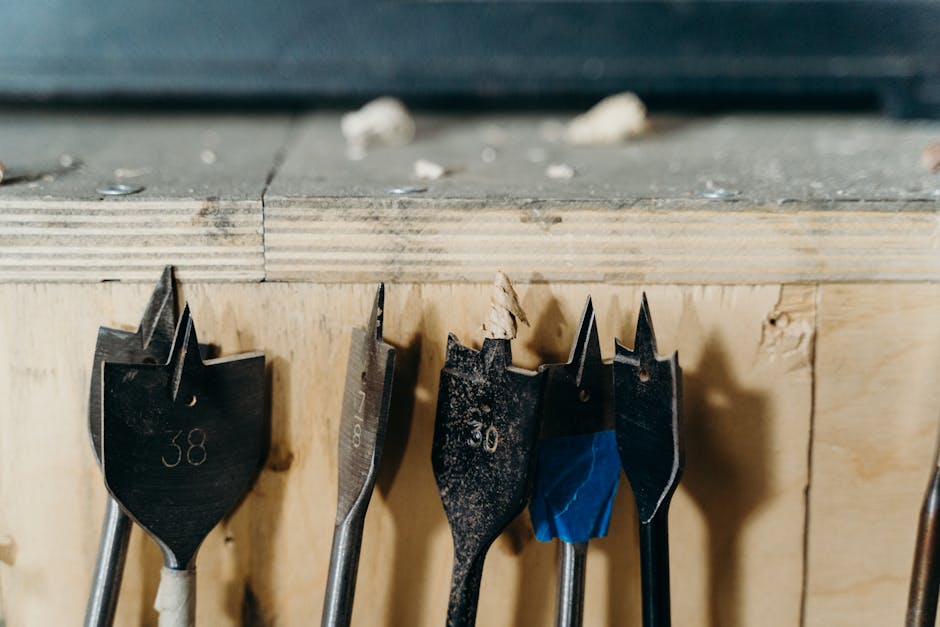
Manual tools are basic and require physical effort. They are screwdrivers, hammers, and hand drills. These tools are inexpensive and easy to find. They suit simple tasks well. Power tools, like electric drills, offer speed. They reduce effort and ensure precision. For heavy-duty tasks, power tools are preferred.
Budget Considerations
Budget plays a key role in tool choice. Manual tools are budget-friendly. They are ideal for small projects. Power tools cost more but save time. They are worth the investment for frequent use. Weigh your needs against your budget. Decide accordingly for a smart purchase.
Essential Power Tools For Wall Mounting
Mounting items on a wall can be a challenging task. It requires precision and the right tools. To ensure a secure and professional finish, having essential power tools is crucial. These tools make the process easier and safer. Below, we explore the key tools needed for wall mounting.
Drill And Driver
A drill and driver are vital for wall mounting tasks. They help you create holes for screws or anchors. Choose a drill with variable speed settings. This allows better control and precision. Also, consider using a cordless model for mobility. A driver helps in tightening screws efficiently. Ensure it fits comfortably in your hand. This reduces fatigue during extended use.
Stud Finder
Finding the right spot to mount is essential. A stud finder helps locate studs behind drywall. This ensures your mount is stable and secure. Choose a stud finder with a clear display. It should indicate both wood and metal studs. Some models even detect live wires. This feature adds an extra layer of safety. Always follow the manufacturer's instructions for accuracy.
Level And Measuring Tape
A level ensures your mount is perfectly straight. No one wants a crooked picture or shelf. Use a spirit level for best results. It's simple and easy to use. Pair it with a measuring tape for precise measurements. Measure twice, drill once. This prevents mistakes and saves time. Both tools are inexpensive yet invaluable for wall mounting tasks.
Understanding Wall Types
Wondering if power tools are necessary for wall mounts? Different wall types may require specific tools for secure installation. Understanding your wall's material helps decide if power tools are essential.
Understanding the wall type you're dealing with is crucial when deciding on the tools you'll need for a wall mount project. Each wall type presents unique challenges and demands specific tools. Have you ever tried mounting something on a wall and realized halfway through that you underestimated the task? Knowing your wall type can save you from this frustration.
Drywall Vs. Concrete
Drywall is a popular choice in many homes due to its ease of installation and repair. It's relatively lightweight and simple to puncture. You might think, "Great, I can use any regular drill to mount my TV!" However, drywall's ease doesn't mean it's always straightforward. You need the right anchors to ensure stability. Concrete walls, on the other hand, are sturdy and durable. They provide excellent support but can be challenging to penetrate. A regular drill won't cut it here. Imagine the frustration of watching your drill bit smoke against a concrete wall! You'll need a hammer drill and masonry bits. It's a different ball game altogether.
Impact On Tool Choice
Your wall type directly influences the tools you'll need. With drywall, you can often get away with a regular drill, but a stud finder is essential to locate safe mounting points. Without it, your mounted item might sag or even fall. Concrete requires more robust tools. A hammer drill is your best friend here. It makes creating holes in concrete manageable, saving you time and effort. You don't want to be caught without the right tools; it's like trying to paint without a brush. Think about your last mounting project. Did you have to make multiple trips to the hardware store because you didn't anticipate the right tools? Understanding your wall type upfront can prevent these headaches. Next time you're planning a wall mount project, pause and consider what kind of wall you're working with. This simple step can make the difference between a smooth process and a series of frustrating challenges.
Safety Tips And Precautions
Using power tools for wall mounting requires attention to safety. Wear protective gear like gloves and goggles. Ensure tools are in good condition and follow all instructions carefully to prevent accidents.
When it comes to wall mounting, safety is crucial. Using power tools can be risky without proper precautions. Understanding safety tips ensures a smooth and safe mounting process. Below are some essential guidelines to keep in mind.
Protective Gear
Always wear protective gear. Start with safety goggles. They shield your eyes from dust and debris. Ear protection is also important. Power tools can be very loud. Protect your ears from potential damage. Gloves are essential too. They give a better grip on tools and protect your hands.
Handling Tools Safely
Handle tools with care. Always read the manual before use. Understand how each tool works. Keep fingers away from sharp edges. Ensure the tool is off before plugging in. Maintain a firm grip while using. This prevents accidental slips. Use tools only for their intended purpose. This reduces unnecessary risks.
Step-by-step Wall Mounting Process
Power tools simplify wall mounting by ensuring precise drilling and secure fittings. Basic tools like a drill can help. Proper equipment enhances safety and efficiency in the process.
Mounting a TV or shelf on your wall can dramatically change the look and feel of your room. But do you really need power tools for this task? Let's dive into the Step-by-Step Wall Mounting Process to find out. Whether you're a DIY enthusiast or a novice, this guide will help you understand the essentials of wall mounting, ensuring a sturdy and safe setup.
Preparation And Planning
Before you grab any tools, take a moment to plan your project. Identify the exact spot on the wall where you want to mount your item. Use a stud finder to locate wall studs, which are crucial for supporting heavier items. Measure twice, mount once. Mark the points where you plan to drill with a pencil. It’s a small step that can prevent bigger headaches later. Have you considered the height and angle? Ensure it’s comfortable for viewing or usage. Gather all necessary tools and materials. A basic toolkit might suffice, but you may need a drill for tougher walls. A spirit level ensures your mount is straight—skipping this could result in a crooked setup.
Mounting Techniques
Different walls require different techniques. For drywall, anchors are essential for added support. Brick or concrete walls might need a hammer drill and masonry bits. Know your wall type and adjust your tools accordingly. Remember, safety first. Always wear protective gear like goggles and gloves while drilling. It’s not just about finishing the job but doing it safely. Once you’ve made the necessary holes, align your mount and secure it with screws. Don't overtighten, as this could damage the wall or the mount. A snug fit is all you need. After mounting, give it a slight tug to ensure it’s firmly in place. If it wobbles, reassess your steps. Is everything aligned correctly? Did you use the right type of screws or anchors? Taking these steps can ensure a successful wall mount without the need for heavy-duty power tools. Have you ever tried wall mounting on your own? Share your experiences and tips in the comments!
Troubleshooting Common Issues
Power tools simplify wall mounting tasks, but sometimes aren't necessary. Basic tools can work for lighter items. Consider weight and wall type before deciding.
Mounting items on your wall can be a daunting task, especially when things don't go as planned. You might have set out with a clear vision, only to find yourself facing misaligned holes or a loose mount. These common issues can be frustrating, but they are not insurmountable. By understanding the potential pitfalls, you can address them head-on, ensuring your wall mount project is both successful and stress-free.
Dealing With Misaligned Holes
Misaligned holes can throw off your entire wall mounting project. This often happens when measurements aren't double-checked or when you're working with uneven surfaces. To correct this, start by reassessing your measurements with a level. Use a pencil to mark precise spots before drilling. If you’ve already drilled and the holes are misaligned, consider using a wall anchor or a larger bracket to cover the mistake. Have you ever experienced that "uh-oh" moment when the holes just didn't line up? It's a common blunder but easily fixable with patience and the right tools.
Fixing Loose Mounts
A loose mount can make your wall installation feel unstable, posing potential risks. This often occurs when screws don’t grip properly due to the wall material. To fix this, first ensure you’re using the correct type of screws for your wall—drywall screws for drywall, masonry screws for brick. Sometimes, using a wall anchor can provide the extra support needed. If your mount still feels shaky, consider adding an additional support bracket. Have you checked if all screws are tightened equally? It’s a small step that can make a huge difference in stability. Troubleshooting these issues requires patience and the right approach, but the satisfaction of a solid, well-aligned wall mount is worth the effort. Have you thought about how these small adjustments can lead to a perfect setup? It’s all about the details.
Benefits Of Using Power Tools
Power tools make wall mounting quicker and easier. They provide accuracy for drilling holes and ensure secure installations. Using them saves time and reduces effort, making DIY projects more manageable for everyone.
Mounting anything on your wall can be a daunting task, but power tools can make it significantly easier. Using them brings a plethora of advantages that can enhance your DIY experience. Whether you are a seasoned pro or a newbie, understanding the benefits of power tools can transform your wall mounting projects into a breeze.
Efficiency And Precision
Power tools offer unmatched efficiency and precision. Imagine trying to drill a hole into a concrete wall using a manual screwdriver. Not only will it take forever, but the result may be less than perfect. With a power drill, your efforts are focused, and the job is done right the first time. You get straight lines, exact measurements, and a professional finish. Your shelves, TVs, or picture frames will be securely mounted, leaving you confident in their stability.
Time Saving
Time is a precious commodity, and power tools help you save loads of it. Remember the last time you spent hours on a simple task with a hand tool? Frustrating, wasn’t it? With power tools, you can cut that time dramatically. Instead of spending an entire afternoon, you could be done in minutes. This leaves you with more time to enjoy other activities or start your next project.
Consider this: when my friend decided to mount a TV in her living room using just a screwdriver, she spent the entire weekend at it. When I brought over my power drill, the job was done in less than an hour.
Isn’t it worth having tools that make your life easier, while providing you with an excellent result? Power tools might just be the answer you need for your next wall mounting adventure.
Frequently Asked Questions
Do Wall Mounts Require Power Tools?
Wall mounts often need power tools for drilling holes. A drill provides precision and stability when installing mounts. However, some lightweight mounts might not require them. Always check the manufacturer's guidelines for specific tool recommendations.
Can You Mount Without A Drill?
Yes, mounting without a drill is possible, especially for lightweight items. Adhesive mounts or hooks can work for light objects. Ensure the wall surface is compatible with non-drill methods for safety.
What Tools Do You Need For Wall Mounting?
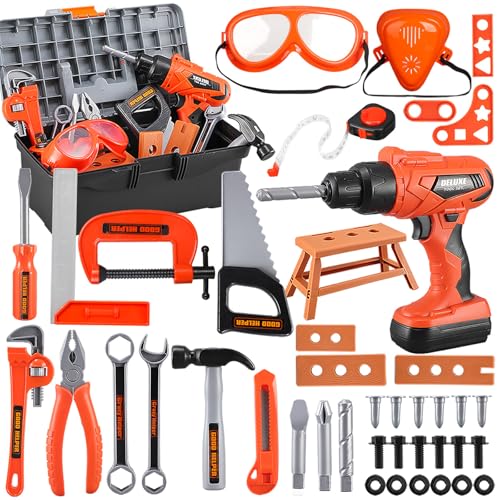
Essential tools include a drill, screwdriver, level, and measuring tape. These tools ensure accurate positioning and secure installation. Depending on the wall type, additional tools like anchors might be necessary.
Are Power Tools Better For Mounting?
Power tools provide efficiency and precision during installation. They help achieve a secure fit and reduce the risk of damage. For heavier objects, power tools are often recommended for optimal results.
Conclusion
Choosing the right tools for wall mounting is essential. Power tools can simplify the task and save time. They make the job easier and more efficient. But not everyone needs them. Consider your project's size and complexity. Simple tasks might only require manual tools.
Always prioritize safety and follow instructions. Evaluate your needs and skills. This helps in deciding the right tools for you. Proper preparation leads to successful wall mounting. With the right approach, your wall mount can be sturdy and secure. Enjoy your newly mounted space with confidence.