Ever found yourself questioning whether power tools are the right choice for your home improvement projects? You're not alone.
Power tools can feel intimidating, but they also promise efficiency and precision. Imagine transforming your DIY experiences from frustrating to fulfilling, all with the right gear in hand. You might wonder about the safety, the cost, or even the learning curve involved.
But what if mastering power tools could save you time and effort, and turn your dreams into reality? Stick with us as we unravel the myths and truths about power tools, helping you make informed decisions and empowering you to tackle any project with confidence. Your journey to becoming a DIY pro starts here.
Benefits Of Power Tools
Power tools have become indispensable in modern-day projects, whether you're a DIY enthusiast or a professional contractor. These tools offer a range of benefits that can significantly enhance your work efficiency and quality. From speeding up tasks to ensuring precise results, power tools are designed to make your life easier. Let's delve into the key advantages they bring.
Increased Speed
Imagine cutting through a thick plank with a handsaw. It takes effort and time. Now, picture using a power saw. The task is completed in a fraction of the time. Power tools are designed to accelerate your work, allowing you to accomplish more in less time. This speed isn't just about finishing faster; it's about freeing up time to focus on other important aspects of your project. Have you ever felt the satisfaction of completing a job ahead of schedule? That's the power of speed.
Precision And Accuracy
Precision is vital in any project. A slight mistake can lead to a redo, wasting time and resources. Power tools are engineered for accuracy. With features like laser guides and adjustable settings, they help you achieve exact measurements and cuts. Remember the frustration of manually aligning a drill for a perfect hole? Power drills with depth settings eliminate the guesswork, ensuring your results are spot-on every time.
Versatility In Projects
Whether you're building a bookshelf or renovating your kitchen, power tools offer unparalleled versatility. A single tool can handle multiple tasks, reducing the need for a crowded toolbox. Drill bits can be swapped for different materials, while multi-tools can sand, cut, and polish. This adaptability means you can tackle various projects without the need for multiple specialized tools. Have you ever thought about how much space you save by having a tool that can do it all?
Power tools are not just about efficiency; they transform the way you work. By embracing these benefits, you not only enhance your project outcomes but also enjoy the process more. What project will you tackle next with the power of these tools?
Comparing Manual And Power Tools
Have you ever found yourself standing in a hardware store, overwhelmed by rows of shiny power tools? You might wonder if they're worth the investment compared to your trusty manual tools. It’s a decision many DIY enthusiasts and professionals grapple with. Let’s break down the differences to help you make an informed choice.
Efficiency In Time
Time is precious, especially when you're juggling multiple tasks. Power tools often save you significant time by completing tasks faster than manual tools. Imagine cutting wood with a hand saw versus a circular saw. The difference in speed can be staggering.
Think about how much more productive your day could be. With power tools, you might finish a project in hours instead of days. Are you ready to maximize your efficiency?
Quality Of Work
Quality is crucial, whether you're building furniture or fixing a leaky faucet. Power tools provide precision that manual tools struggle to match. Take drilling a hole, for example. A power drill ensures consistency, while a manual drill might leave you with uneven edges.
But don't dismiss manual tools entirely. They offer a level of control and craftsmanship that power tools sometimes lack. What’s your priority: perfection or the personal touch?
Cost Implications
Money matters, and investing in tools can be a significant expense. Power tools often come with a hefty price tag, not just for purchase but also for maintenance. Batteries and repairs can add up over time.
Manual tools, on the other hand, are generally cheaper upfront. They require less maintenance and fewer parts to replace. If you're on a budget, consider how often you'll use the tool. Is the investment worth the price?
Ultimately, the choice between manual and power tools depends on your needs and priorities. Efficiency, quality, and cost are key factors to weigh. What’s your tool choice going to be for your next project?
Essential Power Tools For Diy
Power tools transform simple DIY projects into professional-like outcomes. They offer precision and efficiency. Every DIY enthusiast should have a set of essential power tools. These tools simplify tasks and save time. They help in achieving better results. Let's explore some indispensable power tools that can make any project smoother.
Drills And Drivers
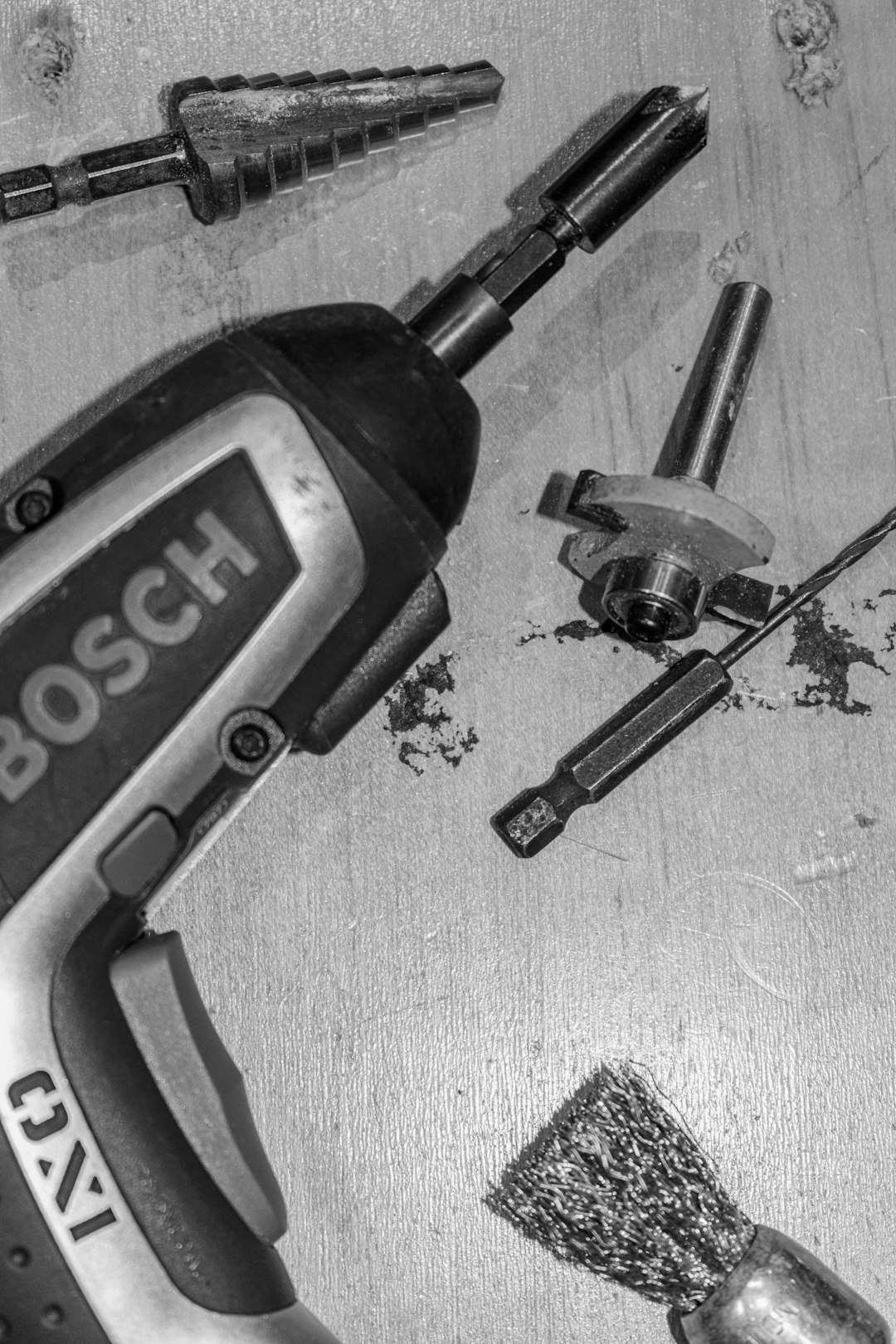
Drills and drivers form the backbone of any tool kit. A cordless drill offers mobility and ease of use. It can handle a variety of materials. From wood to metal, it drills holes with precision. A driver, on the other hand, is perfect for screwing tasks. It ensures screws are fastened securely. Both are essential for building and repairing.
Saws And Sanders
Saws cut materials with accuracy and speed. A circular saw is versatile for straight cuts. A jigsaw is ideal for curved and intricate cuts. Sanders smooth surfaces and prepare them for finishing. An orbital sander is great for large areas. It leaves surfaces ready for painting or staining. These tools help in achieving a polished look.
Multi-tools And Grinders
Multi-tools are the Swiss army knife of power tools. They perform cutting, sanding, and scraping tasks. Compact and easy to use, they fit into tight spaces. Grinders are perfect for metalwork and sharpening. They cut, grind, and polish metal surfaces. Essential for any project involving metal. Together, they expand the possibilities of DIY projects.
Safety Considerations
Power tools demand attention to safety. Always wear protective gear like gloves and goggles. Keep your workspace clean to prevent accidents. Read manuals carefully to understand each tool's operation. Stay alert to avoid injuries while working.
When using power tools, safety should be your top priority. These machines can make tasks easier, but mishandling them can lead to serious injuries. Knowing how to use them safely not only protects you but also enhances your efficiency. Let's dive into some key safety considerations that you should keep in mind every time you pick up a power tool.
Proper Handling
Always make sure you're familiar with the tool before using it. Read the manual thoroughly, as it contains specific instructions and warnings. Practice using the tool in a controlled environment to build confidence. Avoid rushing through tasks. Many accidents happen because someone was trying to finish quickly. Take your time and pay attention to what you're doing. Store power tools in a safe place, out of reach of children. Proper storage prevents accidental injuries and also prolongs the lifespan of your tools.
Protective Gear
Wearing the right protective gear is non-negotiable. Always use safety goggles to protect your eyes from flying debris. A simple misstep could lead to serious eye injury, an experience you don’t want to go through. Gloves can shield your hands from cuts and abrasions, but they should fit well. Loose gloves can get caught in moving parts. This small precaution makes a big difference. Consider ear protection if you're using loud power tools. Prolonged exposure to noise can damage your hearing over time. It's a small investment for long-term health.
Regular Maintenance
Maintaining your tools keeps them in top working condition. Check for any signs of damage or wear before each use. Small issues can turn into big problems if left unaddressed. Clean your tools after each use. Dust and debris can accumulate and affect performance. A clean tool is a safe tool. Schedule regular servicing for your power tools. Just like your car, they need professional care to function optimally. This not only ensures safety but also extends the tool's life. Are you confident in your power tool safety practices? Re-evaluating your habits might save you from potential hazards. Remember, a moment of carelessness can lead to a lifetime of regret. Stay safe and enjoy your projects with peace of mind.
Environmental Impact
Power tools offer convenience in our daily tasks. But their environmental impact is often overlooked. Understanding their footprint helps us make informed choices. From energy use to waste, every aspect matters. Let's explore the environmental implications of power tools.
Energy Consumption
Power tools rely on electricity. Frequent use increases energy demand. Tools like saws and drills consume significant power. Battery-powered tools also need charging. This contributes to energy use. Efficient models help reduce consumption. They save energy and lower bills.
Waste And Recycling
Old power tools become waste. Improper disposal harms the environment. Many parts are not biodegradable. Recycling options are available. Some companies offer take-back programs. Proper recycling reduces landfill waste. It also conserves valuable materials. Always recycle responsibly.
Sustainable Options
Sustainable choices are emerging. Eco-friendly power tools are now available. They use less energy and create less waste. Some models have recyclable parts. Others have longer life spans. Choosing sustainable options benefits the planet. It also supports green innovation.
Choosing The Right Power Tool
Choosing the right power tool can make a big difference. The right tool can save time and effort. It can also ensure better results. Picking a tool requires careful consideration. Think about what you need it for. Consider your budget and the brand. Think about how long it will last. Each factor plays a role in making the best choice.
Assessing Project Needs
Start by assessing your project needs. What task do you need the tool for? Is it for drilling, cutting, or sanding? Each task requires a specific tool. A drill won't cut wood. A saw won't drill holes. Knowing your needs helps in choosing the right tool. Consider the scale of your project. A small task might need a handheld tool. Bigger projects could need more powerful equipment.
Budget And Brand Considerations
Next, consider your budget. Power tools come in many price ranges. High-end tools offer advanced features. They might also last longer. But they cost more. Budget tools can be more affordable. They suit simple tasks or occasional use. Also, think about the brand. Trusted brands often provide better quality. They might also offer better customer support.
Longevity And Durability
Longevity and durability are important. A durable tool withstands wear and tear. It serves you well over time. Check the materials used in the tool. Metal parts are often more durable than plastic. Read reviews from other users. They can give you insights into the tool's lifespan. A reliable tool can be a wise investment.
Future Of Power Tools In Diy
The future of power tools in DIY is exciting and dynamic. Modern advances are shaping how enthusiasts approach their projects. These changes promise to enhance efficiency and safety. Let's explore what the future holds for power tools.
Technological Innovations
Technological advancements are making power tools more efficient. Lightweight materials are reducing fatigue during use. Advanced batteries allow longer operation without interruption. These improvements help DIYers work smarter, not harder.
Integration Of Smart Features
Smart features are now a part of power tools. Some tools connect to smartphones for better control. Users can adjust settings to suit their specific needs. This integration simplifies complex tasks and saves time.
Trends In Diy Communities
DIY communities are growing and evolving. Sharing tips and tricks online has become common. Enthusiasts seek tools that offer versatility and adaptability. This demand influences manufacturers to innovate continuously.
Frequently Asked Questions
What Are Power Tools Used For?
Power tools are used for tasks requiring efficiency and precision. They help in drilling, cutting, and fastening materials. These tools are essential for construction and DIY projects. By using power tools, you save time and achieve professional results.
How Do Power Tools Save Time?
Power tools speed up tasks that manual tools can't. They cut, drill, and sand quickly, increasing productivity. With their efficiency, projects are completed faster. This saves time, allowing more tasks to be done in a day.
Are Power Tools Safe To Use?
Power tools are safe with proper use and precautions. Always read the user manual before operating them. Wear safety gear like goggles and gloves. Ensure tools are well-maintained to prevent accidents. Following these guidelines ensures safe usage.
What Types Of Power Tools Exist?
There are various power tools, like drills, saws, and sanders. Each tool serves specific functions for different tasks. Cordless and corded options offer flexibility. These tools cater to both professional and DIY needs.
Conclusion
Power tools offer speed and precision for various tasks. They boost productivity and save time, making jobs easier. Safety is crucial, so always follow guidelines and wear protective gear. Choose the right tool for each project to get the best results.
Understand maintenance needs to extend their life. Whether for home or professional use, investing in quality tools is wise. They can handle tough jobs that manual tools cannot. Explore different options available to find ones that fit your needs. Power tools are a valuable addition to any toolkit.