
Have you ever found yourself standing in front of a tool store display, wondering how all those hand tools are organized? Understanding how hand tools are generally classified can be a game-changer for you.
It can save you time, money, and even prevent frustration when you're trying to find the right tool for the job. Imagine knowing exactly what you need and where to find it with just a glance. This knowledge not only boosts your confidence but also enhances your productivity.
By diving into the classification of hand tools, you'll gain insights that can transform your approach to projects, whether you're a DIY enthusiast or a seasoned professional. Stick with us as we unravel the mystery behind the categories and features that define your favorite tools.
Categories Of Hand Tools
Hand tools are essential in various tasks, from construction to crafting. They are classified into specific categories based on their function and design. Understanding these categories helps in selecting the right tool for the job. This not only improves efficiency but also ensures safety. Let's delve into the main categories of hand tools.
Cutting Tools
Cutting tools are designed to slice or trim materials. Common examples include saws, knives, and scissors. These tools must be sharp and well-maintained. Sharp tools make precise cuts and reduce effort. Keeping them clean and rust-free extends their life.
Striking Tools
Striking tools deliver force to an object. Hammers and mallets fall into this category. They are used to drive nails or shape materials. Proper grip and technique are essential for safety. Always ensure the tool is in good condition before use.
Holding Tools
Holding tools secure or grip materials. Pliers and clamps are typical examples. They help in tasks requiring precision and stability. These tools prevent slippage and enhance control. Regular checks for wear and tear are important.
Fastening Tools
Fastening tools join materials together. Screwdrivers and wrenches are widely used. They ensure parts are tightly secured. Choosing the right size and type is crucial. This prevents damage and ensures a firm hold.
Cutting Tools Varieties
Cutting tools are essential in every toolbox. They shape and cut materials. Each tool serves a specific purpose. Understanding these varieties improves your work efficiency. Let's explore the common types.
Saws And Blades
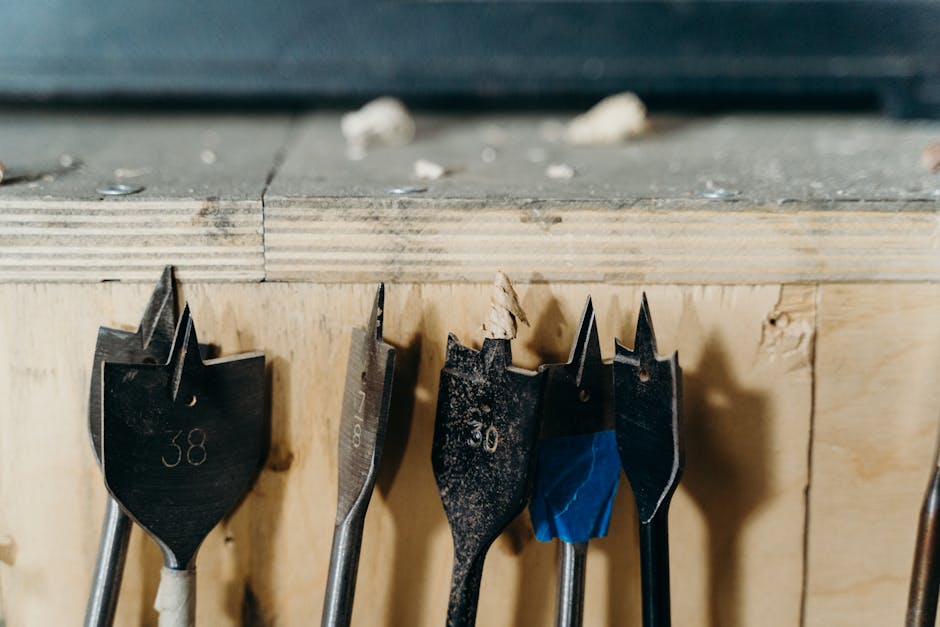
Saws and blades come in many forms. They cut through wood, metal, and plastic. A hand saw is a popular choice for wood. Its sharp teeth make clean cuts. Hacksaws are great for metal. They have fine teeth for precise cuts. Circular saws offer speed and power. They cut large materials quickly.
Chisels And Planes
Chisels are versatile hand tools. They carve and shape wood. Woodworkers use them for detailed work. Beveled chisels are common for general use. They make smooth, straight cuts. Planes smooth rough surfaces. They shave wood to the desired thickness. Block planes are small and handy. They fit well in your hand. Bench planes are larger. They handle bigger tasks with ease.
Striking Tools Types
Striking tools are essential in many DIY and professional projects. They help you apply force to achieve specific results. You might have used a hammer to hang a picture or a chisel to shape wood. Each type of striking tool has its unique purpose and design. Understanding the different categories can enhance your efficiency and safety. Let's dive into some common types: hammers, mallets, punches, and chisels.
Hammers And Mallets
Hammers are perhaps the most recognized striking tool. They come in various designs, such as claw hammers for driving nails and sledgehammers for heavy-duty demolition. Imagine trying to build a piece of furniture without a hammer; it would be nearly impossible. A good hammer can make your task easier, faster, and more precise.
On the other hand, mallets have a softer touch. They are often used in woodworking and crafting. Unlike a hammer, a mallet is less likely to damage the surface you're working on. If you're working with delicate materials, a mallet might be your best friend. Have you ever used a rubber mallet to assemble a piece of IKEA furniture? It’s a game-changer for avoiding dents.
Punches And Chisels
Punches are tools designed to create holes or indentations in a material. They are perfect for marking or starting holes before drilling. If you've ever had a drill bit wander off its mark, you know how frustrating it can be. A punch helps keep your drill bit steady and accurate.
Chisels are versatile tools used for cutting or shaping materials. They are essential in woodworking, metalworking, and even stone carving. A sharp chisel can transform a simple block into a detailed masterpiece. If you're passionate about crafting, mastering the chisel is a skill worth developing.
Consider this: each striking tool has its own language. A hammer speaks in thuds, a mallet whispers in taps, and a chisel slices with precision. Which tool do you think fits your current project best? Knowing when to use each can make a substantial difference in your work's quality and efficiency.
Holding Tools Options
Hand tools play a crucial role in various tasks. Holding tools are essential for securing objects in place during work. These tools help ensure precision and safety. Let's explore some common holding tools.
Pliers And Wrenches
Pliers come in different types for gripping and holding objects. They offer a firm grip on wires and bolts. Needle-nose pliers are great for small spaces. Slip-joint pliers adjust to different sizes. Wrenches, on the other hand, tighten or loosen nuts and bolts. They come in fixed or adjustable types. Each serves a unique purpose in toolkits.
Clamps And Vises
Clamps are vital for holding materials together. They keep pieces from moving during work. There are C-clamps, bar clamps, and spring clamps. Each has its own use. Vises attach to workbenches and hold workpieces steady. They are perfect for sawing or drilling tasks. Both clamps and vises provide stability. They ensure safety and accuracy in projects.
Fastening Tools Examples
Fastening tools play a crucial role in construction and DIY projects. They help secure materials together with precision. These tools come in various shapes and sizes. Each has a specific function in fastening tasks. Whether you are assembling furniture or building a deck, the right fastening tool makes the job easier. Let's explore some common examples of fastening tools.
Screwdrivers And Nut Drivers
Screwdrivers are essential for driving screws into surfaces. They come in different types, including flathead and Phillips. Each type fits specific screw heads. Nut drivers are similar, but they turn nuts and bolts. They provide a firm grip and are easy to handle. Both tools are staples in any toolkit.
Staplers And Nailers
Staplers fasten thin materials like paper or fabric. They use metal staples to hold materials together securely. Nailers, on the other hand, drive nails into wood or other surfaces. They save time and effort compared to manual hammering. Both tools offer speed and efficiency in fastening tasks.
Specialized Hand Tools
When we think about hand tools, our minds often jump to basic tools like hammers and screwdrivers. However, there exists a fascinating world of specialized hand tools designed for specific tasks and professions. These tools not only make certain jobs easier but also ensure precision and safety. So, what makes these tools special, and how do they cater to different needs? Let's dig deeper into the realm of specialized hand tools.
Measuring And Layout Tools
Precision is key in many tasks, from carpentry to metalwork. Measuring and layout tools are your best friends when accuracy matters. Consider the humble tape measure: it’s not just about measuring length, but about ensuring every cut and installation is perfect.
Think about the last time you hung a picture. Did you use a spirit level to make sure it was straight? This tool helps you avoid the dreaded tilted artwork. Layout tools like squares and calipers are also crucial. They help you mark exact angles and dimensions, ensuring everything aligns perfectly.
Have you ever thought about how architects design buildings? They rely heavily on these tools to translate their visions into reality. So, next time you use a ruler or level, remember their role in creating precision and perfection.
Electrical Tools
Electrical tools are essential for anyone working with wiring and circuits. These tools aren't just for electricians; they can be incredibly useful for DIY enthusiasts too. Ever tried changing a light fixture without the right tools? It can quickly become a frustrating task.
Tools like wire strippers, voltage testers, and crimping tools make electrical tasks safer and more efficient. They ensure you can handle wires without damaging them or risking electrical shock. For example, a voltage tester can tell you if a wire is live, preventing dangerous mistakes.
Do you remember the first time you dealt with an electrical issue at home? Having the proper electrical tools can make such tasks much less daunting. With the right tools, you can tackle small electrical repairs confidently and safely.
Specialized hand tools are more than just additions to your toolkit; they are essential allies in achieving precision and safety. As you explore these tools, consider how they can make your tasks easier and more efficient. What specialized tool could you add to your collection?
Choosing The Right Hand Tools
Hand tools are classified based on their function and design. Categories include cutting tools, such as saws and scissors, and gripping tools like pliers and wrenches. Other types include striking tools, such as hammers, and measuring tools, like rulers and levels.
Understanding these helps in selecting the right tools.
Choosing the right hand tools can be a daunting task. With so many options available, how do you ensure you're picking the best one for your needs? The right tools not only make your tasks easier but also enhance efficiency and safety.
Material Considerations
The material of a hand tool plays a vital role in its durability and performance. Steel tools, especially those made from high-carbon steel, are known for their strength and longevity. However, they might be heavier than tools made from other materials. On the other hand, tools made with alloy or composite materials can offer a good balance of strength and lightweight properties. Consider what you'll use the tool for. If you need something robust for heavy-duty tasks, go for high-quality steel. For lighter tasks, a tool made from lighter materials might suffice.
Ergonomics And Safety
Ergonomics can make a world of difference, especially if you use hand tools frequently. Tools with well-designed handles reduce strain and increase comfort. Look for tools with rubber grips or contoured designs to enhance your grip. Safety is another critical factor. Tools with safety locks or mechanisms can prevent accidents. Always check for any additional safety features before purchasing. Have you ever struggled with a tool that felt uncomfortable or unsafe? Investing in ergonomically designed tools can prevent such issues. When choosing hand tools, every detail matters. By considering material and ergonomic design, you can select tools that are not only effective but also safe and comfortable to use.
Maintenance And Care
Hand tools are valuable assets in any toolkit. Proper maintenance and care ensure their longevity and efficiency. Regular attention to cleaning, storage, sharpening, and calibration is essential. This guide outlines the best practices for maintaining your hand tools.
Cleaning And Storage
Clean tools after each use. Dirt and residue can cause rust. Use a dry cloth to wipe them down. For stubborn grime, a mild soap solution works well. Ensure tools dry completely before storing. Moisture leads to rust and damage. Store tools in a cool, dry place. Toolboxes or cabinets are ideal. Proper organization prevents damage and makes tools easy to find. Invest in tool organizers for better storage.
Sharpening And Calibration
Sharp tools perform better and are safer. Regular sharpening keeps edges precise. Use a sharpening stone or file for the best results. Follow the original angle of the blade. Check calibration of tools like wrenches and screwdrivers. Misalignment can lead to inaccurate results. Adjust settings regularly to maintain accuracy.
Frequently Asked Questions
What Are The Main Types Of Hand Tools?
Hand tools are generally classified into cutting, striking, fastening, and holding tools. Cutting tools include saws and scissors, while striking tools encompass hammers and mallets. Fastening tools like screwdrivers and wrenches help secure components. Holding tools like pliers and clamps assist in gripping and positioning materials.
How Are Hand Tools Categorized?
Hand tools are categorized by function, material, and usage. Functional categories include cutting, fastening, and measuring tools. Material categories cover metal, wood, and plastic tools. Usage categories consider household, industrial, and professional applications. These classifications aid in selecting the appropriate tool for specific tasks.
Why Is Hand Tool Classification Important?
Classification helps identify the right tool for specific tasks. It ensures efficiency, safety, and precision in various applications. Understanding categories assists in choosing durable materials and designs. Proper classification also enhances tool organization, maintenance, and user education, contributing to effective tool utilization.
How Do Cutting And Fastening Tools Differ?
Cutting tools remove material to shape or divide objects. They include scissors, saws, and knives. Fastening tools join materials together or adjust tightness. Common examples are screwdrivers, wrenches, and pliers. Both types are essential for constructing and repairing diverse items across industries.
Conclusion
Hand tools are essential for any project. They come in various types. Each type has its specific use and benefits. Understanding tool classification helps in choosing the right tool. It saves time and effort. From cutting tools to measuring tools, each plays a role.
Proper usage ensures safety and efficiency. Keep learning about tools to enhance skills. Practice is key. Start with the basics, then expand your knowledge. Always prioritize safety. Use tools with care. Hand tools are the backbone of many tasks. They make work easier and more effective.