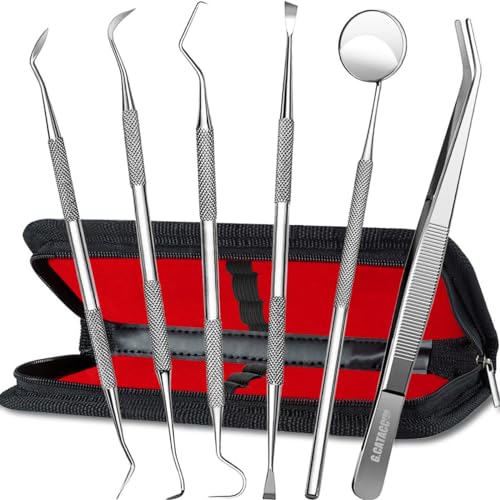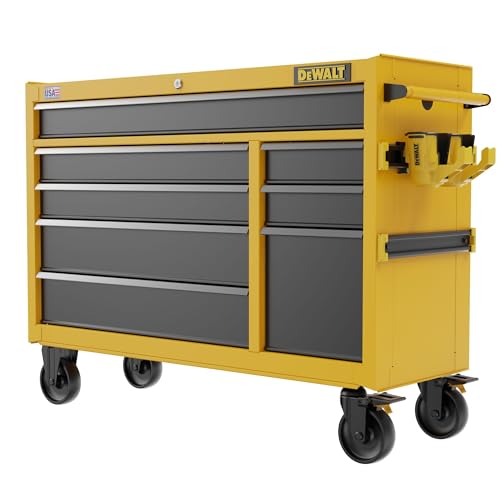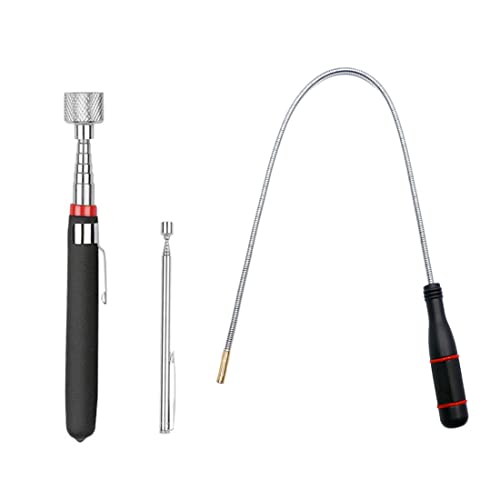
Have you ever wondered how the tools you use daily come to life? Hand tools, those trusty companions in your toolbox, have a fascinating journey from raw materials to finished products.
Understanding how they are made can deepen your appreciation for these essential implements and even enhance your usage of them. Imagine holding a hammer or a wrench and knowing the craftsmanship and precision that went into its creation. We'll unveil the secrets behind the manufacturing process of hand tools, giving you a peek behind the curtain and satisfying your curiosity.
Get ready to discover the artistry and technology that transform simple materials into the reliable tools you rely on. Stick around, and you might just view the contents of your toolbox in a whole new light.
History Of Hand Tool Craftsmanship
Craftsmen have honed the art of making hand tools over centuries. Skilled artisans shape metal and wood through forging and carving. Each tool is carefully crafted to ensure precision and durability, reflecting a rich tradition of craftsmanship.
Understanding the history of hand tool craftsmanship offers a fascinating glimpse into human innovation and adaptation. From the first stone tools to the finely crafted instruments used today, each tool tells a story of ingenuity and perseverance. In this section, we will explore the evolution of hand tools, highlighting key milestones in their development and the artisans behind them.
The Dawn Of Tool Making
The journey of hand tools began millions of years ago with our earliest ancestors. Simple stone tools were crafted to hunt and gather food. These early implements were the foundation of survival and civilization. Imagine the determination it took to chip away at rocks to create something useful. This primal innovation laid the groundwork for future advancements in tool making.
Bronze And Iron Ages: A Leap In Craftsmanship
The Bronze Age marked a significant leap in tool making. The discovery of metalwork allowed for stronger and more durable tools. Artisans began to specialize, honing their skills to create more sophisticated implements. The Iron Age followed, bringing even more innovation. Tools became sharper and more efficient, transforming agriculture and warfare.
Medieval Craftsmanship: Guilds And Mastery
During the medieval period, craftsmanship reached new heights with the formation of guilds. These organizations standardized skills and quality, ensuring that tools were crafted with precision. Apprentices learned from masters, passing down techniques through generations. This era saw the rise of specialized tools for trades such as carpentry and blacksmithing, each crafted with care and expertise.
The Industrial Revolution: Mass Production
The Industrial Revolution brought about mass production, forever changing the landscape of tool making. Machines began to replace hand-crafted methods, allowing for quicker and cheaper production. While efficiency increased, the artistry of hand craftsmanship was at risk of being lost. Yet, this era also saw the birth of many of the tools we use today.
Modern Revival: Artisans And Custom Tools
In recent years, there has been a resurgence in appreciation for hand-crafted tools. Artisans around the world are reviving traditional methods, creating custom tools that blend functionality with artistry. This movement celebrates the uniqueness of hand-crafted items, reminding us of the skill and dedication required to create them. Does owning a tool hand-crafted by an artisan change your perspective on craftsmanship? It’s a testament to the enduring legacy of hand tool craftsmanship, connecting us to a rich history of innovation and human spirit.
Materials Used In Hand Tool Making
Hand tools have been essential for human progress. The materials used in their creation define their strength and function. Different materials cater to diverse needs, ensuring reliability and durability. Understanding these materials can enhance appreciation for these everyday tools.
Traditional Metal Choices
Steel stands out as a prime choice for hand tools. Its strength and durability make it ideal. Carbon steel and stainless steel are common types. Carbon steel is tough and holds a sharp edge. Stainless steel resists rust, making it great for outdoor tools. Brass is another traditional choice. It's softer but resists corrosion well. Used often in decorative tools.
Innovations In Material Science
Modern advances bring new materials to hand tool manufacturing. High-speed steel is one such innovation. It withstands high temperatures without losing hardness. Tungsten carbide is another advanced material. It offers extreme hardness and long-lasting sharpness. Composite materials are gaining popularity too. They provide strength while being lightweight. These innovations offer new possibilities for tool design and function.
Designing Hand Tools
Designing hand tools involves a careful blend of art and science. Designers consider both form and function in the process. A well-designed tool not only looks good but also works efficiently. It must fit the user's hand and serve its intended purpose effectively. This balance ensures that the tool meets the user's needs and enhances productivity.
Ergonomic Considerations
Ergonomics plays a crucial role in hand tool design. Designers study the human hand and its movements. They ensure the tool reduces strain and fatigue during use. The handle shape and size must fit various hand sizes. Materials like rubber or plastic offer a comfortable grip. These elements help prevent blisters and calluses. A well-designed tool promotes a safer work environment.
Functional Design Elements
Functionality is key in designing hand tools. Each tool serves a specific purpose. Designers focus on optimizing this function. They choose materials that are durable and lightweight. The tool's weight affects its balance and ease of use. Sharpness and precision are critical for cutting tools. For tools like hammers, impact strength is essential. These elements ensure the tool performs its task efficiently.
Forging And Shaping Techniques
Hand tools are essential in everyday tasks. Their creation involves detailed processes. Forging and shaping are key steps in making these tools. These techniques determine the tool's durability and function.
Heat Treatment Processes
Heat treatment is vital in forging. It changes the metal's properties. The process starts by heating the metal to high temperatures. This makes it malleable and easy to shape. After shaping, the metal cools slowly. This cooling strengthens the tool. It also prevents wear and tear. Many tools undergo tempering. This involves reheating and cooling again. Tempering improves flexibility and toughness.
Precision In Shaping
Precision is crucial in shaping. It ensures the tool performs well. Skilled craftsmen use hammers and dies. They mold the hot metal into specific shapes. Accuracy is important here. Even a small error affects tool performance. Modern techniques use machines for precision. These machines cut and mold the metal with great accuracy. The result is a tool that fits perfectly in hand.
Artisans And Their Skills
Hand tools have been crafted for centuries, and behind each tool lies the dedication and skill of artisans. These craftsmen devote their lives to creating tools that not only serve a purpose but also stand the test of time. Understanding their skills offers you a glimpse into the magic that transforms raw materials into essential tools.
Master Craftsmen Profiles
Meet John, a blacksmith with over 30 years of experience. He started as an apprentice in a small workshop, fascinated by the way metal could be shaped under intense heat. Today, John's chisels are sought after by woodworkers across the country.
Then there's Maria, a woodcarver whose precision and attention to detail bring life to wooden handles. Her grandfather taught her the craft, passing down not just techniques but also a passion for creating beauty and functionality. Each handle she carves tells a story of tradition and skill.
What makes these craftsmen excel? It's their unwavering commitment to quality and their continuous pursuit of learning. They don't just make tools; they craft legacies.
Skill Development And Training
Becoming a master artisan doesn't happen overnight. It requires years of practice, patience, and learning. Aspiring craftsmen often start as apprentices, absorbing knowledge from seasoned experts.
Workshops and training programs are crucial in honing these skills. They offer hands-on experience with different materials and techniques. This practical exposure helps artisans understand the nuances of tool-making, from selecting the right wood grain to mastering the forge's heat.
Have you ever wondered what it takes to turn a block of wood or a piece of metal into a finely crafted tool? It's about understanding the material and the process, and it comes from relentless practice and learning. Are you willing to invest that much time and effort into mastering a craft?
Artisans also benefit from modern advancements. Online courses and digital resources complement traditional learning, offering insights into new techniques and global trends. In this evolving landscape, the blend of old and new keeps the craft alive and vibrant.
These artisans’ skills are not just about creating tools but about preserving a heritage of craftsmanship. As you hold a handcrafted tool, remember the skill and dedication it embodies. Could you imagine dedicating yourself to a craft with such passion and precision?
Quality Testing And Standards
Crafting hand tools involves precision and care. Each tool undergoes strict quality testing to meet industry standards. This ensures durability and reliability for everyday use.
Quality testing ensures hand tools meet high standards. It guarantees reliability and safety. Each tool undergoes rigorous checks before reaching the market. Testing identifies any defects and ensures compliance with industry standards. Let's explore how quality testing enhances durability and safety in hand tools.
Durability Assessments
Durability tests assess a tool's lifespan under stress. Tools face various environmental conditions. Tests simulate real-world usage. This ensures tools withstand wear and tear. Manufacturers apply pressure, heat, and chemicals. These tests reveal weak points. Only robust tools pass durability assessments.
Safety Protocols
Safety protocols protect users from harm. Tools must meet strict safety standards. Tests ensure handles don't slip and blades don't break. Safety checks also include electrical safety for power tools. Manufacturers follow international safety guidelines. This reduces accidents and enhances user trust. Quality testing and standards play a crucial role in tool manufacturing. They ensure tools are reliable, durable, and safe.
Challenges In Modern Hand Tool Production
Hand tool production faces many challenges today. The industry needs to balance tradition with new technologies. Environmental impact of manufacturing processes is a big concern. Producers must adapt to changing demands while ensuring quality and sustainability.
Balancing Tradition And Innovation
Hand tools have a rich history. Many techniques used are centuries old. Tradition is valued for its craftsmanship. Modern production introduces new methods. Automation can speed up processes. It can also reduce costs. Yet, it may sacrifice the tool's quality. Craftsmen strive to keep traditional methods alive. They also embrace new technologies that improve precision. Finding a balance between old and new is vital.
Environmental Considerations
Manufacturing impacts the environment. Pollution and waste are concerns. Traditional methods can be resource-heavy. Modern production seeks to reduce this impact. Sustainable practices are now essential. Manufacturers use eco-friendly materials. They also adopt energy-efficient processes. Recycling and waste management are priorities. Consumers prefer tools made responsibly. This drives the industry towards greener solutions.
Future Trends In Hand Tool Crafting
Hand tools are evolving with new technologies and eco-friendly materials. Crafting focuses on precision and durability. Modern techniques ensure tools are efficient and ergonomic, meeting the needs of craftsmen.
As we look to the future of hand tool crafting, it’s clear that innovation is shaping the industry in exciting ways. Hand tools have always been a staple in craftsmanship, but with modern advancements, they’re evolving to meet new demands. From sustainable practices to cutting-edge technology, hand tool crafting is undergoing a transformation that promises to improve both quality and sustainability.
Technological Advancements
The rise of technology is revolutionizing how hand tools are made. 3D printing, for instance, allows manufacturers to create prototypes quickly, leading to faster production times. This means you can expect more tools on the market that are finely tuned to your needs. Moreover, smart tools are becoming a reality. Imagine a hammer that can sense the force of your swing, offering feedback to enhance your technique. These innovations are not just futuristic concepts; they’re paving the way for more efficient and user-friendly tools. Are you ready to embrace these technological shifts? As a consumer, staying informed about these advancements can help you make better purchasing decisions.
Sustainability In Production
Sustainability is no longer just a buzzword—it's a necessity. Tool manufacturers are now focusing on eco-friendly materials and processes. Recycled metals and biodegradable plastics are being used to reduce environmental impact. In my experience, choosing sustainably produced tools not only benefits the planet but also enhances your sense of responsibility. It’s empowering to know that your actions contribute to a healthier environment. Manufacturers are also adopting energy-efficient processes. By reducing energy consumption, the carbon footprint of tool production is significantly lowered. Have you considered the environmental impact of your tools? Choosing sustainable options can be a small step towards a big change. The future of hand tool crafting is dynamic and promising. With a focus on technology and sustainability, the tools of tomorrow are set to be smarter and greener. As these trends evolve, how will you adapt your toolkit to meet these new opportunities?
Frequently Asked Questions
What Materials Are Used To Make Hand Tools?
Hand tools are typically made from durable materials like steel, iron, or aluminum. These materials ensure strength and longevity. Handles might be made of wood, plastic, or rubber for comfort. The choice of material depends on the tool's purpose and the required durability.
How Are Hand Tools Designed?
Hand tools are designed through a process that involves conceptualization, prototyping, and testing. Designers focus on ergonomics and functionality. Advanced software aids in creating precise designs. Once the design is finalized, it undergoes various tests to ensure it meets safety and performance standards.
What Is The Manufacturing Process For Hand Tools?
The manufacturing process includes forging, casting, machining, and assembling. Forging shapes the metal under high pressure. Casting molds the tool's components. Machining refines the shape and adds details. Finally, assembling combines all parts into a functional tool. Quality checks ensure reliability and safety.
How Is Quality Control Ensured In Hand Tool Production?
Quality control involves rigorous testing at various production stages. Tools undergo stress tests to ensure durability. Inspections check for defects and precision. Feedback loops help in continuous improvement. This process ensures each tool meets industry standards and is safe for consumer use.
Conclusion
Creating hand tools involves precision and skilled craftsmanship. Raw materials are carefully selected for durability. Each tool is shaped and polished to perfection. Quality checks ensure tools meet high standards. Skilled workers use experience and attention to detail. The final product is reliable and efficient.
Hand tools play a vital role in daily tasks. Their making process showcases human creativity and hard work. Understanding this process enhances appreciation for these essential tools. Discovering their creation can inspire respect for craftsmanship. Knowing how they are made connects us to their value.