Have you ever wondered how investigators manage to solve crimes with such precision? One fascinating aspect of forensic science is the collection of tool marks.
These seemingly minor details can be the key to unlocking a mystery. If you’re curious about how tool marks are collected and analyzed, you're in the right place. Imagine the thrill of uncovering evidence that could crack a case wide open.
You'll discover the step-by-step process experts use to gather these crucial clues. Get ready to delve into the world of forensic science and learn how every mark tells a story.
Tool Marks Basics
Tool marks are vital evidence in crime investigations. These marks occur when a tool makes contact with a surface. The resulting impressions can reveal crucial information. Forensic experts collect and analyze these marks carefully. This helps solve crimes and identify culprits.
Understanding tool marks is essential in forensics. It requires knowledge of their types and significance. Let's explore this fascinating field further.
Types Of Tool Marks
Tool marks come in various forms. The primary types are striated and impressed marks. Striated marks occur when a tool slides across a surface. This creates a pattern of lines. Impressed marks happen when a tool presses into a surface. This leaves a distinct impression. Each type provides different clues for analysis.
Importance In Forensic Analysis
Tool marks are crucial in forensic analysis. They can link a suspect to a crime scene. The unique patterns of each tool help in identification. Experts compare marks from the crime scene with test marks. This process can confirm or rule out a suspect's involvement.
Tool marks also provide insights into the tool's usage. They help establish timelines and actions taken during the crime. This makes them invaluable in legal proceedings.
Collection Techniques
Collecting tool marks is crucial in forensic investigations. Proper methods ensure accuracy. Various techniques are used to gather evidence. These methods help in analyzing tool marks effectively. Each technique has its own advantages. Let's explore some of these techniques.
Impression Methods
Impression methods involve pressing a tool into a soft surface. This creates a negative imprint of the tool. Clay or soft wax is often used for this. Impressions capture fine details of the tool mark. They provide a direct representation. This method is quick and simple.
Casting Techniques
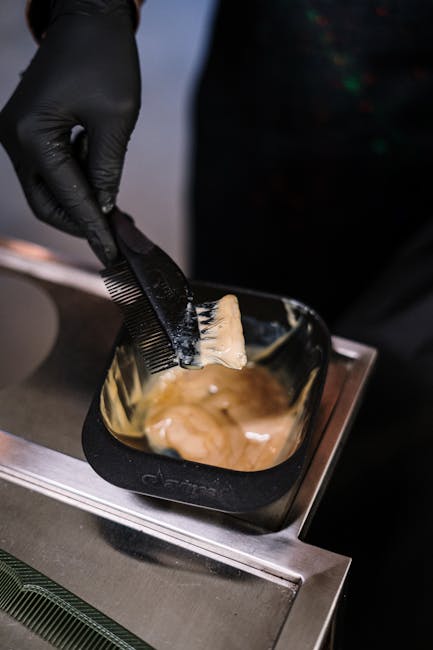
Casting techniques are used for more permanent records. A liquid substance is poured over the tool mark. Once it hardens, it forms a replica. Dental stone or silicone rubber are common casting materials. They pick up intricate details. Casts are durable and easy to handle. They can be used repeatedly for analysis.
Photographic Documentation
Photographic documentation captures tool marks visually. High-resolution cameras are essential. Photos should be taken from multiple angles. Lighting is important to highlight details. Scales are included for size reference. Digital photos can be enhanced for clarity. This method is non-invasive and quick.
Expert Equipment
Collecting tool marks involves using precise techniques to capture impressions left on surfaces. Experts employ casting materials to create detailed replicas of these marks. This allows for accurate analysis and comparison.
Collecting tool marks is a meticulous process that requires precision and skill. This task becomes significantly more effective with the right equipment at hand. Expert equipment ensures that the collected evidence is accurate and can be used in investigations to identify specific tools involved in a crime.
Specialized Tools
When gathering tool marks, specialized tools are essential. These tools include casting materials like silicone rubber, which capture fine details of the marks. A personal experience with casting materials taught me the importance of patience—waiting for the material to set properly ensures a perfect impression. Microscopic devices also play a crucial role. They help in examining the tool marks closely to identify unique patterns. Have you ever wondered how investigators can tell one screwdriver from another? It often comes down to these microscopic differences.
Portable Kits For Fieldwork
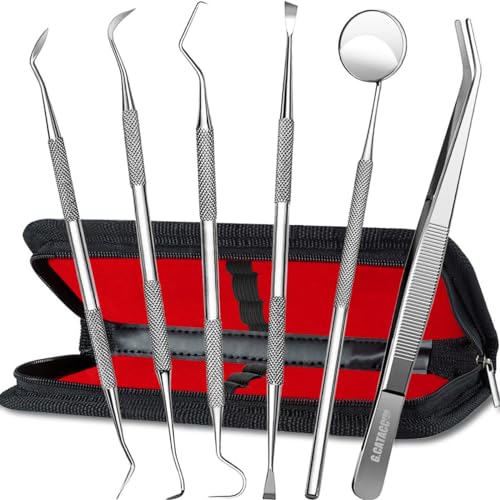
Fieldwork demands portability and efficiency. Portable kits come equipped with essential tools and materials, allowing investigators to collect evidence directly at the crime scene. These kits are compact but comprehensive, often including magnifying glasses, tweezers, and portable light sources. Imagine being at a remote location without the right gear. Portable kits ensure you're always prepared, no matter where the investigation takes you. They provide everything you need to capture and preserve tool marks effectively on-site, minimizing the risk of losing critical evidence during transportation. Consider investing in quality kits to enhance your fieldwork capabilities. How prepared are you for unexpected challenges in evidence collection? Having the right equipment can make all the difference.
Analysis Process
The analysis process of tool marks is a fascinating journey that transforms seemingly insignificant scratches into key pieces of evidence. Understanding how these marks are scrutinized can help you appreciate the meticulous work of forensic experts. Whether you're a budding detective or just curious about crime scene investigations, knowing how tool marks are analyzed can offer valuable insights.
Comparative Analysis
Comparative analysis is like piecing together a puzzle. Imagine having a toolkit where each tool leaves its unique signature. Experts compare these signatures against marks found at crime scenes. They look for similarities in size, depth, and pattern.
Think of it as matching fingerprints, but for tools. The goal is to identify which tool made the mark, providing crucial links between evidence and suspects. It's a methodical process that requires attention to detail and patience.
Microscopic Examination
Microscopic examination takes the analysis to a whole new level. Picture yourself peering through a microscope, discovering hidden intricacies that the naked eye can't see. This step magnifies the tool marks, revealing tiny grooves and scratches.
These microscopic details can differentiate between two seemingly identical marks. It’s akin to discovering a secret code within the evidence. This precision helps forensic experts make more accurate connections and conclusions.
Have you ever wondered how a simple scratch can tell a story? By examining these marks closely, you can uncover details that might otherwise be missed. This level of scrutiny ensures justice is served, one tiny mark at a time.
Challenges In Collection
Tool marks are collected using techniques like casting and photography. These methods preserve intricate details. Challenges arise from environmental factors and surface textures, which can alter or obscure tool mark patterns, complicating analysis and identification.
Collecting tool marks at a crime scene is not just about picking up evidence; it involves navigating a maze of challenges. Each environment presents unique hurdles, and the preservation of these marks can prove tricky. As you collect evidence, consider the factors that might affect its integrity. With a careful approach, you can overcome these obstacles and maintain the quality of the evidence.
Environmental Factors
Weather can play a significant role in how tool marks are collected. Rain or snow can wash away or distort marks, making it difficult to analyze them later. If you're dealing with a wet environment, use plastic coverings or tarps to protect the scene. Extreme temperatures are another challenge. Heat can cause materials to expand, while cold can make them brittle. Both scenarios can alter the appearance of tool marks. Have you ever tried handling evidence in freezing conditions? It’s a tough task that requires special equipment and quick action. Don’t forget about the terrain. Muddy or unstable ground can make accessing tool marks difficult without disturbing the scene. Use portable platforms or ladders to reach areas without leaving your own marks behind.
Preservation Concerns
Once tool marks are located, preserving them becomes the next challenge. Improper handling can lead to contamination or damage. Always use gloves and clean tools when collecting evidence to avoid introducing foreign materials. Think about how you'll transport the evidence. Fragile items might require padded containers, while larger items may need support to prevent shifting. Ever tried moving a large piece of evidence without causing damage? It requires a strategic plan and careful execution. Consider how long the evidence will be stored. Tool marks may degrade over time, especially if exposed to air or moisture. Seal them in airtight containers to maintain their condition for future examination. By understanding these challenges, you can be better prepared when collecting tool marks. What strategies do you use to overcome these obstacles? Your approach can make a significant difference in the outcome of an investigation.
Case Studies
Case studies provide real-life examples of tool mark collection in action. They highlight the challenges and successes in forensic investigations. Through these stories, we see how tool marks play a crucial role in solving crimes.
Real-world Examples
In a burglary case, tool marks on a safe helped identify the suspect. The marks matched those from a previous crime scene. This connection led to the suspect's arrest. Another case involved a murder weapon with unique tool marks. The marks linked the weapon to a suspect's workshop. This evidence was vital in securing a conviction.
Impact On Investigations
Tool mark evidence can make or break a case. It provides a physical link between crime scenes and suspects. Such evidence strengthens the prosecution's case in court. It can also lead to the discovery of new evidence. In some cases, it even exonerates the innocent. Thus, tool mark collection impacts investigations significantly.
Future Innovations
Tool marks are gathered using specialized techniques in forensic investigations. Experts use casting materials to create detailed replicas of marks left on surfaces. These replicas help in analyzing and comparing the tool marks to identify the tools used in a crime.
When considering the future of tool mark collection, the landscape is evolving faster than ever. With technological advancements, the way forensic experts analyze and collect tool marks is becoming more precise and efficient. These innovations are not just improving accuracy but are also making the process more accessible to a wider range of professionals.
Advancements In Technology
Recent developments in technology are reshaping how tool marks are collected. 3D scanning is one of the most exciting breakthroughs, allowing for highly detailed digital replicas of tool marks. This ensures that minute details are captured without the risk of damaging the original evidence. Imagine a world where you can analyze a crime scene from your desk. Virtual reality tools are making this a reality, offering immersive experiences that bring forensic experts closer to the evidence than ever before. These tools are not only enhancing the quality of analysis but also saving valuable time.
Improving Accuracy
Accuracy in tool mark analysis is crucial. Even a small error can lead to incorrect conclusions. New software tools equipped with machine learning algorithms are helping to reduce human error. They analyze patterns in tool marks with precision that was previously unimaginable. Consider the impact of these tools on cold cases. With improved accuracy, old evidence can be re-evaluated, potentially bringing justice to cases that were once considered unsolvable. Isn't it fascinating how a tiny advancement in technology can make such a significant difference? As you ponder these innovations, think about how they can change the field of forensics. What future technologies could further enhance the collection and analysis of tool marks? Your curiosity and engagement with these questions can inspire the next wave of forensic innovation.
Frequently Asked Questions
What Are Tool Marks In Forensics?
Tool marks are impressions left by tools on surfaces. They are crucial in forensic investigations. By analyzing these marks, experts can link a tool to a crime scene. They help identify the specific tool used, providing critical evidence in criminal cases.
How Do Investigators Collect Tool Marks?
Investigators use various methods to collect tool marks. They often make silicone or rubber casts of the marks. These casts preserve the details for analysis. High-resolution photography is also used to document the marks. Proper collection ensures accurate examination and comparison.
Why Are Tool Marks Important In Investigations?
Tool marks play a vital role in criminal investigations. They help link a suspect to a crime scene. By analyzing these marks, forensic experts can match them to specific tools. This evidence can be crucial in solving crimes and securing convictions.
Can Tool Marks Identify A Specific Tool?
Yes, tool marks can identify a specific tool. Each tool leaves unique marks on surfaces. By analyzing these marks, experts can match them to a particular tool. This helps in linking the tool to the crime scene and identifying the suspect.
Conclusion
Tool marks play a key role in investigations. Collecting them requires precision. Techniques like casting and photography ensure accuracy. Experts carefully analyze these marks. Each step helps solve crimes. Understanding these methods is vital. It aids law enforcement in gathering evidence.
Proper collection prevents errors. It ensures reliable results in court. Tool marks can be decisive in cases. They tell stories of events and actions. Learning about their collection deepens our insight. It highlights the importance of details. Investigations become stronger with these skills.
A small mark can reveal much. This makes proper collection essential.