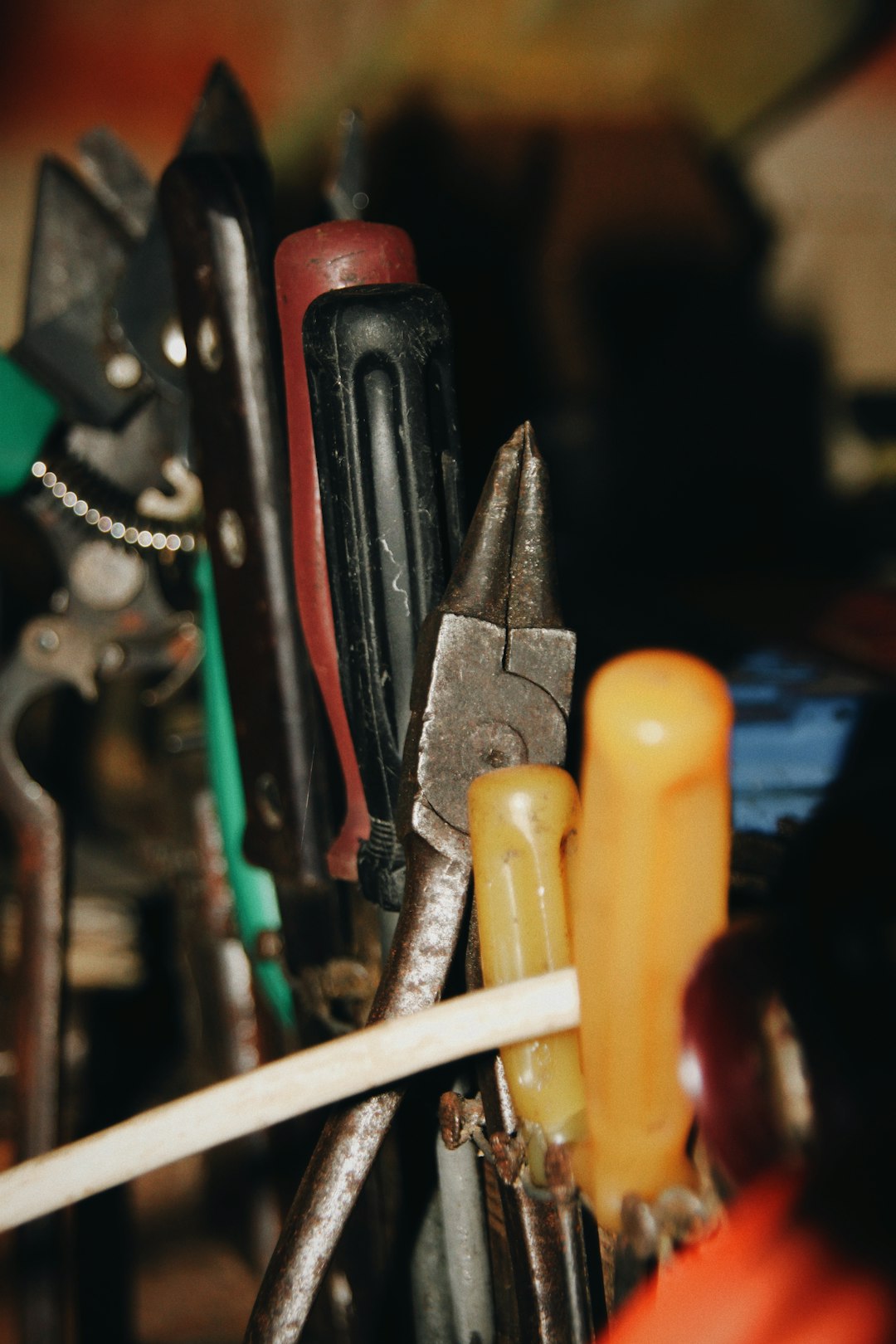
Are you tired of your power tools giving up on you right when you need them the most? Whether you’re a seasoned DIY enthusiast or just a weekend warrior, keeping your power tools in tip-top shape is crucial.
Not only does regular maintenance extend their lifespan, but it also ensures your projects run smoothly and safely. You might be wondering how you can keep your tools working like new, without having to spend a fortune or endless hours.
The good news is, with a few simple steps and a little bit of know-how, you can easily maintain your tools and protect your investment. Ready to discover how you can make your power tools last longer and perform better? Keep reading to unlock the secrets of proper power tool maintenance.
Importance Of Power Tool Maintenance
Proper maintenance of power tools ensures safety and efficiency. Regular cleaning and inspection prevent unexpected failures. Lubricating moving parts and checking for wear extend their lifespan.
Maintaining your power tools is crucial for both safety and efficiency. Imagine attempting a home project only to find your drill sputtering to a halt. Regular maintenance can prevent such frustrations and extend the lifespan of your tools. By ensuring your tools are in top condition, you can complete projects faster and with greater precision.
Why Regular Maintenance Matters
Regular maintenance is more than just a good habit—it's essential for safety. A poorly maintained power tool can lead to accidents. Think about the last time you saw a frayed power cord or a clogged motor. Such issues can cause tools to malfunction at the worst possible moment. By keeping your tools in shape, you protect yourself and your projects.
Boosting Tool Longevity
Everyone loves a tool that lasts. Proper maintenance ensures your tools serve you well over the years. This means you won't have to frequently replace expensive equipment. Simple actions like cleaning and lubricating moving parts can add years to your tool's life. Next time you finish a project, take a few minutes to care for your tools.
Ensuring Optimal Performance
Well-maintained tools perform better. Imagine cutting through wood with a dull blade. It takes more effort and time, right? Sharpening blades and tightening loose parts make your tools work as intended. This not only saves time but also provides professional-quality results in your projects. Wouldn't you prefer a smooth, easy cut over a jagged mess?
Reducing Repair Costs
Regular checks can save you money in the long run. Catching a minor issue early on can prevent costly repairs. Consider the cost of replacing a motor versus simply cleaning it regularly. By investing a bit of time in maintenance, you're potentially saving hundreds of dollars. Isn't it worth it to avoid unexpected expenses?
Creating A Maintenance Routine
Start by setting a schedule for maintenance tasks. Whether it's weekly or monthly, consistency is key. Keep track of when each tool was last serviced. This simple record-keeping can remind you of upcoming tasks. What will your maintenance routine look like? Taking care of your power tools is a straightforward process that offers numerous benefits. By understanding the importance of maintenance, you protect both your investment and your safety. As you look at your collection of tools, consider which one needs attention next. When will you take the first step towards better maintenance?
Regular Cleaning
Regular cleaning is vital for maintaining power tools. It ensures they function well and last longer. Without it, dirt and grime can build up. This affects performance and safety. By dedicating time to clean, you extend the life of your tools. It also reduces the risk of malfunctions.
Dust And Debris Removal
Dust is a common enemy of power tools. It can clog vents and block moving parts. After each use, wipe tools with a soft cloth. This removes surface dust. Use a brush for hard-to-reach areas. Compressed air can blow out debris from crevices. Always wear protective goggles during this process.
Cleaning Electrical Components
Electrical components need special care. Unplug tools before cleaning them. Inspect wires for dirt and damage. Use a dry cloth to wipe connectors. Avoid liquids near electrical parts. Moisture can cause short circuits. A small brush helps clear dust from vents. Ensure components are completely dry before plugging in.
Inspection And Assessment
Inspection and assessment are crucial for maintaining your power tools effectively. Regular checks ensure safety and extend the life of your tools. This proactive approach prevents unexpected breakdowns and costly repairs. Consider making inspections a routine part of your maintenance schedule. Let's explore key areas to focus on during inspection.
Checking For Wear And Tear
Examine each tool for signs of wear and tear. Look closely at moving parts like blades and gears. Rust or corrosion indicates neglect. Scratches and dents may affect performance. Check handles for cracks or breaks. A thorough assessment helps catch issues early.
Inspecting Cords And Connections
Inspect cords and connections for damage. Frayed wires pose a safety hazard. Check plugs for bent or broken prongs. Secure connections ensure proper function. Loose or exposed wires need immediate attention. Regular inspections keep your tools safe and reliable.
Lubrication Techniques
Proper lubrication keeps power tools running smoothly. Regularly check and apply the right lubricant to moving parts. This prevents rust and ensures efficient operation, extending tool life.
Proper maintenance of your power tools is essential to ensure their longevity and effectiveness, and one of the key aspects of this is lubrication. Effective lubrication reduces friction, prevents wear and tear, and keeps your tools running smoothly. But how do you know you're doing it right? Let's dive into some practical lubrication techniques that will keep your power tools in top shape.
Choosing The Right Lubricant
Selecting the appropriate lubricant for your tools is crucial. Not all lubricants are created equal, and using the wrong one can cause more harm than good. For most power tools, a lightweight machine oil or a silicone-based lubricant works best. Consider the environment in which you use your tools. If you're working in dusty or dirty conditions, a dry lubricant might be a better choice as it won’t attract debris. Always check the manufacturer’s guidelines to ensure compatibility with your tool.
Frequency Of Lubrication
How often should you lubricate your tools? This depends on how frequently you use them. For tools that are used daily, weekly lubrication is advisable. If your tools sit idle for long periods, lubricate them before and after use to prevent rust and ensure smooth operation. Regular checks are key. Look out for signs of wear or unusual noises—these can be indicators that lubrication is needed. A well-lubricated tool not only performs better but also lasts longer, saving you money in the long run. When I started woodworking, I neglected lubrication at first, thinking it wasn't that important. My tools soon started to underperform, and one even broke down. It was a costly lesson, but it taught me that regular lubrication is non-negotiable. Are you giving your tools the care they deserve?
Sharpening Blades And Bits
Ensure longevity by regularly sharpening blades and bits. This keeps power tools efficient and safe. Dull edges hinder performance, causing strain and potential damage. Proper maintenance extends tool life, saving time and money.
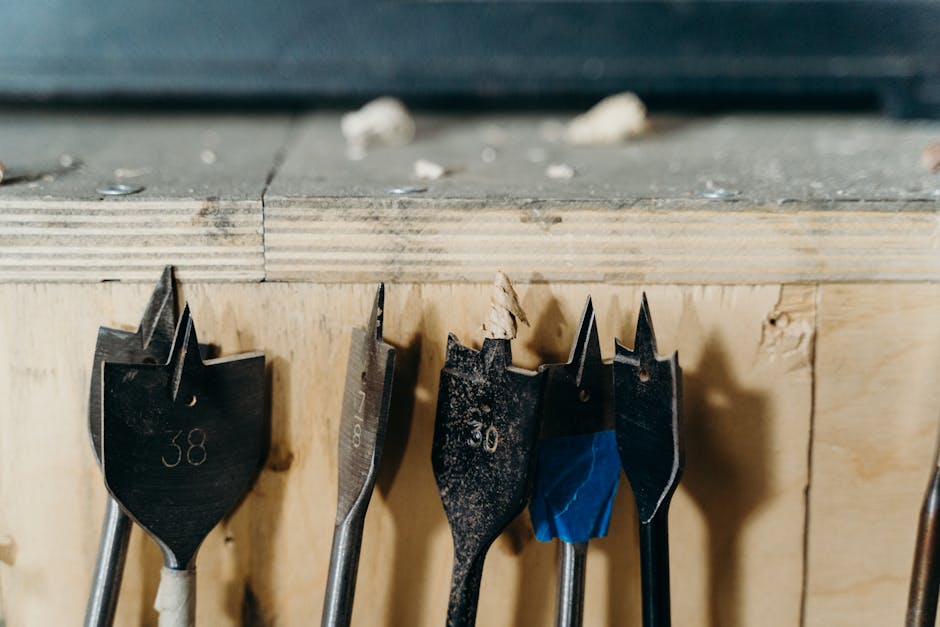
Maintaining your power tools is crucial to their longevity and performance. One of the most essential tasks is sharpening blades and bits. Sharp tools not only work efficiently but also ensure your safety. Imagine cutting through wood like a hot knife through butter, rather than struggling with every inch. The difference is in the sharpness. Let's dive into how you can keep those blades and bits in top shape.
Identifying Dull Blades
Recognizing when your blades are dull is the first step. Pay attention to how your tools perform. Are they tearing rather than cutting? Do you notice burn marks on the wood or material? These are tell-tale signs of dullness. A friend once shared that his saw blade’s dullness was evident when his cuts started veering off track. Trust your instincts and keep an eye out for these indicators.
Proper Sharpening Methods
Once you've identified a dull blade, sharpening it properly is crucial. Use the right tools for the job, such as a bench grinder or sharpening stone. Follow the angle of the existing edge. It’s not just about making it sharp, but making it sharp correctly. A well-sharpened blade can drastically improve your tool's performance. Consider setting up a routine sharpening schedule. You might find that every few months or after a certain number of uses works best. This proactive approach saves time in the long run and prevents wear and tear. Remember, a sharp blade is a safe blade, reducing the risk of accidents. What’s your method for keeping blades sharp? Share your tips and learn from others. Engaging with fellow DIY enthusiasts can uncover tips you might not have considered. Maintaining your power tools doesn't have to be a chore. It can be a fulfilling part of the process that enhances your projects.
Storage Solutions
Keep power tools in good shape by storing them in a clean, dry place. Use protective cases to prevent dust and moisture. Regularly inspect and oil moving parts for smooth operation.
Proper storage solutions are essential for maintaining your power tools. Storing your tools correctly not only extends their lifespan but also ensures safety and efficiency in your workspace. You might have experienced frustration when a tool doesn't work as expected due to improper storage. It's time to tackle these challenges with smart storage strategies.
Temperature And Humidity Control
Temperature and humidity can greatly affect the performance of your power tools. Fluctuations in temperature can cause metal components to expand and contract, leading to wear and tear. High humidity levels can result in rust and corrosion. Ensure your storage area is climate-controlled. Use dehumidifiers in damp areas to keep moisture at bay. Regularly check your tools for signs of rust and address them promptly. Have you ever noticed your tools developing rust spots after being stored in a damp basement? It's a common issue that can be prevented with proper climate control.
Organized Tool Storage
An organized tool storage system saves you time and protects your tools. When tools are scattered, they can become damaged or lost. Have designated spots for each tool, making it easy to locate them when needed. Consider using pegboards or toolboxes with dividers. Label each section for quick identification. This not only keeps your tools safe but also enhances your workflow efficiency. Have you ever wasted time searching for a specific tool in a cluttered garage? An organized storage system can eliminate this hassle, making your projects more enjoyable and productive. Do you have any creative storage ideas that have worked for you? Share them below; your insights could be just what someone else needs!
Safety Measures
Maintaining power tools is not only about keeping them in good condition. Safety measures are crucial to prevent accidents and injuries. Proper safety practices protect both the user and the tool. By following simple guidelines, you can ensure your tools are safe to use. Let's explore some important safety measures.
Safety Gear Usage
Wearing safety gear is essential. It provides protection from dust and debris. Safety goggles shield your eyes from harmful particles. Gloves offer a firm grip and protect your hands. Ear protection guards against loud noises. Always choose gear suited to the tool you are using. Proper gear reduces the risk of injury.
Handling Techniques
Correct handling techniques enhance safety. Hold tools firmly to maintain control. Keep fingers away from moving parts. Ensure your work area is tidy. A clutter-free space prevents accidents. Position tools securely when not in use. Never leave a tool unattended while operational. These techniques keep you safe and extend tool life.
Professional Servicing
Maintaining power tools is crucial for ensuring their longevity and optimal performance. While regular DIY maintenance is beneficial, sometimes professional servicing is the best option. Knowing when to seek expert help can save you time, money, and frustration in the long run. Here’s how you can ensure your power tools are properly maintained through professional servicing.
When To Seek Expert Help
Do you notice your power tools are underperforming despite regular upkeep? This might be the moment to seek professional assistance. Strange noises, overheating, or reduced efficiency are red flags that require expert evaluation.
Another time to consider professional help is when you're unsure about the cause of a problem. If you're not confident diagnosing or fixing the issue, a professional can provide the expertise needed to restore your tools to their best condition.
Moreover, if it's been a long while since your tools were last serviced, a professional inspection can catch potential problems before they become costly repairs. Remember, prevention is better than cure.
Benefits Of Professional Maintenance
Why bother with professional maintenance? First, professionals have specialized tools and knowledge that can prolong the life of your power tools. They can detect issues that you might miss, ensuring your tools are safe to use.
Think of the time you save by letting a professional handle complex repairs. Instead of spending hours troubleshooting, you can have peace of mind knowing your tools are in expert hands.
Professional servicing can also enhance your tools' performance. Proper adjustments and cleaning by a professional can result in smoother operation and increased efficiency, which makes your tasks easier and more enjoyable.
Have you ever considered how regular professional maintenance can protect your investment? It can prevent costly breakdowns and extend the lifespan of your tools, giving you more value for your money.
Now, ask yourself: Are you ready to take the next step in ensuring your power tools are properly maintained? Professional servicing could be the key to unlocking their full potential and preserving them for years to come.
Diy Maintenance Tips
Maintaining power tools doesn't have to be complex. With a few simple steps, you can keep your tools in top condition. Regular maintenance extends their lifespan and ensures safety. DIY maintenance saves money and time. Let’s explore effective tips to maintain your power tools.
Common Mistakes To Avoid
Skipping regular cleaning is a common mistake. Dust and debris can damage tool parts. Using the wrong lubricant can cause wear and tear. Neglecting to check power cords can lead to electrical issues. Always store tools in a dry place. Avoid leaving them in damp or humid areas.
Effective Diy Practices
Clean your tools after each use. Use a soft brush to remove dust and debris. Lubricate moving parts regularly to ensure smooth operation. Check power cords for any signs of damage. Replace damaged cords immediately for safety. Store tools in a cool, dry place. Use cases or covers to protect them from moisture.
Inspect screws and fasteners often. Tighten them to prevent loose parts. Sharpen blades and bits to maintain cutting efficiency. Follow the manufacturer's manual for specific maintenance guidelines. This ensures your tools perform optimally.
Frequently Asked Questions
How Often Should I Clean My Power Tools?
Clean your power tools after each use to ensure longevity. Regular cleaning prevents dust buildup, which can lead to malfunctions. Use a brush or compressed air to remove debris. Additionally, wipe down tools with a damp cloth to maintain their condition.
What Is The Best Way To Store Power Tools?
Store power tools in a cool, dry place to prevent rust. Use original cases or dedicated storage solutions to protect from dust. Ensure cords are neatly wrapped to avoid damage. Regularly check storage conditions to maintain tool functionality.
How Do I Lubricate My Power Tools?
Lubricate moving parts of power tools to ensure smooth operation. Use manufacturer-recommended lubricants for optimal performance. Apply lubrication sparingly to avoid attracting dust. Regularly check for signs of wear and reapply as needed to maintain efficiency.
How Can I Check For Power Tool Damage?
Inspect power tools regularly for visible signs of damage. Check cords, switches, and casings for cracks or wear. Listen for unusual noises during operation. Address any issues immediately to prevent further damage and ensure safety.
Conclusion
Proper tool maintenance boosts performance and safety. Clean tools after every use. Store them in a dry, safe place. Regularly check for wear and tear. Replace damaged parts promptly. Use manufacturer guidelines for best results. Lubricate moving parts to prevent rust.
Schedule professional servicing if needed. Keep tools sharp for efficiency. Organized maintenance prolongs tool lifespan. Save time and money. Protect your investment wisely. Always prioritize safety when handling tools. Enjoy reliable performance every time. Your tools will thank you with smooth operation.
Happy working!