Have you ever found yourself in a situation where your power tool seems to be running too fast for the task at hand? This can be frustrating and even dangerous.
Whether you're a DIY enthusiast or a seasoned professional, controlling the speed of your power tool motor can make a significant difference in your projects. Imagine having the precision and control you need to achieve flawless results every time. Curious about how you can master this skill?
You're in the right place. We'll explore simple yet effective methods to slow down a power tool motor, giving you the power to tackle any job with confidence and finesse. Stay with us, and discover how you can transform your tool into a versatile companion that adapts to your needs.
Motor Fundamentals
Understanding the basics of a power tool motor is essential if you want to master its speed control. Motors are the heartbeat of your power tools, transforming electrical energy into mechanical motion. But have you ever wondered how they work? Let's dive into the core elements of motor functionality and see how they can be adjusted.
Types Of Motors
Power tools typically use one of two motor types: brushed or brushless. Brushed motors have carbon brushes that conduct electricity to the motor's spinning part, while brushless motors use magnets. Both have unique advantages and disadvantages in terms of efficiency and lifespan.
Brushed motors are often cheaper but wear out faster due to friction. Brushless motors, however, offer longer life and less maintenance. Which type does your tool use?
Speed Control Mechanisms
Did you know that many power tools come with built-in speed control mechanisms? Variable speed triggers allow you to adjust the motor's speed manually. This feature is especially useful for tasks requiring precision.
If your tool lacks this option, external speed controllers can be added. These devices can regulate voltage to control motor speed. Have you ever tried using one?
Impact Of Voltage And Current
The speed of a motor is directly influenced by the voltage and current supplied. Lowering the voltage will slow down the motor, but be cautious; too little voltage can cause the motor to stall or overheat.
On the other hand, adjusting the current can also impact speed. Finding the right balance between voltage and current ensures optimal performance without damage. Have you found the perfect balance for your tools?
Practical Adjustments
Making practical adjustments to slow down a motor can be as simple as using a dimmer switch. This inexpensive tool can reduce voltage, offering a straightforward solution for speed control. However, not all motors are compatible with dimmer switches, so check your tool specifications first.
Another option is using a rheostat, which provides a more fine-tuned control over speed. This tool can be especially effective with brushed motors. Have you considered these options?
Testing And Trial
Once you've made adjustments, it's crucial to test your tool. Try different speeds on scrap material to see how the motor reacts. Does the tool perform as expected without overheating or stalling?
Experimentation is key. You might be surprised at how small tweaks can lead to significant improvements. What discoveries have you made through testing?
Understanding motor fundamentals and how to control speed can greatly enhance your tool's performance. By exploring these options, you can tailor your power tools to better suit your needs. What changes are you going to make today?
Importance Of Speed Control
Speed control in power tools is crucial for several reasons. It enhances the tool's performance and prolongs its lifespan. A tool running too fast can overheat and wear out quickly. This leads to costly repairs or replacements.
Controlling speed also improves safety. High speeds increase the risk of accidents. It can cause the tool to slip or kick back. This can result in severe injuries.
Another benefit is precision. Certain tasks require slower speeds for better control. This is true for detailed work like carving or sanding. Adjusting speed allows for more accurate results.
Understanding The Tool's Motor
Different motors have different speed control mechanisms. Knowing your tool’s motor helps you manage its speed. Brushless motors often offer better speed control than brushed ones. This is because they have electronic control circuits.
Using Variable Speed Controls
Many power tools come with variable speed controls. These allow you to adjust speed based on the task. Lower speeds are ideal for delicate work. Higher speeds suit heavy-duty tasks. Using this feature helps optimize the tool’s performance.
Choosing The Right Accessories
Certain accessories aid in speed control. Speed reducers can be attached to some tools. These modify the tool's speed without affecting performance. Accessories like these offer better control and precision.
Regular Maintenance Checks
Regular maintenance keeps your tool running smoothly. Check for worn-out parts and replace them. Lubricate moving parts to reduce friction. This helps in maintaining speed control effectively.
Understanding Material Requirements
Different materials require different speeds. Softer materials might need slower speeds for precision. Harder materials may need higher speeds for efficiency. Understanding this helps in choosing the right speed setting.
Adjustable Speed Settings
Adjustable speed settings in power tools can make a world of difference in your projects. Imagine you’re working on a delicate piece of wood. You wouldn't want your motor to spin at full speed and risk damaging it. Instead, slowing down the motor gives you precision and control. It's like having your car's cruise control set perfectly for the road conditions ahead. Let's explore two ways you can achieve this: built-in speed controls and external speed controllers.
Built-in Speed Controls
Many modern power tools come equipped with built-in speed controls. These are handy knobs or dials on the tool itself that allow you to adjust the speed. Have you ever used a drill with a variable speed trigger? Squeezing lightly starts the motor slowly, giving you better control. This feature is perfect for when you're drilling into softer materials or need a slower start to prevent slipping.
Some tools even offer digital speed settings. You set the exact RPM, and the tool maintains it. This kind of precision makes tasks like sanding or polishing a breeze. You won't have to worry about uneven surfaces or burnt edges. It’s almost like having a personal assistant keeping everything in check. Next time you're purchasing a tool, check for this feature. It could save you a lot of hassle.
External Speed Controllers
If your tool doesn’t come with built-in controls, don't fret. External speed controllers are a fantastic alternative. These nifty devices plug into your power tool and outlet, giving you the ability to control the motor's speed externally. Think of it as adding a dimmer switch to your tool. You turn the dial, and the motor adjusts accordingly.
External controllers are incredibly versatile. They work well with routers, drills, and even saws. You might find them particularly useful for tools that don’t typically come with speed settings. For example, a router without adjustable speed can burn wood edges. An external controller prevents this by allowing you to lower the speed. It’s a simple addition that can elevate your craftsmanship.
Have you tried using these controllers? They might be the missing piece in your toolkit. Imagine having the power to slow down your motor without changing the tool itself. It opens up a world of possibilities for your projects. Wouldn't you want that kind of control?
Variable Frequency Drives
Variable Frequency Drives can adjust a power tool motor's speed by altering the motor's power frequency. This technology allows precise control, ensuring the motor runs smoothly at lower speeds. It's an effective way to manage the performance of various tools without compromising efficiency.
When it comes to controlling the speed of a power tool motor, using a Variable Frequency Drive (VFD) can be a game-changer. A VFD allows you to adjust the speed of an electric motor by varying the frequency and voltage supplied to it. This means you can slow down your power tool motor without compromising its performance or efficiency. Imagine the precision you can achieve in your projects by having control over your tool’s speed.
Understanding Variable Frequency Drives
VFDs are electronic devices that convert the fixed frequency of your power supply into a variable frequency. This conversion is what allows you to control the speed of your motor effectively. Think of it as having a dimmer switch for your power tools, offering you more control than ever before.
Benefits Of Using Vfds
By using VFDs, you can extend the lifespan of your power tool motors. Lower speeds mean less wear and tear, which can save you money on replacements. Additionally, VFDs can help reduce energy consumption, making your workshop more eco-friendly.
How To Install A Vfd
Installing a VFD might seem daunting, but it’s simpler than you think. First, ensure the VFD is compatible with your motor’s specifications. Then, follow the manufacturer’s instructions to wire it correctly. Safety is paramount, so always double-check your connections before powering up.
Practical Applications Of Vfds
Consider the times when you needed to slow down your drill for more delicate tasks. With a VFD, you can do just that, achieving smoother results. Or imagine sanding a piece of wood without burning it—VFDs make such precision possible.
Potential Challenges With Vfds
Despite their benefits, VFDs can introduce harmonics that may affect other electronic devices in your workshop. It's crucial to be aware of this and take necessary precautions, like using filters. Always keep an eye out for unexpected changes in motor behavior. So, are you ready to take control of your power tool motors like never before? With a VFD, you'll not only enhance your tool's performance but also elevate your craftsmanship. What project will you perfect today with this newfound control?
Mechanical Adjustments
Mechanical adjustments are crucial for controlling power tool motors. They allow users to tailor the motor's speed to their needs. With these adjustments, you can ensure precision and safety in various tasks. Let's explore two common mechanical methods to slow down a motor.
Gear Reduction
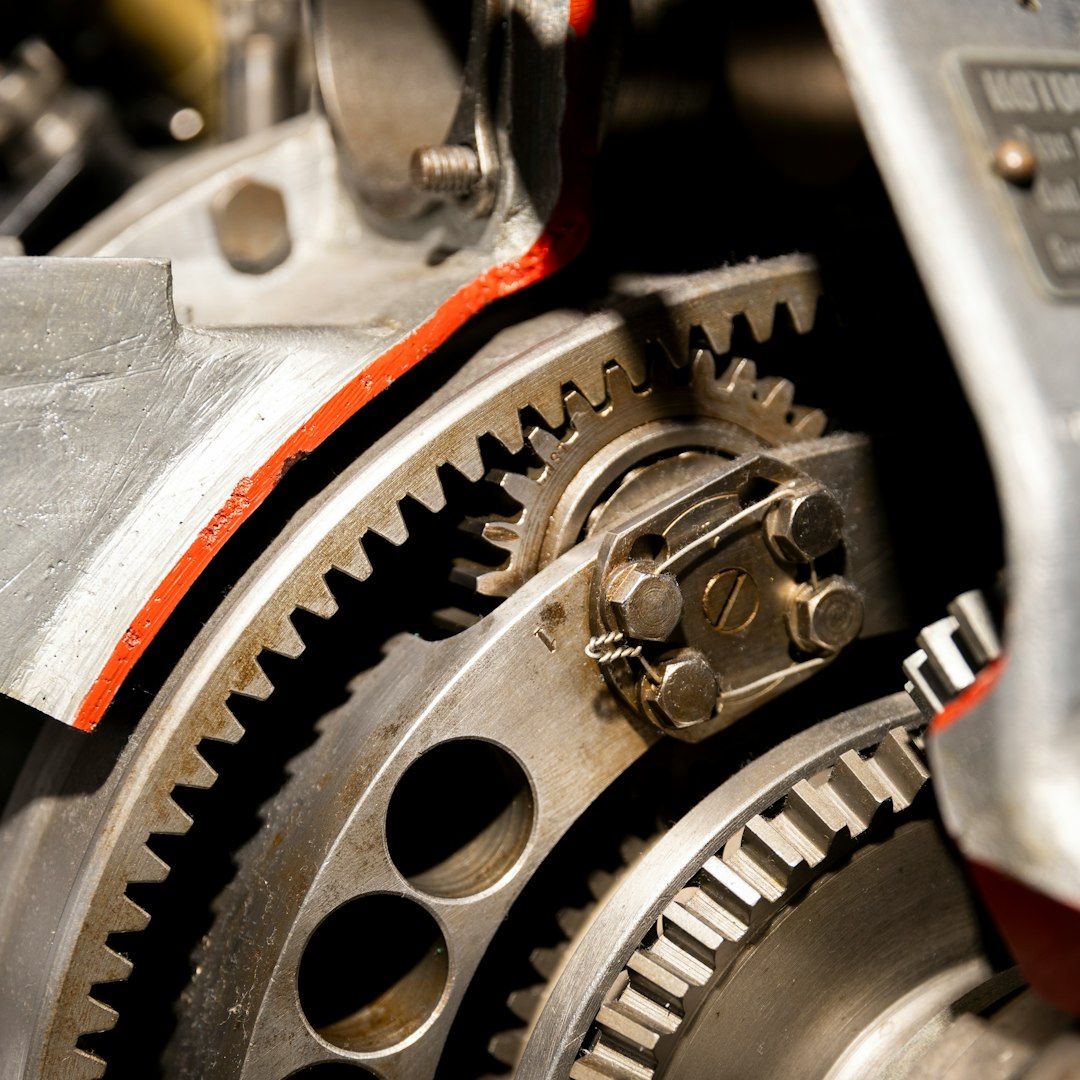
Gear reduction involves using gears to decrease motor speed. Larger gears rotate slower than smaller ones. This helps in lowering the output speed of the motor. By changing the gear size, you can achieve the desired speed. Gear reduction is effective in ensuring smoother operation.
Belt And Pulley Systems
Belt and pulley systems offer another way to control motor speed. They work by altering the rotation speed using different pulley sizes. A smaller pulley on the motor and a larger one on the tool reduce speed. This adjustment is simple yet effective for many power tools. It provides a flexible solution for speed control.
Electrical Modifications
Electrical modifications can be a practical way to slow down a power tool motor. Whether you're a hobbyist or a seasoned DIY enthusiast, understanding how to adjust your tool’s speed through electrical methods can enhance your projects. These techniques can give you more control over your work, allowing for precision in tasks that require a slower motor speed.
Resistive Load Methods
One effective method to slow down a power tool motor is by adding a resistive load. This involves using a resistor to limit the electrical current reaching the motor. By reducing the current, you can decrease the motor's speed. Why would you want to do this?Imagine you're sanding delicate wood. A slower speed can prevent damage and ensure a smooth finish.
Installing a resistor is straightforward. First, identify the resistor value that best suits your tool’s wattage. Then, integrate it into the circuit. This may require soldering skills, but don't worry—it’s easier than it sounds. You might feel like you're learning a new language, but it's like riding a bike. Once you get the hang of it, you’ll wonder how you managed without it.
Using Transformers
Transformers can also be used to adjust motor speed effectively. They alter the voltage supplied to the motor. This is a bit like adjusting the water flow in a hose. Less voltage means a slower motor. This technique can be particularly handy for tasks requiring finesse, like intricate carving or metalwork.
Consider the types of transformers available. An auto-transformeris a popular choice because of its simplicity and effectiveness. It's user-friendly for those new to electrical modifications. You simply connect it to your power tool, adjust the voltage, and voilà—you control the motor speed.
Reflect on how often you need precise control over your tools. Is slowing down your motor worth exploring? If you're ready to experiment, these electrical modifications might be the game-changer you’ve been looking for. Are you prepared to take your DIY skills to the next level?
Safety Precautions
Working with power tools can be thrilling, but it comes with a responsibility to ensure safety. Slowing down a power tool motor can be crucial for precision and control. However, safety should be your top priority before attempting any adjustments. Let's explore the essential safety precautions to keep you safe while fine-tuning your tools.
Protective Gear
Imagine working on a project, feeling the vibration of the tool, and suddenly realizing you forgot your safety glasses. It happens more often than you think. Always wear protective gear like goggles, gloves, and ear protection. These essentials can save you from unexpected accidents.
Even if you’re just adjusting the speed, protection is non-negotiable. Power tools can kick up debris or make sudden noises. It's better to be prepared than regretful.
Proper Tool Maintenance
Have you ever found yourself frustrated because your tool isn’t working as expected? Often, that boils down to poor maintenance. Regularly check your power tools for wear and tear. Clean and lubricate them to ensure smooth operation.
A well-maintained tool is less likely to have unexpected speed changes. This not only helps in slowing down the motor safely but also extends the life of your tool. Would you rather spend time fixing a broken tool or enjoying your project?
Remember, safety is a continuous practice. It starts with wearing the right gear and keeping your tools in top condition. Your careful approach can make all the difference between a successful project and a hazardous situation.
Expert Recommendations
Adjusting a power tool motor's speed involves using a variable speed controller. This device changes the voltage, slowing down the motor. Proper use of this tool ensures better control and safety during operation.
Slowing down a power tool motor can be crucial for ensuring precision and safety during your projects. But how do you achieve this without compromising the tool's efficiency or lifespan? Expert recommendations can guide you toward making informed decisions. By taking advantage of these insights, you can extend the functionality of your tools and enhance your craftsmanship. Let's dive into some expert advice.
Choosing The Right Tool
Selecting the appropriate tool is your first step towards controlling motor speed. Some power tools come with built-in speed settings. These allow you to adjust the motor speed without additional equipment. Always read the user manual. It often contains specific instructions for speed adjustment. If you're buying new equipment, consider models with variable speed settings. This feature provides more control for different tasks, making your work more precise.
Consulting Professionals
When in doubt, never hesitate to ask the experts. Many hardware store professionals have firsthand experience with a variety of tools. They can offer insights that you won't find in manuals. Workshops and DIY classes are another excellent resource. They provide opportunities to learn and ask questions in a hands-on environment. Have you ever watched a pro handle a tool effortlessly? Observing their techniques can offer you valuable tips on how to manage speed effectively. By implementing these expert recommendations, you can ensure your power tool motor runs at the desired speed. This not only enhances your work's quality but also extends your tool's lifespan. What strategies have you found effective in managing motor speed?
Frequently Asked Questions
How To Adjust Motor Speed On Power Tools?
To adjust motor speed on power tools, use a variable speed controller. This device regulates voltage and current to the motor. It helps in achieving the desired speed without affecting tool performance. Ensure compatibility with your power tool model for optimal results.
Can A Dimmer Switch Slow Down A Motor?
A dimmer switch can slow down an AC motor by controlling voltage. It's suitable for universal motors but not for induction motors. Use a motor-specific speed controller for better efficiency and safety.
What Are Common Methods To Slow A Motor?
Common methods to slow a motor include using a variable speed controller, reducing voltage, or changing gear ratios. These techniques help achieve precise control over motor speed without compromising tool performance.
Is Slowing A Motor Harmful?
Slowing a motor can be safe if done correctly. Using appropriate speed controllers ensures the motor operates efficiently. Incorrect methods can cause overheating or damage. Always refer to manufacturer guidelines for safe speed adjustments.
Conclusion
Slowing down a power tool motor can be simple. Use the right methods. Adjust speed settings if available. Consider using a variable speed controller. Ensure all parts are compatible. Regular maintenance helps too. Clean and check your tools often. A slower motor can increase safety.
It also extends tool life. Understand your tool's capabilities. Always follow the manufacturer’s instructions. With these tips, you'll handle your tools better. Enjoy safer and more efficient projects. Keep learning and practicing. Your skills will grow with time.