Imagine stepping into your garden, feeling the earth beneath your feet, and knowing that every plant and flower thrives because of your own hands. You don't need power tools to create a beautiful, flourishing garden.
In fact, using traditional methods can be even more rewarding. You connect deeply with nature, and each moment becomes a mindful, enriching experience. Are you ready to discover how you can cultivate a garden without relying on power tools? This guide will show you practical techniques and tips that are easy to follow.
Transform your gardening experience and watch your garden grow, powered by nothing but your own creativity and effort. Keep reading to learn how you can harness your inner gardener and turn your outdoor space into a sanctuary.
Benefits Of Gardening Without Power Tools
Gardening without power tools offers unique benefits. It connects you with nature. Using hand tools requires patience and skill. This approach promotes mindfulness. It allows you to savor each moment in the garden. You can enjoy the process as much as the results.
Environmental Benefits
Gardening without power tools reduces your carbon footprint. Manual tools do not need electricity. They produce no emissions. This makes them eco-friendly. You help protect the planet. Plus, you reduce noise pollution. Your garden becomes a peaceful retreat.
Physical Health Benefits
Using manual tools provides a great workout. You engage different muscle groups. Digging and planting improve strength and flexibility. This physical activity boosts cardiovascular health. It keeps you fit and active. Gardening becomes exercise.
Mental Health Benefits
Gardening without power tools calms the mind. It reduces stress and anxiety. The repetitive motions are therapeutic. You focus on the task at hand. This practice enhances mindfulness. You find peace in the simplicity of gardening.
Cost-effective Benefits
Manual tools save money over time. They are often cheaper than power tools. They require less maintenance. You don't need to buy fuel or batteries. This approach stretches your gardening budget. You invest in quality tools, not fuel.
Skill Development Benefits
Manual gardening hones your skills. You learn to use tools effectively. You understand your soil better. You develop a deeper connection with your plants. This skill-building fosters a sense of accomplishment. You gain confidence as a gardener.
Essential Hand Tools For Gardening
Gardening without power tools offers simplicity and control. Hand tools provide a personal touch. They allow you to feel the soil and nurture plants. Each tool serves a unique purpose. They help in digging, planting, or pruning.
Understanding these tools can enhance your gardening experience. You can create a beautiful garden without electricity. Below are some essential hand tools for gardening.
Trowels And Spades
Trowels are small, handheld tools. They are perfect for digging small holes. Use them to plant seeds or bulbs. Spades have a larger blade. They are ideal for moving soil. Both are essential for planting.
Pruning Shears
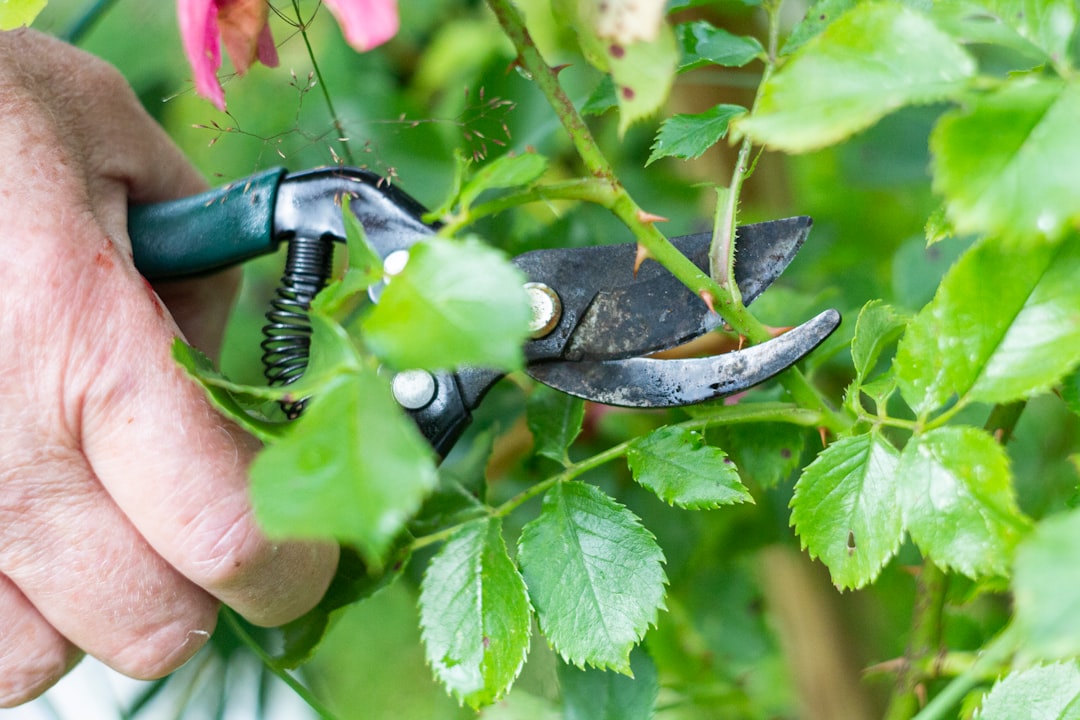
Pruning shears are crucial for cutting stems. They help maintain healthy plants. Regular pruning encourages growth. Shears are great for trimming shrubs and small branches. Keep your garden neat and tidy with them.
Garden Forks
Garden forks are useful for turning soil. They break up hard ground easily. Use them to aerate and mix compost. Forks can also help remove weeds. They are versatile and easy to handle.
Hoes And Cultivators
Hoes assist in loosening soil. They are efficient for removing weeds. Cultivators have teeth that mix soil. They prepare beds for planting. Both tools are vital for soil health.
Techniques For Manual Soil Preparation
Gardening without power tools is a rewarding experience. It lets you connect deeply with nature. Manual soil preparation is key. It ensures your garden thrives naturally. Several techniques exist to prepare soil manually. Each offers unique benefits to your garden's health.
Double Digging Method
Double digging enhances soil aeration. Begin by removing the top soil layer. Dig deeper into the subsoil. This method loosens compacted earth. It encourages root growth. Double digging improves drainage. It also boosts nutrient absorption. Your plants will thrive.
Mulching For Soil Health
Mulching helps retain moisture. Spread organic materials on the soil surface. Use straw, leaves, or grass clippings. Mulch reduces weed growth. It also protects soil from erosion. As mulch decomposes, it enriches the soil. Your garden stays healthy and vibrant.
Composting For Fertility
Composting enriches soil naturally. Gather kitchen scraps and yard waste. Composting converts waste into rich soil nutrients. It enhances soil fertility without chemicals. The process is simple. Turn the compost pile regularly. Your garden will benefit from nutrient-rich soil. Plants grow stronger and healthier.
Planting Methods Without Power Tools
Gardening without power tools involves simple techniques. Use hand tools like trowels and hoes for digging and planting. Turn soil manually for aeration. Save energy and connect with nature.
Gardening without power tools can seem like a daunting task, but it offers a unique connection to nature and a peaceful escape from the hustle and bustle of modern life. Embracing traditional methods allows you to nurture your garden with care and attention. You will discover a rewarding and sustainable way to cultivate your plants.
Seed Starting By Hand
Starting seeds by hand is an enriching experience. Begin by selecting quality seeds from a trusted source. Use your fingers to gently press seeds into the soil at the recommended depth. Consider using egg cartons or recycled containers to create an eco-friendly seed-starting system. Ensure each seed is adequately spaced. This gives them the room they need to grow strong roots. Label each container to keep track of what you’ve planted. As seedlings emerge, check for moisture regularly. Water them gently with a spray bottle to avoid washing the seeds away.
Transplanting Tips
Transplanting seedlings can be stressful for your plants. It's crucial to minimize shock. Choose a cloudy day or late afternoon to transplant. This helps reduce stress from the sun. Dig a hole slightly larger than the root ball. Use your hands to gently place the seedling into the hole. Firm the soil around the base to remove air pockets. Water the transplant immediately. This encourages the roots to settle in their new home. Keep an eye on them for the next few days to ensure they adjust well.
Companion Planting Strategies
Companion planting enhances the health and productivity of your garden. Certain plants, when grown together, can help each other thrive. Research which plants complement each other in your garden. For example, planting basil near tomatoes can improve flavor and repel pests. Consider marigolds as they deter nematodes and add a splash of color. Think about what you want from your garden. Is it pest control, better growth, or improved flavor? Choose companion plants that meet your specific needs. Have you tried any of these methods? What were your results? Share your experiences in the comments below and let’s learn from each other.
Weed And Pest Control Manually
Gardening without power tools involves using hands and simple tools to remove weeds and pests. This method is eco-friendly, reduces noise, and gives you control. Enjoy the tranquility as you nurture your garden naturally.
Gardening without power tools offers a hands-on approach to connecting with nature. Managing weeds and pests manually can seem challenging. Yet, it becomes rewarding with the right techniques. Let's explore manual methods for effective weed and pest control.
Hand Weeding Techniques
Hand weeding is a traditional method. It involves removing weeds by hand. Use a garden fork or trowel. Grasp the weed at the base. Gently pull it out with roots intact. This prevents regrowth. Early morning is best for hand weeding. The soil is moist, making it easier.
Natural Pest Deterrents
Natural pest deterrents keep your garden healthy. Soap sprays work well against soft-bodied insects. Mix water with a few drops of dish soap. Spray on affected plants. Garlic and chili sprays deter many pests. Crush garlic and chili in water. Strain and spray on plants.
Encouraging Beneficial Insects
Encouraging beneficial insects helps maintain balance. Ladybugs eat aphids. Attract them by planting dill and fennel. Ground beetles control slugs and caterpillars. Provide mulch and stones for shelter. Create a diverse plant environment. This invites more helpful insects.
Watering And Irrigation Without Power
Gardening without power tools involves using manual methods for watering and irrigation. Rely on rainwater collection and gravity-fed systems. Hand watering with cans or hoses is effective and eco-friendly.
Gardening without power tools requires a little creativity and patience, especially when it comes to watering and irrigation. Imagine relying solely on natural resources and your own ingenuity to nourish your plants. It's not only possible but also rewarding. You find yourself more connected to the earth and the rhythms of nature.
Efficient Watering Techniques
Efficient watering is all about timing and technique. Water your plants early in the morning or late in the afternoon to minimize evaporation. This simple change can make a big difference. Use a watering can or a hand-held hose to control the flow and direction of water. Focus on the base of the plant rather than the leaves, ensuring the roots receive the moisture they need. Consider using mulch around your plants. Mulch retains moisture and protects the soil from direct sunlight, reducing the need for frequent watering.
Rainwater Harvesting Ideas
Rainwater is a free and abundant resource you can easily collect. Set up barrels or large containers to gather rainwater from your roof or other surfaces. Position these barrels near your garden for easy access. You can even use a simple funnel system to direct more rainwater into your barrels. Think about creating a rain garden. These gardens are designed to absorb rainwater and slowly release it into the soil, benefiting your plants without any power.
Diy Drip Irrigation Systems
Creating a DIY drip irrigation system doesn't require fancy equipment. You can use old hoses or plastic tubing to set up a simple system that delivers water directly to plant roots. Drill small holes in the tubing and position it along rows of plants. Gravity and water pressure will do the rest, ensuring a slow, steady flow. Experiment with different layouts to find what works best for your garden. Even small tweaks can lead to big improvements in water distribution. Gardening without power tools encourages you to think outside the box. What new method will you try next to keep your garden thriving?
Maintaining Garden Health
Gardening without power tools involves using hand tools like spades and hoes. These tools help maintain soil health and control weeds. Regularly watering and pruning plants by hand keeps them healthy and thriving.
Maintaining the health of your garden without power tools can be both rewarding and challenging. You might wonder how to ensure your plants thrive without the hum of electric gadgets. The secret lies in attentive care and strategic practices. By focusing on regular plant inspections, soil testing, and seasonal maintenance tasks, you can cultivate a flourishing garden. Let's dive into these practical steps to keep your garden healthy and vibrant.
Regular Plant Inspections
Regularly checking your plants is crucial. Look for signs of disease, pests, or nutrient deficiencies. This hands-on approach lets you catch issues early. Feel the leaves, observe their color, and note any unusual spots. Are they wilting or showing discoloration? These are signals that something might be amiss. Your touch can reveal what machines might miss. Personal connection with your garden helps you understand its needs better.
Soil Testing And Adjustments
Healthy soil is the foundation of a thriving garden. You don't need fancy gadgets to test your soil. Use a simple kit from a local garden store to check pH levels. Adjust with natural materials like compost or lime based on the results. This simple task can make a big difference in how your plants absorb nutrients. Imagine the satisfaction of knowing your hands created the perfect environment for growth.
Seasonal Maintenance Tasks
Embrace the rhythm of nature with seasonal maintenance. Each season brings unique tasks that keep your garden thriving. In spring, focus on planting and mulching. Summer demands watering and pest control. Fall is perfect for pruning and preparing the soil for the winter ahead. These routines ensure your garden stays healthy year-round. Have you ever noticed how a little effort at the right time can save hours of work later? It’s all about timing and consistency. Maintaining a garden without power tools might seem daunting, but these simple steps make it achievable. Engage with your garden directly, and you’ll find joy and success in each task.
Tips For Sustainable Gardening
Discover the art of sustainable gardening by using hand tools for a quieter, eco-friendly approach. Embrace the simplicity of manual tasks like digging, pruning, and planting to nurture your garden. Save energy and connect more deeply with nature, while reducing your carbon footprint.
Are you ready to embrace the art of gardening without relying on power tools? Discovering sustainable gardening practices can transform your experience and make it more rewarding. By adopting mindful techniques, you'll not only reduce your carbon footprint but also create a thriving, eco-friendly garden. Let's explore how you can garden sustainably with some simple yet effective tips.
Recycling And Reusing Materials
Start by looking around your home for materials that can be repurposed. Old buckets, wooden pallets, and even broken pots can find new life in your garden. Consider using kitchen scraps for composting. This practice not only reduces waste but provides rich nutrients for your soil. Think about how you can use rainwater. A simple rain barrel setup can catch water for your plants, reducing your dependence on tap water.
Creating A Wildlife-friendly Garden
Invite beneficial insects and birds into your garden. Plant native flowers that attract pollinators like bees and butterflies. Leave small patches of your garden wild. This creates a haven for local wildlife, enriching your garden’s ecosystem. Avoid using pesticides. They harm not only pests but also the beneficial creatures that keep your garden healthy.
Practicing Crop Rotation
Change the location of your plants each season. This prevents soil depletion and reduces the risk of pests and diseases. Keep a simple chart to track where you've planted each crop. This helps you remember and plan your rotations more effectively. Mix it up with companion planting. Some plants improve the growth of others, so consider pairing them strategically. Have you ever tried gardening without power tools? It might seem challenging, but these sustainable methods can make your gardening journey more fulfilling and Earth-friendly. How will you start incorporating these practices into your garden today?
Inspiring Stories From Tool-free Gardeners
Discover the art of gardening without power tools through inspiring stories. Embrace traditional methods, relying on hand tools and natural techniques. Enjoy the peace and simplicity of nurturing plants the old-fashioned way.
Gardening without power tools might sound daunting, but it's a reality for many who find joy in a simpler, more connected way of working with nature. These tool-free gardeners share stories that inspire others to embrace manual methods. Their experiences highlight not just the feasibility but also the rewards of this approach.
Discovering Patience And Precision
Jane, a dedicated gardener from Oregon, swapped her power tools for hand tools and discovered an unexpected benefit—patience. She found that using a simple hand trowel allowed her to focus more on precision, resulting in healthier plants. Jane says the process teaches you to appreciate the small details, like the texture of the soil or the subtle changes in plant growth.
Strengthening Community Bonds
Tom in Vermont noticed that gardening without power tools fostered community. He shared that borrowing tools and exchanging tips with neighbors became commonplace. Through this practice, Tom not only grew vegetables but also friendships, showing that gardens can be a community hub.
Embracing Minimalism
Lucy from the bustling city of Chicago found liberation in minimalism. She realized that fewer tools meant less clutter and more creativity. Lucy's garden thrives with just a few basic tools, proving that gardening success doesn't require an arsenal of equipment.
Learning From Tradition
Carlos, whose family has been gardening for generations in Mexico, learned techniques passed down through stories, not manuals. He uses traditional methods like composting and crop rotation, showing that sometimes the old ways are the best ways. Carlos emphasizes that these techniques are not just effective but also sustainable.
Building Physical And Mental Resilience
Rebecca from New York discovered that manual gardening was a workout for both body and mind. She notes that the physical effort builds strength and stamina, while the mental focus needed for manual tasks enhances mindfulness. This dual benefit makes gardening a holistic health practice.
How do these stories resonate with you? Could you imagine swapping your power tools for a simpler, more mindful gardening experience? The tool-free journey is unique and personal, yet universally rewarding.
Frequently Asked Questions
How Can I Garden Without Using Power Tools?
Gardening without power tools is entirely possible by using manual tools. Hand trowels, shovels, and hoes are effective for digging and planting. Pruning shears and hand saws help in trimming plants. These tools require more effort but provide precision and a deeper connection with the garden.
What Are The Best Manual Tools For Gardening?
Essential manual tools include hand trowels, spades, and pruners. These tools are versatile for planting and maintaining plants. A sturdy garden fork is great for turning soil. Watering cans and garden hoses can help in irrigation, ensuring your garden thrives without power.
Is Manual Gardening More Environmentally Friendly?
Yes, manual gardening is more environmentally friendly. It reduces fossil fuel consumption and emissions from power tools. By using hand tools, gardeners minimize noise pollution and promote sustainability. This practice supports a healthier ecosystem, contributing positively to the environment.
How Do I Dig Without A Power Tool?
Digging without power tools requires using a shovel or spade. These tools are effective for breaking ground and turning soil. Use your foot to apply pressure and dig into the earth. This method provides control and minimizes damage to plant roots.
Conclusion
Gardening without power tools is simple and rewarding. Embrace traditional techniques. Use hand tools for a closer connection to nature. Enjoy the quiet and peace of manual gardening. Save money and reduce your carbon footprint. Experience the joy of nurturing plants with your hands.
Find satisfaction in each planted seed. Watch your garden grow through your efforts. Feel the sun, touch the soil, and breathe in fresh air. This approach strengthens your bond with nature. So, start your garden journey today. Reap the benefits of a more sustainable and mindful gardening practice.