Have you ever found yourself in the middle of a project, only to have your power tool suddenly lose steam? The culprit might just be the battery's Ah.
Understanding how the battery Ah affects your power tool can transform your DIY experiences, making them smoother and more efficient. Whether you're a seasoned professional or a weekend warrior, knowing how this seemingly simple number impacts performance can save you time, effort, and even money.
Imagine powering through tasks without the frustration of unexpected interruptions. The secret lies in choosing the right battery capacity. This article will guide you through the essentials, revealing how a higher or lower Ah rating can change your tool's performance, longevity, and overall efficiency. Unlock the potential of your power tools and make informed decisions that cater to your unique needs. Dive in and discover the key to relentless power and productivity!
Battery Ah Basics
Understanding the basics of battery Ah is essential for power tool users. It influences how long a tool can run and its effectiveness. Knowing this can help you choose the right battery for your needs. Let's dive into what Ah means and its role in power tools.
Definition Of Ah
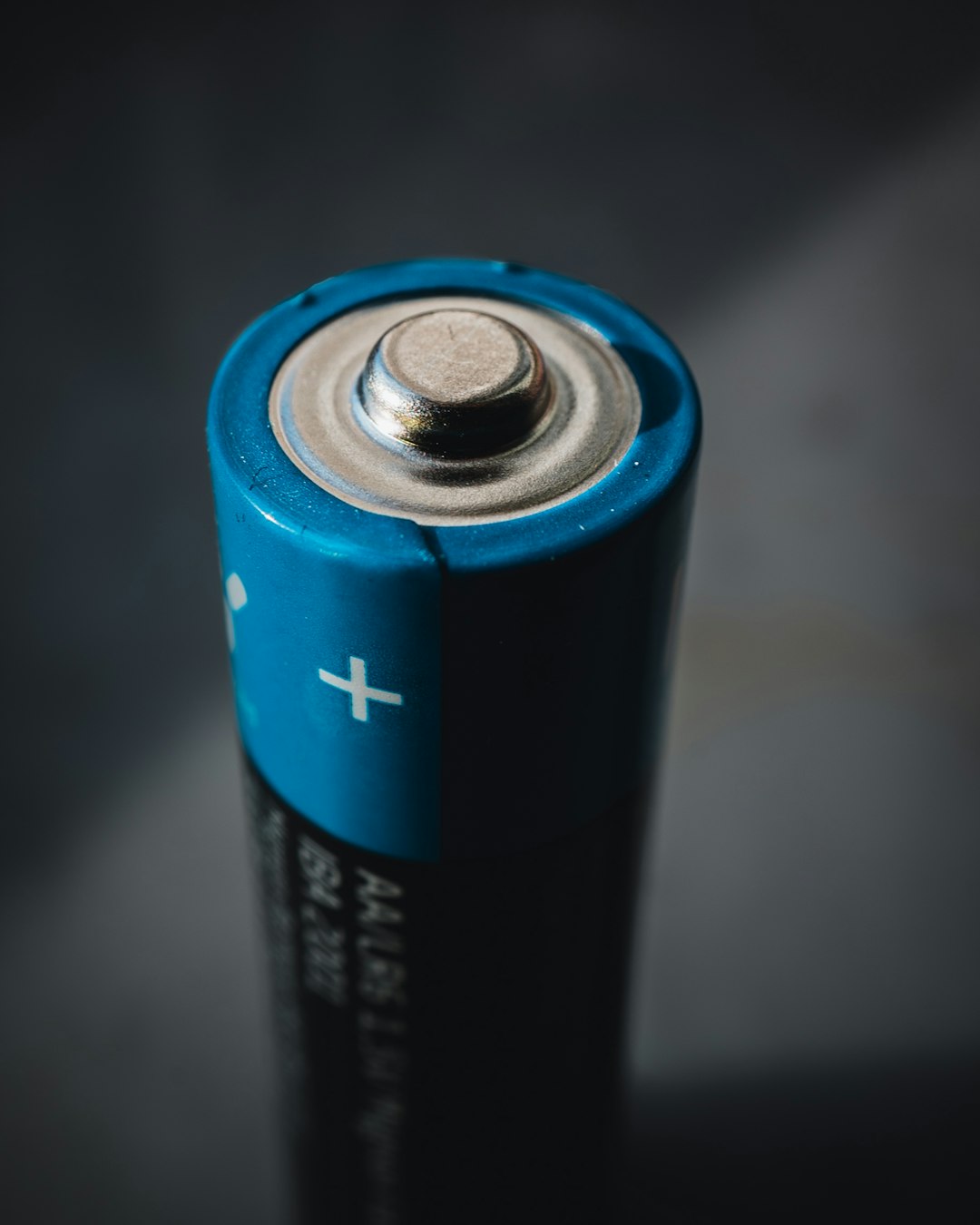
Ah stands for Ampere-hour, a unit that measures electric charge. It indicates how much power a battery can deliver over time. If a battery has 5 Ah, it can deliver 5 amps for one hour. This value shows the battery's capacity and endurance.
Role In Power Tools
Battery Ah directly affects a power tool's performance. Higher Ah means longer runtime for your tools. This is crucial for tasks that need extended periods of operation. Choosing a battery with higher Ah can enhance productivity. It reduces the need for frequent charging breaks.
Impact On Tool Performance
Understanding how the battery ampere-hour (Ah) rating impacts your power tool's performance can transform your DIY projects. It's not just about picking the highest Ah rating; it's about aligning the battery's capabilities with your specific needs. Let's delve into how battery Ah affects power output and operating time.
Power Output
The Ah rating directly affects the power output of your tool. A higher Ah means more electrical energy is available to be delivered to the motor. This can result in a more robust performance, allowing your tool to tackle tougher tasks with ease.
Consider working with a drill on a dense wooden surface. A battery with a higher Ah rating will provide the necessary power to drill efficiently without stalling. You experience smoother operation and less frustration.
But, are you aware that an overly powerful tool can sometimes be less precise? If you're working on delicate tasks, a lower Ah might be more suitable. It's about finding the sweet spot for your projects.
Operating Time
Your tool's operating time is significantly influenced by the battery Ah rating. A higher Ah means longer usage before needing a recharge. This is particularly advantageous for projects that require extended periods of operation.
Picture yourself working on a home renovation. You want a battery that lasts throughout the day without frequent recharges interrupting your workflow. A higher Ah rating ensures you stay productive.
But here's a thought: how often do you find yourself charging batteries in the middle of a project? Balancing your tool's power needs with battery capacity can minimize downtime and enhance efficiency.
Ultimately, the battery Ah impacts both the power output and operating time of your tool. By understanding these effects, you can make informed decisions that align with your project requirements and maximize your productivity.
Comparing Different Ah Ratings
Understanding the Amp-hour (Ah) rating of a battery is crucial for power tools. The Ah rating determines how long the battery can run before needing a recharge. Higher Ah ratings generally mean longer usage times. But, choosing the right Ah rating depends on your specific needs.
Different Ah ratings offer distinct advantages. They can influence the performance and suitability of your power tool. Let's explore how low and high Ah ratings differ. We'll also discuss their applications.
Low Ah Vs High Ah
Low Ah batteries are lighter. They are perfect for short, quick tasks. They can make your tool less heavy and easier to handle. But, they may need frequent recharging during extended use.
High Ah batteries provide longer runtime. They are suited for prolonged tasks. They are heavier, adding weight to your tool. Yet, they reduce the need for frequent recharges.
Applications For Various Ah Ratings
Low Ah batteries are ideal for light-duty tasks. They work well for household repairs or quick fixes. They are cost-effective and practical for infrequent use.
High Ah batteries excel in demanding applications. They are perfect for professional projects or heavy-duty work. They ensure your tools run longer without interruption.
Choose a battery with the right Ah rating for your needs. It enhances efficiency and convenience for any task.
Factors Influencing Efficiency
Understanding the efficiency of your power tool goes beyond just the brand or model you choose. The battery amp-hour (Ah) rating plays a pivotal role in how your tool performs. Factors such as tool design and battery technology advancements significantly influence this efficiency. Whether you're a seasoned DIY enthusiast or just starting, knowing these factors can improve your tool's performance and longevity.
Tool Design Considerations
Every power tool is crafted with specific design elements that affect efficiency. The motor size, weight distribution, and ergonomic features all play a role. A well-designed tool will efficiently use the battery's energy, offering longer work sessions and consistent power output. Think about the tools you've used before—did their design help you complete tasks faster? Choosing a tool that complements your work style can drastically impact your productivity.
Battery Technology Advancements
Battery technology is constantly evolving. Newer batteries often offer higher Ah ratings, meaning they can store more energy and provide longer run times. Lithium-ion batteries, for instance, have revolutionized power tool efficiency by offering lightweight designs and quick charging times. Have you ever found yourself waiting for a battery to charge, wishing it was faster? Consider investing in tools with advanced battery tech to reduce downtime.
Next time you shop for a power tool, look beyond the price tag. Think about the efficiency factors that will make your work easier and more enjoyable. How can these advancements change the way you approach your projects?
Choosing The Right Battery
Choosing the right battery for your power tool can be crucial. It impacts performance, durability, and cost. Understanding battery amp-hour (Ah) ratings helps you make informed decisions. The right battery ensures efficient operations and long-lasting power. Different tools require different power levels. Consider your tool's specific needs before purchasing a battery.
Assessing Tool Needs
Start by understanding your tool’s power requirements. Higher Ah ratings provide more runtime. For heavy-duty tools, opt for batteries with higher Ah. They sustain longer periods of use. Light tasks might need lower Ah batteries. This helps save costs and prevent overuse. Match the battery to the tool's workload.
Balancing Cost And Performance
Cost and performance must align. High Ah batteries cost more but offer extended use. Low Ah batteries are cheaper but need frequent charges. Assess your budget against your tool's demands. Consider long-term savings over short-term expenses. A balanced choice maximizes efficiency without overspending. Choose wisely for lasting tool performance.
Maintenance Tips For Optimal Performance
Power tools rely heavily on their batteries for optimal performance. Maintaining these batteries ensures your tools work efficiently and last longer. Follow these maintenance tips to keep your power tool batteries in top condition.
Proper Charging Practices
Charging your battery correctly boosts its lifespan. Always use the charger designed for your battery. Avoid overcharging to prevent damage. Charge the battery fully before using it. Partial charges can reduce battery life. Monitor the charging process to stop once full. This prevents overheating and prolongs battery health.
Storage Guidelines
Store batteries in a cool, dry place. Avoid direct sunlight and heat sources. High temperatures can reduce battery efficiency. Cold environments also affect battery performance. Keep batteries away from moisture to prevent corrosion. Use cases or boxes for protection. This helps maintain battery integrity during storage.
Future Trends In Battery Technology
Battery Ah determines how long a power tool can run before needing a recharge. Higher Ah ratings provide more energy, allowing tools to perform longer. This is crucial for tasks requiring extended use without frequent interruptions. As battery technology advances, expect more efficient and longer-lasting power tools.
Future trends in battery technology are transforming power tools. These advancements influence the efficiency and capabilities of these devices. The Ah, or ampere-hour capacity, plays a crucial role. As technology evolves, manufacturers are focusing on improving this aspect. Let's explore these innovations and their impact.
Innovations In Ah Capacity
Researchers are increasing Ah capacity in batteries. This means longer run times for power tools. Larger Ah capacity allows power tools to perform demanding tasks. Engineers use new materials to enhance battery life. Lithium-ion batteries continue to dominate the market. They're lighter and more efficient than older models. Solid-state batteries are emerging as a promising alternative. These batteries offer higher energy densities. They are expected to provide better performance. As capacity grows, users can rely on their tools for extended periods.
Sustainability And Efficiency
Sustainability is a priority in battery development. Manufacturers are reducing harmful chemicals in battery production. Eco-friendly practices are being adopted widely. Recyclable materials are now used more frequently. This shift helps minimize environmental impact. Efficiency is also a key focus. New designs aim to reduce energy waste. Improved charging systems enable faster recharges. Smart batteries optimize power usage. These advancements ensure tools operate effectively and responsibly.
Frequently Asked Questions
What Does Ah Mean In Power Tools?
Ah, or ampere-hour, indicates a battery's capacity. It shows how long a battery can deliver power. Higher Ah means longer runtime, allowing your power tool to work longer between charges. Understanding Ah helps you choose the right battery for your tool's needs, ensuring efficiency and productivity.
Does Higher Ah Mean More Power?
Higher Ah doesn't mean more power but longer battery life. It indicates the battery's capacity to sustain power over time. A higher Ah battery allows your tool to run longer, reducing downtime for charging. Choosing the right Ah can enhance efficiency, especially for demanding tasks or extended use.
How Does Ah Affect Tool Performance?
Ah affects how long a tool can run on a single charge. A higher Ah battery provides longer runtime, enabling extended use without frequent recharging. While it doesn't directly increase power, it supports consistent performance. Selecting the right Ah depends on the tool's usage and your specific needs.
Is Higher Ah Always Better For Tools?
Higher Ah isn't always better; it depends on usage needs. For occasional or light tasks, lower Ah might suffice. However, for demanding tasks or longer use, higher Ah is beneficial. It offers extended runtime, reducing interruptions. Assess your tool's requirements and usage patterns to choose the appropriate Ah.
Conclusion
Understanding battery Ah is vital for choosing the right power tool. It directly impacts tool runtime and efficiency. Higher Ah means longer use between charges. Perfect for demanding tasks. Lower Ah may suit lighter jobs or budget needs. Consider your work type and frequency.
This ensures optimal tool performance. Always check compatibility with your device. Not all batteries fit all tools. Proper knowledge aids smart buying decisions. Balance power needs with cost considerations. This ensures effective, long-lasting tool use. Happy tool shopping!