Have you ever marveled at how detectives piece together clues to solve a mystery? One of the unsung heroes in the world of forensic science is tool mark analysis.
It's a fascinating field where the smallest details can unravel the biggest secrets. But what if we told you that technology has taken this field to a whole new level? Imagine being able to see even the tiniest mark with incredible clarity or having the power to analyze patterns with unmatched precision.
This is not just a leap; it’s a giant stride forward in solving cases more swiftly and accurately. By the end of this article, you'll discover how technology has revolutionized tool mark analysis, making it an indispensable ally in crime-solving. Ready to explore how these advancements could impact even the most complex investigations? Let’s dive in!
Advancements In Imaging Techniques
Technology has significantly enhanced tool mark analysis, particularly through advancements in imaging techniques. These improvements have transformed how experts examine and interpret tool marks, making the process more precise and efficient. Imagine the difference between looking at a blurry photo versus a high-definition image; that's the leap forward we're talking about.
3d Scanning And Modeling
3D scanning and modeling have become game-changers in tool mark analysis. They allow forensic experts to create detailed, three-dimensional models of tool marks. This technology captures every groove and ridge, offering a comprehensive view that was previously unattainable.
Think about how you can now virtually walk around and inspect a sculpture from every angle without leaving your chair. This level of detail helps in distinguishing subtle differences in tool marks that might be missed with traditional methods.
Using 3D models, experts can easily compare tool marks, ensuring that analyses are not only accurate but also repeatable. Have you ever wondered how much more reliable a comparison can be when you're literally looking at the problem from all angles?
High-resolution Microscopy
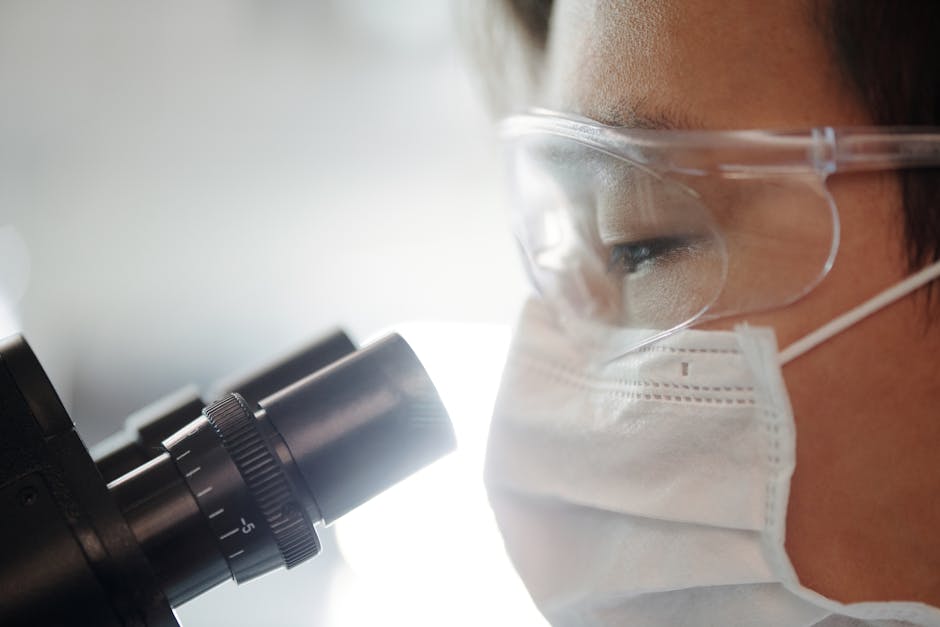
High-resolution microscopy takes tool mark analysis to a whole new level. It allows experts to zoom in on microscopic details that were once invisible to the naked eye. This technique uses advanced optics to provide crystal-clear images of even the tiniest tool marks.
Imagine being able to see each individual scratch or indentation as if you were looking through a magnifying glass. This clarity makes it easier to identify unique characteristics that can link a tool to a specific mark.
Have you ever considered how much information is hidden in plain sight because our eyes can't see it? High-resolution microscopy brings those hidden details into focus, giving forensic scientists the tools they need to make informed decisions.
These advancements in imaging techniques not only improve accuracy but also enhance the speed at which analyses can be conducted. With technology continually evolving, the question remains: how much further can we push the boundaries of what we can see and understand?
Enhanced Data Analysis
Technology has transformed tool mark analysis. Enhanced data analysis plays a key role. It helps experts understand complex crime scenes better. This leads to more accurate conclusions. With advanced tools, professionals can analyze evidence faster and more precisely.
Artificial Intelligence Applications
Artificial Intelligence (AI) brings significant improvements in tool mark analysis. AI can process vast data sets quickly. This capability helps identify patterns in tool marks. It mimics human decision-making but with greater accuracy. AI reduces the time experts spend on repetitive tasks.
AI systems can highlight unusual patterns. Experts can then focus on these areas. This makes investigations more efficient. It ensures that critical details are not overlooked.
Machine Learning Algorithms
Machine learning algorithms enhance tool mark analysis. They learn from data over time. Each analysis makes the system smarter. It refines its ability to distinguish between tool marks. This leads to more accurate results.
These algorithms can predict potential outcomes. They suggest the best investigative paths. This assists experts in making informed decisions. Machine learning minimizes human error in analysis. It ensures consistent and reliable conclusions.
Digital Databases And Comparisons
Technology has brought significant improvements to tool mark analysis. Digital databases have enhanced how experts compare tool marks. These advancements have streamlined processes and improved accuracy. Let's explore some key aspects of digital databases and comparisons.
Centralized Data Repositories
Centralized data repositories store vast amounts of tool mark information. Experts can access these repositories from anywhere. This access ensures consistent data sharing and collaboration. Information is updated regularly, providing reliable resources for analysis.
Such repositories help in tracking tool mark patterns over time. They also enable the identification of new trends. Analysts can efficiently compare new marks with existing data. This process speeds up investigations and decision-making.
Automated Cross-referencing
Automated cross-referencing simplifies tool mark comparisons. Advanced algorithms scan databases for similar marks. This automation reduces human error and increases precision. Analysts receive quick results, saving time and effort.
The system flags potential matches for further examination. Experts can then focus on detailed analysis. Automation also enhances the quality of forensic reports. It ensures findings are backed by robust data, leading to more accurate conclusions.
Portable And Mobile Tools
Technology has enhanced tool mark analysis by introducing portable and mobile devices. These tools allow quick, precise identification of tool marks at crime scenes. Enhanced portability means forensic experts can analyze evidence on-site, improving efficiency and accuracy.
Portable and mobile tools have significantly enhanced tool mark analysis. These innovations offer flexibility and efficiency for forensic experts. Analysts can now perform examinations in various environments with ease. The development of these tools has transformed traditional methods.
Handheld Devices
Handheld devices are vital in modern tool mark analysis. They are compact and easy to carry. These tools allow experts to work outside the lab. Their portability ensures convenience in various settings. Analysts can quickly capture data on-site. This reduces the need for transporting evidence.
On-site Analysis Capabilities
On-site analysis capabilities save time in investigations. Portable tools enable immediate examination of tool marks. Experts can assess evidence at crime scenes. This immediate access helps in making quick decisions. Analysts can compare marks with stored databases instantly. The process becomes smoother and more efficient. Portable and mobile tools streamline tool mark analysis. They offer flexibility and improve the accuracy of results.
Collaboration And Communication Platforms
In the realm of tool mark analysis, technology has revolutionized how experts collaborate and communicate. The advent of digital platforms has brought professionals together, facilitating seamless interaction and information exchange. These platforms play a crucial role in enhancing accuracy and efficiency, ensuring that forensic investigations are more thorough than ever before. Imagine being able to share insights with a colleague halfway across the globe in mere seconds. It's not just possible—it's becoming the norm.
Cloud-based Solutions
Cloud-based solutions have transformed the landscape of tool mark analysis. They offer the flexibility to store and access data from anywhere, at any time. This eliminates the need for physical storage and allows for quick retrieval of information.
Think about the convenience of accessing a comprehensive database without the burden of managing bulky files. Cloud platforms ensure that you have the latest updates and analyses right at your fingertips, streamlining your workflow and reducing the risk of data loss.
Security is paramount, and these solutions often come with robust encryption features. This ensures that sensitive data remains protected, giving you peace of mind as you work.
Real-time Data Sharing
Real-time data sharing is a game-changer in tool mark analysis. With instantaneous access to information, you can collaborate with peers on complex cases effortlessly. This rapid exchange of data fosters a dynamic environment where ideas flourish and solutions are crafted more efficiently.
Picture yourself working on a challenging case. You hit a snag and need expert advice. Real-time data sharing allows you to present your findings to a fellow analyst immediately, receiving feedback and suggestions in an instant. This accelerates the problem-solving process and enhances the quality of analysis.
Moreover, real-time communication tools enable you to conduct virtual meetings with stakeholders. You can present your analysis, discuss findings, and make informed decisions without the constraints of geographical boundaries.
As you navigate the evolving landscape of tool mark analysis, consider how these technologies can enhance your work. How can real-time collaboration elevate your investigative skills? Are you leveraging the full potential of cloud-based solutions? The answers could redefine your approach to forensic science.
Training And Skill Development
Technology has transformed tool mark analysis. Training and skill development are crucial. New methods help professionals learn effectively. They enhance accuracy and efficiency.
Virtual Reality Simulations
Virtual reality simulations offer hands-on experience. They provide a safe learning environment. Trainees can practice without real-world consequences. This method boosts confidence and skills.
Users immerse in realistic crime scenes. They examine tool marks closely. This enhances their observational skills. Errors are easily corrected in virtual settings. It allows repeated practice.
Interactive Learning Modules
Interactive learning modules provide engaging content. They use videos, quizzes, and games. These tools make complex topics easier. Users learn at their own pace.
Modules cover various tool mark types. They explain analysis techniques clearly. This fosters a deeper understanding. Learners retain information better. It ensures they apply skills effectively.
Both virtual reality and interactive modules support skill growth. They prepare analysts for real-world challenges. Technology makes learning accessible and efficient.
Future Trends In Tool Mark Analysis
Technology has enhanced tool mark analysis by providing accurate digital imaging and 3D modeling. These advancements allow experts to examine fine details and patterns with precision. Automated systems streamline processes, improving both speed and reliability in forensic investigations.
Future Trends in Tool Mark Analysis As technology rapidly evolves, tool mark analysis is set to undergo significant advancements. These future trends promise to transform the way forensic experts work, making their analysis more precise and efficient. Let's explore some of these exciting trends that are on the horizon.
Integration With Forensic Science
The integration of advanced technology with forensic science is reshaping tool mark analysis. By using 3D imaging and scanning, experts can create detailed digital models of tool marks. This allows for more accurate comparisons and helps in identifying subtle differences that were previously hard to detect. Moreover, virtual reality tools are being used to recreate crime scenes, allowing investigators to visualize tool marks in their original context. Imagine being able to "walk through" a crime scene and examine tool marks from every angle. This not only enhances accuracy but also speeds up the analysis process. How do you think these technological integrations will impact the reliability of forensic evidence in courtrooms?
Predictive Analytics
Predictive analytics is another exciting development in tool mark analysis. By analyzing patterns and data from past cases, these tools can predict possible outcomes and suggest investigative paths. This means that forensic experts can make informed decisions faster. For instance, predictive models can help identify the most likely tool used in a crime based on the type of mark left behind. This reduces the time spent on trial and error during investigations. Data-driven insights can also help in resource allocation, ensuring that forensic teams focus their efforts where they are most needed. Could predictive analytics be the key to solving cold cases more efficiently? The future of tool mark analysis is bright, with technology paving the way for groundbreaking advancements. By embracing these trends, you can expect forensic investigations to become more precise, efficient, and impactful. What other changes do you foresee in this fascinating field?
Frequently Asked Questions
How Does Technology Enhance Tool Mark Analysis?
Technology enhances tool mark analysis by providing precise imaging and measurement tools. Digital microscopes and 3D imaging offer detailed views of tool marks. Advanced software aids in accurate comparisons and pattern recognition. These innovations increase efficiency and accuracy, helping forensic experts draw reliable conclusions faster.
What Role Do 3d Scanners Play In Forensics?
3D scanners capture detailed images of tool marks with high precision. This technology allows forensic experts to create accurate digital replicas. These replicas are used for thorough analysis and comparison. 3D scanning improves the accuracy and reliability of forensic investigations, making it a vital tool in modern forensics.
How Has Ai Impacted Forensic Tool Mark Analysis?
AI has revolutionized tool mark analysis by automating pattern recognition. It quickly identifies unique tool mark features, reducing human error. AI algorithms enhance comparison accuracy, speeding up the analysis process. This leads to quicker, more reliable forensic conclusions, greatly benefiting criminal investigations and legal proceedings.
What Benefits Do Digital Microscopes Offer?
Digital microscopes provide high-resolution images of tool marks, enhancing detail visibility. They allow for precise measurements and easier comparisons. This technology reduces analysis time and improves accuracy. Digital microscopes are user-friendly, making them essential tools for modern forensic experts in tool mark analysis.
Conclusion
Technology brings significant advances to tool mark analysis. It enhances accuracy and speed. Digital tools help experts identify patterns quickly. This reduces errors and saves time. Improved imaging techniques reveal detailed insights. Analysts now make more informed decisions. This benefits fields like forensics and manufacturing.
As technology evolves, tool mark analysis will continue to advance. This progress promises more precise investigations. Better outcomes for various industries. Embracing these tools is crucial for future success. Understanding these changes is vital in today's tech-driven world.