Have you ever wondered how investigators can tell which tool was used in a crime just by looking at marks left behind? If you’re curious about the fascinating world of forensic science, you're in the right place.
Tool mark impression evidence is one of those intriguing aspects of crime scene investigation that can reveal hidden truths. By understanding how experts examine these marks, you gain insight into a process that is both scientific and almost detective-like in its precision.
Imagine being able to uncover crucial details from mere scratches or indentations. This article will guide you through the process, making you feel like you're right in the lab with forensic specialists. Stay with us as we delve into the meticulous art and science of examining tool mark impressions, revealing secrets that are often invisible to the untrained eye.
Tool Mark Evidence Basics
Tool mark evidence plays a crucial role in forensic investigations. It can link a suspect to a crime scene or help identify the tools used in committing a crime. Understanding the basics of tool mark evidence is essential for unraveling mysteries and achieving justice. Let's dive into the foundational elements that make tool mark evidence so significant in the realm of forensics.
Types Of Tool Marks
Tool marks are categorized mainly into three types: striated marks, impressed marks, and cut marks. Striated marks occur when a tool slides across a surface, leaving behind a distinctive scratch pattern. Impressed marks are created when a tool is pressed into a softer surface, resulting in a clear imprint of the tool’s shape. Cut marks, often found on bones or wires, show where a tool has severed or sliced through an object.
Imagine a burglar using a crowbar to pry open a door. The striated marks left on the door frame can be as telling as a fingerprint. Each type of tool mark offers unique clues, making it easier for forensic experts to identify the tools and potentially connect them to a suspect.
Common Sources Of Tool Marks
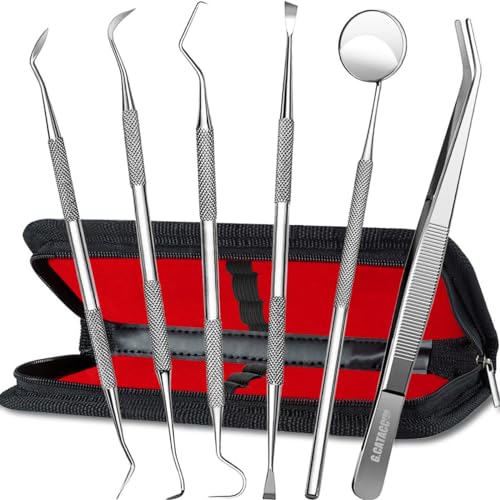
Tool marks can appear in a variety of scenarios, often in unexpected places. They are frequently found at burglary sites, where tools are used to gain entry. Weapons, such as knives or guns, can also leave tool marks on victims or surrounding objects. Even household items, like screwdrivers and pliers, can leave marks that are examined forensically.
Consider a crime scene where a window has been forced open. The tool marks left on the windowsill might be the key to identifying the tool used and, consequently, the perpetrator. By examining these marks, forensic experts can build a narrative around the crime, connecting the dots that lead to resolution.
Have you ever thought about how a simple scratch or indentation can be pivotal in solving a crime? Next time you use a tool, think about the unique signature it leaves behind. These seemingly insignificant marks can be crucial evidence in the pursuit of justice.
Collection Of Tool Mark Evidence
Tool mark impression evidence plays a crucial role in forensic investigations. Collecting this evidence accurately ensures the integrity of the analysis. Proper techniques must be followed to preserve and document tool marks effectively. Let's explore these essential methods.
Preservation Techniques
Preserving tool mark evidence is vital for accurate examination. First, ensure the area is secure. Prevent contamination by using gloves and clean tools. Use silicone or rubber casting materials to make replicas of the tool marks. This helps preserve the original surface. The replicas allow for detailed examination later.
Store the evidence carefully. Use labeled bags or containers. Keep them away from extreme temperatures or humidity. This prevents any potential damage. Preservation is key for maintaining evidence integrity.
Documentation Methods
Documenting tool mark evidence involves several steps. Start with clear photographs. Capture the marks from different angles. Use a scale for reference. This provides context for size and detail.
Write detailed notes. Include information about the location and condition of the evidence. Describe the tool marks' appearance. Record any environmental factors that could affect the marks. This thorough documentation supports the investigation.
Analysis Techniques
Tool mark impression evidence requires careful examination. Experts use several analysis techniques to uncover the truth. These methods help identify the tools used in crimes. Each technique offers unique insights into the evidence. By using these techniques, investigators can link tools to specific criminal activities. Let's explore two primary analysis techniques.
Comparative Microscopy
Comparative microscopy involves examining tool marks under a microscope. This technique allows experts to compare two tool marks side by side. It highlights tiny details that are not visible to the naked eye. Investigators can match these marks with a suspect's tool. This method is precise and reliable. It helps establish connections between the crime scene and the suspect.
Casting And Molding
Casting and molding capture tool marks in a detailed way. Investigators use materials like silicone or plaster. They create a mold of the tool mark. This mold is an exact replica. It allows experts to study the mark without damaging the original surface. Casting provides a clear view of the tool's unique features. It helps in comparing these features with a suspect's tool.
Role Of Technology In Examination
Technology plays a crucial role in examining tool mark impression evidence. It enhances accuracy and aids forensic experts in uncovering details. Modern techniques offer a deeper understanding than traditional methods. These advancements make the examination process more reliable and efficient.
Digital Imaging
Digital imaging provides a clear view of tool mark evidence. High-resolution cameras capture detailed images. These images reveal minute details invisible to the naked eye. Experts use software to analyze these images. This helps in identifying unique characteristics of the tool marks.
The images can be enhanced for better clarity. This aids in distinguishing between similar marks. Digital imaging makes storing and sharing evidence easier. It provides a permanent record of the tool mark impressions. This is vital for future reference and case reviews.
3d Modeling
3D modeling brings tool mark evidence to life. It creates a three-dimensional representation of the marks. This allows experts to examine the evidence from different angles. 3D models can be rotated and zoomed in for detailed analysis.
These models help in understanding the depth and shape of the tool marks. They provide insights into the tool's interaction with the surface. 3D modeling is useful for comparison with suspect tools. It enhances the accuracy of matching tool marks to potential sources.
Both digital imaging and 3D modeling contribute significantly to forensic investigations. They ensure precise examination of tool mark evidence. These technologies improve the reliability of findings in legal proceedings.
Expert Interpretation
Tool mark impression evidence involves examining the unique marks left by tools on surfaces. Experts analyze these impressions to identify the tool used. They compare the marks with known samples to determine the tool's characteristics. This process helps in solving crimes by linking tools to specific incidents.
In the fascinating world of forensic science, the process of examining tool mark impression evidence is both an art and a science. Expert interpretation plays a crucial role in understanding these unique marks. It's not just about matching patterns; it's about deciphering the story behind the marks. Imagine standing in a lab, peering through a microscope, and being the detective who pieces together a puzzle that could solve a crime.
Identifying Unique Characteristics
Every tool, like a fingerprint, leaves its own distinct mark. These unique characteristics arise from manufacturing processes and wear and tear from usage. Experts look for tiny grooves, scratches, and indentations that are unique to each tool. They meticulously document these features, sometimes using advanced technologies such as 3D imaging. Consider the importance of detail. Even a small chip or scratch on a tool can be the key to identifying it. Do you ever wonder how a slight alteration in your daily routine creates a new pattern? Similarly, these tiny details can unravel the mystery of a crime scene.
Matching Tool Marks To Tools
Once unique characteristics are identified, the next step is matching these marks to the tool that made them. This is where the expert's skill truly shines. They compare the evidence marks to test marks made by suspect tools. Imagine being an artist matching shades of color on a palette. Each comparison requires patience and a keen eye for detail. Experts often use comparison microscopes, allowing them to view the evidence and test marks side by side. This tool is vital in ensuring accuracy. Have you ever tried to spot the difference between two similar images? The challenge is similar but with much higher stakes.
By interpreting these marks, you not only solve the mystery of which tool was used but also potentially uncover the method and sequence of events at a crime scene. Isn't it fascinating how a simple tool mark can provide such profound insights?
Challenges In Tool Mark Analysis
Tool mark analysis presents distinct challenges in forensic investigations. Each tool leaves unique marks, but various factors complicate their examination. Understanding these challenges is crucial for accurate interpretations and results.
Degradation Over Time
Tool marks degrade with time, affecting their clarity. Environmental factors, like moisture and temperature, accelerate this degradation. Rust and corrosion can alter the original impressions significantly. Identifying tool marks on older evidence becomes harder due to these changes.
Preservation methods help, but are not always foolproof. Forensic experts often deal with partial or faint marks. This makes accurate analysis more demanding. Time can erase or obscure vital details needed for identification.
Complexity Of Patterns
Tools can create intricate and complex patterns. Each tool's design and usage contribute to these unique patterns. Subtle differences in marks can challenge even experienced examiners. Overlapping or similar patterns add another layer of difficulty.
Microscopic examination is often necessary to discern these details. High precision is required to differentiate between similar patterns. The complexity of these patterns can make definitive conclusions elusive.
Case Studies And Applications
Tool mark impression evidence is examined by comparing marks left by tools on surfaces. Investigators use microscopes and casting techniques to analyze these impressions. This helps in identifying the tool used in a crime.
Tool mark impression evidence plays a crucial role in solving crimes by linking tools to specific criminal activities. Through various case studies, we can observe how this type of evidence has been applied in real-world scenarios to bring justice. Below, we explore notable cases and their impact on legal proceedings.
Notable Cases
One of the most famous cases involving tool mark impression evidence is the Lindbergh kidnapping in 1932. This case showcased how forensic experts used tool marks to trace a homemade ladder to the suspect, Bruno Hauptmann. This evidence was pivotal in securing his conviction. In another instance, a burglary case in California was cracked by matching the unique tool marks left on a broken window to a specific screwdriver found in the suspect's possession. Without this evidence, the case might have remained unsolved. Tool mark analysis was also crucial in the Green River Killer case. Investigators matched the tool marks on a ligature to a specific piece of equipment found with the suspect, Gary Ridgway. This connection helped solidify the case against him.
Impact On Legal Proceedings
Tool mark impression evidence often serves as a silent witness, providing undeniable proof in court. Its presence can sway a jury's decision by providing a tangible link between the crime and the suspect. This type of evidence adds weight to the prosecution's argument and can be the deciding factor in a case. Legal proceedings have also evolved to ensure the accuracy of tool mark evidence. Judges and attorneys now often require expert testimony to explain the significance of tool marks to the jury. This ensures that the evidence is understood and appropriately valued in the courtroom. The reliability of tool mark evidence has led to its increased use in legal systems worldwide. While some may question its infallibility, advancements in forensic science continue to enhance its precision, making it a crucial component in the pursuit of justice. Have you ever considered how a simple tool could lead to solving a complex crime? This tangible link between evidence and suspect emphasizes the importance of meticulous investigation and the power of science in the legal arena.
Future Trends In Tool Mark Examination
Tool mark impression evidence is examined using advanced techniques to match marks on objects with specific tools. Future trends focus on 3D imaging and digital analysis, enhancing accuracy and reducing human error. These innovations help investigators identify suspect tools more efficiently.
As the world of forensic science evolves, tool mark examination is not left behind. With rapid technological advancements, the future of tool mark impression evidence is promising. Are you curious about what lies ahead in this fascinating field?
Advancements In Technology
New technologies are transforming how we examine tool marks. Digital imaging and 3D scanning allow forensic scientists to create highly detailed models of tool marks. These models can be analyzed with greater precision, leading to more accurate identifications. Consider how machine learning is making waves in this field. Algorithms can now compare thousands of tool mark images in a fraction of the time it would take a human. This speeds up investigations and reduces human error, making justice swifter and more reliable. Have you ever thought about how augmented reality might play a role? Imagine an investigator using AR glasses to see enhanced tool mark details in real-time. This could change on-site investigations forever, providing insights that were previously unimaginable.
Evolving Standards
As technology advances, standards in tool mark examination must keep pace. This means updating protocols to ensure all forensic labs use the best practices. Consistent standards across labs ensure that evidence holds up in court. Training is another area seeing significant evolution. With new technologies, forensic experts must continually update their skills. Interactive training modules, perhaps even virtual reality simulations, could soon become the norm. How do these changes impact you? If you're involved in law enforcement or the legal system, staying informed and adaptable is key. The future of tool mark examination is exciting, and being part of it means embracing change and innovation. By understanding these trends, you're better equipped to appreciate the evolving landscape of forensic science. Are you ready to see how these advancements will unfold in the coming years?
Frequently Asked Questions
What Is Tool Mark Impression Evidence?
Tool mark impression evidence involves marks left by tools on surfaces. These marks can help identify the tool used during a crime. Forensic experts analyze these impressions to match them to specific tools, aiding in criminal investigations. This process involves comparing the marks with known tool samples.
How Are Tool Marks Analyzed?
Tool marks are analyzed using microscopes to study fine details. Experts compare the marks to known tool samples to find matches. This process involves examining the unique patterns or striations left by tools. The analysis helps in identifying the tool used in a crime.
Why Is Tool Mark Evidence Important?
Tool mark evidence is crucial in linking a suspect to a crime scene. It provides physical evidence of tool usage during a crime. This evidence can help establish timelines and suspect movements. It's a key component in forensic investigations to solve crimes.
What Tools Create Impression Evidence?
Tools like screwdrivers, pliers, and hammers can create impression evidence. These tools leave distinct marks on surfaces they contact. Forensic experts use these marks to identify the specific tool involved. This helps in connecting the tool to criminal activities.
Conclusion
Tool mark impression evidence plays a crucial role in solving crimes. Investigators carefully examine marks to identify tools used. This process involves comparing marks with known tool impressions. Detailed analysis can link a suspect to a crime scene. Every scratch or dent tells a story.
Experts use lighting, magnification, and photography for accuracy. Tool mark evidence is vital for justice. It helps uncover hidden truths and validate facts. Understanding its examination is essential for law enforcement. As technology advances, methods improve. Accuracy increases. The future of criminal investigation relies on these precise techniques.