Imagine a world where you confidently tackle DIY projects, transforming your home into a masterpiece. Power tools make this dream possible.
Yet, they can also turn your dream into a nightmare if misused. Are you unknowingly putting yourself at risk every time you switch on that drill or saw? The truth is, many of us make simple mistakes that could lead to serious injuries or costly repairs.
We’ll uncover the common pitfalls of using power tools and how you can avoid them. By the end, you’ll have the knowledge to handle your tools safely and effectively. You’ll feel empowered, knowing your projects will be completed successfully and with peace of mind. Dive in and discover how to protect yourself while achieving the results you desire.
Safety Precautions
Using power tools can be risky. Proper safety measures are crucial. Without them, accidents can happen. These tools need respect and care.
Understanding safety precautions saves you from harm. It also keeps your tools in good condition. Let's explore how to stay safe.
Proper Gear
Always wear the right gear. Safety goggles protect your eyes. Gloves shield your hands. Sturdy shoes guard your feet. Hearing protection is vital for loud tools. Never wear loose clothing. It can get caught in tools.
Workspace Setup
Keep your workspace organized. Clutter increases the risk of accidents. Ensure good lighting. You need to see what you are doing. Work on a stable surface. It should not wobble or shake.
Keep tools within reach. Avoid stretching or overreaching. Secure cords and cables. They should not dangle or trip you. Make sure the area is dry. Water and electricity don't mix well.
Choosing The Right Tool
Using power tools incorrectly can lead to accidents. Always wear safety gear and follow the instructions. Choose the right tool for the job to ensure safety and efficiency.
Choosing the right tool for your DIY project can make or break your experience. Whether you're a seasoned pro or just starting out, selecting the appropriate power tool is crucial for both safety and efficiency. You wouldn't use a sledgehammer to crack a nut, so why use the wrong tool for your task? Let's dig into the specifics and ensure you're equipped with the right knowledge.
Tool Functionality
Understanding the functionality of each tool is key. Every power tool is designed with a specific purpose in mind. A circular saw is perfect for cutting through large pieces of wood, but it's not ideal for detailed work. Make sure you know what each tool is capable of before you start your project. Imagine trying to sand a delicate wooden sculpture with a belt sander. You'd likely end up with a pile of sawdust rather than a masterpiece. Choosing the right tool based on its functionality can save you time, money, and frustration.
Size And Capacity
The size and capacity of a tool can greatly impact your project's outcome. Using an oversized drill for a small project can be overkill and might even damage your materials. On the other hand, a tool that's too small may lack the power to get the job done. Consider the scale of your project. If you're building a treehouse, a high-capacity tool might be necessary. But if you're assembling a simple bookshelf, a compact drill will suffice. In my early DIY days, I once used a heavy-duty chainsaw to trim a small shrub. It was overpowered and unwieldy, and I quickly learned that matching the tool's size to the task is essential. Have you ever found yourself in a similar situation? Choosing the right tool is more than just picking something off the shelf. It requires thought and understanding of what you need to achieve. Always ask yourself if the tool you're considering truly fits the job at hand.
Incorrect Usage Techniques
Ignoring safety instructions can lead to accidents with power tools. Incorrect techniques increase the risk of injury. Always prioritize proper handling and maintenance to ensure safe usage.
Power tools can be incredibly useful, but they come with their own set of risks when not used correctly. Incorrect usage techniques not only compromise your safety but also affect the quality of your work. Understanding the right way to handle and apply these tools is crucial for both beginners and seasoned DIY enthusiasts. Let's dive into some common missteps that you should avoid to ensure your safety and effectiveness.
Improper Handling
Handling power tools incorrectly is one of the most frequent mistakes. Imagine you're holding a drill without securing your grip properly. It slips and suddenly you're dealing with more than just a botched project. Always make sure your grip is firm and your stance is steady. This might seem obvious, but are you really paying attention to your posture? An awkward position can lead to accidents. Keep your body aligned and balanced. Consider the tool's weight and vibration. Using both hands can help manage this. Have you ever tried using a jigsaw with one hand? It’s an accident waiting to happen.
Wrong Applications
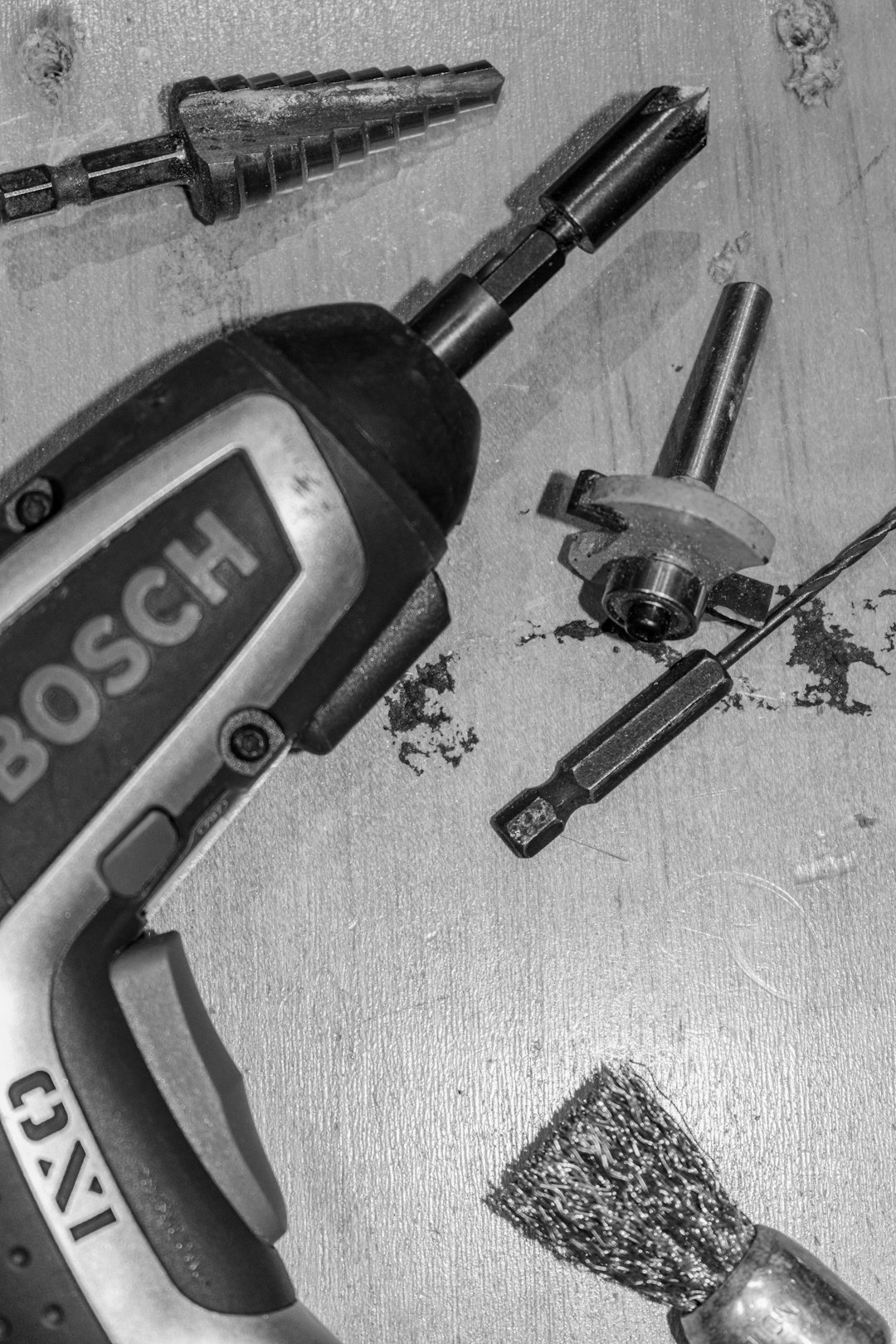
Using a tool for the wrong application is another pitfall. You wouldn't use a hammer to drive in a screw, right? But many people use a drill meant for wood on metal surfaces, compromising the tool and the material. Selecting the wrong blade or bit can ruin your project. Always check that you have the right accessory for the job. It can make all the difference. Consider the task at hand. Can your tool handle it? Overloading a tool can cause it to malfunction. It's like trying to cut a steak with a butter knife—ineffective and frustrating. Reflect on your own experiences. Have you ever found yourself in a tight spot because of incorrect tool usage? Share your insights in the comments.
Maintenance Errors
Power tools simplify many tasks at home and work. But they need proper care. Mistakes in maintenance can lead to accidents. They also reduce the tool's lifespan. Understanding common errors helps ensure safety and efficiency.
Neglecting Regular Checks
Regular checks keep power tools in top shape. Many users skip these checks. This oversight can cause unexpected malfunctions. Regular inspections help spot potential problems early. Look for loose screws and frayed cords. Check the tool's overall condition. Simple checks save time and money in the long run.
Ignoring Manufacturer Instructions
Manufacturer instructions provide essential guidelines. They offer details for safe tool use. Ignoring these can lead to misuse. Users miss out on key maintenance tips. Following instructions ensures the tool works correctly. It also prevents damage. Always read the manual before using a new tool. Keep it handy for future reference.
Ignoring Warning Signs
Ignoring warning signs when using power tools can lead to accidents. Always read instructions and wear protective gear. Safety first ensures both efficiency and well-being.
Ignoring warning signs when using power tools is like playing with fire. You might think a strange noise or an odd vibration is just a minor hiccup, but those are often the early symptoms of something going seriously wrong. It’s crucial to pay attention to these signals to avoid accidents and extend the life of your equipment. Understanding what these signs mean can save you time, money, and perhaps even a trip to the emergency room.
Strange Noises
Unusual sounds from your power tools can be more than just annoying; they can be dangerous. A high-pitched squeal, for instance, might indicate that a bearing is failing. If ignored, this can lead to the tool seizing up and potentially causing harm. Always listen to your tools. If you hear grinding or knocking, stop immediately and inspect the tool. Don't wait for it to become a bigger problem. Have you ever ignored a strange noise only to regret it later? Addressing these issues early can prevent costly repairs.
Unusual Vibrations
Feeling unusual vibrations in your hands while using a power tool can be a warning sign. This might mean that a part is loose or worn out, which can lead to loss of control. Check if the tool’s components are securely fastened. Sometimes, it could be as simple as tightening a screw. But if you overlook it, you could be risking your safety. Remember that vibrations are not normal. They can fatigue your hands and lead to long-term health issues. Have you felt more fatigued after using a tool with excessive vibration? It might be time to do a quick maintenance check.
Paying attention to these warning signs can help you use power tools safely and efficiently. Next time you hear a strange noise or feel a weird vibration, will you take action or let it slide? Your safety depends on your response.
Common Mistakes
Using power tools can seem straightforward. Yet, many users make common mistakes. These errors can lead to accidents. Understanding these mistakes is crucial. Proper usage ensures safety and efficiency.
Overconfidence
Overconfidence is a frequent mistake. Many people believe they know enough. They skip reading manuals. This leads to misuse and accidents. Even experts need refreshers. Always respect the tool's power.
Overconfidence can make you careless. You might ignore warning signs. You might underestimate risks. Every tool has unique features. Learn each one thoroughly. Never assume you know everything. Always approach tasks with caution.
Skipping Safety Measures
Safety measures are there for a reason. Skipping them is dangerous. Some users neglect safety gear. Goggles and gloves are essential. They protect against flying debris. Always wear them while working.
Ignoring safety checks is risky. Tools need regular inspections. Check cords, blades, and settings. Faulty tools can cause harm. Make inspections a routine. Always prioritize safety measures.
Learning From Mistakes
Using power tools can be dangerous. Errors can lead to accidents. Learning from mistakes is crucial to safety. Understanding common errors helps prevent future incidents. Knowledge of past mistakes aids in safer tool use.
This section explores how to learn from errors. It helps improve safety with power tools.
Analyzing Errors
Analyzing mistakes is the first step. Look at what went wrong. Was it improper handling? Incorrect setup? Discover the root cause. Understanding errors helps prevent them. Review each step carefully. Identify where things went astray.
Ask questions. What could you have done differently? Were you following the instructions? Did you use the right tool for the job? Answering these questions helps learn from mistakes.
Implementing Solutions
Implement solutions based on analysis. Adjust techniques or procedures. Use proper safety gear. Read instructions thoroughly. Practice with supervision if needed. Apply learned lessons to avoid repeating errors.
Solutions ensure safer use. They reduce risk significantly. Make changes to your approach. Focus on improved safety measures. Implementing solutions leads to better tool handling skills.
Frequently Asked Questions
What Are Common Power Tool Mistakes?
Common mistakes include using the wrong tool for the job, not following safety guidelines, and neglecting regular maintenance. Always read the user manual, wear protective gear, and ensure tools are in good working condition. These precautions help prevent accidents and extend the life of your tools.
How Can Power Tools Be Misused?
Misuse occurs when tools are used for purposes they're not designed for, like using a drill as a hammer. This can damage the tool and cause injury. Always match the tool to the task and follow manufacturer instructions to ensure safety and tool longevity.
Why Is Protective Gear Important?
Protective gear shields you from potential hazards like flying debris, loud noises, and electrical shocks. Essential items include safety goggles, gloves, ear protection, and dust masks. Wearing the right gear reduces the risk of injury and ensures a safer working environment when using power tools.
How Does Improper Storage Affect Tools?
Improper storage can lead to rust, wear, and damage to power tools. Store tools in a dry, clean area and use protective cases if available. Regularly check for signs of wear and perform necessary maintenance to keep tools in optimal condition.
Conclusion
Power tools require careful handling to ensure safety. Always follow the instructions closely. Use the right tool for the job to avoid accidents. Regular maintenance helps keep tools in good condition. Protective gear, like gloves and goggles, is essential. Never rush while using power tools; take your time.
A clutter-free workspace reduces risks. Keep your focus sharp to prevent mistakes. Remember, safety is more important than speed. Respect the power of these tools for safe and effective use. Stay informed and keep learning about tool safety. Your safety matters most.