Imagine your power tools as trusted allies in your DIY projects or professional tasks. Just like any valued partner, they need care and attention to perform at their best.
You probably know the importance of cleaning your tools, but how often should you really do it? This question might linger in your mind, especially if you want to extend the life and efficiency of your equipment. You'll find the answers you need to ensure your tools are always in top condition.
We will delve into the ideal cleaning frequency, helping you avoid common pitfalls that can lead to premature wear and tear. By understanding these simple yet crucial steps, you can keep your power tools running smoothly and maintain your productivity. Keep reading, and unlock the secrets to making your tools last longer and work better for you.
Importance Of Clean Power Tools
Power tools are essential for many DIY projects and professional tasks. Keeping them clean ensures they work efficiently and last longer. Dirt, dust, and debris can affect performance. Regular cleaning can prevent these issues and maintain tool reliability.
Improved Performance
A clean tool performs better. Dirt can block components and reduce efficiency. Proper cleaning ensures smooth operation and optimal results. Regular maintenance keeps tools in top condition.
Extended Lifespan
Cleaning extends the life of your tools. Dust and debris cause wear and tear. Regular cleaning reduces this damage. It helps you avoid costly repairs or replacements.
Safety Enhancement
Clean tools are safer to use. Dirt can cause malfunctions or accidents. Regular maintenance ensures everything works as it should. This reduces the risk of injury while using power tools.
Cost Efficiency
Maintaining clean tools saves money. Repairs and replacements are costly. Regular cleaning prevents issues that lead to expenses. It helps you get the most out of your investment.
Better Results
Clean tools provide better outcomes. Dust can affect precision and accuracy. Regular cleaning ensures consistent and precise results. It enhances the quality of your work.
Factors Affecting Cleaning Frequency
Cleaning power tools regularly depends on usage, environment, and tool type. Frequent use or dusty areas require more cleaning. Regular maintenance ensures longevity and efficiency, keeping tools in top condition.
Cleaning your power tools is crucial for ensuring their longevity and optimal performance. However, how often should you clean them? The answer isn’t one-size-fits-all. It depends on several factors. Knowing these factors can help you maintain your tools better and save you time and money in the long run.
Type Of Tool
Different tools have different cleaning needs. A cordless drill may only require a quick wipe-down to remove dust, while a chainsaw might need more frequent and detailed cleaning to remove oil and sawdust. Consider the complexity and components of your tool. Tools with more moving parts or those that generate more debris during use will naturally need more attention.
Usage Frequency
How often do you use your tools? If they're part of your daily routine, they’ll need cleaning more regularly. A tool that sits in the garage for months will gather dust but may not need the same level of care as one used every weekend. Think of your tools like a car—more mileage means more maintenance. Regular use without proper cleaning can lead to wear and tear, reducing efficiency and lifespan.
Working Environment
The environment where you use your tools plays a significant role in determining cleaning frequency. Are you working in a dusty workshop or a clean indoor space? Outdoor environments can introduce more dirt, moisture, and contaminants. If you’re using your tools in a harsh environment, they’ll need more frequent cleaning to prevent build-up and corrosion. Would you let your tools gather grime just because they’re "tough"? Incorporating these factors into your maintenance routine will ensure your power tools remain effective and reliable. Next time you reach for that drill or saw, consider these aspects and give them the attention they deserve. After all, a well-maintained tool is a safe and effective one.
Signs Your Tools Need Cleaning
Maintaining your power tools is essential for efficiency. Dirty tools can cause problems. You should know the signs of a tool that needs cleaning.
Performance Issues
Power tools may lose power if dirty. A clean tool works smoothly. Reduced speed or strange noises are warning signs. Check for overheating. Dust and debris can clog vents.
Visual Cues
Look at your tools. Dust buildup shows neglect. Rust can form on metal parts. Sticky buttons or switches are a red flag. Clean tools look well-kept and ready for use.
Basic Cleaning Guidelines
Maintaining your power tools involves regular cleaning. Proper cleaning ensures they work efficiently and last longer. It also prevents dust and debris buildup. Following basic cleaning guidelines helps keep them in top shape. Let's explore the steps involved in cleaning your power tools effectively.
Gathering Cleaning Supplies
Start by collecting the necessary cleaning supplies. You will need a soft brush, a clean cloth, and mild detergent. Also, have a bucket of warm water ready. Compressed air can be helpful for removing dust from tight spaces. Keep all supplies within reach to make the process smooth.
Safety Precautions
Always prioritize safety when cleaning your tools. Ensure the tool is unplugged or the battery is removed. Wear safety goggles to protect your eyes from debris. Gloves are essential to protect your hands from sharp parts. Ensure the area is well-ventilated to avoid inhaling dust.
Step-by-step Cleaning Process
Keeping your power tools clean ensures longevity and optimal performance. Cleaning them regularly prevents dust and debris buildup, which can cause damage. Follow this step-by-step cleaning process to maintain your tools effectively.
Disassembling The Tool
Start by unplugging the tool. Safety first. Gather your basic toolkit. Remove screws and parts carefully. Keep track of all components. Take photos if needed. This helps with reassembly.
Cleaning The Components
Use a brush to remove dust. A soft cloth works well for wiping. For stubborn dirt, use compressed air. Clean every nook and cranny. Check for damage while cleaning. Replace any worn parts.
Lubricating And Reassembling
After cleaning, apply lubricant to moving parts. This reduces friction. Use a lubricant recommended for your tool. Wipe away excess oil. Begin reassembling the tool. Follow your photos or manual. Ensure all parts are secure. Test the tool before use. This guarantees everything works smoothly.
Cleaning Different Types Of Tools
Regular maintenance keeps power tools efficient. Clean them after each use to prevent dust buildup. Monthly deep cleaning ensures longevity and optimal performance.
Cleaning power tools is essential for their longevity and performance. Different types of tools require specific cleaning methods. Understanding these methods can save time and extend the lifespan of your tools. Regular cleaning keeps them safe and efficient. It also prevents rust and other damage.
Cordless Tools
Cordless tools need careful cleaning. Dust and debris can clog vents. This affects the battery life. Use a soft brush to remove dirt. Wipe the surface with a damp cloth. Avoid water near the battery. Dry the tool completely before storing. Check the battery contacts often. Clean them with alcohol wipes. This ensures proper connection.
Electric Tools
Electric tools have cords and plugs. Dust can gather in vents. Use compressed air to clear it. Inspect the cord for damage. Replace frayed cords immediately. Wipe the tool's surface with a cloth. Never submerge electric tools in water. Keep them dry. Lubricate moving parts as needed. Follow the manufacturer's instructions.
Gas-powered Tools
Gas-powered tools need more attention. Dirt can block the carburetor. Clean it regularly. Check the air filter for clogs. Replace it if dirty. Remove fuel from the tank before cleaning. This prevents spills. Wipe the tool's exterior with a damp cloth. Inspect hoses for leaks. Tighten any loose connections.
Extending Tool Lifespan
Power tools are an investment. You want them to last as long as possible. Regular cleaning is key.
When you clean your tools, you're doing more than just making them look good. You're preventing wear and tear. This extends their lifespan.
Imagine pulling out your drill after months of storage, only to find it rusted and unusable. Regular cleaning can prevent this.
But cleaning alone isn't enough. Let's dive into how preventive maintenance and proper storage can further extend the life of your tools.
Preventive Maintenance Tips
- Inspect your tools regularly. Look for signs of wear and tear.
- Lubricate moving parts. This prevents friction and extends life.
- Tighten loose screws and bolts. A loose part can cause damage over time.
Think about your car. You wouldn't drive it for years without a check-up. The same goes for power tools.
Regular maintenance can save you from costly repairs. It ensures your tools work efficiently.
Proper Storage Techniques
- Store tools in a dry place. Moisture leads to rust.
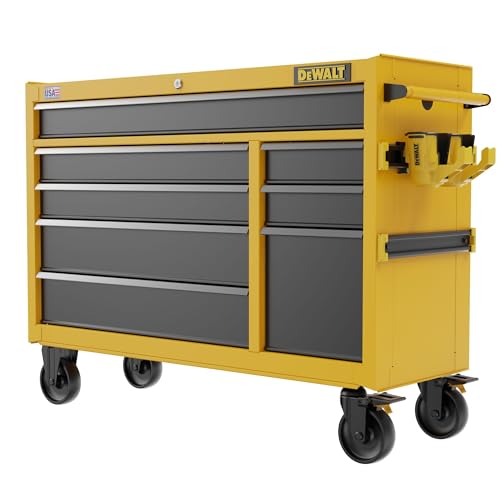
- Use toolboxes or cabinets. This protects them from dust and debris.
- Avoid extreme temperatures. These can warp and damage tools.
Have you ever left a tool out in the rain? You probably regretted it later.
Proper storage is just as important as cleaning. It shields your tools from environmental damage.
Consider this: if your tools are well-maintained, they can last a lifetime. Isn't that worth a bit of effort?
Take these tips to heart. You'll enjoy your power tools for years to come.
Common Mistakes To Avoid
Cleaning power tools regularly extends their life. But, common mistakes can cause damage. Knowing what to avoid helps maintain your tools effectively. Avoiding errors ensures your tools work optimally for years.
Using Harsh Chemicals
Some assume strong cleaners work best. This is not true. Harsh chemicals can erode tool surfaces. They may damage plastic and rubber parts. Use mild soap and water instead. It cleans without harm. Gentle cleaning keeps tools safe and effective.
Ignoring Manufacturer Instructions
Each power tool comes with a manual. Many people ignore it. This is a mistake. The manual contains valuable cleaning tips. It provides specific guidance for your tool. Following these instructions prevents damage. Your tool will last longer. Always read and follow the manual. It’s essential for proper care.
Frequently Asked Questions
How Often Should I Clean Power Tools?
Clean your power tools after every use to maintain performance. Regular cleaning prevents rust and buildup, ensuring longevity. For heavily used tools, consider a thorough cleaning monthly. Always follow the manufacturer's instructions for specific cleaning guidelines.
What Happens If Tools Aren't Cleaned Regularly?
Neglecting regular cleaning can lead to rust, decreased efficiency, and potential tool failure. Dirt and debris can clog essential parts, causing wear and tear. This impacts performance and could shorten the tool's lifespan.
Can I Use Water To Clean Power Tools?
Avoid using water directly on power tools as it can cause rust and electrical issues. Instead, use a dry cloth or compressed air to remove dust and debris. For sticky residues, use a damp cloth sparingly, ensuring the tool is unplugged.
What Is The Best Way To Store Clean Tools?
Store clean power tools in a dry, cool place away from moisture. Use cases or toolboxes to protect them from dust and damage. Proper storage prevents rust and ensures they are ready for the next use.
Conclusion
Regular cleaning keeps your power tools in top shape. Dirt and dust can affect performance. Clean them after each use if possible. For occasional use, clean monthly. Use a brush and cloth for dust. Check for damage while cleaning. This prevents issues later.
Store tools in a dry place. Moisture can cause rust. Good maintenance extends tool life. It saves you money in the long run. Clean tools work better and last longer. Proper care ensures safety. Always unplug tools before cleaning. Follow these tips for best results.
Your tools will thank you.