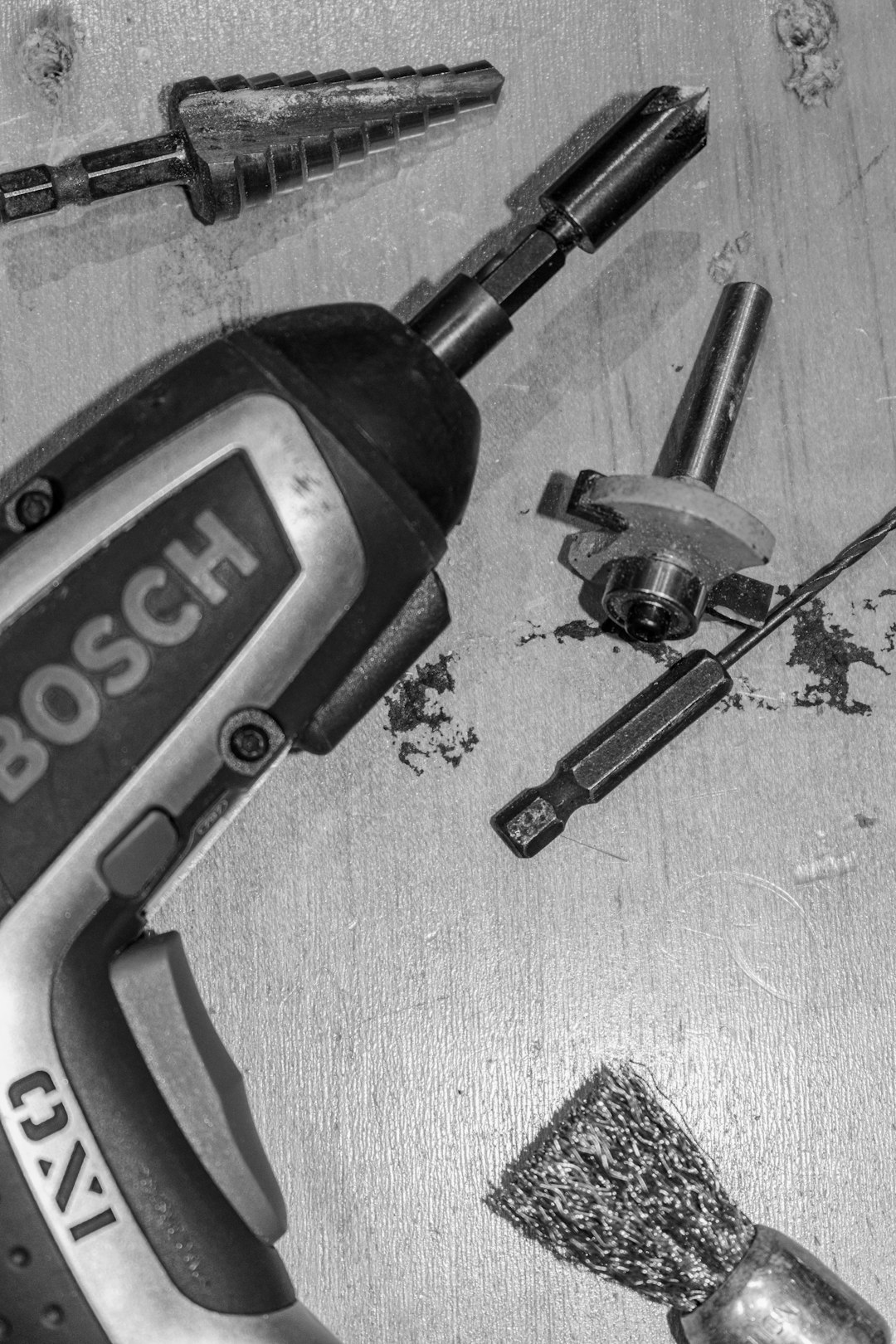
Have you ever wondered how safe your power tools really are? Picture this: you’re in the middle of a project, relying on your trusty drill or saw, when suddenly—an unexpected malfunction threatens your work and safety.
This is where PAT testing comes into play. You might ask, “How often should you PAT test your power tools? ” Well, here’s the thing—you can’t leave safety to chance. Regular testing isn’t just a routine; it’s a crucial step to ensure your tools are in top-notch condition and ready to perform safely whenever you need them.
Stick around as we dive into the essential details, because understanding the right timing for PAT testing could save you from costly repairs, downtime, or even accidents. Your safety, efficiency, and peace of mind depend on it!
Importance Of Pat Testing
Regular PAT testing ensures power tools are safe and efficient. Safety checks should occur yearly or more frequently. Testing reduces risks and maintains compliance with safety regulations.
Ensuring the safety and functionality of your power tools is essential not just for compliance, but for your peace of mind. PAT (Portable Appliance Testing) is a crucial step in maintaining the safety and efficiency of these tools. Regular testing helps prevent electrical hazards, ensuring your tools are in optimal working condition. But why is PAT testing so important? Let's explore the reasons.
Safety Standards Compliance
Meeting safety standards is a non-negotiable aspect of using power tools. PAT testing ensures that your equipment complies with the latest safety regulations. This is not just about avoiding fines or legal issues. It's about maintaining a safe working environment for you and your team. Imagine using a power tool that suddenly malfunctions due to an electrical fault. Regular PAT testing can identify and fix such issues before they become a problem. By adhering to safety standards, you're not only protecting your tools but also the people who use them.
Preventing Accidents
Accidents in the workplace can have severe consequences. Electrical faults in power tools can lead to shocks, fires, or even explosions. Regular PAT testing helps in identifying potential risks, reducing the chance of accidents. Consider a moment when you were using a power tool and noticed a strange smell or unusual noise. These are warning signs that something might be wrong. PAT testing can catch these issues early, preventing potentially dangerous situations. Taking proactive steps to prevent accidents shows you care about safety. It's an investment in your own well-being and that of your colleagues. So, how often should you PAT test your power tools? The answer depends on the tool's usage and the environment. But remember, frequent testing is always better than dealing with the aftermath of an accident. Engage with your tools like they are partners in your projects. Listen to them, maintain them, and ensure they are safe. Your attention to detail could save a life.
Frequency Of Pat Testing
Understanding the frequency of PAT testing for power tools is crucial. It ensures safety and compliance. Regular checks can prevent accidents and equipment failures. But how often should you perform these tests? Let's explore the factors that influence PAT testing frequency. This guide will help you maintain safety standards effectively.
Industry Guidelines
Industry guidelines provide a baseline for PAT testing frequency. Many industries suggest annual testing for power tools. Some environments may require more frequent checks. For example, construction sites often test every three months. Following industry standards ensures compliance and safety. Always consult relevant guidelines for your specific industry.
Risk Assessment Factors
Risk assessment plays a key role in determining PAT testing frequency. Consider the environment where tools are used. High-risk areas may need more frequent testing. Evaluate the condition and age of the tools. Older tools might need checks more often. Identify potential hazards in the workplace. This helps decide the appropriate testing intervals.
Types Of Power Tools
Understanding the different types of power tools is crucial when determining how often to PAT test them. Power tools come in various forms, each with specific uses and safety requirements. Knowing these categories helps you make informed decisions about maintenance and safety checks.
Handheld Tools
Handheld tools are essential for many tasks, offering portability and ease of use. These include drills, grinders, and saws, which are frequently used in construction and DIY projects. Because they are often in direct contact with the user, regular PAT testing is vital to ensure their safety and functionality.
Think about the last time you used a handheld drill. Did you feel any unusual vibrations or hear strange noises? These could be signs of wear and tear, indicating a need for more frequent testing. Keeping a log of usage can help you decide when it's time for a check-up.
Stationary Equipment
Stationary equipment includes larger machines like bench grinders, drill presses, and lathes. These tools are typically fixed in one place, offering stability for larger or more precise tasks. Although they may not move around as much, they still require regular safety checks due to their complex mechanics.
Consider a woodworking shop where a table saw is used daily. The consistent workload can lead to electrical faults or mechanical failures. Regular PAT testing not only ensures safety but also prolongs the life of these valuable machines.
When was the last time you checked your stationary equipment? Ensuring they are in top condition can prevent accidents and save money in the long run. Remember, safety should always be your top priority.
By understanding the types of power tools and their specific needs, you can create a PAT testing schedule that keeps your tools safe and efficient. Are you ready to take charge of your tool maintenance? It could be the difference between a smooth operation and an unexpected breakdown.
Factors Affecting Pat Testing Schedule
Power tools require regular PAT testing to ensure safety. Factors like usage frequency and tool type influence the testing schedule. High-use tools may need testing more often than less frequently used ones.
Factors affecting the PAT testing schedule for power tools are crucial. Different elements can impact how often these tools should undergo testing. Understanding these factors helps in maintaining safety and efficiency.
Usage Intensity
Power tools used frequently need regular testing. Heavy usage increases wear and tear. This can lead to faults and risks. Tools used daily in construction sites require more frequent checks. Less used tools may not need testing as often. Assess how often each tool is used. This helps determine testing intervals.
Environmental Conditions
The surroundings where power tools are used affect testing schedules. Tools in harsh environments need more frequent checks. Dust, moisture, and extreme temperatures can damage tools. Factories with high humidity may require regular testing. Tools in clean, controlled environments might need less testing. Consider where tools are stored and operated. This influences how often they should be tested.
Benefits Of Regular Pat Testing
Regular PAT testing of power tools ensures safety and functionality. Electrical inspections help prevent accidents and identify faults early. A consistent testing schedule, typically annually, maintains equipment reliability and user protection.
Regular PAT testing of power tools offers several benefits. Ensuring your equipment runs safely and efficiently is crucial. Regular checks can prevent unexpected failures and accidents. Let's explore the key advantages of regular PAT testing.
Enhanced Safety
PAT testing boosts safety in workplaces and homes. It identifies faults in power tools early. This reduces the risk of electrical accidents. Faulty tools can cause serious harm or fires. Regular testing ensures tools are safe to use. It protects users and property from potential dangers.
Extended Equipment Lifespan
Routine PAT testing helps extend the lifespan of power tools. Identifying issues early prevents further damage. Minor repairs can keep tools running longer. Regular maintenance ensures optimal performance. This saves money by reducing the need for replacements. Keeping tools in good condition benefits both productivity and budgets.
Choosing A Qualified Tester
Choosing the right tester for your power tools is crucial. Their skill ensures your tools are safe and efficient. Not all testers have the same expertise. It's vital to pick one with the right qualifications. This section guides you on what to look for.
Certification And Training
A qualified tester should have proper certification. Certification shows they understand testing protocols. It ensures they know the latest safety standards. Training is equally important. A well-trained tester can spot hidden issues. They make sure your tools meet all safety requirements.
Experience And Reputation
Experience matters in testing power tools. An experienced tester has seen many problems. They know how to handle unexpected situations. Reputation is also key. A tester with a good reputation is reliable. They have a track record of satisfied clients. Check reviews and ask for references. This helps ensure you choose the best tester.
Frequently Asked Questions
What Is Pat Testing For Power Tools?
PAT testing ensures the safety of electrical power tools. It involves checking for potential faults or hazards. Regular testing helps prevent accidents and maintains tool efficiency. Ensuring compliance with safety standards is crucial.
How Often Should Power Tools Be Pat Tested?
The frequency depends on usage and environment. Typically, high-risk environments require more frequent testing. It's recommended to test every 6 to 12 months. Consult the tool's manual or a professional for guidance.
Are Pat Tests Legally Required For Power Tools?
PAT testing isn't always legally mandated but is highly recommended. It ensures workplace safety and compliance. Regular testing helps identify potential hazards early. Employers have a duty of care to maintain equipment safety.
Can I Pat Test Power Tools Myself?
Yes, with proper training and equipment, you can test tools. However, hiring a professional ensures thorough and accurate results. Professionals are trained to identify subtle issues. This can prevent potential accidents or failures.
Conclusion
Regular PAT testing keeps power tools safe and efficient. Don't skip it. Testing frequency depends on tool usage. Heavily used tools need more frequent checks. Lightly used ones, less so. Always follow manufacturer guidelines for best results. Safety should be your priority.
Regular maintenance extends tool life. It reduces the risk of accidents. Consistent testing can save money in the long run. It helps avoid costly repairs. Keep a schedule to track testing dates. Stay proactive. Ensure a safe working environment. Proper care benefits everyone.
Make PAT testing a routine part of tool management.