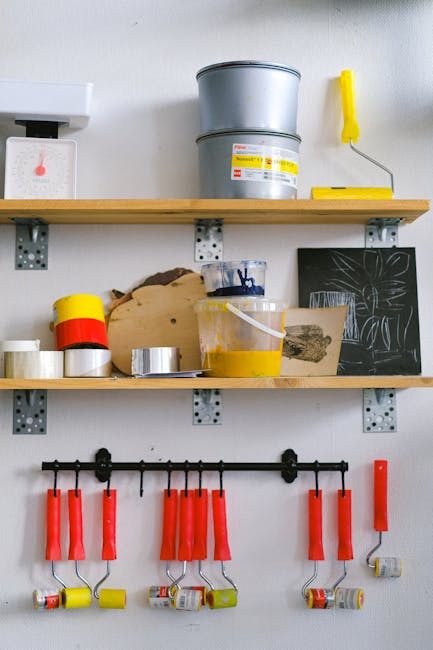
Are you tired of searching for your tools in a cluttered mess every time you start a project? Imagine having a dedicated space where each tool is neatly organized and within arm's reach.
Creating a wall tool organizer can transform your workspace, making it more efficient and enjoyable. This guide will walk you through the simple steps to design and build your very own wall tool organizer. With just a few materials and a bit of time, you'll have a customized solution that not only saves you space but also saves you time.
Dive into this project and discover how a well-organized tool wall can elevate your productivity and spark creativity in every task you tackle.
Choosing The Right Wall Space
Creating an efficient wall tool organizer starts with selecting the perfect wall space. Choose an area easily accessible and large enough for your tools. Ensure the wall can support the weight of the organizer and tools for safety.
Choosing the right wall space for your tool organizer is crucial for maximizing both functionality and aesthetics. The wall you select will not only influence how your tools are stored but also how easily you can access them when needed. Let's dive into the key considerations you should make when selecting the perfect spot for your wall tool organizer.
Assessing Available Space
Start by measuring the walls in your workspace. This helps you understand the dimensions you have to work with. Consider the size and number of tools you plan to hang. Are there any obstacles like windows or doorways that might limit your options? Think about how much vertical space you can utilize. A taller wall could accommodate a larger organizer, giving you more room for additional tools. Don't forget to leave some breathing room around the organizer to prevent clutter and allow easy movement.
Determining Weight Capacity
Not all walls can handle the same load. Identify the type of wall you have—is it drywall, brick, or another material? This will determine the type of anchors or screws you'll need. Check the weight of the tools you plan to hang. Heavy tools like hammers and drills will require more robust support. Consider using a stud finder to locate studs for added stability. Are you prepared to reinforce the wall if necessary?
Considering Accessibility
Accessibility is key for a tool organizer. Think about how frequently you use each tool. Place the most-used tools at eye level or within easy reach. Consider the workflow in your space. Will you be able to grab a tool quickly without rearranging other items? This is especially important in busy work environments where efficiency matters. Reflect on any past frustrations with tool storage. Have you ever spent too long searching for a specific tool? Use those experiences to guide your planning. Choosing the right wall space is a thoughtful process that can significantly enhance your workspace. By carefully assessing available space, determining weight capacity, and considering accessibility, you can create an efficient and organized tool wall that serves your needs. Which wall in your space seems like the perfect candidate?
Materials And Tools Needed
Creating a wall tool organizer requires plywood, hooks, screws, and a drill. Paint or stain adds color. Use a measuring tape and level for precision.
Creating a wall tool organizer is a satisfying project that not only declutters your workspace but also showcases your creativity. To ensure your organizer is functional and sturdy, understanding the materials and tools needed is crucial. This section will guide you through selecting the right materials, listing essential tools, and exploring optional add-ons.
Selecting Suitable Materials
Choosing the right materials is a game-changer for your wall tool organizer. You want something durable yet easy to work with. Plywood is a popular choice due to its strength and versatility. If you prefer something lighter, pegboard panels are a fantastic alternative. Consider the weight of your tools and the wall's strength before making a decision. Think about the finish too. A coat of varnish or paint can protect your organizer and give it a polished look. Do you want to add a splash of color to your workspace or keep it classic? The choice is yours.
Essential Tools List
A well-equipped toolbox is your best friend when building a wall tool organizer. Here's a list of essentials: - Drill: Perfect for making holes in your wall and panels. - Screwdriver: Handy for attaching hooks and brackets. - Measuring Tape: Ensures precise placement of your tools. - Saw: Necessary for cutting your panels to size. - Level: Keeps everything straight and aligned. These tools are fundamental for a smooth build. Have you ever used a tool and realized it made a project ten times easier? That's what these essentials do for you.
Optional Add-ons And Accessories
Once your organizer is up, think about enhancements. Magnetic strips can hold smaller metal tools without clutter. Baskets can store loose items like screws and nails. How about labels to keep everything organized? If you’re tech-savvy, consider integrating smart storage solutions. LED lights can illuminate your workspace, making it easier to find tools. Imagine never having to search for a screwdriver in dim light again. Your wall tool organizer is an extension of your personality and efficiency. What small tweaks could make a big difference for you?
Designing Your Organizer
Creating a wall tool organizer involves careful planning. Designing is crucial to ensure it serves its purpose efficiently. Consider how the tools will be arranged for easy access. The design should maximize space and functionality.
Start with a clear idea of what you need. This helps in drafting a practical design that accommodates all your tools.
Sketching The Layout
Begin by sketching a rough layout. Visualize where each tool will go. Include spaces for different sizes. Use simple shapes to represent each tool. This helps in organizing efficiently.
Think about the tools you use most. Place them in easily accessible spots. This saves time and effort during work.
Measuring And Marking
Accurate measurements are key. Measure the space where the organizer will be placed. Ensure each tool fits its designated spot. Mark these measurements on the wall. This guides you during installation.
Use a level to ensure straight lines. This keeps your organizer neat and aligned.
Customizing For Specific Needs
Every tool collection is unique. Customize your organizer to fit your specific needs. Consider special holders for delicate tools. Add hooks or shelves for varied storage options.
Think about future needs. Design with flexibility to accommodate new tools. This makes your organizer adaptable and useful.
Building The Framework
Crafting a wall tool organizer starts with building a sturdy framework. This involves selecting durable materials and measuring spaces accurately. Securely attach the frame to the wall, ensuring it can hold various tools efficiently.
Building a wall tool organizer is a rewarding project that not only tidies up your workspace but also adds a touch of personal craftsmanship. The first critical step is building the framework. This part of the process sets the foundation for everything else. You'll need precision, patience, and a clear plan. Let's dive into the details of creating a sturdy and functional framework for your tool organizer.
Cutting And Assembling Pieces
Start by gathering your materials. You'll need plywood, screws, a saw, and a measuring tape. Measure the wall space where your organizer will go, and cut the plywood accordingly. Consider the types of tools you plan to hang. This will help determine the width and height of each piece. Cutting can be tricky, especially if you're new to it. Take your time, and ensure all pieces fit together snugly. Once cut, it's time to assemble. Lay out your pieces on a flat surface. Use screws to attach them securely. It's like putting together a puzzle, and each piece must fit just right. You’ll feel a sense of accomplishment as the framework starts to take shape.
Securing The Structure
With the pieces assembled, the next step is securing the structure to the wall. Find the studs in the wall; these will provide the best support for your organizer. Using a stud finder can save you a lot of guesswork. Once located, mark where the screws will go. Use a drill to attach the framework to the wall. This step is crucial for ensuring the organizer can hold the weight of your tools. Have you ever had a shelf fall because it wasn't secured properly? Avoid that pitfall by double-checking your work. A stable structure not only protects your tools but also ensures safety in your workspace.
Ensuring Stability And Safety
Stability is key. Once the framework is up, give it a good shake. Does it feel solid? If it wobbles, you might need additional support. Consider adding extra screws or brackets for reinforcement. Safety is just as important. Are there any sharp edges sticking out? Sand them down to prevent injury. Make sure everything is smooth and secure. Think about the weight distribution of your tools. Heavier items should be placed on the bottom, with lighter tools above. This will help maintain balance and prevent tipping. By taking these steps, you'll create a wall tool organizer that's not only functional but also safe. Have you ever built something that made you feel proud every time you used it? This could be that project for you.
Adding Storage Components
Transform your workspace by creating a wall tool organizer with added storage components. Use pegboards and hooks to neatly arrange your tools. Shelves and bins offer extra space for smaller items, making everything accessible and organized.
Adding storage components to your wall tool organizer can significantly enhance its functionality, making it a powerhouse of organization. Think about all those times you’ve rummaged through a cluttered drawer, hunting for that elusive screwdriver. With the right storage solutions, everything will have its place, saving you time and reducing stress. Let’s dive into some practical steps to maximize your wall tool organizer.
Installing Shelves And Racks
Shelves and racks are ideal for tools that need a bit more support. They can hold heavier items like drills or power tools. When installing, ensure they are securely fastened to the wall to prevent accidents. Arrange your shelves at varying heights to accommodate tools of different sizes. This adds flexibility and ensures you’re using every inch of space efficiently. Consider adjustable shelving for even more customization.
Incorporating Hooks And Holders
Hooks and holders are perfect for tools with handles, such as hammers or pliers. They keep your tools visible and within easy reach. This makes it easier for you to grab what you need quickly. Position hooks at eye level for easy access. You might even color-code them to add a bit of flair and organization. Have you ever considered magnetic holders? They’re perfect for small metal tools like screwdrivers.
Utilizing Bins And Boxes
Bins and boxes help keep smaller items like nails, screws, and bolts organized. They prevent these small parts from getting lost, keeping your workspace tidy. Labeling each bin can further enhance organization. Think about transparent boxes which allow you to see what’s inside without opening them. Stackable bins can save space while keeping everything orderly. How much easier would your projects be if you never had to search for a single screw again? Adding these storage components can transform your wall tool organizer into a true workshop hero. It’s time to rethink how you store your tools. Which component will you add first?
Finishing Touches
Completing your wall tool organizer needs careful attention to detail. These final steps can make it more functional and appealing. Consider how each element enhances the overall look and usability. Let’s dive into the specifics of adding those finishing touches.
Painting And Staining
Painting or staining your organizer protects the wood. It also adds a pop of color. Choose a paint or stain that matches your workspace decor. Use water-based paints for easy cleanup and quick drying. Stains can highlight the natural beauty of the wood grain. Apply two coats for a rich finish. Allow each coat to dry fully before applying the next. This ensures a smooth, even finish.
Labeling Sections
Labeling helps you find tools quickly. Use a label maker for neat, uniform labels. You can also use stencils and paint for a personal touch. Labels can be simple, like "Hammer" or "Screwdrivers". Keep labels clear and easy to read from a distance. This organization saves time and keeps your space tidy.
Enhancing With Decorative Elements
Add decorative elements to make your organizer unique. Consider using hooks or knobs with interesting designs. You can attach small shelves for extra storage. Add some stickers or decals for a fun look. Use magnetic strips for holding metal tools. These elements add charm and personality to your workspace.
Maintenance Tips
Maintaining your wall tool organizer is essential for ensuring its longevity and functionality. You've invested time and effort into creating a system that works for you, so keeping it in top condition will save you from future headaches. Regular upkeep not only keeps your tools accessible but also enhances your workspace efficiency.
Routine Cleaning
Dust and dirt can accumulate quickly on your organizer, especially if it's in a busy area. Wipe down surfaces with a damp cloth regularly to keep them clean. A clean organizer not only looks better but also helps you spot tools quickly.
Consider using a gentle cleaner for stubborn stains. Avoid harsh chemicals that can damage the organizer's material. If you notice residue building up, take a moment to tackle it before it becomes a problem.
Checking For Wear And Tear
Inspect your organizer for signs of wear and tear. Look for loose screws, cracked panels, or bent hooks. Catching these issues early can prevent bigger problems down the line.
Ask yourself, is there a tool that doesn't fit well anymore? Regular checks help ensure your organizer remains safe and functional. Make it a habit to perform these checks monthly.
Updating As Needed
As your tool collection grows or changes, your organizer may need updates. Be flexible and adjust the layout to accommodate new tools. This will keep your space efficient and prevent clutter.
Adding extra hooks or shelves can make a big difference. Reflect on your current setup and think about improvements. Are there tools you reach for more often that should be more accessible?
Keeping your wall tool organizer in peak condition doesn't have to be a chore. With routine cleaning, regular inspections, and timely updates, you'll ensure it serves you well for years. So, what maintenance step will you tackle first?
Frequently Asked Questions
What Materials Are Needed For A Wall Tool Organizer?
To make a wall tool organizer, you'll need plywood, hooks, screws, and paint. Gather tools like a drill, saw, and measuring tape. Choose materials based on your tool collection. Customize with baskets or magnetic strips for versatility. Ensure durability by selecting quality materials for a long-lasting organizer.
How Do I Start Organizing My Tools?
Begin by categorizing tools by type or function. Clear the workspace and decide on a layout. Use pegboards for easy customization. Install hooks for hanging tools. Label sections for quick identification. Regularly assess and rearrange based on usage. Maintain cleanliness for efficient organization.
Can I Customize The Organizer Design?
Yes, customizing the design is encouraged for personalization. Adjust dimensions to fit your space. Incorporate shelves for additional storage. Use colors that match your decor. Add compartments for small items. Experiment with different layouts. Customization enhances functionality and aesthetic appeal.
How Long Does It Take To Make One?
Creating a wall tool organizer typically takes a weekend. Allocate time for planning and gathering materials. Construction time varies with complexity. Basic designs may take a few hours. Allow extra time for painting and drying. Ensure precision in measurements to avoid delays.
Conclusion
Creating a wall tool organizer is a simple project. It helps keep your tools tidy and easy to find. You save time searching for tools when they're organized. Follow the steps carefully for best results. Customize the organizer to fit your tool collection.
Use durable materials for lasting use. Enjoy a clutter-free space and efficient work area. With patience and creativity, anyone can craft a useful tool organizer. A well-organized wall can improve productivity. Make your workspace neat today! Happy organizing!