
Imagine reaching for your favorite hammer, only to find it missing. Or perhaps you pick up a wrench and realize it isn’t yours.
Frustrating, right? Misplaced tools can cause delays and disrupt your projects. But what if there was a simple solution to keep your tools organized and easily identifiable? Marking your tools not only saves you time but also ensures that what's yours stays yours.
In this guide, you'll discover practical and straightforward methods to mark your tools effectively. Whether you're a DIY enthusiast or a professional craftsman, these tips will help you protect your valuable assets and maintain peace of mind. Ready to never lose a tool again? Let’s dive in!
Importance Of Tool Organization
Tool organization plays a crucial role in efficient project management. It saves time and reduces frustration. Searching for misplaced tools can disrupt workflow. Proper organization prevents this issue. It also extends tool lifespan. Organized tools are less likely to get damaged. This saves money on replacements.
Maintaining an organized toolbox boosts productivity. Easily finding tools enhances job efficiency. It also improves safety. Cluttered workspaces pose safety risks. Clear organization minimizes these hazards. An organized system ensures that tools are always ready for use.
Understanding Why Marking Tools Matters
Marking tools is essential for easy identification. It prevents tool mix-ups. This is especially important in shared workspaces. Everyone can identify their own tools quickly. Marked tools are also less likely to be lost. They can be returned if misplaced.
Benefits Of A Labeling System
A labeling system simplifies tool organization. It categorizes tools for easy access. Labels provide clarity on tool function and ownership. This reduces confusion among workers. A labeling system also aids in inventory management. Knowing what you have prevents unnecessary purchases.
Implementing A Color-coding Strategy
Color-coding tools enhances organization. Assign different colors to tool types. This visual strategy speeds up identification. It also adds a layer of protection. Color-coded tools are less likely to be borrowed or stolen. They stand out, making them easily recognizable.
Benefits Of Marking Tools
Organizing tools with clear markings prevents mix-ups. Marking tools helps identify ownership and saves time searching. Use labels, engravings, or color codes to keep everything sorted.
Marking your tools might seem like a small step, but it offers significant advantages that can boost your efficiency and peace of mind. Whether you're a professional tradesperson or a DIY enthusiast, understanding the benefits of marking tools can be a game-changer. Let’s explore why this simple practice should become a staple in your routine.
1. Enhanced Organization
Keeping your workspace tidy can be challenging, especially when tools start piling up. By marking your tools, you create a system that helps you stay organized. Imagine quickly spotting your hammer in a crowded toolbox just because it has a distinct mark. Wouldn't that save you time?
2. Easy Identification
In a busy workshop, tools often get mixed up, especially if you work with others. Marking your tools allows for easy identification, reducing the risk of losing them. Have you ever borrowed a tool and forgotten to return it? A simple mark can remind you who it belongs to, keeping both relationships and tools intact.
3. Theft Prevention
Unfortunately, tool theft is a common issue. A unique mark acts as a deterrent to thieves who know marked tools are harder to sell. Consider adding a discreet yet identifiable symbol on each tool. This small act could save you from the headache of replacing expensive equipment.
4. Professionalism
Marking tools isn't just practical; it also portrays professionalism. When clients or coworkers see your organized setup, it builds trust and respect. They know you care for your tools and, by extension, your work. Does your tool organization reflect your professional standards?
5. Personal Connection
Marking tools can create a personal connection to your equipment. Think about your grandfather’s old wrench with his initials etched on it. Such marks tell a story and create an emotional bond. Could marking your tools foster a similar sense of attachment? Engaging with the practice of marking your tools is not merely about function; it's about adding a layer of efficiency and personal value to your work. Start today and experience these benefits firsthand.
Choosing The Right Marking Method
Choosing the right marking method for your tools can make a world of difference in your workspace. Whether you're a DIY enthusiast or a seasoned professional, organizing your tools effectively is key to maintaining efficiency and preventing loss. But how do you ensure each tool is marked clearly and permanently? Let's dive into some practical methods that can help you keep track of your valuable assets.
Permanent Markers
Permanent markers are a simple yet effective solution for marking tools. They offer a quick and straightforward way to label your equipment. I once used permanent markers to label my screwdrivers, and it was a game-changer. They work best on smooth surfaces and provide immediate visibility. However, if your tools are exposed to harsh conditions, the ink might fade over time. Test the marker on a small area to ensure it adheres well.
Engraving
Engraving provides a durable marking option that withstands wear and tear. It's perfect for metal surfaces, offering a permanent solution that doesn't wash away. I engraved my hammer with my initials, and it has lasted years without any signs of fading. If precision is crucial, consider using an engraving pen. While it requires more effort than other methods, the long-lasting results are worth it.
Color Coding
Color coding is a visual method that helps in categorizing tools by type or owner. Using colored tape or paint can simplify identification. Once, I painted the handles of my wrenches in different colors based on size, making it easy to grab the right one quickly. This method works well in shared spaces where multiple people access the tools. Would color coding make your workflow smoother?
Label Makers
Label makers offer a neat and professional way to mark tools. They create durable labels that stick well to various surfaces. I labeled my toolbox compartments using a label maker, and it transformed my organizing process. While they add a touch of professionalism, ensure the labels are waterproof if your tools are frequently exposed to moisture. Is a label maker the missing link in your tool organization strategy?
Each marking method has its strengths, and choosing the right one depends on your specific needs. Consider factors like durability, visibility, and the environment your tools are exposed to. What marking method will best suit your toolkit?
Step-by-step Tool Marking Process
Marking your tools is a game-changer. It not only helps in keeping track of your items but also in preventing theft or misplacement. Embarking on this step-by-step process ensures your tools are easily identifiable, saving you time and headache. Let’s dive into how you can efficiently mark your tools.
Cleaning Tools
Start by giving your tools a thorough clean. Dirt and grime can make it hard for the mark to stick. A simple wipe-down with a damp cloth does wonders. If your tools are particularly greasy, consider using a mild soap solution.
Why is cleaning so crucial? Marks won't adhere well to dirty surfaces, and your effort might go to waste. A clean tool ensures a smooth, long-lasting mark.
Selecting Marking Spots
Choose the right spot on your tool for marking. Consider areas that are visible yet less prone to wear. Handles or the neck of tools can be ideal spots. Avoid areas that rub against surfaces frequently.
Think about the tools you use most. Wouldn't it be frustrating if your mark vanished due to wear? Strategic spot selection keeps your marks visible and lasting.
Applying Marks
Now, it's time to apply your marks. You can use paint pens, engraving tools, or even simple stickers. Choose a method that suits your needs and tool material. For example, paint pens work well on metal, while stickers might be better for plastic.
Consistency is key. Use a uniform style or color scheme for all tools. This helps in quick identification and adds a personal touch.
Testing Mark Durability
After marking, test the durability of your marks. Use the tool as you normally would and check if the mark stays intact. This ensures you won’t have to reapply frequently.
What happens if your mark fades? Consider trying a different marking method. Testing helps you find the most durable solution for your specific tools.
Have you ever lost a tool because it wasn't marked? This process can save you from such hassles. Start marking your tools today and enjoy the peace of mind it brings!
Maintaining Tool Marks
Keeping tool marks clear is important for easy identification. It helps in organizing your workspace. Regular maintenance ensures marks remain visible. This also aids in extending the lifespan of your tools. Here are some ways to maintain these marks effectively.
Regular Checks
Inspect your tools frequently. Look for signs of fading or damage. Regular checks help you catch problems early. This prevents marks from becoming unreadable. Keep a schedule to remind you. Regular inspections save time in the long run.
Reapplying Faded Marks
Faded marks need reapplication. Use a permanent marker or paint. Choose a color that stands out. Ensure the surface is clean before reapplying. Let the mark dry completely. This ensures the mark lasts longer.
Preventing Wear And Tear
Store tools properly to avoid wear. Keep them in a dry place. Moisture can damage marks. Use protective covers if possible. Avoid dropping or mishandling tools. Gentle handling extends their life.
Organizational Tools And Accessories
Organizational tools and accessories help maintain a neat workspace. They enhance efficiency by keeping tools accessible and secure. Proper organization prevents misplacing items and saves time. With the right tools, you can easily find what you need when you need it.
Toolboxes And Cabinets
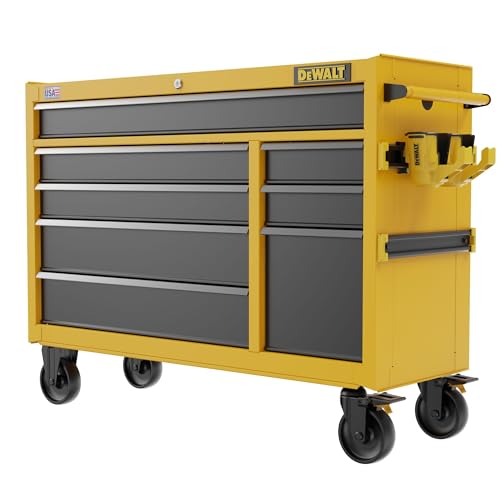
Toolboxes and cabinets offer compact storage solutions. They keep tools organized and protected from dust and damage. Cabinets provide larger storage space for bigger tools. Choose ones with compartments to separate different items. This makes locating specific tools simple and fast.
Pegboards And Shelving
Pegboards and shelving maximize wall space usage. Pegboards allow easy access to frequently used tools. Shelving provides additional space for storing boxes and small equipment. Customize the arrangement to suit your needs. Keep your workspace tidy and clutter-free.
Digital Inventory Systems
Digital inventory systems bring organization to a new level. Use software to track your tools digitally. This system helps monitor tools and prevent losses. Update your inventory regularly to maintain accuracy. Access your tool list anytime, anywhere.
Common Mistakes To Avoid
Avoid using unclear labels that fade quickly when marking tools. Choose durable, clear labels to ensure easy identification. Steer clear of using permanent markers directly on tools, as they can wear off over time.
Marking your tools is an effective way to keep them organized and prevent loss. However, many people make common mistakes that can defeat the purpose. Avoiding these pitfalls ensures your tools are always easy to identify and ready to use when you need them. Let's explore some of these mistakes and how you can steer clear of them.
Using Inappropriate Materials
Choosing the right material for marking is crucial. You might think a permanent marker is enough, but it often fades or rubs off over time. Consider using paint pens or engraving tools instead. They offer durability and longevity, ensuring your markings withstand regular use and exposure to different elements.
Overlooking Small Tools
It's easy to focus only on large tools, but small tools are just as important. Have you ever spent hours searching for a lost screwdriver? Marking small items like screwdrivers, pliers, and wrenches can save you time and frustration. Keep a small, dedicated area in your workshop for marking these smaller items consistently.
Neglecting Regular Updates
Your collection of tools evolves over time. Without regular updates, your markings can become outdated or irrelevant. Imagine finding a tool with a faded label that no longer reflects your current system. Set a reminder to check your tool labels every few months. This simple habit keeps your markings clear and relevant, making your tool management more efficient. Avoiding these common mistakes can make your tool marking efforts more effective. Have you ever encountered any of these issues yourself? Share your experiences in the comments and let’s learn from each other!
Frequently Asked Questions
How Can I Mark My Tools Effectively?
You can use permanent markers, engraving tools, or color-coded tapes to mark your tools. These methods help in easy identification and prevent loss. Choose a method based on the material of the tool and visibility needs.
What Materials Are Best For Tool Marking?
Permanent markers, paint pens, and metal engravers work well for marking tools. They ensure durability and visibility. Consider the tool's material and usage conditions when selecting the marking method.
Why Is Tool Marking Important?
Marking your tools helps in easy identification and reduces the risk of loss. It also prevents theft and confusion, especially in shared workspaces. Properly marked tools save time and enhance efficiency.
Can I Use Labels To Mark My Tools?
Yes, labels are a quick and easy method for marking tools. However, ensure they are durable and resistant to wear. For a more permanent solution, consider engraving or using paint pens.
Conclusion
Marking your tools makes life easier. It prevents loss and confusion. Choose a method that suits your needs. Use paint, etching, or tags. Each has its pros and cons. Clearly marked tools save time. They also reduce stress. You always know what's yours.
Plus, it helps in busy workplaces. Easy identification boosts efficiency. So, take a moment. Mark your tools today. This small effort leads to big benefits. Stay organized and keep your tools safe. It's worth it.