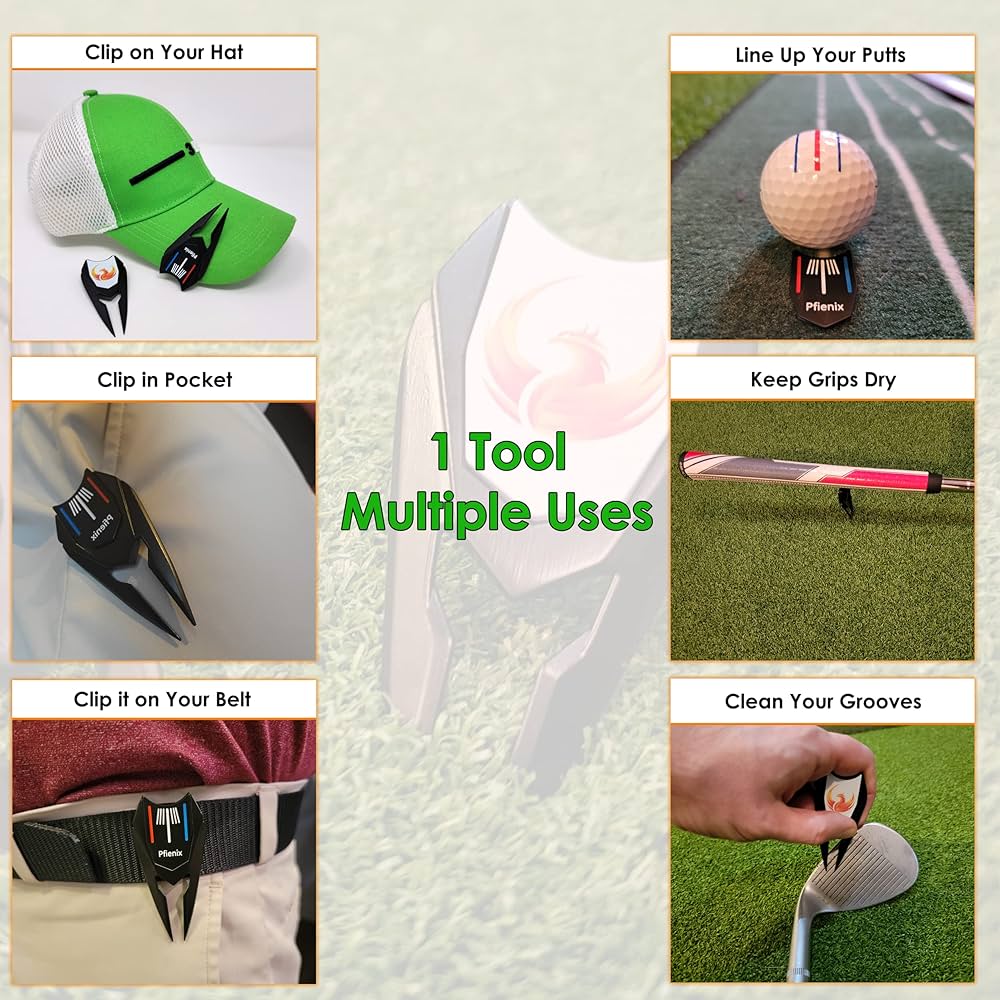
Ever found yourself standing on the lush greens, staring at a tiny dent left behind by your golf ball? It's a small imperfection that can disrupt the perfect roll of a putt.
But don’t worry, there's a simple tool designed to fix this— the divot tool. And right next to it, you often find a ball marker, a little accessory with a big role in ensuring fair play. In this blog post, you'll discover how to use these essential golfing tools with ease and precision.
Whether you're a seasoned golfer or just starting out, mastering the use of a divot tool and ball marker is crucial for maintaining the quality of the course and improving your game. Dive in to learn the steps that will help you play like a pro, showing respect for the game and fellow players.

Credit: www.amazon.com
Choosing The Right Divot Tool
Choosing the right divot tool enhances your golfing experience. It's essential for maintaining the course. A good divot tool helps repair the green effectively. But not all divot tools are created equal. Consider materials, design, size, and comfort. These factors ensure you choose the best tool for you.
Materials And Design
Divot tools come in various materials. Common materials include metal, plastic, and wood. Metal tools are durable and long-lasting. Plastic tools are lightweight and easy to carry. Wooden tools offer a classic look and feel. Design also matters. Some tools have simple prongs. Others come with additional features like a bottle opener. Choose a design that suits your needs.
Size And Comfort
Size affects how easy a tool is to use. A compact tool fits well in your pocket. Larger tools might be harder to carry. Comfort is key when using a divot tool. A comfortable grip makes repair tasks easier. Try holding the tool before purchasing. Ensure it feels good in your hand. This helps in making effective repairs on the green.
Proper Technique For Repairing Divots
Repairing divots requires a divot tool and ball marker. Insert the tool around the divot's edge. Gently push the grass towards the center. Avoid lifting the turf upward. Place the ball marker to mark your ball's position. This keeps the course healthy and smooth.
Repairing divots on the golf course is a small but crucial task that every golfer should master. Properly fixing divots not only showcases respect for the game and other players but also contributes to the course's overall maintenance. With the right technique and tools, you can easily make your mark on the green—literally! Let’s dive into the proper method for repairing divots using a divot tool and ball marker.
Step-by-step Guide
First, always keep a divot tool handy. It's your best friend on the course. Insert the prongs of the divot tool into the turf at the edge of the divot. Gently push the edges of the divot toward the center. Imagine you're closing a zipper, pulling the grass back together without uprooting it. Once the grass is back in place, tap it down with your putter. This ensures the surface is even and ready for the next player. A well-repaired divot is almost invisible, preserving the course's pristine condition.
Common Mistakes To Avoid
One common mistake is prying up the turf instead of pushing it in. This damages the roots, making recovery difficult. Never lift the center of the divot; it should remain level with the surrounding grass. Another error is leaving the divot repair incomplete. Always double-check that the area is smooth and even. Think about the players who will follow you. They deserve a clean surface too. Using the wrong tool can also be an issue. A tee might seem like a quick fix, but it lacks the precision of a divot tool. Keep a reliable tool in your pocket, ready for action. Have you ever noticed how a small action can make a big difference? Taking the time to repair divots properly is one of those actions. It enhances the game for everyone and keeps the course in top shape. Remember, the next time you're on the green, your attention to detail can make all the difference.
Selecting A Ball Marker
Selecting a ball marker adds a personal touch to your golf game. It reflects your style and helps you keep track of your ball on the green. With many options available, choosing the right one can seem overwhelming. But fear not. Let's explore what ball markers are and how you can make the best choice for your game.
Types Of Ball Markers
Ball markers come in various shapes and sizes. Some are small and round, while others have unique designs. Traditional markers are simple, often a metal disc. These are easy to use and fit into your pocket. Some golfers prefer magnetic markers. These attach easily to a hat or glove, staying in place. There are also clip-on markers. They attach to the brim of your cap for easy access. Each type has its pros and cons. Consider your needs and preferences when choosing.
Personalized Options
Personalized ball markers offer a special touch. You can have your initials or a favorite design engraved. Some companies allow you to upload images. This makes your marker truly one-of-a-kind. Personalized markers make great gifts, too. They show thoughtfulness and are practical on the course. With many options, you can find a marker that suits your personality. Whether it's a simple engraving or a detailed design, the choice is yours.

Credit: martingolfusa.com
Marking Your Ball Effectively
Mastering ball marking involves knowing how to use a divot tool and ball marker. Place the ball marker behind your golf ball and lift gently. Use the divot tool to repair turf damage, ensuring a smooth surface for the next player.
Proper technique keeps the course well-maintained and your game respectful.
Marking your ball effectively on the golf course is a skill that combines precision with etiquette. Whether you're a seasoned golfer or just starting, understanding how to mark your ball can significantly impact your game. Not only does it help in maintaining the integrity of your play, but it also respects the experience of fellow players. Let's dive into the essentials of marking your ball with finesse.
Rules And Etiquette
Before you place your ball marker, it's crucial to know the basic rules and etiquette. Always announce your intention to mark your ball to others in your group. This small gesture ensures transparency and avoids confusion. Remember, your marker should never interfere with another player's line of putt. If it does, politely ask if you can move it to the side. This respects others' play and keeps the game flowing smoothly.
Positioning The Marker
Positioning the marker is about precision and consistency. Place your marker directly behind your ball before you lift it. This ensures you can return your ball to the exact spot. Using a distinctive ball marker can help you quickly identify your position, especially on a crowded green. Choose something unique that stands out but isn't distracting to others. Have you ever found yourself unsure of where exactly to place your marker? Practice at home by lining up a few balls and placing markers behind them. This simple drill can boost your confidence on the course. Do you have a personal routine or unique tip when marking your ball? Sharing strategies with fellow golfers not only enhances your game but fosters community spirit. Each time you mark your ball effectively, you contribute to a seamless and enjoyable golfing experience.
Maintaining Your Tools
Proper tool care enhances golfing experience. Fix pitch marks with a divot tool, ensuring smooth greens. Place ball markers accurately to maintain game flow.
Maintaining your divot tool and ball marker is crucial for a good game. Proper care ensures they last long and perform well. Neglect can lead to rust and wear, affecting your game. This section guides you on keeping them in top shape.
Cleaning And Care Tips
Regular cleaning prevents dirt buildup. Wipe your tools after each round. Use a damp cloth to clean them thoroughly. Dry them well to avoid rust. For stubborn dirt, use mild soap and water. Avoid harsh chemicals; they may damage the tools. Inspect for any signs of wear or damage regularly. Replace if necessary to maintain performance.
Storage Solutions
Store your divot tool and ball marker in a dry place. Moisture can cause rust over time. Use a small pouch or case to keep them safe. Avoid leaving them in pockets for long periods. This can lead to damage or loss. Consider a designated spot in your golf bag for storage. This ensures easy access and protection. Keep them separate from other items to prevent scratches. Proper storage extends their life and maintains their quality.
Expert Tips And Tricks
Learn how to effectively use a divot tool for repairing greens and a ball marker for precise putts. Proper technique ensures a smooth playing surface and helps maintain course quality. Enhance your golfing experience by mastering these essential tools with ease.
Expert Tips and Tricks Mastering the use of a divot tool and ball marker can elevate your golf game. These small tools make a big difference in maintaining the course and ensuring your putts are accurate. Let’s dive into some expert tips and tricks to help you maximize their potential.
Professional Insights
Golfers often overlook the art of using a divot tool. It’s not just about fixing the turf; it’s about doing it right. Push the edges of the divot towards the center rather than lifting the grass. This technique helps the grass heal faster. A seasoned golfer once shared how he always carried a spare ball marker. He said it was a game-changer for those windy days when his marker flew off. Having a backup saved him time and hassle on the green. Consider the material of your tools. Metal tools are durable, but plastic ones are lighter and sometimes more convenient. Your choice can affect your comfort and efficiency on the course.
Enhancing Your Game
Using these tools correctly can improve your reputation among fellow golfers. When you consistently repair divots properly, you contribute to a better playing surface for everyone. This practice shows respect for the game and fellow players. Think about how you choose your ball marker. Is it distinctive enough to spot easily on the green? Opt for bright colors or unique designs to avoid confusion with other players’ markers. A simple trick to remember: always mark your ball before picking it up. Forgetting this could lead to penalties, which no golfer wants. Little habits like this can save you strokes and make your game more enjoyable. Have you ever considered the impact of your tools on your overall performance? Taking care of these small tasks can keep your mind clear and focused on the game. By perfecting your use of a divot tool and ball marker, you’re setting yourself up for success.
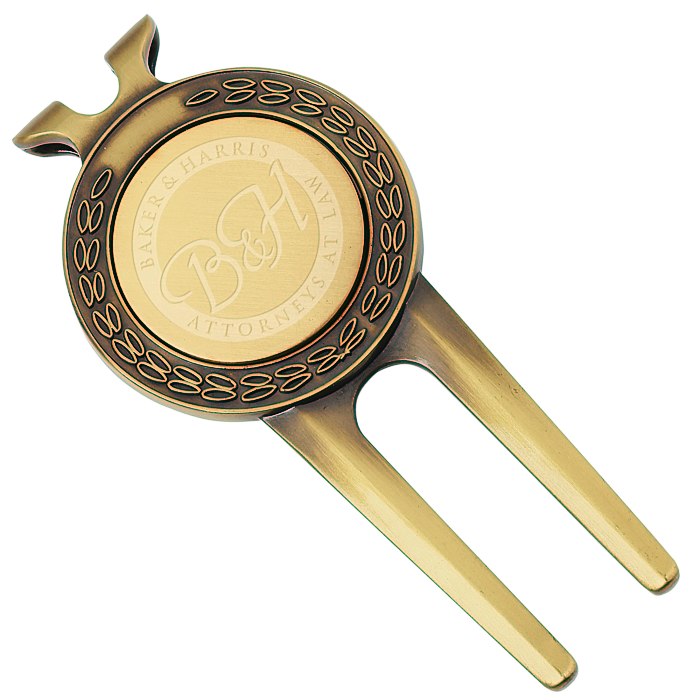
Credit: www.4imprint.com
Frequently Asked Questions
How To Use A Divot Tool For Putting Alignment?
Place the divot tool behind the ball on the green. Align it with your target line. Use it as a guide to position your putter squarely. Practice consistently to improve accuracy.
How To Fix Ball Marks And Divots?
To fix ball marks, use a repair tool to gently lift and push the grass back. For divots, replace the grass piece and press down firmly. Water the area to encourage growth.
How Do You Use A Ball Marker?
Place the ball marker directly behind your golf ball on the green. Lift the ball carefully. Align your putt. Replace the ball in front of the marker. Remove the marker before putting.
What Is A Golf Ball Marker Divot Tool?
A golf ball marker divot tool is a small device used to repair turf damage and mark golf ball positions. It typically features a fork-like design to fix divots and a flat surface to mark the ball's spot on the green, ensuring smooth gameplay and maintaining course quality.
Conclusion
Understanding how to use a divot tool and ball marker helps your golf game. It ensures the green stays smooth. Your fellow golfers will appreciate it. Fixing divots shows respect for the course. Using a ball marker keeps play fair.
Simple tools, big impact. Practice these skills regularly. Soon, they become second nature. Remember, every golfer starts as a beginner. Keep learning, keep playing. Enjoy the game and the company. Happy golfing!