Have you ever found yourself on the golf course, ready to sink that perfect putt, only to be frustrated by the uneven surface caused by ball marks? You're not alone.
These small indentations can disrupt your game and affect your score. But what if there was a simple tool that could easily restore the greens to their pristine condition, ensuring a smoother game for you and your fellow golfers? Enter the ball marker repair tool—a handy device that not only fixes these pesky marks but also elevates your golfing experience.
Imagine the satisfaction of knowing you can contribute to maintaining the course while improving your play. You'll discover the step-by-step process of using a ball marker repair tool effectively. You'll learn tips and tricks that even seasoned golfers swear by, making you a more conscientious and skilled player. Ready to transform your golfing experience and impress your peers? Let's dive in and unlock the secret to a flawless green!
Credit: pitchfix.com
Choosing The Right Ball Marker Repair Tool
Select a ball marker repair tool that feels comfortable in your hand. Gently insert it into the turf around the ball mark. Push the grass towards the center to fix the mark. Finish by smoothing the surface with your putter.
This helps keep the golf course looking good.
Choosing the right ball marker repair tool is crucial for maintaining the pristine condition of the golf course you play on. This tool not only helps in fixing the marks left by golf balls but also ensures that the greens remain smooth and playable. But with so many options available, how do you pick the right one? Let's explore some important aspects to consider.
Understanding Different Types Of Ball Marker Repair Tools
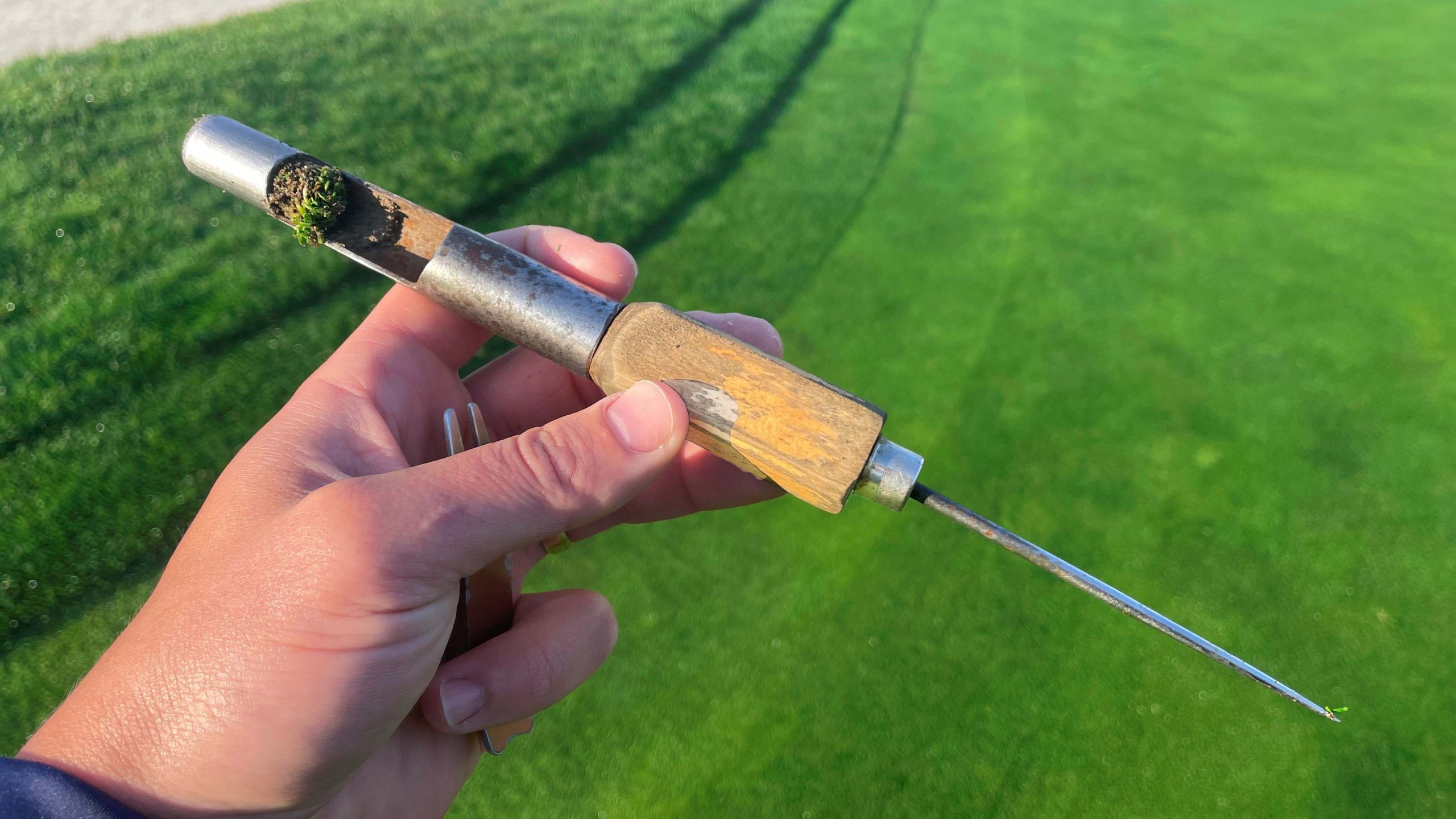
Ball marker repair tools come in various shapes and sizes. Some are designed to look like small forks, while others resemble pocket knives. Each design has its unique advantages. A forked tool might be more effective in lifting the grass, while a knife-like tool could offer better precision. Think about what fits comfortably in your hand and feels natural to use.
Material Matters
The material of your repair tool can affect its durability and performance. Stainless steel tools are sturdy and resistant to rust, making them a long-lasting option. Plastic tools, on the other hand, are lightweight and often more affordable. Consider how often you play and what conditions you usually encounter. A golfer who plays frequently might benefit more from a durable metal tool.
Size And Portability
A bulky tool can become a burden, especially if you like to travel light. Look for a repair tool that's compact and easy to carry. You want something that slips easily into your pocket without adding unnecessary weight. A good size comparison would be to think about the size of a typical pen or pocket knife.
Additional Features
Some repair tools come with additional features, such as built-in ball markers or clips for attaching to your golf bag. These extras can enhance convenience and functionality. Consider if these features align with your needs. A built-in ball marker might save you time searching for your marker on the green.
User Reviews And Recommendations
Before making a purchase, check out user reviews and recommendations. Other golfers' experiences can provide valuable insights into the tool's performance and reliability. Look for patterns in feedback. If many users praise a tool for its ease of use, it might be worth considering.
Price Vs. Value
Budget is always a consideration, but it's important to weigh the price against the value offered. A slightly more expensive tool that lasts longer and performs better can be a smarter investment than a cheaper one that needs frequent replacement. Reflect on your priorities and how much you're willing to spend for quality and convenience. When was the last time you checked your ball marker repair tool? Is it time for an upgrade? Choosing the right tool can enhance your golfing experience and keep the greens in top condition.
Understanding The Importance Of Repairing Ball Marks
Repairing ball marks keeps the golf course smooth and fair for everyone. A ball marker repair tool lifts the grass gently. This tool helps restore the surface, ensuring a better game experience. Proper usage prevents damage and maintains course quality, fostering enjoyable play for all golfers.
Repairing ball marks is crucial in golf etiquette. It helps maintain the course. Many golfers do not realize its importance. Neglecting ball marks can damage greens. This can affect the game's quality for everyone.
Why Repairing Ball Marks Matters
Ball marks are dents on the green. They occur when a golf ball lands. If not fixed, they can affect the ball's roll. A smooth green ensures fair play. Repairing them shows respect for the course.
Impact On The Golf Course
Unrepaired ball marks can damage the grass. They can cause long-term issues. Damaged greens need costly repairs. Keeping the course in good shape helps everyone enjoy the game.
Role Of Every Golfer
Every golfer should repair their ball marks. It is an easy task. It takes only a few seconds. This small act has a big impact. It keeps the course playable and fair for all.
Long-term Benefits Of Repairing Ball Marks
Regular repair keeps the greens healthy. It prevents unnecessary maintenance costs. A well-maintained course attracts more players. It ensures enjoyable games for years to come. Everyone benefits from a well-kept course. `
Step-by-step Guide To Repairing Ball Marks
Repairing ball marks on the golf course is essential for a smooth game. A ball marker repair tool can help keep greens in top condition. Following a simple guide ensures efficient and effective repairs. Let's dive into the step-by-step process to fix ball marks properly.
Assessing The Damage
Before starting, look closely at the ball mark. Check the depth and size of the depression. Knowing the extent of the damage helps in choosing the right technique. A quick assessment saves time and ensures the best repair.
Proper Technique For Repair
Insert the ball marker repair tool at the edge of the mark. Push gently towards the center. Avoid lifting the turf upwards. This prevents damage to the roots. Work around the mark until the surface is even. Keep the motion smooth and steady. Rushing can cause more harm than good.
Finishing Touches
Once the mark is level, use a putter to tap the area. This action helps settle the turf. Ensure the surface is flat and even. Check for any remaining uneven spots. A well-repaired mark blends seamlessly with the green. This final step ensures a polished finish.

Credit: www.usga.org
Common Mistakes To Avoid
Avoid pressing down too hard on the ball marker repair tool to prevent turf damage. Ensure the tool is inserted at the right angle for effective repair. Gently lift the divot from the sides instead of digging directly beneath it to maintain the green's integrity.
When it comes to using a ball marker repair tool, you might think it's pretty straightforward. However, there are common mistakes that can lead to more harm than good on the green. Avoiding these pitfalls ensures you maintain the integrity of the course and keep your fellow golfers happy. Here, we explore some frequent errors and how you can steer clear of them.
Not Cleaning The Tool Regularly
Your ball marker repair tool needs to be clean to function effectively. Residue from previous repairs can build up, making the tool less efficient. Take a moment to wipe it down after each use. This simple habit can extend the life of your tool and improve its performance.
Using Excessive Force
It can be tempting to push down hard, thinking it will fix the mark faster. However, excessive force can damage the green further. Apply gentle pressure and let the tool do its work. You'll find that patience pays off with a cleaner repair.
Ignoring The Proper Technique
Many golfers overlook the proper technique for using a repair tool. You might think any method will do, but incorrect usage can worsen the mark. Insert the tool at the edges of the pitch mark, then gently push the surrounding turf back towards the center.
Failing To Practice
Practice makes perfect, and this is no different with your repair technique. Take a few minutes on the practice green to refine your skills. You'll feel more confident on the course and contribute to a smoother playing surface for everyone.
Skipping The Final Touch
After repairing, some forget to gently tap down the area with their putter. This final step ensures the green is even and smooth. It's a small action but makes a big difference in the ball's roll.
Overlooking The Impact On Fellow Golfers
Have you ever thought about how your actions affect others on the course? Ensuring a properly repaired green shows respect and consideration for fellow players. Remember, a well-maintained course enhances everyone's experience. Avoiding these common mistakes can significantly improve your golf game and course etiquette. What steps will you take to ensure you're doing your part on the green?
Maintaining Your Ball Marker Repair Tool
Maintaining your ball marker repair tool is essential for its longevity. Proper care ensures it functions well during your golf rounds. A well-maintained tool can help you repair pitch marks efficiently. Regular maintenance prevents rust and keeps the tool sharp.
Cleaning Your Tool
Wash your tool with warm soapy water after each use. This removes dirt and grass stains effectively. Dry it thoroughly using a soft cloth to prevent moisture build-up.
Preventing Rust
Store your tool in a dry place to avoid rust. Moisture can cause corrosion over time. Consider using a small pouch for storage.
Sharpening The Edges
Check the edges of your tool regularly. Use a sharpening stone if they become dull. Sharp edges make repairing pitch marks easier and quicker.
Inspecting For Damage
Examine your tool for any signs of damage. Look for bent or broken parts. Replace the tool if it shows significant wear.
Proper Storage
Keep your tool in a designated golf accessory bag. This prevents accidental damage during transportation. A separate compartment ensures safety and accessibility.
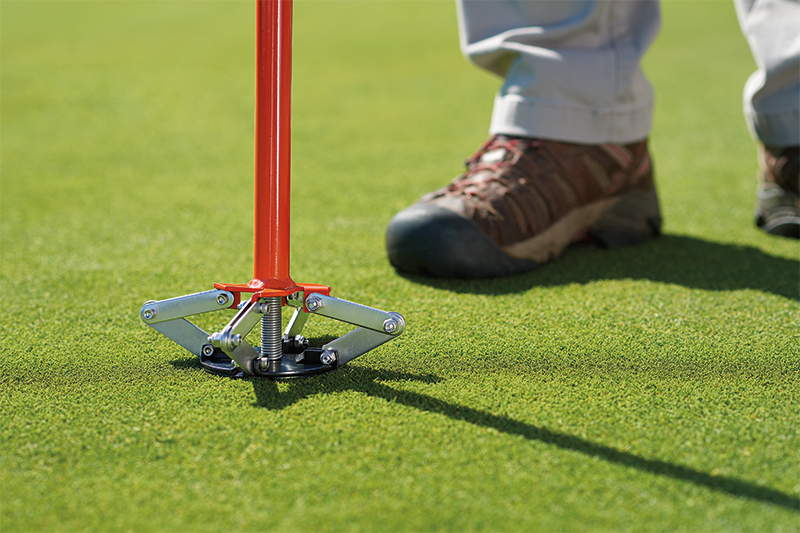
Credit: www.paraide.com
Expert Tips For Perfect Repairs
Discover the ease of repairing greens with a ball marker repair tool. Gently insert the tool around the damaged area. Lift the turf and tap down with a putter for a smooth surface.
Repairing ball marks on the green is an essential skill for any golfer. Not only does it keep the course in top shape, but it also enhances your playing experience. So, how can you ensure your repairs are perfect every time? Here are some expert tips to guide you through the process.
Frequency Of Repairs
Regularly repairing ball marks is crucial. It not only helps maintain the green but also speeds up recovery. Make it a habit to repair at least one or two marks on each hole, whether they're yours or not. Consistent repairs can significantly improve the condition of the course. Imagine playing on a smooth, pristine green thanks to your diligence. Doesn’t that sound rewarding?
Choosing The Right Spot
When you step onto the green, the first challenge is finding the exact spot to repair. A well-repaired mark is one that's identified promptly. Look for a slight depression or a discolored area on the turf. Once located, use your ball marker repair tool to gently lift and twist the grass back into place. Avoid pulling up the roots; instead, push the edges towards the center. This technique ensures the grass heals quickly and remains healthy.
Enhancing Turf Health
Your repair efforts can contribute to the overall health of the turf. When you repair a ball mark correctly, you allow air and water to reach the roots. This promotes growth and prevents unsightly brown patches. As you improve your repair skills, you'll notice the greens become more vibrant. The grass will look lush and inviting, enhancing your game and the experience of others. Have you ever considered how your small actions impact the course's beauty? Next time you play, take a moment to appreciate the role you play in maintaining the course. Your efforts don't just affect your game; they contribute to the enjoyment of every golfer who steps onto the green.
Frequently Asked Questions
What Is The Proper Way To Repair A Ball Mark?
Use a repair tool to gently push the edges of the ball mark toward the center. Avoid lifting the turf. Pat the repaired area with a putter to smooth it. This ensures the green heals quickly and maintains its quality.
How To Use A Ball Alignment Tool?
Position the ball alignment tool on the golf ball. Align the tool's marking with the desired putting line. Carefully draw a line using a marker along the tool's guide. Use this line to aim your putt accurately. Regular practice enhances precision and consistency on the greens.
What Is The Augusta Method Of Repairing Ball Marks?
The Augusta method involves gently lifting the turf around the ball mark with a repair tool. Push the surrounding grass towards the center of the mark. Avoid lifting the center of the mark directly. This technique helps the grass heal faster and maintains the course's appearance.
What Ball Markers Are Illegal In Golf?
Ball markers that are deemed distracting or overly large are illegal in golf. They must not exceed two inches in diameter. Markers with reflective surfaces or intricate designs can be considered distracting. Ensure markers are simple, non-reflective, and adhere to size regulations for legal use in tournaments.
Conclusion
Mastering the ball marker repair tool is simple. Follow the steps outlined. Protecting the green helps all golfers enjoy their game. Always repair your ball marks promptly. This keeps the course in great condition. Practice makes the process faster and more effective.
Share your knowledge with fellow golfers. Encourage everyone to maintain the course. A well-maintained green enhances the golfing experience. Respect for the course shows respect for fellow players. Happy golfing with a perfectly kept green!