Unlocking the full potential of your garden doesn't have to be a daunting task. Imagine stepping into your garden and feeling a sense of accomplishment as you see your plants thriving.
It's not just about having a green thumb; it's about having the right tools in your hands. With the proper garden hand tools, you can transform your outdoor space into a lush paradise. Whether you're a seasoned gardener or just starting out, understanding how to effectively use these tools can make all the difference.
This guide is here to help you navigate the world of garden hand tools, ensuring you make the most out of each one. From pruning shears to trowels, you'll learn how to handle them like a pro. Get ready to dig in and see your garden flourish like never before. Read on to discover the secrets of using garden hand tools that will elevate your gardening skills and make your garden the envy of the neighborhood.
Essential Garden Hand Tools
Gardening is a relaxing hobby. Proper tools make it even better. Hand tools are vital for any gardener. They help with planting, weeding, and pruning. Knowing the right tools is key. Let’s explore some essential garden hand tools.
Trowel Basics
A trowel is like a small shovel. It is perfect for digging small holes. Use it to plant seeds or bulbs. It is also handy for transplanting small plants. Choose a trowel with a comfortable handle. A sturdy blade is important too. This ensures it lasts long and works well.
Pruning Shears
Pruning shears are like scissors for plants. They help keep plants healthy. Use them to trim dead or overgrown branches. This encourages new growth. Look for sharp blades. A good grip is also important. Regular cleaning keeps them in good condition.
Hand Fork Usage
A hand fork is small and has three or four prongs. It is useful for loosening soil. This helps roots grow better. It is also great for removing weeds. Choose one with strong prongs. This makes it easier to use and long-lasting.
Hoe Selection
A hoe is used for shaping soil. It is helpful in creating rows for planting. It also removes weeds between plants. There are different types of hoes. Choose one based on your garden needs. A sturdy handle and blade are essential. This ensures ease of use and durability.
Choosing The Right Tool
Choosing the right garden hand tool is essential for effective gardening. The wrong tool can lead to frustration and poor results. Consider several factors to find the best tool for your needs. Below are key aspects to help make your decision easier.
Material Considerations
Garden tools come in various materials. Steel tools are strong and durable. Aluminum tools are lightweight and resist rust. Plastic tools are economical but less sturdy. The material impacts the tool's longevity and ease of use.
Size And Comfort
Size matters in hand tools. Larger tools provide more leverage. Smaller tools are easier to handle and store. Comfort is crucial for long gardening sessions. Choose tools with ergonomic grips to reduce hand strain.
Brand And Quality
Brand reputation influences quality. Established brands often offer reliable tools. Reviews can provide insights into tool performance. High-quality tools last longer and perform better. Investing in a trusted brand ensures satisfaction.
Proper Tool Handling
Learn the basics of using garden hand tools effectively. Hold tools firmly to maintain balance and control. Regular cleaning and maintenance ensure longevity and performance.
When tending to your garden, proper tool handling is crucial. Misusing hand tools can lead to frustration and even injury. By understanding how to hold and use these tools correctly, you’ll make your gardening tasks efficient and enjoyable. Imagine spending an afternoon in your garden without the strain or fatigue that usually follows. Sounds appealing, right? Let’s dive into how you can achieve this with some practical insights on handling garden hand tools.
Ergonomic Techniques
Ergonomics isn’t just a buzzword; it’s about fitting the task to your body. Choose tools with comfortable grips that fit your hand size. This reduces the effort required and minimizes the risk of blisters. Consider the angle at which you hold the tool. A slight adjustment can prevent awkward positions and enhance control. If you’ve ever felt like your shovel has a mind of its own, a better grip could be the answer. A garden stool or knee pads can also reduce strain while planting or weeding. Sitting comfortably allows you to focus on the task rather than on discomfort.
Preventing Strain
Gardening should be a pleasure, not a pain. To avoid strain, keep your wrists straight when gripping tools. This simple habit protects against repetitive stress injuries. Alternate between different tasks to give your muscles a break. If you’ve spent an hour digging, switch to pruning. This prevents overuse of one muscle group. Stretching before and after gardening sessions can be a game-changer. It’s like giving your body a warm-up and cooldown. When was the last time you stretched before gardening?
Safety Measures
Safety in the garden starts with awareness. Always wear gloves to protect your hands from sharp edges and thorns. It’s a small step that can save you a trip to the doctor. Keep your tools clean and in good condition. A rusty blade or loose handle can be hazardous. Regular maintenance ensures reliability and safety. Lastly, store your tools properly. A cluttered shed can lead to accidents. Hanging tools or placing them in designated spots keeps them accessible and safe. Are you using your garden tools to their full potential? With these tips, you can transform your gardening experience from cumbersome to enjoyable.
Maintenance Of Garden Tools
Maintaining garden tools ensures they last longer and work efficiently. Proper care makes gardening easier and more enjoyable. With a few simple steps, you can keep your tools in top shape. Regular maintenance saves money and keeps your garden looking its best.
Cleaning Practices
After each use, clean your tools with water. Remove dirt and debris. Use a stiff brush for stubborn spots. Dry them thoroughly to prevent rust. Store them in a dry place. Clean tools are safer and more effective in the garden.
Sharpening Tips
Sharp tools make gardening easier. Use a file or sharpening stone. Follow the original bevel of the blade. Move the file in one direction. Check the sharpness frequently. A sharp blade reduces effort and improves cut quality.
Rust Prevention
Rust weakens tools and shortens their lifespan. Apply a thin layer of oil after cleaning. Use machine oil or vegetable oil. Store tools in a dry location. Consider using a silica gel pack in the toolbox. Preventing rust extends the life of your tools.
Efficient Gardening Techniques
Discover how garden hand tools can boost your gardening efficiency. Pruning shears, trowels, and hoes simplify tasks. They make planting, weeding, and trimming quick and easy. Maximize your garden's potential with the right tools. Embrace these handy helpers for a flourishing garden.
Gardening can be a therapeutic hobby, but it becomes even more enjoyable when you use efficient techniques. Learning how to use garden hand tools effectively can make all the difference. Whether you're tackling pesky weeds, planting new seedlings, or preparing the soil, each task has its own set of strategies. Let's dive into these efficient gardening techniques and see how you can achieve a flourishing garden with ease.
Weeding Strategies
Weeds can be the bane of any gardener's existence. However, with the right tools, they become less daunting. A hand trowel is your best friend for tackling weeds with shallow roots. For deeper-rooted weeds, a weeding knife can help. When I first started gardening, I was overwhelmed by the weeds. But I found that spending just 10 minutes each day made a massive difference. Have you ever tried using a hoe for larger areas? It saves time and effort. Make sure you’re removing the entire root to prevent regrowth.
Planting Methods
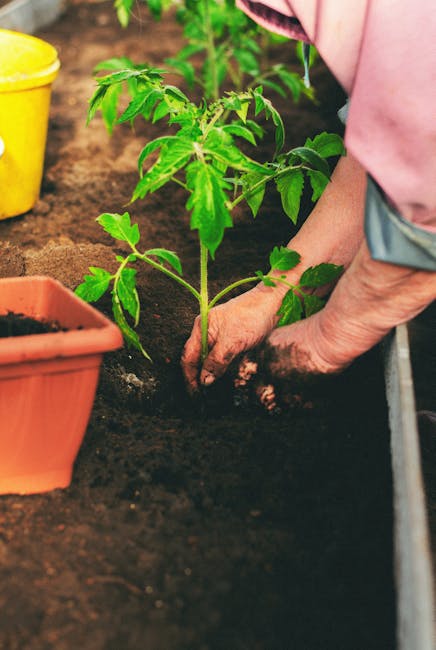
How you plant matters. A hand trowel helps create the perfect holes for your plants. Depth and spacing are key. Did you know that a dibber can be used for planting seeds and small bulbs? It ensures uniformity and saves time. I once planted my seedlings too close, thinking I'd save space. Instead, they competed for nutrients. Learn from my mistake—always follow the packet instructions for space.
Soil Preparation
Healthy soil is the foundation of a thriving garden. A hand fork can help break up compacted soil, allowing roots to breathe. Have you considered using a garden rake to level the soil? It helps distribute nutrients evenly. Adding compost enhances soil quality, but mixing it well is crucial. I remember the first time I prepared my garden bed. I didn’t mix the compost thoroughly, and my plants showed uneven growth. Efficient soil preparation ensures your plants get the best start possible. Gardening is a journey of learning and experimenting. As you grow more experienced, you’ll discover techniques that work best for you. Remember, your garden is unique, just like your approach. Happy gardening!
Seasonal Tool Usage
Spring invites gardeners to pick up hand tools for soil preparation. Pruning shears help trim overgrown branches, enhancing plant health. Summer demands shovels for planting and weeding, ensuring vibrant growth.
Seasonal tool usage is crucial for keeping your garden tools in top shape and maximizing their efficiency. Different seasons require different tasks, and having the right tools can make all the difference. By understanding which tools to use and how to care for them throughout the year, you can ensure your garden thrives no matter the weather.
Spring And Summer Tasks
In spring, your garden bursts back to life, and your tools should be ready to support this growth. Start by sharpening your pruning shears and trowels. Sharp tools make clean cuts and help prevent plant damage. Focus on weeding early. Weeds compete with your plants for nutrients and water. A sturdy hand fork or hoe can make this task easier. During the hot summer months, watering becomes crucial. Use a watering can with a rose attachment for delicate plants. This will ensure you don’t damage blooms while hydrating them.
Fall And Winter Care
As fall approaches, think about preparing your tools for less frequent use. Clean them thoroughly to remove dirt and sap. A simple mixture of soap and water works wonders. For wooden handles, apply linseed oil to prevent cracking in dry winter air. This small step can extend the life of your tools significantly. Store your tools in a dry place. Moisture can lead to rust, which can ruin even the most robust steel tools. Consider using a pegboard in your shed to keep everything organized and off the ground. Have you ever found yourself scrambling to find a tool that’s buried under a pile of unused equipment? Organizing your tools seasonally can save time and frustration. Plus, it sets you up for success when the next gardening season begins. By paying attention to seasonal tool usage, you keep your tools in great condition and your garden looking its best. What’s your favorite garden tool, and how do you maintain it throughout the year?
Innovative Tool Storage
Discover innovative tool storage solutions to keep garden hand tools organized and accessible. Learn effective techniques for using tools like trowels, pruners, and hoes. Proper storage helps maintain their condition and ensures a tidy garden space.
Innovative tool storage solutions can make gardening more efficient. Properly storing garden hand tools keeps them organized and prolongs their life. With creativity, you can design effective storage spaces that suit your needs. Let's explore some innovative ways to store garden tools.
Diy Storage Solutions
Creating your own storage solutions saves money and adds personal touch. Use pegboards to hang smaller tools neatly on the wall. Install shelves to hold larger items like shovels and rakes. Old wooden crates can be transformed into storage bins. Label each crate for easy identification of tools. Repurpose an old shoe organizer to hold gloves and small tools. These ideas are simple and require minimal effort.
Organizational Tips
Start by categorizing tools based on their use. Group similar tools together for easy access. Hang tools like spades and forks vertically for space saving. Use hooks to hold items like hoses and watering cans. Keep smaller tools in a toolbox with dividers. Ensure each tool has a designated spot. Label shelves and bins for quick identification. Regularly clean and check tools for damage. This maintains their efficiency.
Sustainable Gardening Practices
Garden hand tools simplify sustainable gardening. They help manage soil, prune plants, and control weeds without harming the environment. Using these tools reduces reliance on machines, promoting eco-friendly practices and saving energy.
Sustainable gardening practices are more than just a trend—they're a necessity for maintaining our planet's health. By making mindful choices in your garden, you can contribute to a healthier ecosystem. Whether you're a seasoned gardener or just starting out, adopting sustainable practices can make a significant difference.
Eco-friendly Tools
Choosing eco-friendly tools can significantly reduce your carbon footprint. Opt for tools made from sustainable materials like bamboo or recycled metals. They not only last longer but also have minimal environmental impact. Hand tools with wooden handles are often more durable and biodegradable than plastic ones. Have you considered sourcing tools from local artisans? Supporting local craftspeople can reduce transportation emissions and support your community.
Minimizing Waste
Gardening can generate waste, but there are simple ways to minimize it. Start by composting garden clippings and kitchen scraps. Composting not only reduces landfill waste but also enriches your soil naturally. Reuse and recycle wherever possible. Old containers can become plant pots, and broken tools can be repurposed creatively. What innovative ways have you found to minimize waste in your garden? Implementing these sustainable practices not only benefits the environment but also enhances your gardening experience. By making small, thoughtful changes, you can create a thriving garden that respects nature.
Frequently Asked Questions
What Are Common Garden Hand Tools?
Garden hand tools include trowels, pruners, rakes, and hoes. Trowels are great for planting small plants. Pruners help trim and shape plants. Rakes gather leaves and debris. Hoes assist in breaking up soil and removing weeds.
How Do You Maintain Hand Tools?
Regular maintenance ensures longevity. Clean tools after each use to prevent rust. Sharpen blades for efficient cutting. Lubricate moving parts to ensure smooth operation. Store tools in a dry place to avoid moisture damage.
When Should You Replace Garden Hand Tools?
Replace tools when they show signs of wear. Blades that no longer sharpen are ineffective. Handles that crack can break easily. Rusted or bent tools might not perform well. Regular inspection helps determine when replacement is necessary.
How To Choose The Right Hand Tool?
Choose tools based on task requirements. Lightweight tools are good for extended use. Ergonomic handles reduce strain. Consider tool size for comfort and efficiency. Quality materials ensure durability and performance. Test tools before buying to ensure suitability.
Conclusion
Using garden hand tools can transform your gardening experience. These tools help maintain your garden efficiently. They make tasks easier and quicker. Choose tools that fit your needs best. Always keep them clean and stored safely. Regular maintenance extends tool life.
Learning to use each tool properly is important. It boosts productivity and ensures safety. Enjoy your gardening journey with these helpful tools. Discover new ways to enhance your garden. Embrace the simplicity and effectiveness of hand tools. Make every gardening task a satisfying accomplishment.
Your garden will thank you for it.