When you think about tackling that next DIY project, the first tool that might come to mind is a saw. But is a saw a hand tool, or does it belong in the realm of power tools?
This question might seem simple, yet it taps into a broader curiosity about the tools we use and how we classify them. If you've ever stood in the tool aisle, puzzled by the array of options, you're not alone. Understanding whether a saw is a hand tool can help you make smarter decisions for your home projects, save you time, and maybe even some money.
You're about to uncover insights that can transform your approach to choosing the right tools. Stick around, because the answer could surprise you and change the way you view your toolbox forever.
Types Of Saws
Saws have been essential tools for centuries. They help in cutting various materials. There are many types of saws available today. Each type serves a unique purpose. Understanding these types can help you choose the right one for your needs.
Traditional Hand Saws
Traditional hand saws are manual tools. They rely on human strength to operate. The most common type is the crosscut saw. It cuts wood across the grain. The rip saw cuts along the grain. These saws are simple yet effective. They require no power source. This makes them versatile and reliable in any situation.
Another popular type is the coping saw. It has a thin blade. This makes it perfect for intricate cuts. The backsaw features a reinforced spine. It is ideal for precise woodwork, such as dovetail joints. These tools have stood the test of time.
Power Saws
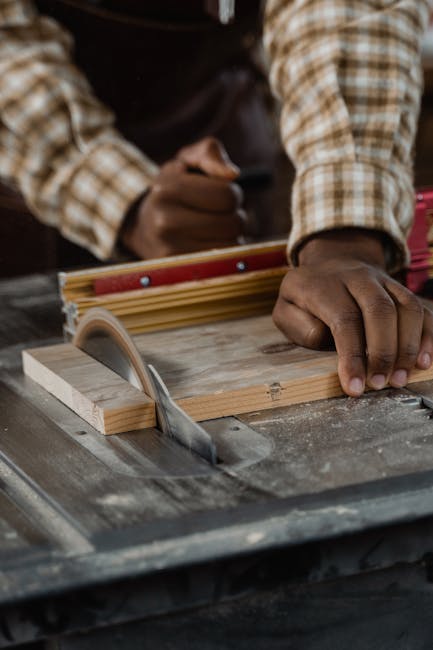
Power saws use electricity or batteries. They perform tasks faster and with less effort. The circular saw is one common type. It features a rotating blade. It cuts through wood, metal, and plastic. The jigsaw is another versatile power saw. It makes curved or intricate cuts.
The miter saw is perfect for angled cuts. It is often used in woodworking and carpentry. Table saws are larger and stationary. They provide stability for large projects. These saws offer power and precision for demanding tasks.
History Of Saw Usage
Saws have been essential hand tools throughout history, used for cutting materials like wood and stone. Ancient civilizations employed basic saws to shape and build. Over time, saw designs evolved, enhancing efficiency and precision in craftsmanship.
The saw is a tool that has been indispensable throughout history. From ancient times to the modern day, its role has evolved with technological advancements. Understanding the history of saw usage not only provides insight into human innovation but also highlights the tool's enduring relevance. Let's journey through time to explore how the saw has been an essential part of our lives.
Ancient Tool Development
In ancient civilizations, saws were crafted from stone, bone, and eventually metal. These early tools were primarily used for woodworking and construction. Imagine the skill required to cut with a stone-edged saw! Egyptians were among the first to use copper saws. These tools were pivotal in building pyramids. Over time, bronze and iron replaced copper, improving durability and efficiency. Have you ever tried using a hand tool from the past? It requires patience and precision, qualities that craftsmen of ancient times mastered.
Evolution In Modern Times
The Industrial Revolution marked a significant change in saw technology. With the invention of the steam engine, sawmills became more efficient. This advancement allowed for mass production of wood products. In the 20th century, the development of electric saws transformed carpentry. Power saws made cutting faster and less labor-intensive. Today, technology continues to evolve with laser-guided saws and saws powered by advanced batteries. Have you thought about the impact of these advancements on DIY projects? It has made home improvement tasks accessible and less daunting for many. As you explore the history of saw usage, consider how these tools have shaped our world. From ancient monuments to modern homes, the saw remains a testament to human ingenuity. How will this tool continue to evolve in the future? The possibilities are as endless as the creativity of those who wield it.
Saw As A Hand Tool
Saws are a staple in any toolbox, known for their versatility. They cut through wood, metal, and other materials with ease. As a hand tool, a saw relies on human power. This makes it accessible and easy to use. No need for batteries or electricity. Let's explore what makes a saw an essential hand tool.
Characteristics Of Hand Tools
Hand tools are simple. They don't need power sources. They work through manual effort. This makes them reliable and easy to maintain. Saws, as hand tools, have a straightforward design. They feature a handle and a blade. The blade has sharp teeth for cutting. Its simplicity is its strength. It allows for precise control during use.
Manual Operation
A saw's manual operation is its defining trait. The user controls the cutting motion. This provides accuracy and detail in tasks. It is ideal for woodworking and metalworking. The user determines the speed and pressure. This flexibility suits various projects. Manual saws are lightweight, making them portable. This allows them to be used anywhere.
Power Tools And Saws
Saws, often seen in toolboxes, can be both hand tools and power tools. Hand saws rely on manual effort. On the other hand, power saws use electricity or batteries for cutting tasks. Each type serves different purposes, offering versatility for varied projects.
In the realm of tools, saws are essential for cutting through materials with precision. But is a saw considered a hand tool when we bring power tools into the equation? With the rise of power saws, the landscape of woodworking and construction has dramatically shifted. This section examines the world of power tools and saws, highlighting their advantages and how they compare to traditional hand saws.
Introduction To Power Saws
Power saws have become a staple in workshops and on construction sites. Unlike hand saws, which rely on manual effort, power saws operate using electricity or batteries. This mechanization allows them to cut through materials more quickly and with less physical strain. Have you ever tried cutting a thick piece of wood with a hand saw? It can be exhausting and time-consuming. Power saws, on the other hand, offer speed and efficiency, turning what could be a strenuous task into a smooth operation. They come in various types, such as circular saws, jigsaws, and miter saws, each designed for specific cuts and materials.
Comparative Analysis
When comparing hand saws to power saws, several factors come into play. Hand saws are lighter, more portable, and don't rely on electricity, making them ideal for remote locations. They're often cheaper, easier to maintain, and perfect for precise, delicate cuts. On the other hand, power saws excel in speed and power. They are perfect for heavy-duty tasks, cutting through thick materials that would take much longer with a hand saw. Safety is also enhanced with features like blade guards and automatic shut-off. Imagine working on a large-scale project. The time saved using a power saw can be significant, allowing you to focus on other aspects of your work. However, the choice between a hand saw and a power saw ultimately depends on your specific needs and the task at hand. How do you decide which saw is right for you? Consider the material you're working with, the location, and the complexity of the task. Each tool has its unique advantages, and understanding these can make a world of difference in your projects.
Applications Of Saws
Saws serve as versatile hand tools essential for cutting materials like wood, metal, and plastic. From carpentry to construction, they help shape, trim, and slice with precision. Different types, including hand saws and power saws, cater to various applications, enhancing efficiency in crafting and building projects.
When considering the diverse applications of saws, it's evident that this hand tool is indispensable in many fields. Whether you're a seasoned craftsman or a DIY enthusiast, saws offer precision and versatility. Let's explore some of the most common and intriguing uses of saws in various domains.
Woodworking
In woodworking, saws are essential for cutting and shaping wood into desired forms. A carpenter's skill often shines through the clean and precise cuts made with a saw. Have you ever tried to build a simple shelf or a birdhouse? The satisfaction of cutting the wood just right is unmatched. Saws like handsaws, jigsaws, and circular saws each bring unique features to the table, accommodating different project needs.
Metal Cutting
Metal cutting is another area where saws play a crucial role. Metalworking requires saws that can handle tougher materials without losing sharpness. Hacksaws and band saws are often used for slicing through pipes and metal sheets. If you've ever crafted a metal sculpture or replaced a broken car part, you'll appreciate the precision these saws offer. Imagine slicing through metal with ease, creating intricate designs or practical components.
Artisanal Uses
Artisans and crafters often rely on saws for unique, creative projects. Whether it's creating intricate wooden carvings or cutting through delicate materials like bone or antler, saws are invaluable. Have you ever admired a finely detailed wood or metal artwork? The precise cuts and shapes are often achieved with specialized saws. Coping saws and scroll saws allow for detailed work that transforms raw materials into stunning masterpieces. Each of these applications highlights the saw's versatility as a hand tool. What projects have you tackled with a saw? Whether in woodworking, metal cutting, or artisanal crafts, saws empower you to bring your ideas to life with precision and creativity.
Safety Considerations
Using a saw requires caution. Safety is the top priority. Without proper measures, accidents can happen. To stay safe, follow some key guidelines.
Protective Gear
Wearing protective gear is essential. Safety goggles shield your eyes from debris. Gloves protect your hands from cuts. Ear protection is vital if using power saws. Dust masks help avoid inhaling harmful particles.
Proper Handling Techniques
Grip the saw firmly with both hands. Ensure the blade is sharp for smoother cuts. Keep your work area clean and free from obstacles. Always cut away from your body to prevent injuries. Do not rush. Take your time for each cut. Store the saw safely when not in use.
Technological Advancements
In recent years, technological advancements have reshaped traditional hand tools. The saw, a staple in woodworking, has seen significant changes. These innovations enhance functionality and user experience. Modern saws blend traditional design with cutting-edge technology. This combination improves efficiency and precision. Below, we explore these advancements in detail.
Innovations In Saw Design
Modern saws incorporate advanced materials and ergonomic designs. Lightweight materials reduce user fatigue. Comfortable grips enhance control and accuracy. Many saws feature adjustable blades. This allows for versatile cutting options. Laser guides improve cutting precision. Technology transforms simple hand tools into multifunctional devices.
Impact On Efficiency
New designs increase sawing speed and accuracy. They reduce physical strain on users. Advanced saws require less maintenance. This saves time and resources. Enhanced precision reduces material waste. Efficient tools support sustainable practices. These innovations benefit both hobbyists and professionals. Technological progress makes saws more reliable and effective.
The Future Of Saws
Saws are evolving with advanced technology, yet they remain essential hand tools for many tasks. Modern designs enhance precision and ease. Despite innovations, their fundamental role as hand tools persists, ensuring versatility and accessibility in various applications.
The world of saws is evolving rapidly. New technologies and innovations shape the future of these essential tools. From traditional hand saws to advanced power saws, changes are happening. The focus is on efficiency, sustainability, and user-friendliness. Let's explore what's next for saws.
Emerging Trends
Saws with smart technology are emerging. They offer more precision and safety features. Users can connect them to apps for better control. This trend is growing in popularity among professionals and DIY enthusiasts alike. Cordless saws are also on the rise. Their convenience and mobility appeal to many users. With powerful batteries, they match the performance of corded versions. This makes them a favorite for projects in remote locations.
Sustainability And Eco-friendly Models
Eco-friendly saws are gaining attention. Manufacturers are using sustainable materials. This reduces the environmental impact of production and disposal. Energy-efficient saws are becoming more common. They consume less power without sacrificing performance. This helps users save on energy costs while being kinder to the planet. Recyclable components are another feature of new saws. Parts can be reused or recycled at the end of their life. This approach supports a circular economy and reduces waste.
Frequently Asked Questions
What Defines A Hand Tool?
A hand tool is any tool powered by human effort rather than electricity or batteries. Hand tools include items like hammers, screwdrivers, and saws. They are typically used for manual tasks like cutting, shaping, or assembling materials. These tools are essential in many DIY and professional settings.
Is A Saw Considered A Hand Tool?
Yes, a saw is considered a hand tool when operated manually. Traditional hand saws rely on human effort to cut through materials. This contrasts with power saws, which use electricity or batteries. Hand saws are ideal for precise work and are widely used in woodworking.
How Does A Hand Saw Work?
A hand saw works by moving its serrated blade back and forth across the material. The teeth of the blade cut through the material with each movement. This action requires manual force and control. Hand saws are effective for tasks requiring precision and finesse.
What Types Of Hand Saws Exist?
Various hand saws are available, including crosscut, rip, and coping saws. Crosscut saws are ideal for cutting across wood grain. Rip saws are used for cutting along the wood grain. Coping saws are perfect for intricate cuts in woodworking projects.
Conclusion
Saws are versatile tools for cutting tasks. They fit well in the hand tool category due to their manual operation and wide usage. Whether you're woodworking or doing DIY projects, saws prove effective. Different types serve various purposes, like crosscut or rip cuts.
Their simplicity makes them accessible to many users. They offer precise cuts with practice and skill. Choosing the right saw enhances efficiency in tasks. Evaluate your needs to select the best saw for your projects. Explore options and enjoy the satisfaction of crafting with a reliable hand tool.