
You’ve polished your resume until it shines, but you’re stuck on one crucial decision: should you list hand tools on it? It’s a question that might seem simple at first, but it holds the power to impact your job prospects significantly.
Imagine this: a hiring manager glancing at your resume, intrigued by the unique skills you’ve highlighted. Could those hand tools be the key to standing out in a sea of applicants? In this blog post, we’ll dive into the reasons why including hand tools might just be the spark your resume needs.
Whether you’re a seasoned tradesperson or someone exploring new fields, understanding the value of these skills could be your secret weapon. Curious to find out how? Let’s explore this together and unlock the potential hidden in your toolkit.
Importance Of Skills On A Resume
Listing hand tools on a resume showcases practical skills and hands-on experience. Employers value candidates who can demonstrate proficiency with essential tools. Highlighting these abilities can set you apart in fields like construction or manufacturing, where technical skills are crucial.
The skills you list on your resume are crucial. They tell potential employers what you can do and how well you can do it. Your skills are like your personal toolkit, each one helping you tackle different job challenges.
What Skills Should You Include?
Choosing which skills to add can be tricky. You want to highlight the skills that make you stand out. Think about what the job requires and match your skills to those needs.
Technical Skills Vs. Soft Skills
Technical skills are specific abilities related to the job, like using hand tools or software. Soft skills, like communication and teamwork, are just as important. Balance is key; employers look for candidates who have both.
Why Hand Tools Might Matter
Have you ever thought about listing hand tools on your resume? It might seem odd, but it could be beneficial in certain fields. If you're applying for a job in construction or maintenance, knowing how to use hand tools can show you're ready to get to work.
Making Skills Relevant
The relevance of your skills is vital. Tailor your resume for each job application. Show how your skills directly apply to the job you're aiming for.
Quantifying Your Skills
Numbers can make your skills more impressive. Instead of saying you're good with tools, mention how many projects you've completed or the types of tools you use. This gives employers a clearer picture of your capabilities.
Continuous Learning And Skill Development
The job market is always changing. New tools and technologies emerge, and keeping your skills updated is crucial. Consider taking workshops or online courses to enhance your abilities.
Engaging Employers With Your Skills
Think about what catches your eye when you read a resume. Use strong, action-oriented language to describe your skills. This not only grabs attention but also shows confidence in your abilities. Reflect on your skills and how they align with your career goals. Are there skills you haven't considered listing? By being strategic with your resume, you can open doors to new opportunities.
What Are Hand Tools Skills?
Listing hand tools skills on a resume highlights your practical abilities. Employers appreciate candidates who can handle basic maintenance tasks. It demonstrates problem-solving skills and readiness to work in diverse environments.
Understanding hand tools skills can enhance your resume. These skills reflect your ability to use manual tools efficiently. Hand tools skills indicate practical knowledge and experience in specific tasks. They showcase your capability to complete hands-on projects and repairs.
Understanding Hand Tools
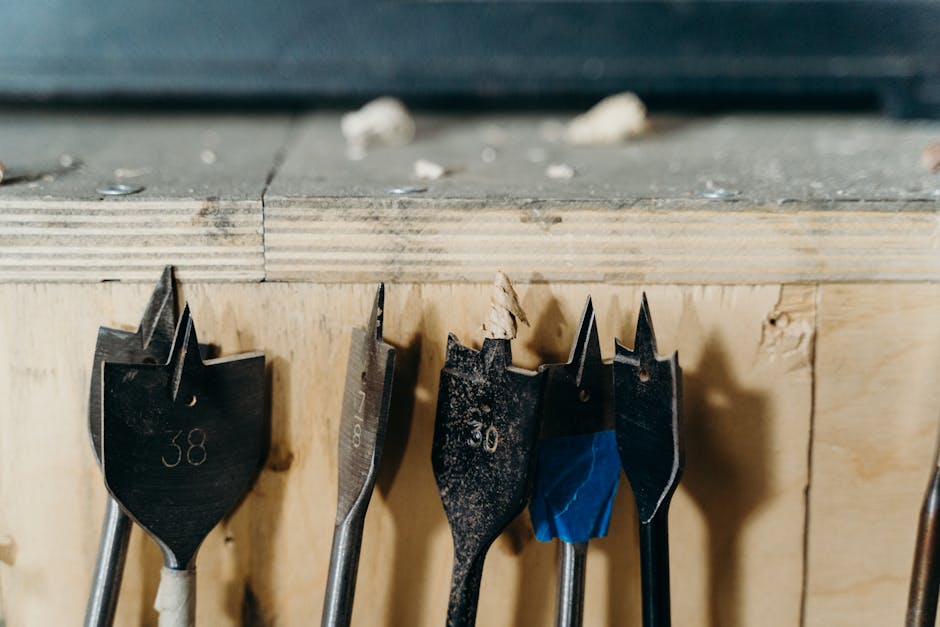
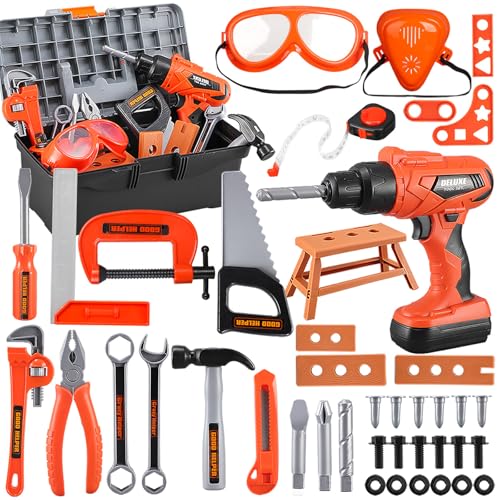
Hand tools are manually operated devices. They include hammers, screwdrivers, and pliers. Each tool serves a specific purpose. Knowing how to use them shows your practical abilities.
Why Hand Tools Skills Matter
Employers value candidates with hands-on experience. Hand tools skills demonstrate your capability to solve practical problems. They highlight your ability to complete tasks without automated machines.
Examples Of Hand Tools Skills
Using a hammer to drive nails. Tightening screws with a screwdriver. Cutting wires with pliers. These skills reflect your manual dexterity. They show your proficiency in basic maintenance tasks.
Industries That Value Hand Tools Skills
Construction and repair industries often seek these skills. Manufacturing sectors also appreciate them. Even DIY projects benefit from hand tools expertise. These skills open opportunities across various fields.
How To Develop Hand Tools Skills
Practice using different tools regularly. Enroll in workshops or training sessions. Seek guidance from experienced individuals. Experiment with small projects at home. These steps improve your proficiency.
Benefits Of Listing Hand Tools
Listing hand tools on your resume can offer several advantages. It shows employers that you have practical skills. This can set you apart from other candidates. People often underestimate the value of hand tools. Yet, they are crucial in many jobs. Highlighting this skill can open doors in specific industries. Below, we explore the benefits of listing hand tools on your resume.
Demonstrating Practical Experience
Employers value practical experience. Hand tools show that you can work with your hands. This is important in many trades and industries. It indicates you understand the tools and techniques. It suggests you can tackle tasks that require manual skills. This experience can make you a more attractive candidate.
Appealing To Specific Industries
Certain industries rely heavily on hand tools. Construction, manufacturing, and maintenance are a few examples. Employers in these fields look for specific skills. Listing hand tools can highlight your suitability. It shows you have relevant industry knowledge. It can give you an edge over other applicants.
Showcasing Versatility
Hand tool skills show versatility. They suggest you are adaptable. Employers appreciate candidates who can perform various tasks. This skill can be useful in unexpected situations. It shows you can solve problems with available resources. This adaptability is a valuable trait in any employee.
Potential Drawbacks
Listing hand tools on a resume might seem unnecessary for some jobs. It could divert focus from more relevant skills. Employers might overlook the importance of these skills for certain positions.
Listing hand tools on your resume might seem like a straightforward decision, especially if you're applying for a role in construction or manufacturing. However, there are potential drawbacks to consider that could affect how your resume is perceived. It's crucial to weigh these downsides carefully to ensure your resume stands out positively.
Relevance To Job Position
When adding skills to your resume, relevance is key. If you're applying for a tech-focused role, listing hand tools might seem out of place. Consider the job description. Does it require tool-handling skills? If not, it might be better to focus on more applicable skills that align with the position. Think about the hiring manager's perspective. Would they find your tool skills pertinent, or would they see it as a distraction from your core competencies?
Risk Of Overcrowding Skills Section
Your resume is valuable real estate. Overloading it with too many skills can dilute the impact of your key strengths. A crowded skills section might make it harder for employers to pinpoint your primary qualifications. You want to highlight your most relevant skills clearly and concisely. Imagine a recruiter scanning your resume quickly. Could they miss your top skills because they're buried under a long list of tools? As you curate your resume, ask yourself: Are these skills enhancing my profile or just filling space? Ultimately, the goal is to present a focused and relevant skill set. Would removing less critical skills, like hand tools, sharpen your resume’s impact?
Assessing Job Relevance
Listing hand tools on your resume can highlight practical skills for roles in construction or maintenance. Demonstrating proficiency in specific tools may attract potential employers seeking hands-on experience. Consider including it if the job requires technical abilities or manual labor expertise.
When crafting your resume, you might wonder if listing hand tools is relevant. The answer largely depends on assessing job relevance. Knowing how to align your skills with the job requirements can be crucial in making your resume stand out. Imagine you're applying for a job that requires technical skills. Understanding which of your abilities are most pertinent could be the difference between landing an interview or not. Let’s break down how to assess the relevance of listing hand tools on your resume.
Industry-specific Requirements
Different industries demand different skill sets. In sectors like construction, automotive, or manufacturing, proficiency with hand tools can be essential. Your ability to use a wrench or a screwdriver effectively might be exactly what employers in these fields are looking for. Consider the job description closely. Does it mention specific tools or general mechanical skills? If so, listing your experience with hand tools could strengthen your application. Think about the tools you've used in past jobs and how they relate to the role you're pursuing.
Employer Preferences
Employers often have unique preferences regarding skill sets. Some might appreciate detailed resumes, while others prefer concise documents. Researching the company can provide insights into what they value most. Have you ever spoken with someone who works at your target company? They might offer valuable advice on what to include. Tailor your resume to reflect the skills that align with the company's needs, including hand tools if they are relevant. Engage with job postings and company websites. Check if they highlight the importance of practical skills. If they do, be sure to showcase your hand tool expertise appropriately. This can show potential employers that you understand their specific needs and have the skills to meet them. Ultimately, the key is to highlight skills that are directly applicable to the job you're applying for. Would listing your hand tool experience add value to your resume? When done thoughtfully, it could be the detail that sets you apart.
Strategic Placement On Resume
Listing hand tools on your resume can highlight practical skills relevant to specific job roles. Consider including them if they align with the job description. Tailor your resume to showcase tools that demonstrate your hands-on experience effectively.
Strategic Placement on Resume Crafting a resume is like curating a personal showcase of your skills and experiences. But where do hand tools fit into this? Placing them strategically can make a significant difference, especially if you're aiming for roles where practical skills are valued. Hand tools might not be the first thing you think of when updating your resume. Yet, they can highlight your practical skills and hands-on experience. Consider how mentioning them can set you apart from others. One way to get started is by thinking about where these skills can shine on your resume.
Skills Section
Start by assessing your skills. Are you adept at using specific tools that are relevant to your desired job? If so, the skills section is a great place to spotlight them. Be specific. Instead of listing "hand tools," mention the actual tools you're proficient with. This can be especially impactful if the job description mentions those tools. Use bullet points for clarity. For example: - Proficient with power drills and saws - Skilled in using precision screwdrivers - Experienced in handling soldering tools Listing these skills can catch the eye of recruiters seeking hands-on expertise.
Professional Experience
Your experience section can also be a fitting place to highlight your hand tool skills. Think about projects or roles where these tools were essential. Provide context. Describe how your tool proficiency contributed to successful outcomes. Did it improve efficiency or quality? For example, you might write: - "Enhanced assembly line efficiency by 20% through proficient use of power drills." - "Led a team in refurbishing furniture, utilizing hand saws and sanders to restore quality." These examples show tangible outcomes, making your skills more compelling. Reflect on your career journey. Have hand tools played a role in your professional growth? Sharing a brief anecdote can make your resume more engaging and memorable. Remember, your resume is your story. Make sure it reflects your unique skills and contributions. How might strategic placement of your hand tool skills change your job prospects?
Alternatives To Listing Hand Tools
Listing hand tools on a resume might not always be necessary. Focus on skills that directly relate to the job. Highlight relevant experience and technical abilities to show your fit for the position.
When crafting your resume, you might wonder if listing hand tools is the best way to showcase your skills. While it's important to demonstrate your capabilities, there are more effective ways to highlight your qualifications without explicitly listing every tool. Here are some alternatives that can make your resume stand out and resonate with potential employers.
Highlighting Transferable Skills
Think about the broader skills you’ve gained through using hand tools. Problem-solving, attention to detail, and time management are just a few examples. These skills are highly transferable and can apply to various roles beyond the immediate scope of hand tools. Consider how problem-solving in a tool-heavy job might translate to project management or how attention to detail can enhance quality assurance roles. By focusing on these transferable skills, you make your resume more versatile and appealing to a wider range of employers. Are there tasks you've excelled at that involved teamwork or leadership? Employers value candidates who can work well with others and guide teams to success. Highlighting these experiences can significantly strengthen your resume.
Emphasizing Technical Expertise
Instead of listing tools, underscore your technical expertise. Describe the complex tasks you’ve completed and the technical challenges you’ve overcome. This approach paints a vivid picture of your capabilities without needing to name every tool. For instance, if you repaired intricate machinery, explain the process and the technical skills required. This not only showcases your ability but also your understanding of industry-specific knowledge. Use specific examples to demonstrate your technical acumen. Did you streamline a process or improve efficiency using a unique approach? Sharing these achievements can effectively communicate your technical expertise to potential employers. By focusing on transferable skills and technical expertise, you can create a compelling resume that highlights your true potential. How can you tailor your resume to better showcase these attributes and capture the attention of your desired employers?
Frequently Asked Questions
Can Hand Tools Skills Enhance My Resume?
Yes, hand tools skills can enhance your resume by showcasing practical abilities and technical expertise. Highlighting proficiency in hand tools demonstrates your hands-on experience, problem-solving skills, and capability to handle physical tasks efficiently. It can be particularly valuable for roles in construction, manufacturing, and maintenance industries.
Should I Include Specific Hand Tools On My Resume?
Including specific hand tools on your resume can be beneficial. Mentioning tools relevant to the job you're applying for shows your familiarity and competence. Tailor your list to match the job description and emphasize tools that reflect your strongest skills and experience.
Are Hand Tools Skills Relevant For Office Jobs?
Hand tools skills might not be directly relevant for most office jobs. However, they can indicate your ability to handle practical tasks and adapt to diverse situations. If your role involves facilities management or technical support, mentioning hand tools skills may add value to your resume.
How Do I List Hand Tools On My Resume?
List hand tools on your resume by creating a dedicated section or incorporating them into your skills list. Use bullet points to specify tools you are skilled at. Ensure to match these skills with the job requirements and emphasize tools that highlight your proficiency and experience.
Conclusion
Listing hand tools on your resume can be beneficial. These skills show practical experience. Employers appreciate hands-on abilities. Highlighting these tools might set you apart. Especially in jobs requiring manual expertise. Always tailor your resume to the job. Consider the relevance of each tool.
Keep your resume clear and concise. Avoid listing unnecessary items. Employers value relevant skills more. Make your resume easy to read. Focus on what the job demands. Craft your resume to showcase your strengths. Each detail can make a difference.
Aim to impress with relevant experience.