Imagine you're in the middle of a home project, and something unexpectedly goes wrong. Perhaps a loose screw or a squeaky door hinge is causing the trouble.
In these moments, household hand tools are your best allies. These trusty tools are more than just items in a toolbox; they are the lifeline for quick fixes and creative projects around your home. But what exactly are household hand tools, and why should you care about them?
You might be wondering if you really need to know about these tools. The answer is a resounding yes. Understanding what household hand tools are and how they work can empower you to tackle small repairs with confidence. It's not just about having the right tools; it's about knowing how to use them effectively to save time and money. Get ready to discover how these everyday essentials can transform your DIY skills and make your home projects smoother and more satisfying.
Types Of Household Hand Tools
Household hand tools are essential for everyday tasks. They help with repairs, installations, and maintenance. Understanding their types helps you choose the right one for the job. Let's explore some common household hand tools.
Hammers And Mallets
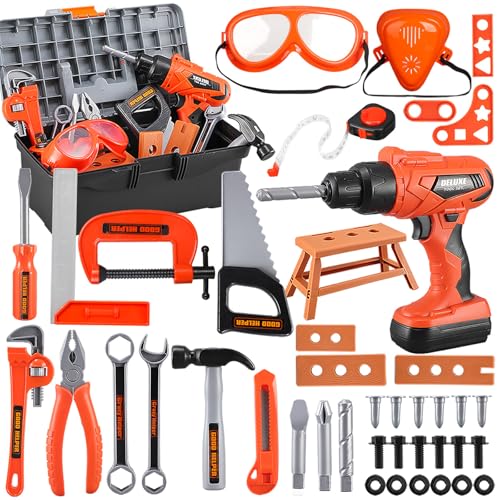
Hammers are versatile tools used for driving nails. They also remove nails and break objects. The claw hammer is popular in homes. Mallets have softer heads. They prevent damage to surfaces. Use mallets for delicate tasks.
Screwdrivers
Screwdrivers tighten or loosen screws. They come in various sizes and shapes. The flathead and Phillips are most common. A flathead has a flat blade. A Phillips has a cross-shaped tip. Choose the right one to avoid stripping screws.
Wrenches And Pliers
Wrenches grip and turn nuts and bolts. Adjustable wrenches fit various sizes. Socket wrenches provide more torque. Pliers grip, bend, and cut wires. Needle-nose pliers reach tight spaces. Combination pliers have cutting edges too.
Measuring Tools
Measuring tools ensure accuracy. A tape measure is a must-have. It measures length and width. A level checks if surfaces are even. A square helps draw right angles. These tools enhance precision in tasks.
Choosing The Right Tool
Choosing the right tool can transform your household tasks. Not all tools fit every job. Picking the correct one saves time and effort. It also ensures safety. Understanding different tools helps you in making the right choice. Here, we explore key aspects to consider.
Material And Quality
Good tools are made from strong materials. Steel and iron are common. They last longer and resist wear. Quality tools don't break easily. Investing in durable tools means fewer replacements. Check for rust-resistant features. They stay useful in all weather.
Comfort And Ergonomics
Comfortable tools reduce strain. Look for soft grips and lightweight designs. Ergonomic shapes fit your hand well. They prevent fatigue during long use. Comfortable tools make tasks easier. You work smoothly and effectively. Less discomfort means more productivity.
Versatility
Versatile tools handle multiple tasks. They save money and space. Multi-functional tools are ideal for small homes. Choose tools with adjustable features. They adapt to different needs. Versatile tools simplify your toolkit. One tool can do many jobs. It makes life easier.
Safety Tips For Using Hand Tools
Household hand tools include hammers, screwdrivers, and pliers. These tools help with everyday repairs and tasks. Ensuring safety while using them prevents accidents and injuries. Always inspect tools for damage before use and wear protective gear when necessary. Keep tools organized and stored safely out of children's reach.
Safety is paramount when using household hand tools. Whether you're a seasoned DIY enthusiast or just starting, understanding how to handle these tools safely can save you from accidents. Let's dive into some essential safety tips that will ensure your projects go smoothly and safely.
Proper Handling Techniques
When handling hand tools, grip firmly but comfortably. A loose grip can lead to slips, while a tight grip can strain your muscles. Always ensure your hands are dry and clean before use. Wet or greasy hands can cause tools to slip, leading to potential injuries. Consider practicing the proper stance—stand with feet shoulder-width apart. This provides stability, minimizing the risk of losing balance during use.
Maintenance And Inspection
Regularly inspect your tools for signs of wear and tear. A chipped blade or loose handle can be hazardous. Keep your tools clean and rust-free. Rust can weaken the structure of the tool, making it dangerous during use. Think of maintenance as an investment in your safety. Sharpen blades and tighten screws periodically to maintain optimal performance.
Storage Solutions
Store tools in a dry, secure location. Moisture can lead to rust, while unsecured tools can become tripping hazards. Consider using pegboards or toolboxes for organized storage. This not only keeps your space tidy but also ensures you know where each tool is when you need it. Ask yourself, how often have you searched for a misplaced tool? Proper storage can save you time and frustration. Remember, safety isn't just about the moment you're using the tool—it's a habit. From handling to storage, every step counts in keeping you safe. So next time you grab a screwdriver or a hammer, think about these tips and enjoy a safer DIY experience.
Common Diy Projects With Hand Tools
Household hand tools are essential for DIY projects at home. These tools help you tackle various tasks without needing power tools. With the right hand tools, you can complete simple fixes or create beautiful crafts. Let's explore some common DIY projects where hand tools shine.
Furniture Assembly
Assembling furniture often requires basic hand tools. A screwdriver and wrench are usually enough. These tools help you tighten screws and bolts with ease. You can assemble bookshelves, tables, and chairs efficiently. Hand tools make the process less overwhelming and more rewarding.
Home Repairs
Hand tools are crucial for small home repairs. A hammer, pliers, and tape measure are handy. You can fix leaky faucets, replace door handles, or hang pictures. These tools give you control and accuracy. They are perfect for making minor adjustments and improvements.
Creative Arts And Crafts
Hand tools play a role in arts and crafts. Scissors, utility knives, and chisels are useful. You can create intricate designs or simple decorations. These tools let your creativity flow. They are ideal for personalizing gifts or decorating your home.
Benefits Of Using Hand Tools
Hand tools have been trusted by households for generations. They offer many advantages over powered tools. Let's dive into some key benefits of using hand tools at home.
Cost-effective Solutions
Hand tools are generally more affordable. They don't require electricity or batteries. This saves money on energy bills. Buying hand tools often costs less upfront. Maintenance costs are also lower. They don't have complex parts that need repair.
Environmental Impact
Hand tools have a smaller carbon footprint. They don't use electricity. This reduces energy consumption. They also produce less noise pollution. Hand tools last longer, reducing waste. They are often made from sustainable materials.
Skill Development
Using hand tools helps develop practical skills. You learn precision and control. These tools require focus and patience. They improve hand-eye coordination. Over time, your confidence grows. You become more self-reliant with each project.
Frequently Asked Questions
What Are Common Household Hand Tools?
Common household hand tools include hammers, screwdrivers, pliers, and wrenches. These tools are essential for basic repairs and maintenance. They help with tasks like hanging pictures, tightening screws, and fixing leaks. Having these tools readily available can make household projects easier and more efficient.
How Do I Maintain Hand Tools Properly?
To maintain hand tools, clean them after each use and store them in a dry place. Regularly inspect for rust or wear and lubricate moving parts. Sharp tools should be sharpened periodically. Proper maintenance ensures tools last longer and remain safe to use.
Why Are Hand Tools Important In Households?
Hand tools are vital in households because they facilitate repairs and DIY projects. They empower homeowners to fix issues quickly without professional help. Tools like screwdrivers, hammers, and pliers are versatile and help in various tasks, saving time and money.
How Do I Choose Quality Hand Tools?
Choose quality hand tools by looking for durable materials and ergonomic designs. Check reviews and ratings for reliability. Consider brands with a good reputation for quality. Investing in high-quality tools ensures longevity and efficiency in household tasks.
Conclusion
Household hand tools make daily tasks simpler and more efficient. From hammers to screwdrivers, each tool serves a unique purpose. They help with repairs, installations, and crafting projects. Keeping a basic set at home saves time and effort. Learning to use them is easy and rewarding.
It builds confidence and independence. Always store tools in a safe, accessible place. Regular maintenance extends their life and effectiveness. Investing in quality tools pays off in the long run. They are essential in every household. Start building your tool collection today and enjoy the benefits.