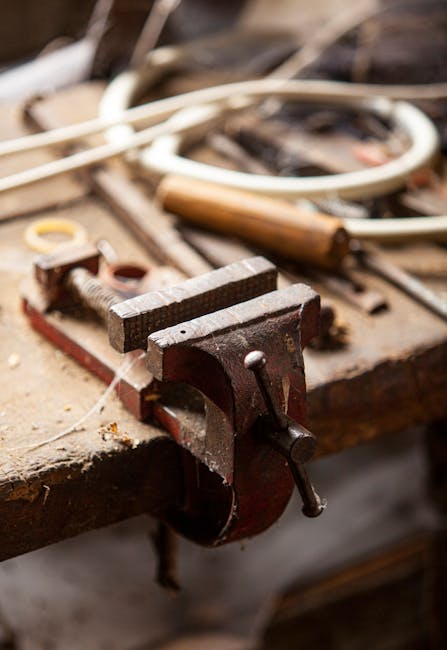
Have you ever held an old hand tool and wondered about the story it carries? These tools are more than just objects; they connect us to a time when craftsmanship was king.
The materials used to make them were carefully chosen, ensuring durability and effectiveness. As you run your fingers over the worn surface, you might feel a sense of nostalgia or curiosity. What were these tools made of, and why were those materials chosen?
Understanding the composition of old hand tools can deepen your appreciation for them. So, if you’re intrigued by the mysteries of these historical artifacts, keep reading. You’ll discover the secrets behind their construction and learn how they have stood the test of time.
Wooden Components
Old hand tools often feature sturdy wooden components. Their handles are typically crafted from hardwoods like oak or hickory. These materials provide durability and comfort in use.
The charm of old hand tools is undeniably linked to their wooden components. These parts aren’t just functional; they add a touch of nostalgia and authenticity to the tools. As you hold a vintage tool with a wooden handle, you might wonder: What makes wood such a perfect choice?
Hardwoods Used
Wooden handles on old hand tools are often crafted from hardwoods. These woods are chosen for their strength and durability. Common examples include hickory, ash, and oak. Each of these woods is known for its ability to withstand the pressure and impact that hand tools endure. Hickory, for instance, is favored for its shock resistance. This makes it ideal for tools like hammers and axes that absorb a lot of impact. Oak offers a firm grip and long-lasting performance, making it perfect for tools that require precision. Choosing the right wood is crucial. It can determine how comfortable and effective a tool is in your hands.
Benefits Of Wooden Handles
What makes wooden handles so appealing? For one, they provide a natural grip. Unlike metal or plastic, wood doesn't get too cold or too hot, ensuring comfort during use. Wooden handles are also more forgiving on your hands. They absorb some of the vibrations, which can reduce hand fatigue. There's also the aesthetic aspect. Wooden handles bring a classic look that synthetic materials just can't match. They give your tools a timeless appeal that speaks to the craftsmanship of yesteryears. Have you ever used a tool with a well-worn wooden handle? It seems to mold to your hand over time, creating a unique, personalized fit. This not only enhances your comfort but also your connection to the tool. Wooden components play a significant role in the allure of old hand tools. They aren't just parts; they are the heart of these tools, offering a blend of functionality, comfort, and beauty. When you next pick up a tool with a wooden handle, think about the stories it might tell and the hands it has shaped over the years.
Metal Elements
Metal elements are crucial in crafting old hand tools. They provide durability and strength. Craftsmen rely on these materials for reliable tools. Let's explore some common metal elements used.
Iron And Steel Applications
Iron is a staple in tool making. It is strong and easy to work with. Blacksmiths shape iron into various tools. Steel, an iron alloy, is even more durable. It resists rust and wear. Steel tools last longer and perform better. Many old hand tools feature steel blades or edges. This ensures they remain sharp and effective. Iron and steel are foundational in tool crafting.
Brass And Bronze Uses
Brass and bronze offer unique benefits. Brass is an alloy of copper and zinc. It is corrosion-resistant and aesthetically pleasing. Many decorative tools use brass for handles or accents. Bronze, made from copper and tin, is tougher. It withstands heavy use without deforming. Bronze tools were popular in ancient times. Their durability is unmatched for certain applications. Both metals contribute to the richness of tool design.
Leather Parts
Old hand tools have a charm and character that modern tools often lack. Leather parts are a significant aspect of their design. Leather provides comfort and style to these timeless tools. It adds a touch of elegance and tradition.
Leather Grips And Covers
Leather grips offer a warm and secure feel. They mold to the hand over time. This creates a personalized grip. Leather covers protect delicate parts of tools. They shield them from scratches and damage. Leather's natural texture enhances the grip's tactile quality. It ensures a firm hold during use.
Durability Of Leather
Leather's durability is unmatched. It withstands wear and tear. Proper care extends its lifespan. Leather resists moisture and weather conditions. It remains strong and flexible over time. Regular maintenance can keep leather in top condition. This ensures long-lasting protection and comfort.
Stone Materials
Stone materials have been used in hand tools for centuries. These materials provided durability and strength. Stone was one of the earliest materials used by humans. It was carved and shaped into tools for various tasks. Ancient craftsmen selected stones for their specific properties. Each type of stone had unique advantages.
Granite And Marble
Granite is a very hard stone. It is composed mainly of quartz and feldspar. This makes it resistant to wear and tear. Granite tools could withstand heavy use. Ancient artisans used granite for grinding and polishing. Marble, on the other hand, is softer than granite. Its beauty made it ideal for decorative tools. Marble tools were often used in ceremonial settings.
Functional Uses Of Stone
Stone tools had many functional uses. They were essential in daily life. People used stones for cutting and shaping. Grinding stones helped in food preparation. They crushed grains and seeds into flour. Stones were also used in construction. They shaped wood and other materials. Stone tools were versatile and long-lasting. They played a key role in human development.
Bone And Antler
Bone and antler have been used in hand tools for centuries. These materials are known for their strength and durability. Artisans favored them for their availability and versatility. Bone and antler tools were common in many cultures around the world. Their natural beauty added value to the tools, making them both functional and decorative.
Traditional Uses
Bones were often used for making handles for knives and tools. Their strength made them ideal for crafting sturdy implements. Antlers, shed naturally by deer, were carved into tool handles. They were also used for making combs, needles, and fishhooks. These materials were valued for their resilience and ease of carving. Bone and antler tools served hunters, gatherers, and craftsmen alike.
Craftsmanship Techniques
Crafting with bone and antler required skill and precision. Artisans used simple tools like flint to shape and carve them. These materials were softened by soaking in water before carving. The softness allowed intricate designs and smooth finishes. Polishing was done using sand or leather strips. This process enhanced the tool's appearance and functionality. Each crafted piece was unique, reflecting the artisan's creativity.
Glass And Ceramic
Old hand tools crafted from glass and ceramic showcase unique charm. These materials offer both aesthetic appeal and practical use. Their distinct qualities make them valuable and collectible. Understanding the nature of glass and ceramic tools helps appreciate their beauty and functionality.
Fragility And Strength
Glass and ceramic tools balance fragility and strength. Glass is delicate yet can be surprisingly tough. Ceramic is brittle but withstands high temperatures. These tools demand careful handling due to their breakable nature. Despite this, they serve various purposes effectively.
Decorative Aspects
Glass and ceramic tools often possess decorative features. Their surfaces may be etched or painted. Bright colors and intricate designs enhance visual appeal. These tools are not only functional but also artistic. Collectors value their unique aesthetic qualities.
Textile Incorporations
Old hand tools in textile incorporations often feature materials like wood, iron, and steel. These sturdy components ensure durability and efficiency. Skilled artisans crafted these tools for weaving and fabric production, making them essential in traditional textile processes.
Textile incorporations in old hand tools might seem like an unexpected pairing. Yet, they serve a vital role in the functionality and longevity of these tools. From enhancing grip to protecting delicate parts, fabrics have woven their way into the history of tool-making.
Fabric Wrappings
Fabric wrappings are more than just an aesthetic choice for old hand tools. They provide a comfortable grip, reducing strain on your hands during long hours of work. Imagine working on a project with a tool that feels like an extension of your hand. That's the magic fabric wrappings bring. The choice of fabric can vary. Cotton, leather, or canvas might be used, each offering unique benefits. Cotton is soft and breathable, leather is durable and offers a classic look, while canvas provides robust protection. Which fabric would you prefer for your hand tools?
Role In Protection
Textiles play a crucial role in protecting old hand tools from damage. They act as a buffer, absorbing shock and minimizing wear and tear. Picture an antique chisel wrapped in fabric, its blade shielded from nicks and scratches. This protection extends the tool's life, preserving its functionality and value. Moreover, textiles can safeguard the user as well. A well-wrapped handle reduces the risk of blisters and injuries. Think about how much more enjoyable your tasks could be with added comfort and safety. Have you ever considered how textiles contribute to the longevity of your tools? Next time you pick up a hand tool, take a moment to appreciate the thoughtful textile incorporations that enhance its performance and protect its integrity.
Frequently Asked Questions
What Materials Are Hand Tool Handles Made Of?
Hand tool handles are often made from wood, metal, or plastic. Wooden handles provide a comfortable grip and absorb vibrations. Metal handles, typically steel or aluminum, offer durability and strength. Plastic handles are lightweight and resistant to moisture. Each material has its advantages depending on the tool's intended use.
Are Vintage Hand Tools Made From Iron?
Yes, many vintage hand tools are made from iron. Iron was commonly used due to its availability and durability. Tools like hammers, chisels, and wrenches were often forged from iron. This provided strength and longevity. Iron tools can last for generations when properly maintained and cared for.
What Types Of Steel Are Used In Old Tools?
Old hand tools often use carbon steel for blades and cutting edges. Carbon steel offers sharpness and ease of sharpening. High-carbon steel provides extra hardness, ideal for cutting tools. Stainless steel might be used for tools needing rust resistance. Each steel type enhances the tool's performance and longevity.
Are Wooden Tools Still In Use Today?
Yes, wooden tools are still in use today for specific applications. Wood is used for tool handles, like hammers and axes, providing comfort and grip. It's also used in carpentry for mallets and planes. Wooden tools offer traditional craftsmanship and are preferred for their natural feel and aesthetics.
Conclusion
Old hand tools tell stories of craftsmanship and skill. Made from strong metals and durable woods, they last generations. Steel, iron, and hardwoods form the backbone of these tools. Their simplicity offers timeless appeal. They connect us to history and tradition.
Each tool crafted with care and precision. Appreciating them means valuing quality and hard work. These tools are more than objects. They are links to the past. A past where skill and materials mattered. Embrace their charm and durability. Old hand tools remain a testament to enduring craftsmanship.
Their legacy continues to inspire and teach us.