
Have you ever picked up a tool, only to find it covered in grime or rust? Whether you're a DIY enthusiast or a professional, keeping your hand and power tools clean is crucial for their longevity and efficiency.
But what do you use to clean them effectively without causing damage? The answer might surprise you. We'll uncover the best methods and materials for cleaning your tools, ensuring they remain in top condition for all your projects. You'll discover simple yet powerful techniques that not only enhance your tools' performance but also save you money in the long run.
So, if you want to maximize the lifespan of your tools and maintain their optimal functionality, read on. Your toolbox will thank you.
Cleaning Hand Tools
Hand tools are essential for any DIY enthusiast or professional. Keeping them clean ensures their longevity and performance. Regular maintenance prevents rust and wear, saving money in the long run. Let’s explore some effective methods for cleaning hand tools.
Basic Cleaning Supplies
Start with basic cleaning supplies to maintain your hand tools. A bucket of warm, soapy water is essential. Use a mild detergent to avoid damaging metal parts. Soft cloths and old toothbrushes help scrub dirt and grime. For stubborn stains, a nylon brush works well. Dry thoroughly to prevent rust.
Removing Rust From Hand Tools
Rust is a common enemy of hand tools. Use white vinegar to remove rust effectively. Soak rusty tools in vinegar for a few hours. Scrub with a wire brush to loosen rust. Baking soda paste is another option. Apply it to the rusty area, let it sit, then scrub. Rinse and dry thoroughly afterward.
Maintaining Wooden Handles
Wooden handles require special care to prevent cracking. Clean them with a damp cloth to remove dirt. Avoid soaking them in water. Use linseed oil to maintain the wood’s integrity. Apply a small amount, then rub with a clean cloth. This keeps the wood moisturized and strong.
Cleaning Power Tools
Cleaning hand and power tools ensures they last longer and work better. Use a wire brush to remove dirt and grime. Wipe surfaces with a damp cloth to eliminate dust.
Cleaning power tools is vital for long-term use and efficiency. Regular maintenance prevents rust and keeps tools working smoothly. It also extends their lifespan. Proper cleaning can also prevent accidents by ensuring all parts function correctly. Explore the essentials of cleaning power tools below.
Essential Cleaning Products
Using the right cleaning products is crucial. Mild detergents work well for most power tools. Avoid harsh chemicals that can damage parts. Soft cloths or brushes help in gentle cleaning. For stubborn grime, use specialized cleaning sprays. These products can dissolve tough dirt without harming the tool.
Dust And Debris Removal
Dust accumulation can affect tool performance. Use a vacuum or air compressor to remove dust. Compressed air works great for tight spaces. Ensure all vents are clear to prevent overheating. Regular dust removal keeps the motor running smoothly. It also reduces wear and tear on moving parts.
Lubricating Moving Parts
Lubrication is key for smooth operation. Use machine oil or grease for this purpose. Apply a small amount to moving parts. Too much oil can attract dust. Ensure all joints and gears move freely. Regular lubrication prevents rust and reduces friction. It also enhances tool performance and longevity.
Safety Precautions
Cleaning hand and power tools requires care and attention. Safety precautions protect you while maintaining your tools. Proper methods ensure tools work well and last longer. Following safety measures helps avoid injuries and accidents. Let's explore essential safety precautions for cleaning tools.
Protective Gear
Wearing protective gear keeps you safe. Gloves protect hands from sharp edges and chemicals. Safety goggles shield eyes from dust and debris. Masks prevent inhaling harmful particles. These items reduce risk of injury during cleaning.
Electrical Safety Measures
Unplug power tools before cleaning. This prevents accidental activation. Inspect cords for damage before use. Keep water and cleaning solutions away from electrical parts. Use dry cloths for cleaning motor areas. These practices ensure electrical safety.
Tips For Long-lasting Tools
Keeping your hand and power tools in top condition is crucial. Tools that last longer save money and time. Regular maintenance can prevent rust and damage. Here are some practical tips to ensure your tools stay in excellent shape for years.
Regular Inspection
Check your tools often to spot any wear or damage. Look for rust, loose screws, or broken parts. Inspecting regularly helps catch problems early. Fixing small issues can prevent bigger problems later. A quick check before and after use can make a big difference.
Proper Storage Techniques
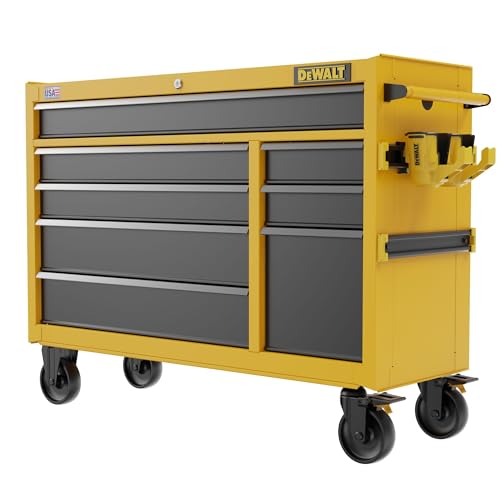
Storing tools correctly is vital for their longevity. Keep them in a dry place to avoid rust. Use a toolbox or cabinet to keep them organized. Hanging tools on a pegboard can save space and keep them visible. Proper storage prevents unnecessary damage and makes tools easy to find.
Frequently Asked Questions
How To Clean Rust From Tools?
Rust can be removed using vinegar or baking soda. Soak the tool in vinegar overnight or apply baking soda paste. Scrub with a brush and rinse with water. Dry thoroughly to prevent rust recurrence. Regular maintenance can minimize rust formation, ensuring longevity of your tools.
What's The Best Cleaner For Power Tools?
Use a mild detergent mixed with warm water for cleaning power tools. Avoid harsh chemicals that may damage components. Use a soft cloth to gently wipe the surfaces. Ensure all parts are dry before reassembling. Regular cleaning extends the lifespan of power tools.
Can I Use Wd-40 On Hand Tools?
WD-40 is effective for cleaning and lubricating hand tools. It helps remove dirt and prevents rust. Spray it on the tool and wipe with a clean cloth. Ensure tools are dry before storage. WD-40 provides an added layer of protection against moisture.
Are Homemade Cleaners Safe For Tools?
Homemade cleaners, like vinegar or baking soda solutions, are generally safe for tools. They effectively clean without damaging metal surfaces. Test on a small area first to ensure compatibility. Homemade solutions are eco-friendly and cost-effective alternatives to commercial cleaners.
Conclusion
Caring for your tools ensures they last longer. Clean hand tools with a damp cloth. Use a brush for stubborn dirt. For power tools, follow manufacturer guidelines. Keep them dry to prevent rust. Regular maintenance is key. It keeps tools efficient and safe.
Use the right cleaning supplies for best results. Store tools properly after cleaning. This helps maintain their condition. A little effort goes a long way. Enjoy using your tools for years to come. Happy cleaning!