Have you ever wondered what goes into creating a hand tooled saddle? If you're passionate about horseback riding or simply intrigued by the craftsmanship behind these beautiful creations, you're in the right place.
Imagine owning a saddle that is not only functional but also a work of art, crafted meticulously by skilled hands. A hand tooled saddle starts with more than just leather; it begins with a vision and an understanding of tradition and artistry.
As you dive into the fascinating world of saddle making, you'll discover the intricate steps and thoughtful decisions that bring a saddle to life. From selecting the right materials to the detailed carving and tooling, each stage is a testament to the dedication and skill of artisans who pour their heart into every piece. You might be surprised to learn how much artistry and precision are involved in crafting something that enhances both the rider's experience and the horse's comfort. By the end of this article, you'll not only appreciate the beauty of hand tooled saddles but also gain insights into the craftsmanship that makes them so special. Prepare to uncover the secrets behind a masterpiece that starts with a single idea and evolves into a stunning creation.
The Art Of Saddle Making
Crafting a hand tooled saddle begins with selecting premium leather. Each piece is carefully cut and shaped. Skilled artisans then carve intricate designs into the leather. This process lays the foundation for a functional and beautiful saddle. Every detail reflects the dedication and artistry involved in saddle making.
The art of saddle making is a craft that merges tradition with innovation, creating a unique blend of functionality and beauty. Each saddle tells a story of meticulous craftsmanship, reflecting a deep understanding of both horse and rider needs. But where does this intricate process begin? Let’s delve into the fascinating journey of hand-tooled saddle creation, focusing on the artistry involved in each step.
History Of Saddle Crafting
Saddle crafting dates back centuries, with its roots deeply embedded in the cultures of ancient civilizations. Early riders needed a reliable way to stay mounted, prompting the creation of rudimentary saddles. These early designs have evolved dramatically, influenced by the needs of different cultures and riding styles. Consider the early Chinese and Roman saddles, which laid the groundwork for modern designs. Over time, the art of saddle making spread across continents, each region adding its own flair and functionality. Imagine how exciting it must have been to be a saddle craftsman in those times, introducing innovations that would shape the future of riding.
Evolution Of Techniques
The techniques used in saddle making have evolved significantly, combining traditional methods with modern technology. Today, saddle makers use a mix of hand tools and machinery to ensure precision and durability. This evolution has allowed for the creation of more ergonomic and comfortable designs. For instance, the integration of computer-aided design (CAD) has transformed how patterns are created, leading to more accurate fits. Yet, the heart of saddle making remains in the skilled hands of the craftsman, who brings the leather to life with intricate tooling and stitching. Have you ever wondered how a simple piece of leather can be transformed into a work of art? Modern saddle makers often balance the old with the new, paying homage to traditional techniques while embracing innovation. This balance is what keeps the craft relevant in an ever-changing world, ensuring that each saddle remains a testament to the art of saddle making.
Materials Selection
Crafting a hand-tooled saddle starts with selecting the right materials. Leather quality is crucial for durability and comfort. Tools and techniques shape the saddle, ensuring it meets the rider's needs.
Crafting a hand-tooled saddle is an intricate process that begins with the careful selection of materials. Each component plays a vital role in the saddle's functionality and aesthetics. By choosing the right materials, you ensure the saddle's durability, comfort, and beauty.
Choosing Quality Leather
Selecting the right leather is the foundation of a well-crafted saddle. The quality of leather affects the saddle's longevity and comfort. Full-grain leather is often preferred because it retains the hide's natural surface, offering strength and a unique appearance. Consider the leather's thickness and flexibility. Thicker leather provides durability, while a softer, more pliable leather enhances comfort. Examine the leather for any imperfections, as these can affect both the look and performance of the finished saddle. Have you ever run your fingers over a saddle and marveled at its smooth texture? That's the magic of high-quality leather.
Metal And Hardware Essentials
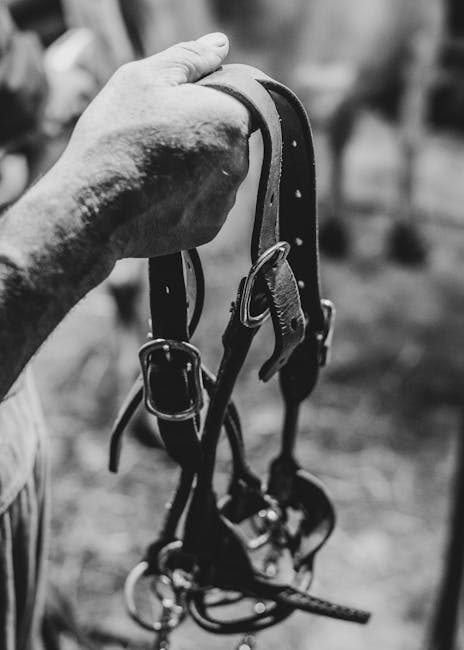
Hardware is more than just functional; it adds character to the saddle. The choice of metal—be it stainless steel, brass, or nickel—impacts both aesthetics and durability. Stainless steel is a popular choice for its rust resistance and strength. Consider the saddle's intended use when selecting hardware. For instance, a working saddle might require robust buckles and rivets, while a show saddle may feature more ornate designs. The balance between form and function is crucial. Have you thought about how the shine of a well-polished buckle catches the eye and enhances the saddle's overall look? Every piece of hardware should be securely attached, ensuring safety and reliability. Picture the peace of mind knowing your saddle is built to withstand the rigors of the trail or the show ring. Making these thoughtful choices in materials selection is the first step in crafting a saddle that stands out in both style and performance.
Design And Aesthetics
The world of hand tooled saddles is a blend of art and function. It starts with the design and aesthetics that capture the spirit of the rider. Every saddle reflects its own unique story. Whether it embraces traditional charm or modern sophistication, the design is key.
Traditional Vs. Modern Designs
Traditional designs often feature intricate patterns. These patterns are inspired by historical craftsmanship. They bring a sense of nostalgia and heritage. Modern designs lean towards simplicity and sleek lines. They appeal to those who prefer a contemporary feel. Both styles offer unique beauty. Both cater to different tastes and preferences.
Customization Options
Hand tooled saddles offer a range of customization choices. Riders can select their preferred leather type. Color options are vast, from deep browns to bold blacks. Patterns can be personalized, adding a personal touch. This customization ensures each saddle is unique. It reflects the individuality of the rider. Tailoring a saddle to your liking enhances the riding experience.
Tooling Techniques
Creating a hand tooled saddle is an intricate art form. This process begins with the right tooling techniques. These techniques define the saddle's final appearance and durability. Skilled artisans use various methods to craft detailed designs. Each method requires precision and patience.
Artisans start with raw leather, shaping it with care. They use specific tools to imprint unique patterns. The tooling process involves several stages, each crucial for the final product. Let's explore some popular tooling techniques.
Hand Tooling Methods
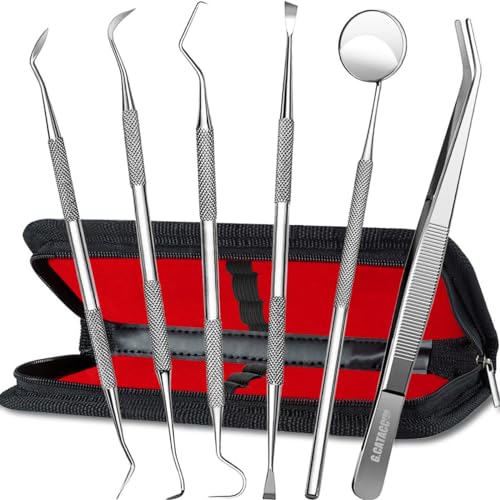
Hand tooling involves careful, manual work. Artisans use specialized tools like swivel knives and bevelers. Swivel knives cut leather, creating the initial design. Bevelers add depth, giving the patterns a 3D effect.
The artisan's touch is essential in hand tooling. Every cut and groove reflects the artisan's skill. This method ensures each saddle is unique. The personalized touch makes every piece special.
Stamping And Carving
Stamping and carving are two distinct techniques. Stamping uses metal stamps to press patterns into leather. These stamps create repeating designs, often used for borders.
Carving, on the other hand, allows for more detail. Artisans cut designs into the leather surface. This technique involves more creativity, ideal for intricate artwork. Both methods require skill and a steady hand. Together, they form the saddle's detailed design.
Saddle Construction Process
A hand tooled saddle begins with selecting high-quality leather. Skilled artisans cut and shape the leather pieces. Then, they imprint intricate designs using specialized tools.
The art of crafting a hand-tooled saddle is a meticulous process, rich in tradition and skill. It begins with selecting the finest materials and ends with a masterpiece that stands the test of time. This journey from raw materials to a finished product is both fascinating and intricate. Understanding the saddle construction process can deepen your appreciation for these remarkable pieces of craftsmanship. Each stage in the process requires attention to detail and a deep understanding of the craft. Are you ready to dive into this world of leather, stitching, and design?
Assembly Of Parts
The assembly of parts is where the magic begins. The saddle is like a puzzle, with each piece crafted to fit perfectly. Leather is cut meticulously to form the tree, seat, skirts, and fenders. Have you ever tried assembling a model kit? Imagine that, but with leather. Each piece must align accurately. Any misstep can affect the saddle's balance and comfort. The saddler's experience shines here. They know the importance of precision. Using tools that have been passed down through generations, they cut, shape, and prepare each component.
Stitching And Finishing
Once the parts are assembled, stitching and finishing bring the saddle to life. This is where durability meets aesthetics. Strong stitches ensure the saddle withstands years of use. The stitching pattern can also add decorative flair. Some saddlers even use contrasting thread to highlight their craftsmanship. Have you ever noticed the intricate patterns on a saddle? It's a testament to the saddler's artistry. Finishing involves treating the leather to enhance its longevity. The saddler applies oils and waxes, adding a sheen that protects against the elements. They might even add custom tooling, creating a unique, personalized design. This final touch not only enhances the saddle's look but also its value. Creating a hand-tooled saddle is an art that requires passion and precision. Next time you see one, take a moment to appreciate the dedication and skill that goes into every stitch and cut. What details catch your eye?
Craftsmanship Skills
A hand tooled saddle begins with selecting high-quality leather. This material serves as the foundation. Skilled artisans then craft intricate designs. Each tool mark adds character and uniqueness. The process requires precision and patience. Every detail reflects the artisan's dedication to excellence.
Crafting a hand-tooled saddle is an art that begins with a deep appreciation for craftsmanship skills. These skills are the backbone of creating a saddle that not only functions well but also tells a story through its design. A saddle is more than just a piece of equipment; it’s a testament to the artisan's dedication and expertise.
Attention To Detail
Every hand-tooled saddle starts with an unwavering attention to detail. Each cut, stitch, and tool mark is deliberate. As someone who once tried my hand at crafting a small leather pouch, I realized the importance of precision. One wrong move could compromise the entire piece. Have you ever noticed how a tiny flaw in a product can catch your eye immediately? That's why artisans spend countless hours ensuring each detail is perfect. They know that these details are what set their work apart from mass-produced items.
Precision In Workmanship
Precision is non-negotiable in saddle making. Artisans measure and cut leather with exactness, ensuring each piece fits perfectly. Imagine crafting a puzzle where every piece must align seamlessly. In saddle making, this precision ensures durability and comfort. Each time you sit in a well-crafted saddle, you're experiencing the result of meticulous workmanship. The next time you admire a hand-tooled saddle, consider the hours of careful measuring and cutting that went into its creation. It’s this precision that ensures the saddle not only looks beautiful but also stands the test of time. Craftsmanship skills are not just about technical ability; they’re about passion and dedication to creating something meaningful. As you explore hand-tooled saddles, think about the craftsmanship behind them. What craftsmanship skills do you value most in handmade items?
Quality Assurance
Ensuring a hand tooled saddle meets high standards is essential. Quality assurance starts from the selection of materials. Each component is carefully chosen. The goal is to deliver long-lasting and reliable products. Craftsmen focus on every detail. They aim for excellence in both form and function.
Testing For Durability
Durability testing is crucial in saddle making. Each saddle undergoes rigorous tests. Craftsmen simulate different riding conditions. They ensure the saddle withstands wear and tear. Materials are stress-tested for resilience. This guarantees the saddle's longevity. Durability checks help identify potential weak points. These checks ensure the saddle remains robust over time.
Ensuring Comfort
Comfort is a priority in saddle design. Craftsmen focus on ergonomic designs. They assess the saddle's fit for different riders. Testing involves feedback from experienced riders. Adjustments are made to improve comfort. Padding is carefully evaluated for softness. The shape is optimized for rider support. Comfort testing ensures a pleasant riding experience.
Saddle Maintenance
Crafting a hand tooled saddle begins with selecting high-quality leather. Skilled artisans carve intricate designs, ensuring durability and beauty. Regular maintenance, including cleaning and conditioning, preserves the saddle's elegance and extends its lifespan.
Maintaining a hand-tooled saddle is essential for preserving its beauty and functionality. Imagine investing in a masterpiece, only to see it degrade because of neglect. Saddle maintenance is more than just a chore; it’s a way to connect with your saddle, ensuring it stays comfortable and reliable for years. But how do you effectively maintain it? Let's delve into the essentials of cleaning, care, and repair.
Cleaning And Care
Regular cleaning is crucial. Dust and sweat can deteriorate leather over time. Use a soft brush or cloth to gently remove dirt after each ride. Consider using a mild soap specifically designed for leather. Avoid harsh chemicals which can strip natural oils from the leather. After cleaning, apply a leather conditioner. This keeps the saddle supple and prevents cracking. Try to condition your saddle at least once a month, or more often if you ride frequently.
Repair Techniques
Even with meticulous care, saddles might need repairs. A stitch might loosen, or a rivet might break. Knowing basic repair techniques can be a lifesaver. Start by assessing the damage. Is it something you can fix, or should you seek professional help? Simple stitch repairs can often be done with a leather needle and thread. For more complex issues, like a broken tree, professional intervention is necessary. Attempting to repair this yourself could lead to safety issues. How do you handle saddle maintenance? Are there tips you've found particularly effective? Share your experiences to enrich our collective knowledge. Regular maintenance not only prolongs your saddle's life but also enhances your riding experience. A well-cared-for saddle feels better and performs better. So, take pride in your maintenance routine and enjoy the rewards of your effort.
Frequently Asked Questions
What Are Hand Tooled Saddles Made Of?
Hand tooled saddles are crafted from high-quality leather. Skilled artisans use tools to create intricate designs. The leather's durability and beauty enhance the saddle's functionality. Each saddle is unique, reflecting the craftsmanship involved. These saddles are both practical and aesthetically pleasing.
How Are Patterns Created On Saddles?
Patterns on saddles are created by skilled artisans using specialized tools. They carve and stamp designs into the leather. This process requires precision and artistic skill. Patterns add a personal touch and enhance the saddle's appearance. The designs vary, making each saddle unique.
Why Choose A Hand Tooled Saddle?
Choosing a hand tooled saddle offers durability and unique designs. The craftsmanship ensures quality and longevity. Each saddle showcases intricate artistry, making it special. Riders appreciate the aesthetic appeal and comfort. These saddles are a blend of functionality and beauty.
How Long Does It Take To Make A Saddle?
Creating a hand tooled saddle can take several days to weeks. The process involves intricate carving and craftsmanship. Artisans dedicate time to ensure quality and detail. The duration varies based on design complexity. Each saddle is a testament to skilled artistry.
Conclusion
Crafting a hand tooled saddle starts with choosing quality leather. Each step requires skill and patience. The process highlights the artisan's dedication and love for the craft. Every detail matters, from selecting tools to carving intricate designs. This journey creates a saddle that's unique and long-lasting.
Appreciating the artistry and effort involved enhances its value. For enthusiasts, understanding this process deepens their connection to their saddle. It's more than just a riding accessory. It's a piece of art, a testament to tradition and craftsmanship. A hand tooled saddle is a true treasure for any rider.