Imagine working on a project and suddenly your tool loses power. Frustrating, right?
This is where the battery size in hand tools plays a crucial role. Whether you're a DIY enthusiast or a professional craftsman, understanding how battery size impacts your tool's performance can be a game-changer. Bigger isn't always better, and the nuances of battery capacity can directly affect how efficiently you work.
You might wonder how this tiny component influences your tools. Does it make them run longer or just heavier? What does it mean for your productivity and convenience? As you delve into this article, you’ll discover how choosing the right battery size can transform your tool usage, enhance your work efficiency, and ultimately, save you time and effort. Keep reading to uncover the secrets behind battery sizes in hand tools and learn how this small detail can make a big difference in your projects.
Role Of Battery Size
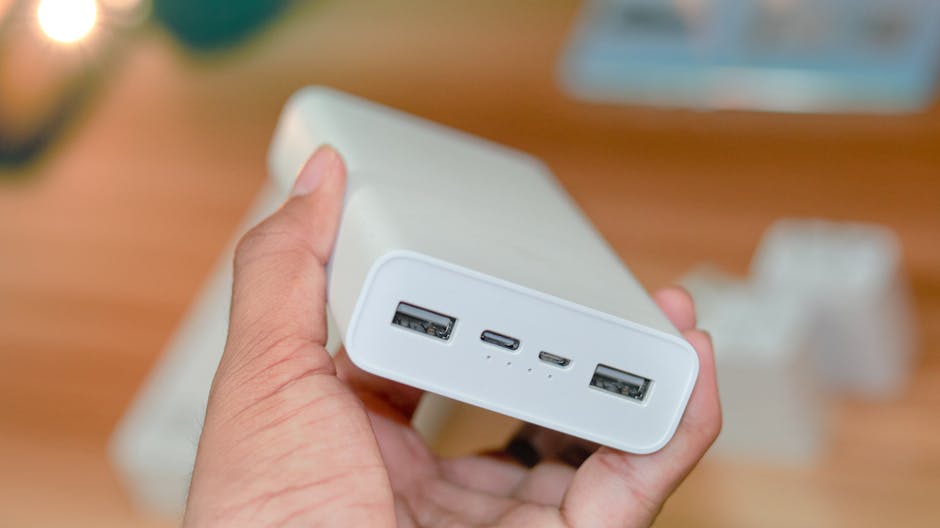
The role of battery size in hand tools is crucial for performance. A larger battery can offer more power and longer runtime. This directly affects how efficiently the tool operates. Understanding battery size helps users choose the right tool for their needs.
The Impact On Power
A tool with a larger battery delivers more power. This is vital for demanding tasks. More power means faster drilling or cutting. It boosts productivity and reduces time spent on jobs.
Influence On Runtime
Battery size determines how long a tool can run. Larger batteries last longer before needing a recharge. This is essential for extended projects. It reduces downtime and keeps work flowing smoothly.
Weight And Balance
Battery size affects the tool's weight. Bigger batteries add extra weight. This can impact comfort during use. Balance is key for ease and control. Consider the weight when choosing a tool.
Cost Considerations
Larger batteries often cost more. They add value with longer life and power. Budgeting for a bigger battery can be wise. It's an investment in efficiency and durability.
Recharge Time
The size of the battery affects recharge time. Bigger batteries may take longer to charge. Planning for recharge times is important. It ensures the tool is ready when needed.
Impact On Tool Performance
Battery size plays a vital role in hand tools. It significantly impacts tool performance. Larger batteries often offer more power and efficiency. Smaller batteries might limit speed and output. Understanding this can help users choose the right tool for their tasks.
Power Output
Battery size directly influences power output. Larger batteries provide more energy. This results in stronger tool performance. Tasks requiring high power benefit from bigger batteries. Smaller batteries may struggle with demanding jobs. Users should consider their task requirements.
Efficiency And Speed
Bigger batteries often enhance tool efficiency. They maintain speed during prolonged use. Smaller batteries may lose efficiency quicker. This can affect job completion time. Efficiency ensures consistent performance. Larger batteries help maintain tool speed over time.
Battery Size Vs. Tool Weight
Choosing the right battery size affects a hand tool’s performance. It also impacts the overall weight. Larger batteries often provide longer runtimes. But they add extra weight. This can influence the tool’s balance. Smaller batteries are lighter. Yet, they may not last as long. Finding the perfect balance between battery size and tool weight is crucial. It ensures efficiency and ease of use.
Balancing Act
The balance between battery size and tool weight is vital. A heavy tool may cause fatigue. This can make work harder. An unbalanced tool may also affect accuracy. A balanced tool offers better control. It helps in achieving precise results. The right balance enhances user experience.
User Comfort
User comfort is a top priority. Heavy tools can strain the hands and arms. This may lead to discomfort over time. Lightweight tools are easier to handle. They reduce the risk of fatigue. A comfortable tool improves productivity. It allows longer work sessions without stress. Prioritizing comfort leads to better outcomes.
Battery Size And Run Time
Battery size plays a crucial role in hand tools' efficiency. A larger battery often means longer run times. This is vital for uninterrupted work sessions. Smaller batteries may require frequent recharges. Choosing the right battery size affects productivity. It balances between tool performance and convenience.
Extended Use
Larger batteries provide extended use for hand tools. They support longer working hours without breaks. This is ideal for jobs requiring continuous operation. Professionals benefit from fewer interruptions. Extended use means more tasks completed in a day. Efficient work boosts overall productivity.
Charging Frequency
Battery size influences charging frequency. Smaller batteries need more frequent charging. This can disrupt work flow. Larger batteries reduce the need for frequent recharges. They save time and maintain work pace. Choosing the right battery size minimizes downtime. It ensures steady tool performance.
Compatibility And Versatility
Battery size in hand tools influences both compatibility and versatility. A larger battery can provide longer usage times, making tools more flexible for extended tasks. Smaller batteries may offer lighter weight and easier handling, ideal for quick jobs. Choosing the right battery size is key for optimal tool performance.
When choosing hand tools, battery size plays a crucial role in determining compatibility and versatility. The right battery can make your tools more efficient and adaptable for different tasks. But how do you know which battery size is the best fit for your needs? Let's dive into the factors affecting compatibility and versatility, ensuring you get the most out of your hand tools.
Interchangeable Batteries
Interchangeable batteries can be a game-changer in your toolkit. Imagine using one battery across multiple tools, reducing clutter and saving you money. For instance, owning a set of tools that all run on the same battery pack means you're always ready for action, with fewer spare batteries to manage. This flexibility allows you to switch batteries between tools seamlessly. If one tool runs out of power, you can quickly swap in a charged battery from another device. This ensures your workflow is uninterrupted and more efficient. Have you ever been in the middle of a project only to have your tool die? With interchangeable batteries, you're always prepared.
Brand-specific Limitations
Brand-specific limitations can limit your options. Some manufacturers design batteries that work only with their tools, which can tie you to a single brand. This might make it harder to mix and match your favorite tools from different brands. However, sticking with one brand can also offer benefits, such as warranties and customer support. If you prefer consistency, choosing a single brand ensures all your tools and batteries work together seamlessly. But consider how limiting this might be when you need a tool that your chosen brand doesn't offer. Are you willing to sacrifice brand loyalty for the freedom of choice? Weighing these factors can help you make the best decision for your toolkit.
Economic Considerations
Battery size impacts the power and runtime of hand tools. Bigger batteries offer longer use and more strength. Smaller batteries are lighter, making tools easier to handle.
When choosing hand tools, understanding the economic considerations of battery size can significantly impact your purchasing decision. The size of a battery influences both the initial cost and long-term investment. Let's delve into these factors and see how they affect your wallet and your tool's performance.
Cost Implications
The initial cost of hand tools is often tied to the size of the battery they use. Larger batteries typically mean a higher upfront price. This is because they offer more power and longer runtime. Imagine buying a cordless drill for a weekend project. A smaller battery might be cheaper, but could require multiple charges to finish your task. This could lead to frustration and wasted time. On the other hand, investing in a tool with a larger battery might seem expensive at first. However, the ability to work longer without interruptions can be worth the initial expense. It’s crucial to weigh these cost implications against how frequently and intensely you'll use the tool.
Long-term Investment
Considering hand tools as a long-term investment can save money in the future. A tool with a larger battery often has a longer lifespan, reducing the need for frequent replacements. This is particularly beneficial for those who rely on their tools daily. Think about your friend who renovates homes for a living. He opts for tools with larger batteries because they hold up better over time and are more reliable. This decision, though costly upfront, saves him money in replacements and downtime. Ask yourself: Are you willing to spend a bit more now to avoid recurring costs later? Balancing initial costs with potential savings can be the key to making wise economic decisions when it comes to hand tools. Ultimately, understanding these economic considerations can help you make informed choices. Whether you’re a weekend warrior or a professional, the right battery size can enhance your work efficiency and financial health.
Technological Advancements
Battery size in hand tools affects their power and runtime. Larger batteries provide more energy, enabling longer use without frequent recharging. Compact batteries are lighter and easier to handle, making tools more portable and user-friendly.
Battery size in hand tools isn't just about power—it's about embracing technological advancements that make your life easier. As technology evolves, so do the batteries that power your tools, ensuring longer life, faster charging, and overall better performance. Whether you're a DIY enthusiast or a professional, understanding these advancements can significantly impact your work efficiency.
Innovations In Battery Technology
Recent innovations in battery technology have transformed how we use hand tools. Modern batteries are not only more powerful but also more efficient. Lithium-ion batteries, for example, have become the standard due to their lightweight and long-lasting charge. Recharge times have drastically reduced. It’s no longer a wait-and-watch game. Quick charge features allow you to get back to work almost immediately. Moreover, some batteries now come with smart technology. These can communicate with your tools, optimizing performance and extending battery life. Such advancements mean you're not just buying a tool; you're investing in a smarter way of working.
Future Trends
What does the future hold for battery technology in hand tools? Imagine a battery that adapts to your usage patterns, offering personalized power management. This isn't far-fetched. Research is currently underway to develop solid-state batteries. These promise even higher energy densities and are safer than current options. Another trend is wireless charging. Picture charging your tools just by placing them on a mat, eliminating the need for cords. As these trends become reality, they will redefine efficiency and convenience. Are you ready to embrace these changes and stay ahead in your projects? Understanding these advancements can transform your toolkit. Keep an eye on emerging trends and be prepared to upgrade when the time is right. Your future self will thank you for it.
Frequently Asked Questions
What Is Battery Size In Hand Tools?
Battery size in hand tools refers to the voltage and capacity. It affects the tool's power and runtime. Larger batteries typically offer more power and longer usage times. Choosing the right battery size can enhance tool performance and efficiency, making it crucial for tasks requiring extended periods of use.
How Does Battery Size Affect Tool Performance?
Battery size directly impacts the power and runtime of hand tools. Larger batteries provide greater power, allowing tools to perform more demanding tasks. They also extend the tool's operating time. However, larger batteries can increase the tool's weight, affecting user comfort during prolonged use.
Why Choose A Larger Battery For Hand Tools?
A larger battery in hand tools offers extended runtime and increased power. This is beneficial for tasks requiring longer operation or more power. However, it might make the tool heavier. Consider the task requirements and your comfort when selecting a battery size to balance power and usability.
Do Smaller Batteries Charge Faster In Hand Tools?
Yes, smaller batteries typically charge faster due to their reduced capacity. This can be advantageous for quick tasks or when short on time. However, they offer shorter runtime compared to larger batteries. Choosing between fast charging and longer use depends on the specific needs of your project.
Conclusion
Battery size matters in hand tools. It affects power and runtime. Bigger batteries provide longer use but add weight. Smaller ones are lighter but need frequent charging. Choose based on your needs. Consider task duration and tool weight. Balance is key.
Your decision impacts tool efficiency and comfort. Whether for home or work, the right battery enhances your experience. Understand your tool's demands. This ensures optimal performance. Keep these factors in mind. Make informed choices. Your tools, your work, your comfort.