
Imagine needing to fix an electrical issue in your home or wanting to take on a DIY project. You know you need the right tools, but which ones?
Understanding what electrical tools are essential can save you time, money, and frustration. Whether you're a seasoned electrician or a curious DIY enthusiast, knowing the must-have tools in your toolkit is crucial. You're about to discover how the right tools can make your tasks easier, safer, and more efficient.
Stick around, because this information could transform how you handle electrical projects and empower you to tackle them with confidence. Let's dive into what electrical tools you truly need and why they're important for your work.
Essential Hand Tools
Electricians rely on essential hand tools for safety and efficiency. Pliers, screwdrivers, and wire strippers are crucial. These tools ensure precise work and prevent hazards.
When tackling electrical projects, having the right tools is crucial for safety and efficiency. Essential hand tools are the backbone of any electrician's toolkit, offering precision and control. Whether you're an experienced electrician or a DIY enthusiast, understanding these tools is vital to your success.
Screwdrivers
Screwdrivers are indispensable in electrical work, used for fastening or loosening screws in electrical panels and outlets. A set of insulated screwdrivers can protect you from electrical shocks. Look for a variety of sizes and types, such as Phillips and flathead, to cover a range of tasks. Imagine you're installing a new light fixture. With the right screwdriver, you can swiftly secure wires and screws without slipping, minimizing the risk of damaging the fixture or injuring yourself. It's a small tool, but it can make a big difference in the outcome of your project.
Pliers
Pliers are versatile tools that help you grip, twist, and cut wires. A pair of needle-nose pliers can access tight spots, while lineman's pliers are great for twisting wires together. Always opt for insulated pliers to ensure safety when working with live wires. Think about those moments when you need to hold a wire in place while connecting it to a terminal. Pliers offer the grip you need to keep everything steady. Without them, simple tasks can become frustratingly complex. Have you ever tried twisting wires by hand? It's a challenge you don't want to face.
Wire Strippers
Wire strippers are essential for removing the insulation from electrical wires without damaging the conductors. They come in various sizes to accommodate different wire gauges. Using the right wire stripper can save you time and prevent wire damage. Picture yourself preparing to connect wires in a new electrical outlet. A wire stripper allows you to quickly strip insulation, exposing clean wire ends for a solid connection. It's a small but powerful tool that can significantly impact the quality of your electrical work. Have you ever wondered why your connections aren't holding up? The answer might lie in the precision of your wire stripping. The right tools can transform your approach to electrical work. They offer not just efficiency, but also safety and confidence. What essential hand tool has made a difference in your projects?
Power Tools
Power tools are essential for any electrical job. They make tasks faster and more efficient. These tools help in cutting, drilling, and testing. Understanding each tool's function is crucial. Let's explore some key power tools.
Drills
Drills create holes in various materials. They come with different bits. Some are for metal, others for wood. Cordless drills offer freedom of movement. They are easy to use in tight spaces. Remember to choose the right drill bit for the job.
Saws
Saws cut through materials like wood or metal. There are many types. Circular saws are popular. They make straight cuts quickly. Jigsaws are for more intricate designs. Always wear safety gear while using saws. It protects from sharp blades.
Multimeters
Multimeters measure electrical properties. They check voltage, current, and resistance. Digital multimeters are the most common type. They are easy to read and use. Always ensure the device is off before testing. This prevents electrical hazards.
Safety Equipment
Safety equipment is vital in electrical work. It protects against risks. Proper gear ensures the job is done safely. It prevents accidents and injuries. Let's explore essential safety equipment for electrical tasks.
Insulated Gloves
Insulated gloves are crucial for electrical safety. They protect hands from electric shocks. Made from rubber, they provide a barrier. It's essential to choose the right size. A snug fit ensures maximum protection. Regularly inspect gloves for damage. Replace them if worn out.
Safety Goggles
Safety goggles shield eyes from debris. They prevent eye injuries during work. Clear lenses offer better visibility. They fit comfortably over the eyes. Goggles are essential in environments with flying particles. They also protect against electric arcs.
Ear Protection
Ear protection is needed in noisy environments. Earplugs or earmuffs reduce loud sounds. They prevent hearing damage. Choose comfortable and adjustable options. Ensure they fit well and cover the ears fully. Proper ear protection enhances focus and safety.
Specialized Tools
Electrical work requires precision and safety. Specialized tools make these tasks simpler. They offer specific functionalities for various electrical projects. Understanding these tools is essential for efficiency and safety.
Voltage Tester
A voltage tester is vital for checking electrical circuits. It helps detect the presence of voltage in a wire or device. Use it to ensure circuits are safe before working. This tool prevents accidental shocks. Choose a reliable model for accurate readings.
Circuit Finder
Circuit finders locate breakers and circuits in a panel. This tool saves time when identifying specific circuit connections. It helps in troubleshooting electrical problems. Circuit finders streamline the process of mapping a home's wiring. They are essential for electricians and DIY enthusiasts.
Cable Tacker
A cable tacker secures cables and wires neatly. It provides a tidy finish to electrical installations. Use it to prevent wires from hanging loosely. Cable tackers ensure a professional appearance. They help in organizing wires efficiently.
Organizational Tools
Organizational tools are crucial for efficient electrical work. They help keep your workspace tidy. They make finding tools and materials easier. This saves time and reduces stress during projects. These tools ensure that every piece of equipment is in its place. Below, we discuss some essential organizational tools for electricians.
Tool Box
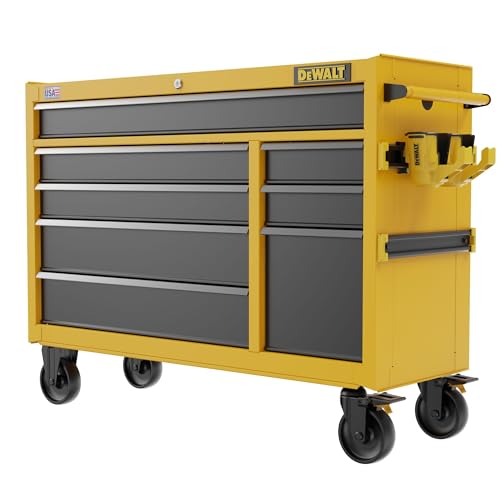
A toolbox is a must-have for any electrician. It stores and organizes your tools. With a good toolbox, you can easily transport tools. It keeps them safe from damage. Choose one with compartments for different tool sizes. This helps in quick access during tasks. A sturdy toolbox increases efficiency and reduces downtime.
Cable Management
Cable management tools are important in electrical work. They organize wires and cables neatly. This prevents tangling and confusion. Using cable ties or clips helps in maintaining order. Proper cable management also enhances safety. It reduces the risk of tripping or short circuits. A tidy setup looks professional and works effectively.
Label Maker
A label maker is a small but powerful tool. It helps identify wires, tools, and equipment. Labels reduce errors and mix-ups. They make troubleshooting easier in complex projects. A clear label saves time during repairs or upgrades. Choose a durable label maker for long-lasting results. This tool enhances accuracy in your electrical work.
Maintenance Supplies
Proper maintenance of electrical systems requires the right tools and supplies. These tools ensure safety and efficiency in every task. Essential maintenance supplies include electrical tape, wire connectors, and lubricants.
Electrical Tape
Electrical tape is a must-have in every toolkit. It insulates wires and prevents electrical shocks. This tape is flexible and durable. It withstands heat and moisture, enhancing its reliability. Different colors help identify wires quickly. Always choose a high-quality electrical tape for safety.
Wire Connectors
Wire connectors secure electrical connections. They prevent wires from loosening. These connectors come in various types and sizes. Each type suits specific wiring tasks. They ensure a strong and stable connection. This reduces the risk of electrical faults.
Lubricants
Lubricants reduce friction in electrical components. They help maintain smooth operations. Use them on moving parts like switches and connectors. Lubricants prevent wear and tear. They extend the life of electrical equipment. Choose non-conductive lubricants for safety.
Frequently Asked Questions
What Are Essential Electrical Tools?
Essential electrical tools include multimeters, wire strippers, and voltage testers. Multimeters measure voltage, current, and resistance. Wire strippers help remove insulation from wires. Voltage testers detect live wires, ensuring safety during electrical work. These tools are crucial for electricians and DIY enthusiasts to perform tasks efficiently and safely.
How Do Multimeters Work?
Multimeters work by measuring electrical properties like voltage, current, and resistance. They have probes that connect to the circuit. The display shows readings, helping users troubleshoot electrical issues. Multimeters are versatile tools used in various applications, from simple checks to complex diagnostics in electrical systems.
Why Use Insulated Screwdrivers?
Insulated screwdrivers protect users from electrical shock. They are coated to resist electricity, ensuring safety when working with live circuits. These tools are essential for electricians, reducing the risk of accidents. Always choose screwdrivers with certified insulation for maximum protection during electrical tasks.
Are Voltage Testers Reliable?
Voltage testers are generally reliable for detecting live wires. They provide a quick indication of voltage presence without contact. However, it's essential to use them correctly and check their calibration regularly. For best results, use reputable brands and follow instructions to ensure accurate readings.
Conclusion
Electrical tools are essential for every electrician and DIY enthusiast. Choosing the right tools ensures safety and efficiency. Always prioritize quality over price. This investment saves time and reduces risks. Regular maintenance extends the lifespan of your tools. Keep them clean and store them properly.
Being informed about the latest tools can enhance your skills. Stay updated with new trends and technologies. Remember, the right tool makes any electrical task easier. Equip yourself wisely and work confidently. Your toolbox is your best ally. Happy and safe electrical projects to you!