Imagine walking into your garage or workshop, ready to tackle a project, only to be faced with a stubborn concrete skim coat that just won't budge. Frustrating, right?
You might be wondering what hand tool can help you remove this pesky layer without causing damage to the surface beneath. You're not alone in this quest. Whether you're a DIY enthusiast or a professional looking for efficient solutions, finding the right tool can make all the difference.
We'll guide you through selecting the perfect hand tool to tackle that concrete skim coat, ensuring your project moves forward smoothly and successfully. You'll discover tips, tricks, and insights that will empower you to make an informed decision. So, let's dive in and explore the best options to help you reclaim your space and achieve those flawless finishes you've been dreaming about.
Choosing The Right Hand Tool
Selecting the best tool for removing a concrete skim coat is crucial. A sturdy chisel and hammer effectively chip away layers. Ensure you choose durable tools for efficient results.
Removing a concrete skim coat might seem daunting, especially when choosing the right hand tool for the job. Selecting the appropriate tool can significantly impact the efficiency and ease of your task. Whether you're a DIY enthusiast or a seasoned professional, understanding what works best will save you time and effort. Personal experiences often emphasize the importance of the right tool; using the wrong one can turn a simple task into a nightmare. So, what factors should you consider when picking your tool?
Factors To Consider
When selecting a hand tool, think about the size of your project. Larger areas might require more robust tools that can handle extended use. Consider the texture and thickness of the skim coat. Thicker layers may need a more aggressive approach. Your comfort with the tool is crucial. A tool that fits well in your hand reduces fatigue and increases precision.
Commonly Used Tools
A hand scraper is a popular choice. It's simple yet effective for smaller areas or thin layers. A sturdy handle and sharp blade make it a go-to for many. The chisel and hammer combination offers more control. Ideal for delicate areas, it allows you to chip away with precision. For a more aggressive approach, try a concrete planer. It's a bit more advanced but delivers smooth results on tougher surfaces. Choosing the right tool can make your task more manageable and even enjoyable. Have you ever found yourself struggling because of the wrong tool choice? Don't make that mistake; equip yourself wisely for the task at hand.
Manual Scrapers
Removing a concrete skim coat requires a sturdy hand tool like a manual scraper. This tool efficiently peels away thin layers of concrete, ensuring a smooth surface. Its ergonomic design offers better control and precision during removal tasks.
Removing a concrete skim coat can be a daunting task, especially if you're relying solely on manual methods. However, using manual scrapers offers a hands-on approach that can be both effective and satisfying. With a little elbow grease, you can achieve a smooth surface ready for the next step in your project. Whether you're a DIY enthusiast or tackling a professional job, understanding the right tools to use is crucial.
Types Of Scrapers
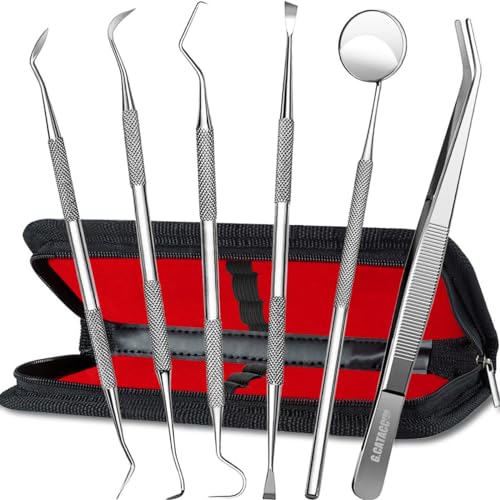
Manual scrapers come in various shapes and sizes, each designed for specific tasks. Flat blade scrapers are perfect for tackling large, flat areas, allowing you to cover more ground quickly. Curved blade scrapers are ideal for getting into tight corners or around obstacles, ensuring no spot is left untouched. You might also consider a multi-edge scraper, which offers interchangeable blades. This type is versatile, catering to different surfaces and levels of stubbornness in the skim coat. Each type serves a unique purpose, so choose based on your specific needs.
Advantages Of Scrapers
One of the main advantages of manual scrapers is their precision. Unlike power tools, which can sometimes damage the underlying surface, scrapers allow you to control the pressure and angle. This means less risk of unintentional gouges or scratches. Manual scrapers are also relatively quiet. If you're working in a noise-sensitive area, this can be a huge benefit. No need to worry about disturbing neighbors or waking up family members when you're scraping away. Additionally, scrapers are generally affordable and easy to maintain. With no need for electricity or batteries, they're always ready to go. Just a quick sharpening, and you're back in business.
Have you ever found yourself frustrated with the limitations of power tools? Manual scrapers might be the answer you've been looking for. By giving you complete control over your work, they offer a unique blend of precision and simplicity. How do you decide which type of scraper to use for your project? Consider the size of the area, the complexity of the task, and the ease with which you can access the surface. Once you've got the right tool in hand, you're well on your way to a successful skim coat removal.
Chisels And Hammers
Chisels and hammers are essential tools for removing a concrete skim coat. A sturdy chisel can chip away the surface, while a hammer provides the needed force. Together, they make the task manageable.
Removing a concrete skim coat can be a challenging task, especially if you're working with minimal tools. However, chisels and hammers are tried-and-true hand tools that can make this job more manageable. With a bit of skill and the right technique, these tools can help you get the job done efficiently.
Using Chisels Effectively
Chisels are precision tools that require a firm grip and steady hand. Start by positioning the chisel at a 45-degree angle to the surface of the concrete. This angle allows you to chip away small sections without damaging the underlying material. Tap gently with the hammer to create a small groove. Once you have a groove, use more forceful blows to remove larger chunks of the skim coat. A friend once advised me to keep a bucket nearby for debris, and it was a game-changer. Keeping the area clean as you go along helps you maintain focus and prevents accidents. Have you ever thought about how a small adjustment in technique can save time and effort?
Safety Tips For Hammer Use
Safety should always be a priority when working with hammers. Before you begin, inspect your hammer for any signs of wear or damage. A loose head or cracked handle can lead to accidents. Always wear safety glasses to protect your eyes from flying debris. Consider using gloves for better grip and to cushion the impact. When using the hammer, maintain a firm grip and keep your wrist straight. This reduces the risk of injury and increases the accuracy of your strikes. Think about how much easier the job is when you're working safely and efficiently. By keeping these safety tips in mind, you ensure that your DIY project is successful and accident-free. What additional safety measures do you find helpful when using hand tools? Your insights can inspire others to prioritize safety in their projects.
Wire Brushes
Wire brushes are ideal for removing a concrete skim coat. These tools scrub away layers without damaging surfaces. Perfect for tough tasks, they offer efficiency and ease.
Wire brushes are essential tools when tackling the task of removing a concrete skim coat. Their sturdy bristles make quick work of the thin layer of cement, scraping away the surface to reveal the underlying texture. Whether you're a seasoned DIY enthusiast or a first-timer, understanding how to effectively use wire brushes can make your project smoother and less time-consuming.
Best Practices For Wire Brushes
Using wire brushes effectively involves a few key practices. First, ensure you apply consistent pressure. This helps avoid uneven surfaces and speeds up the removal process. Wear protective gear. Safety glasses and gloves protect you from flying debris and ensure you maintain a firm grip on the tool. Clean the brush regularly to maintain its effectiveness. A clogged brush won't remove material efficiently and can cause frustration.
Selecting The Right Brush
Not all wire brushes are created equal. Choose a brush that matches the size of your project. A larger brush covers more area quickly, ideal for expansive surfaces. Consider the material of the bristles. Steel brushes are excellent for tougher, more resilient concrete surfaces, while brass brushes are gentler and better for delicate areas. Look for comfort in the handle. A comfortable grip reduces hand fatigue, allowing you to work longer without discomfort. Engaging with these tips can make a world of difference. Have you tried using a wire brush before? What was your experience like? Share your thoughts and let's learn from each other.
Specialized Removal Tools
Finding the right hand tool for removing a concrete skim coat is essential for efficiency. A sturdy floor scraper can effectively peel away thin concrete layers, leaving a smooth surface ready for further work. Opt for a tool with a long handle for ease and comfort during use.
When tackling the daunting task of removing a concrete skim coat, you might feel overwhelmed by the options available. Specialized removal tools can transform this challenging job into a manageable one. These tools are designed to handle specific tasks with precision, making your job faster and more efficient.
Innovative Hand Tools
In the realm of concrete skim coat removal, innovative hand tools can be your best ally. Tools like the concrete chisel and scraper are invaluable for small-scale projects. Their precise edges help you chip away at the skim coat without damaging the underlying surface. Another ingenious tool is the scaling hammer, which combines the power of a hammer with the precision of a chisel. It's great for breaking up tougher sections of concrete. The floor scraper, with its long handle, offers comfort and leverage, reducing strain on your back. Have you ever tried using a carbide-tipped scoring tool? This tool creates lines in the skim coat, making it easier to remove larger sections by hand. These tools aren't just ordinary; they are designed to make your life easier.
Benefits Of Specialized Tools
Using specialized tools comes with a host of benefits that can save you time and effort. The most obvious advantage is efficiency. These tools are crafted to perform specific tasks, allowing you to focus on the job rather than struggling with inappropriate equipment. Specialized tools also offer precision. When you need to remove a skim coat without harming the surface beneath, these tools provide the control you need. Imagine working with a tool that slices through the coat effortlessly, leaving the base intact. It's like cutting through butter with a hot knife. Moreover, these tools contribute to safety. With the right equipment, you're less likely to injure yourself or cause unnecessary damage. Have you ever started a project only to realize you didn't have the right tool? It can be frustrating, not to mention dangerous. Specialized tools eliminate this risk by providing the exact functionality required. So, what tool will you add to your toolbox to handle your next concrete skim coat project?
Preparation And Safety
Removing a concrete skim coat can be a daunting task. Proper preparation and safety measures are key to ensuring the process is smooth and injury-free. Whether you're tackling this project for the first time or are a seasoned DIY enthusiast, understanding how to prepare your work area and gear up with essential safety items is crucial.
Preparing The Work Area
A well-prepared work area sets the stage for efficient and safe concrete removal. Begin by clearing the area of any furniture or objects that might obstruct your movement or become damaged. Consider covering nearby surfaces with plastic sheeting to protect them from dust and debris.
Think about ventilation. Concrete dust is not only messy but can also be harmful if inhaled. Open windows and doors where possible, and use fans to direct dust away from your working zone. You may want to ask yourself: Is your work area adequately lit? Proper lighting is essential to see what you’re doing and avoid mishaps.
Essential Safety Gear
Safety gear is not just for professionals; it's for anyone who values their well-being. Start with the basics: a sturdy pair of gloves will protect your hands from sharp edges and rough surfaces. Safety goggles are a must to shield your eyes from dust and flying particles.
Don't underestimate the power of a dust mask or respirator. Breathing in concrete dust can be harmful, so make sure your mask fits well and offers adequate filtration. If you're working with loud tools, hearing protection like earplugs or earmuffs is wise. Imagine the ringing in your ears after hours of work without them—it's not worth the risk.
Finally, wear appropriate clothing. Long sleeves and trousers can protect your skin from scrapes and cuts. Steel-toed boots provide excellent foot protection from heavy debris. Ask yourself: Are you fully protected? Investing in proper gear can save you from painful injuries.
Preparation and safety are your allies in this project. By taking the time to set up your work area and equip yourself with the right gear, you’re not just removing a skim coat; you’re doing it smartly and safely. What's your safety plan for the day? Consider making a checklist to ensure nothing is overlooked.
Step-by-step Removal Process
Removing a concrete skim coat requires patience and the right tools. This process helps refresh surfaces by eliminating old, worn-out layers. Selecting the correct hand tool makes the task efficient and straightforward. Let's walk through the step-by-step removal process.
Initial Assessment
Begin by examining the skim coat's condition. Check for cracks, thickness, and adherence. Understanding these aspects helps in choosing the right tool. Assess the area size to estimate the time required. Ensure you have protective gear for safety.
Executing The Removal
Start with a sturdy hand scraper or putty knife. Hold the tool at a slight angle to the surface. Apply consistent pressure as you scrape off the skim coat. Work in small sections to maintain control. If the coat is stubborn, consider using a hammer and chisel. Tap gently to avoid damaging the base layer.
Continue scraping until all areas are clean. Inspect the surface for any remaining patches. Repeat the process on tougher spots. Clean the area thoroughly after removal. A clean surface is ready for the next steps in your project.
Maintenance Of Tools
Proper maintenance extends the life of your hand tools. It ensures they perform efficiently, especially when removing a concrete skim coat. Caring for your tools doesn't require much time. Yet, it pays off in longevity and performance.
Cleaning And Storage
After each use, clean your tools thoroughly. Remove all concrete residue with a stiff brush. Wipe them with a damp cloth to remove any dust. Dry them completely to prevent rust. Store them in a dry place. Use a toolbox or pegboard to keep them organized. Proper storage prevents damage and loss.
Prolonging Tool Lifespan
Regular inspection is vital. Check your tools for wear and tear. Sharpen blades and edges as needed. This maintains their effectiveness. Lubricate moving parts to ensure smooth operation. Use oil to prevent rust and corrosion. Handle your tools with care. Avoid dropping or mishandling them. This helps in maintaining their original condition.
Frequently Asked Questions
What Is The Best Tool For Concrete Skim Coat Removal?
The best tool for concrete skim coat removal is a handheld chisel scraper. It effectively chips away at the skim coat without damaging the underlying concrete. This tool is affordable, easy to use, and provides precision in small areas. Always wear protective gear when handling tools for safety.
How Do You Safely Remove A Skim Coat?
To safely remove a skim coat, use a chisel scraper and work in small sections. Ensure you wear safety goggles and gloves to protect yourself from debris. Keep your workspace clean and clear of hazards, and take breaks to prevent strain or injury during the process.
Can A Rotary Hammer Remove Skim Coat?
Yes, a rotary hammer can remove a skim coat quickly. It's efficient for larger areas and thick layers. Ensure you use the appropriate chisel bit for optimal results. Always follow safety guidelines and wear protective gear when using a rotary hammer for concrete removal.
Are There Precautions When Using Hand Tools?
Yes, always wear safety gear like goggles and gloves. Ensure tools are in good condition before use. Work slowly and methodically to avoid injury. Keep your workspace organized to prevent accidents. Regularly check tools for wear and tear to maintain safety standards.
Conclusion
Choosing the right hand tool makes concrete skim coat removal easier. Scrapers and chisels work best for small areas. They offer precision and control. For large sections, a demolition hammer might be necessary. It speeds up the process and reduces effort.
Always wear protective gear. Safety first. Test tools on a small patch before full use. It prevents damage and ensures efficiency. Regular maintenance keeps tools effective. Clean them after each use. This prolongs their lifespan. Selecting the correct tool saves time and reduces hassle.
Start small, and adjust as needed. Your concrete skim coat removal will be smooth.