
Are you ready to elevate your fleet management business to the next level? Your success hinges on more than just top-notch vehicles and skilled drivers.
It requires the right set of hand tools to keep everything running smoothly. Imagine the frustration of a vehicle breakdown at a crucial moment. Now, imagine the relief of having the perfect tool at your fingertips to fix it. The right tools can save you time, money, and a whole lot of stress.
You'll discover the essential hand tools that every fleet management business should have. These tools are the unsung heroes that ensure your fleet stays on the road and your business keeps moving forward. Dive in to find out which tools are must-haves and why they make all the difference.
Key Hand Tools For Fleet Maintenance
Maintaining a fleet requires more than just vehicles. It demands precision and care. Essential hand tools ensure smooth operations. These tools streamline repairs and routine checks. Let's explore some key hand tools for fleet maintenance.
Socket Sets And Wrenches
Socket sets and wrenches are invaluable. They help with tightening and loosening bolts. A comprehensive set fits various sizes. This versatility is crucial for different vehicle types. Durable materials ensure longevity and reliability.
Screwdrivers And Nut Drivers
Screwdrivers are essential for many tasks. Phillips and flathead types cover most needs. Nut drivers are perfect for specific fasteners. They provide better grip and control. This precision aids in efficient maintenance.
Pliers And Wire Cutters
Pliers come in handy for gripping and bending. Needle-nose pliers reach tight spaces. Wire cutters are crucial for electrical repairs. They ensure clean cuts on wires. These tools help maintain vehicle electronics.
Diagnostic Tools For Vehicle Inspection
Running a fleet management business requires precision and efficiency. Regular vehicle inspections are crucial. They ensure the fleet's safety and reliability. Diagnostic tools help identify issues early. This saves time and money in the long run. They offer insights into a vehicle's health. Let's explore some essential diagnostic tools.
Multimeters And Circuit Testers
Multimeters measure electrical values like voltage and current. They help identify electrical issues in vehicles. Circuit testers check for continuity in wires. They ensure circuits function properly. Both tools are vital for electrical diagnostics. They help maintain the vehicle's electrical system.
Obd-ii Scanners
OBD-II scanners read error codes from a vehicle's computer. They identify engine and transmission problems. These scanners offer detailed diagnostics. They are essential for modern vehicles. They provide real-time data. This helps in timely repairs and maintenance.
Pressure Gauges
Pressure gauges measure tire and engine pressure. Proper tire pressure ensures fuel efficiency and safety. Engine pressure readings indicate engine health. They help prevent engine damage. Regular pressure checks are crucial for fleet longevity.
Hand Tools For Tire And Wheel Maintenance
Fleet management requires regular tire and wheel checks. Proper maintenance ensures safety and efficiency. The right hand tools make this process easier. They help maintain tire integrity and wheel alignment. This section will explore essential tools for tire and wheel maintenance.
Tire Pressure Gauges
Tire pressure gauges are crucial for fleet management. They measure tire pressure accurately. Maintaining correct pressure prevents wear and tear. It improves fuel efficiency and extends tire life. Digital gauges offer precise readings. They are easy to use and reliable. Regular checks keep your fleet running smoothly.
Lug Wrenches
Lug wrenches are vital for wheel changes. They help loosen and tighten lug nuts. A cross-bar wrench offers better leverage. It makes the task easier and faster. Properly tightened lug nuts ensure safety. They prevent wheels from coming loose. Always carry a lug wrench in your fleet vehicle.
Tire Repair Kits
Tire repair kits are essential for emergencies. They provide quick fixes for punctures. Kits usually include patches and sealant. Easy to use, they save time and effort. Repair kits extend tire life temporarily. They help avoid costly delays. It's wise to equip each vehicle with a tire repair kit.
Tools For Engine And Transmission Work
In fleet management, maintaining engines and transmissions is vital. Using the right hand tools ensures efficient repair work. These tools help in precise tasks and save time. Let's explore essential tools for engine and transmission work.
Torque Wrenches
Torque wrenches are essential for engine work. They ensure bolts are tightened to the right level. Over-tightening can damage parts. Under-tightening can lead to leaks. A torque wrench prevents these issues. It's a must-have for accurate work.
Engine Hoists
Engine hoists help lift heavy engines safely. Removing an engine without one is risky. It reduces the chance of injury. Engine hoists make engine removal easier. They are crucial for any fleet maintenance garage.
Fluid Extractors
Fluid extractors are useful for changing fluids. They help in removing oil, coolant, or transmission fluid. This tool ensures no mess during fluid changes. It saves time and keeps the workspace clean. A fluid extractor is essential for quick maintenance.
Safety And Personal Protective Equipment
Fleet management businesses rely on essential hand tools like wrenches, screwdrivers, and pliers. These tools ensure efficient vehicle maintenance. Safety gear, including gloves and protective eyewear, is crucial to prevent accidents and injuries. Proper equipment keeps operations smooth and workers safe.
Safety is paramount in the fleet management business. Ensuring that your team is equipped with the right safety and personal protective equipment (PPE) not only protects them but also maintains the efficiency of your operations. The right PPE can make the difference between a minor mishap and a serious injury. Investing in quality safety equipment is crucial for every business involved in fleet management. But what exactly should you be looking at? Let’s break it down.
Gloves And Eye Protection
Gloves and eye protection are often the first line of defense. Mechanics and drivers frequently handle chemicals, sharp tools, and heavy machinery. A simple pair of durable gloves can prevent cuts and chemical burns. Similarly, eye protection is essential when dealing with tasks that might involve flying debris or splashes. Have you ever experienced a speck of dust irritating your eye while working? Multiply that discomfort, and you understand the importance of good eye protection.
Protective Clothing
Your team’s clothing can significantly impact their safety. High-visibility vests ensure that your crew is always seen, reducing the risk of accidents, especially in busy environments. Flame-resistant clothing is essential when working with engines or electrical systems. Can you imagine the peace of mind knowing your team is safeguarded against unexpected sparks or heat? Investing in appropriate protective clothing is a no-brainer for fleet management businesses.
Safety Harnesses
Safety harnesses are a necessity when tasks require working at heights, such as servicing larger vehicles or accessing storage racks. A reliable safety harness can prevent falls, which are among the most common workplace accidents. Think about it: would you let a team member climb without the assurance of a safety harness? Ensuring that your team has access to well-maintained harnesses is not just a safety measure; it's a responsibility. In conclusion, equipping your fleet management team with the right PPE is non-negotiable. It ensures safety, enhances productivity, and fosters a culture of care and responsibility. What steps will you take today to improve your team's safety?
Storage Solutions For Hand Tools
Efficient storage solutions are essential for fleet management businesses. They keep hand tools organized and easily accessible. Proper storage reduces time wasted searching for tools. It also prevents damage and extends tool life.
Toolboxes And Organizers
Toolboxes are a fundamental storage solution. They provide a secure space for hand tools. Choose durable toolboxes with plenty of compartments. Organizers keep tools neatly arranged. This setup reduces clutter and increases efficiency.
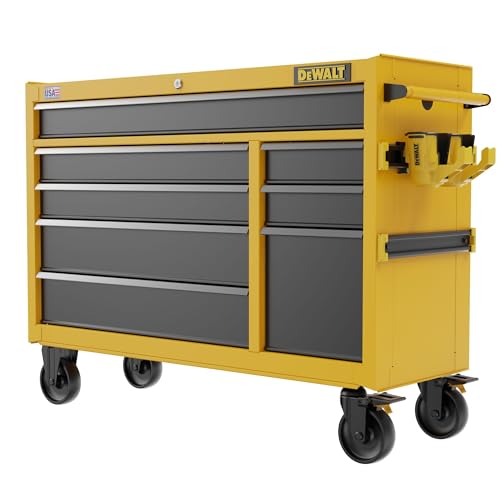
Mobile Workstations
Mobile workstations offer flexibility and convenience. They allow mechanics to move tools wherever needed. These stations often come with wheels and handles. They're perfect for large garages or multiple work sites. Keep essential tools close at hand with mobile workstations.
Shelving Units
Shelving units maximize vertical space. They are ideal for storing larger tools or equipment. Shelves can be adjustable to fit various tool sizes. Use clear labels for easy identification. This organization method saves time and boosts productivity.
Frequently Asked Questions
What Are Essential Hand Tools For Fleet Management?
Fleet management requires essential hand tools like wrenches, pliers, screwdrivers, and tire gauges. These tools ensure efficient maintenance and repairs. Properly equipped toolkits help technicians perform routine checks, address mechanical issues, and maintain vehicle safety. Investing in quality hand tools boosts productivity and reduces downtime, improving overall fleet efficiency.
Why Do Fleet Managers Need Specialized Hand Tools?
Fleet managers need specialized hand tools for accurate diagnostics and maintenance. These tools allow precise repairs, ensuring vehicle reliability. Specialized tools, such as diagnostic scanners, help identify issues quickly. Reliable hand tools support seamless operations, minimizing unexpected breakdowns, and enhancing fleet performance.
How Do Hand Tools Improve Fleet Efficiency?
Hand tools improve fleet efficiency by enabling quick repairs and maintenance. Efficient tools reduce downtime, ensuring vehicles remain operational. Regular use of quality hand tools helps maintain vehicles’ optimal condition. This proactive approach prevents costly repairs, extends vehicle lifespan, and enhances overall fleet productivity.
Can Hand Tools Reduce Fleet Maintenance Costs?
Yes, hand tools can reduce fleet maintenance costs significantly. Regular use prevents larger issues, saving money on repairs. Accurate diagnostics with the right tools minimize unnecessary expenses. Investing in quality hand tools enhances maintenance efficiency, ensuring cost-effective fleet management and prolonging vehicle lifespan.
Conclusion
A fleet management business thrives with the right hand tools. Essential tools include wrenches, screwdrivers, and pliers. Each tool plays a crucial role in vehicle maintenance. Regular checks ensure smooth operations and reduce downtime. Investing in quality tools saves time and money.
Proper storage keeps tools in good condition longer. Training staff on tool use boosts efficiency and safety. Remember, a well-equipped team is a successful team. Keep your fleet running smoothly with the right tools. Your business depends on it.