Are you tired of struggling with the wrong tools when it comes to cutting metal? Whether you're a seasoned DIY enthusiast or just starting out, knowing which hand tools can effectively slice through metal can save you time, effort, and frustration.
Imagine the satisfaction of making precise cuts without the hassle. In this guide, we'll unveil the essential hand tools that can transform your metalworking projects from daunting to delightful. You'll discover not only the names of these tools but also how they can make your tasks easier and more efficient.
Ready to unlock the secrets of metal cutting with the right hand tools? Let's dive in and explore the possibilities.
Metal Cutting Basics
Understanding metal cutting basics is essential for any DIY enthusiast. Metal can be hard to cut due to its durability. Choosing the right tools makes the task easier. Different tools suit various metal types and thicknesses.
Types Of Metal Cutting Tools
Several hand tools can cut metal effectively. Each tool serves a unique purpose. Metal snips are perfect for thin sheets. Hacksaws work well for thicker metal. Quality tools ensure smooth and precise cuts.
Metal Snips
Metal snips resemble scissors but are tougher. They cut thin metal sheets cleanly. Tin snips are a popular choice. They come in various designs. Some snips cut straight, others cut curves.
Hacksaw
A hacksaw is versatile for cutting metal rods. Its fine-toothed blade slices through metal easily. Choose the right blade for different metals. Blades vary in size and tooth count. A sturdy frame keeps the blade tight.
Ideal for delicate metal work. Jeweler's saw cuts intricate designs. It has a thin blade for precision. Used mainly in crafts and jewelry making.
Hand Shears
Hand shears are powerful tools. They cut thicker sheets than snips. Ideal for projects needing more force. Shears come in different sizes. Comfort grips help reduce hand fatigue.
Cutting Techniques
Proper technique ensures clean cuts. Secure the metal firmly before cutting. Use slow, steady strokes with hacksaws. Snips require a firm grip and steady pressure. Practice makes perfect.
Types Of Metal Hand Tools
Metal cutting can be tricky without the right tools. Hand tools offer precision and control for cutting metal. They are essential for DIY projects and professional tasks. Understanding the types of metal hand tools helps you choose the right one for your needs.
Hacksaw
The hacksaw is a popular choice for cutting metal. It features a fine-toothed blade and a sturdy frame. It's great for cutting pipes and thin metal sheets.
Tin snips work well for cutting thin metal sheets. They resemble scissors and offer precision cuts. Ideal for small projects and detailed work.
Metal File
A metal file smoothens edges after cutting. It removes small burrs and sharp fragments. Essential for finishing touches on cut metal.
Chisel And Hammer
The chisel and hammer duo cuts thicker metal. The chisel creates lines, and the hammer delivers force. Best for breaking through hard surfaces.
Pipe Cutter
Pipe cutters are specialized for cutting metal pipes. They deliver clean and precise cuts. Perfect for plumbing and metalwork projects.
Bolt Cutter
Bolt cutters slice through metal bolts and rods. They have long handles for leverage. Useful for heavy-duty metal cutting tasks.
Hacksaws
Hacksaws are essential hand tools for cutting metal with precision. Their fine-toothed blades make them ideal for slicing through metal sheets, rods, and pipes, offering controlled, smooth cuts for various projects.
When it comes to cutting metal with precision, hacksaws are a reliable choice. Many people remember their first encounter with a hacksaw in a school workshop, where cutting through a metal pipe felt like a rite of passage. These hand tools are essential for both DIY enthusiasts and professional craftsmen. They offer control and versatility without the need for power tools. But what makes a hacksaw effective? Let’s dive into the details.
Blade Types
Hacksaw blades come in various types, each suited for different tasks. The most common are high-carbon steel and bi-metal blades. High-carbon steel blades are perfect for cutting softer metals like aluminum. Bi-metal blades, on the other hand, combine flexibility and strength, making them ideal for tougher metals like steel. Choosing the right blade can be the difference between a smooth cut and a frustrating struggle. Which blade do you think will match your project?
Cutting Techniques
Effective cutting with a hacksaw requires more than just brute force. Start with a firm grip on the saw and a steady stance. Ensure the blade is tightly secured in the frame to prevent bending. Begin cutting with gentle, controlled strokes to create a guide path. Then, apply consistent pressure, letting the saw do the work. Remember, fast sawing can lead to crooked cuts and blade wear. Think about your last DIY project. Did you use short, precise strokes or long, forceful ones? Mastering your technique can save time and improve your results. Using a hacksaw effectively involves understanding the nuances of blade selection and cutting technique. It's not just about cutting metal; it's about doing it right, efficiently, and with minimal effort. Next time you pick up a hacksaw, you'll know exactly how to tackle that metal-cutting task with confidence.
Tin Snips
Tin snips are essential tools for cutting metal sheets. They resemble scissors but are designed for tougher materials. Their sharp blades and sturdy handles make them effective for various metal projects. Tin snips come in different types, each suited for specific cuts. Understanding these types helps in choosing the right tool for the job.
Straight-cut Snips
Straight-cut snips are ideal for cutting straight lines in metal. They work best on flat sheets without intricate curves. Their design allows precise control, making them easy to handle. Users often prefer them for their simplicity and effectiveness. These snips are a must-have for basic metal cutting tasks.
Offset Snips
Offset snips are perfect for cutting curves and circles in metal. Their angled blades prevent metal from blocking your hand's path. This design offers more control during complex cuts. Offset snips also reduce hand fatigue, enhancing user comfort. They are a great choice for detailed metalwork.
Metal Shears
Metal shears are essential for cutting metal with precision. They offer various cutting capabilities, making them vital in metalwork projects. Whether you are a hobbyist or a professional, understanding metal shears is crucial. Their design allows for clean cuts on different metal types.
Manual Shears
Manual shears are simple yet effective tools. They require hand power to operate. This tool is ideal for thin metal sheets. Its scissor-like design provides control and precision. You can find them in different sizes. Some have long handles for increased leverage. These shears are perfect for small projects. They are portable and easy to store. Manual shears are affordable, making them accessible to everyone.
Power-assisted Shears
Power-assisted shears use electricity or air pressure. They cut metal effortlessly. These tools are suitable for thicker metal sheets. Power shears reduce physical strain. They offer faster cutting speeds. This makes them ideal for large projects. Some models come with adjustable blades. This feature allows versatility in cutting. Power-assisted shears are more expensive. Yet, they save time and effort in the long run.
Jeweler's Saw
The jeweler's saw is a versatile tool cherished by artisans and hobbyists alike. Its precision in cutting intricate designs on metal makes it a favorite in jewelry-making. Whether you're crafting a delicate pendant or working on a detailed sculpture, the jeweler's saw is your ally in achieving fine cuts. But what makes it so indispensable? Let's dive into the essentials of frame styles and blade selection to enhance your metal-cutting projects.
Frame Styles
Choosing the right frame style for your jeweler's saw can significantly affect your cutting experience. Frames come in various shapes and sizes, each offering unique benefits.
Adjustable frames allow you to tighten or loosen the blade, accommodating different blade lengths. This flexibility can be a game-changer when switching between tasks. Imagine working on a complex piece that requires frequent blade changes; an adjustable frame saves time and effort.
Fixed frames, on the other hand, offer stability. They maintain consistent tension on the blade, which is perfect for repetitive tasks requiring uniform cuts. If you often work with the same materials and projects, a fixed frame might be your best friend.
Have you ever struggled with hand fatigue during extended cutting sessions? Lightweight frames reduce strain, letting you work longer without discomfort. Consider your project needs and personal preferences when selecting a frame style.
Blade Selection
The blade is the heart of the jeweler's saw. Selecting the right one can transform your metal-cutting experience. Not all blades are created equal; each type serves a specific purpose.
Fine blades are ideal for detailed work. If you're crafting a piece with intricate patterns, these blades can make precise cuts without damaging delicate designs. Picture yourself working on a complex filigree; a fine blade ensures precision without sacrificing design integrity.
Coarser blades are perfect for cutting thicker metals. They provide strength and durability, making them suitable for robust materials. If your project involves hefty metal sheets, a coarse blade might be your best bet.
Consider the tooth count when selecting a blade. Higher tooth counts mean smoother cuts, while lower counts offer faster cutting speeds. What are your priorities? Do you need a smooth finish or quick results? Your choice of blade can make all the difference.
Next time you're at the workbench, remember that the jeweler's saw is more than just a tool; it's a partner in your creative journey. The right frame and blade can elevate your craft and bring your visions to life. What will you create with your jeweler's saw today?
Nibbler Tools
Nibbler tools are essential for cutting metal with precision and ease. These tools create clean cuts without distorting the metal. They are perfect for projects requiring intricate shapes. Nibblers work by removing small bits of metal as they cut through. This makes them ideal for detailed work.
Handheld Nibblers
Handheld nibblers are compact and easy to use. They are great for on-the-go projects. These tools can cut through thin sheets of metal. They require manual effort but offer control. Handheld nibblers are popular among hobbyists and professionals. They can handle small tasks efficiently.
Rotary Nibblers
Rotary nibblers use a rotary action to cut metal. They are more powerful than handheld nibblers. These tools connect to a power drill for operation. Rotary nibblers make quick work of larger sheets. They are perfect for repetitive cutting tasks. Rotary nibblers provide speed and precision.
Chisels And Punches
Chisels and punches are essential hand tools for cutting metal. Chisels slice through metal with sharp edges, while punches create precise holes. Both tools offer reliable solutions for shaping and cutting metal surfaces efficiently.
Cutting metal can seem like a daunting task, especially if you're new to the world of hand tools. Yet, chisels and punches offer a straightforward way to tackle this challenge. They're not just for woodworking; these tools can be your best friend when you need to cut or shape metal with precision. You might be surprised at how often these tools come in handy, whether you're a seasoned DIY enthusiast or just starting out. Let's dive into how cold chisels and center punches can make your metalworking projects smoother and more efficient.
Cold Chisels
Cold chisels are specifically designed for cutting metal without the need for heat. They are made from hardened steel, allowing them to withstand the rigors of metal cutting. These chisels are particularly useful for cutting bolts, rods, and rivets. Using a cold chisel is simple. Hold the chisel at a slight angle to the metal surface, then strike it with a hammer. Each strike should be firm but controlled to ensure a clean cut. Have you ever felt the satisfaction of watching a stubborn piece of metal finally give way? That's the power of a cold chisel in action. Cold chisels come in various shapes and sizes. The most common are flat chisels, but you can also find pointed, cape, and round nose chisels. Each type serves a specific purpose, so it’s worth having a selection in your toolkit.
Center Punches
A center punch is a tool that marks the center point of a hole before drilling. It helps guide the drill bit, reducing the chance of slipping and ensuring accuracy. This is crucial when working with metal, where precision is key. To use a center punch, position the tip on the metal where you want to make a mark. Strike the punch with a hammer to create a small indentation. This indentation acts as a guide for your drill. Have you ever drilled into metal only to have the drill bit wander off course? A center punch can prevent this frustrating experience. Center punches vary in design. Some have a simple pointed end, while others are automatic, creating an indentation with just a press. Adding a center punch to your toolbox can significantly enhance your metalworking precision. Chisels and punches might seem like basic tools, but they offer essential functions that are hard to replicate with power tools. Why not give them a try on your next project? You might find they become indispensable.
Choosing The Right Tool
Metal cutting requires precision and the right tools to get the job done. Selecting the right hand tool depends on several factors. The type of metal and the desired precision are crucial. Each tool serves a specific purpose and works best under certain conditions. Knowing these differences helps in making an informed choice.
Material Thickness
Material thickness affects the choice of cutting tool. Thin sheets need tools like tin snips or aviation snips. These tools provide clean cuts without much effort. For thicker materials, hacksaws or bolt cutters work better. They offer more force and can handle tougher metals. Choosing the right tool ensures efficiency and safety.
Cutting Precision
Precision matters in metal cutting projects. Tin snips provide precise cuts for intricate shapes. They are perfect for detailed work where accuracy is key. For straight cuts, a hacksaw is a reliable choice. It allows control over the cutting line. Selecting the appropriate tool ensures high-quality results.
Safety Tips
Working with metal cutting tools can be hazardous. Safety is crucial to prevent accidents. Equip yourself with knowledge and gear. This guide covers essential safety tips.
Protective Gear
Always wear protective clothing. Gloves shield your hands from sharp edges. Safety goggles protect your eyes from flying debris. A dust mask keeps harmful particles out of your lungs. Choose sturdy boots to protect your feet. Ear protection is necessary for loud tools.
Proper Handling
Handle tools with care. Ensure a firm grip on the tool. Check tool integrity before use. Use tools designed for metal cutting only. Avoid using excessive force. Keep the cutting area clean and organized. Make sure your workspace is well-lit.
Maintenance And Care
Maintaining and caring for metal-cutting hand tools is crucial. Proper upkeep ensures they perform efficiently and last longer. Neglecting maintenance can lead to dull blades and rusty surfaces. This not only hampers performance but also poses safety risks. Regular care keeps your tools ready for action.
Tool Sharpening
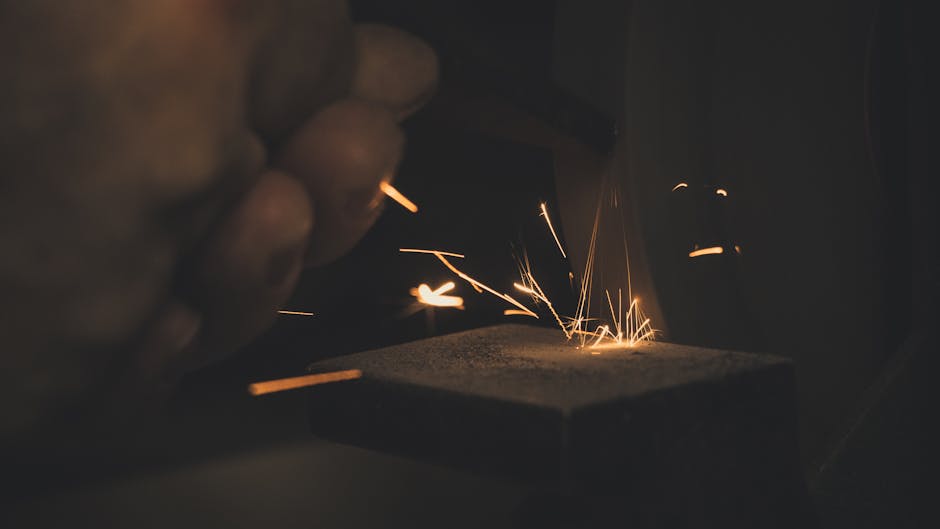
Sharp tools cut metal cleanly and precisely. Blunt edges struggle and cause damage. Regular sharpening is essential for efficient cutting. Use a sharpening stone or file to restore the edge. Follow the tool's original angle for best results. Check sharpness by slicing thin paper. If it cuts smoothly, it's sharp enough.
Rust Prevention
Metal tools are prone to rust. Moisture exposure accelerates corrosion. Keep tools dry and store them in a cool place. Apply a light coat of oil to metal surfaces. This creates a barrier against moisture. Wipe tools after use to remove sweat or dirt. Inspect regularly for rust spots. Address them promptly to prevent spreading.
Frequently Asked Questions
What Hand Tools Are Best For Cutting Metal?
Hand tools like tin snips, hacksaws, and metal shears are ideal for cutting metal. Tin snips are perfect for thin sheets, while hacksaws can handle thicker materials. Metal shears offer precision for intricate cuts. Each tool serves different purposes, ensuring efficient metal cutting.
Can Tin Snips Cut Stainless Steel?
Yes, tin snips can cut stainless steel, but they work best on thinner gauges. For thicker stainless steel, use tools like hacksaws or powered shears. Tin snips are great for detailed work, offering clean cuts on softer metal sheets. They provide ease and precision for small projects.
How Do Hacksaws Cut Metal Effectively?
Hacksaws cut metal effectively using a sharp, toothed blade that moves back and forth. Choose a blade suitable for the metal's thickness. Apply steady pressure and use a vise to secure the material. Hacksaws are versatile, allowing for straight or curved cuts on various metals.
Are Manual Metal Shears Easy To Use?
Yes, manual metal shears are easy to use and provide clean cuts. They operate with hand pressure, making them suitable for thin metal sheets. Ensure proper grip and apply consistent pressure to maintain control. Metal shears are ideal for precision work, offering efficient cutting results.
Conclusion
Choosing the right hand tool is vital for cutting metal. Each tool has its unique strengths and applications. Hacksaws are great for straight cuts. Tin snips work well for thin sheets. Metal shears handle heavier materials efficiently. Files refine edges with precision.
Always consider the metal type and thickness. This ensures a smooth and effective cutting process. Proper technique and safety measures matter, too. Invest time in practice and skill development. With the right tools and methods, cutting metal becomes manageable and efficient.
Empower your projects with informed choices and enjoy successful outcomes.