Have you ever found yourself needing to fix something around the house or start a DIY project? You might reach for a trusty screwdriver or hammer without thinking twice.
These are just a couple of examples of what we call hand tools. But have you ever wondered what exactly hand tools are and how they can make your life easier? Understanding hand tools is essential for anyone who loves to tinker, repair, or create.
They’re the backbone of countless tasks and can empower you to get things done efficiently. We'll explore what hand tools are, how they work, and why they're indispensable to both professionals and hobbyists alike. Dive in and discover the magic of hand tools that might just transform the way you approach your next project.
Basic Hand Tools
Basic hand tools are essential for any DIY enthusiast or professional. They form the foundation of toolkits around the world. These tools are simple yet versatile. Perfect for repairs, maintenance, and crafting tasks.
Understanding these tools can save time and effort. It also enhances the quality of your work. Let's explore some of the most common basic hand tools.
Hammers And Mallets
Hammers are key tools for driving nails. They help with shaping metal and breaking objects. There are different types of hammers. Each serves a specific purpose. Claw hammers are common for removing nails.
Mallets are similar but softer. They prevent damage to delicate surfaces. Rubber and wooden mallets are widely used. They're ideal for carpentry and woodworking tasks.
Screwdrivers
Screwdrivers are used for turning screws. They come in various shapes and sizes. The most common types are flathead and Phillips. A flathead has a single flat blade. A Phillips has a cross-shaped tip.
Having a set of screwdrivers is useful. It ensures you have the right tool for the job. Always match the screwdriver to the screw type.
Pliers And Wrenches
Pliers are versatile tools. They grip, twist, and cut wires. Needle-nose pliers are ideal for small spaces. Lineman's pliers are great for cutting tasks.
Wrenches tighten and loosen nuts and bolts. They come in adjustable and fixed sizes. An adjustable wrench fits various sizes of bolts. Having both pliers and wrenches in your toolkit is wise.
Cutting Tools
Hand tools are essential cutting tools used manually for various tasks. They include saws, hammers, and wrenches, perfect for everyday repairs and woodworking. These tools offer precision and control, making them ideal for DIY enthusiasts and professionals alike.
Cutting tools are an essential part of any toolkit. They help you shape, slice, and trim materials with precision. Whether you're working on a DIY project or tackling repairs at home, understanding these tools can save you time and effort. Have you ever wondered why some tools work better than others for cutting tasks? Let's dive into some of the most common cutting tools you'll encounter.
Saws
Saws are versatile tools used for cutting through wood, metal, and even plastic. A good saw can make all the difference in your woodworking projects. There are various types of saws, including handsaws and power saws. Each is suited for different tasks, from making straight cuts to intricate patterns. Remember when you struggled to cut a piece of wood with a dull saw? Investing in a quality saw can prevent such frustrations. Always ensure your saw is sharp and appropriate for the material you're working on.
Chisels
Chisels are perfect for carving or cutting hard materials like wood and stone. They offer precision when you need detailed work. Selecting the right chisel involves considering the material and the type of cut you want. For instance, a bevel-edged chisel is great for woodworking. Do you often find your chisels dull? Regular sharpening can keep them in top condition, making your tasks easier and more efficient.
Utility Knives
Utility knives are compact and handy for a variety of cutting tasks. From opening boxes to trimming wallpaper, they are indispensable. A retractable blade is a safety feature to look for in utility knives. It prevents accidental cuts and ensures easy storage. Have you ever tried cutting with a blunt utility knife? Keeping extra blades on hand and replacing them when necessary will enhance your cutting experience. Each cutting tool has its strengths and specific uses. Which cutting tool do you rely on most often? Understanding and maintaining your tools can make all the difference in achieving a smooth and successful project.
Measuring And Marking Tools
Hand tools are indispensable in any toolbox, offering precision and control that power tools sometimes lack. Among these, measuring and marking tools are crucial for ensuring accuracy in any project, be it woodworking, construction, or DIY. These tools help you translate ideas into reality with precision, and using them effectively can make all the difference. Whether you're hanging a picture, building furniture, or constructing a house, mastering these tools can save you time and frustration. Let's dive into some essential measuring and marking tools.
Tape Measures
Have you ever tried to hang a picture only to realize it's crooked? A tape measure can prevent such mishaps. It's your go-to tool for measuring lengths, widths, and heights. Whether working on a small art project or planning a room renovation, the tape measure is your best friend. Choose one that is sturdy and retractable, with clear markings. A good tape measure can make your work accurate and efficient. So next time you're about to cut that piece of wood or hang a curtain, grab your tape measure first.
Levels
Imagine placing a shelf, only to find out it's slanted. Levels ensure your work is perfectly horizontal or vertical. From hanging mirrors to installing kitchen cabinets, a level helps you achieve balance. Optical levels are handy for larger projects like landscaping, while spirit levels are perfect for smaller tasks. Don't leave it to the eye; a level brings precision to your work. Every time you use a level, you guarantee your project is stable and visually appealing.
Squares
Squares are the unsung heroes of accuracy. They help you create perfect angles and straight lines. Whether you're aligning tiles or building a birdhouse, squares ensure your corners are sharp and true. There are various types, like speed squares and combination squares, each serving different purposes. A square makes it easy to draw straight lines and angles, making your projects look professional. Next time you're marking wood or metal, reach for a square to guide your work.
Have you ever wondered how professionals achieve such precision in their projects? It often comes down to these measuring and marking tools. By understanding and utilizing tape measures, levels, and squares, you can elevate your projects from amateur to expert. So, what's stopping you from achieving that perfect alignment or accurate measurement? Take control and make every cut count.
Fastening Tools
Hand tools are essential in fastening tasks, involving manual devices like hammers and screwdrivers. These tools help join or secure materials by hand. Efficient and versatile, they are widely used in construction, carpentry, and DIY projects.
When tackling projects around the house or on a job site, fastening tools are indispensable. These tools are designed to join materials together, offering stability and durability. Whether you're hanging a picture frame or assembling furniture, fastening tools make the process efficient and secure. They come in various forms, each catering to specific needs and applications. Let's explore some essential fastening tools you might find handy.
Nail Sets
Nail sets are small tools that help you drive a nail below the surface of the wood. This is particularly useful when you want to hide nail heads with wood filler for a smooth finish. Imagine you're crafting a wooden table and don't want visible nail marks. Using a nail set ensures your project looks professional and polished.
Staple Guns
Staple guns are versatile and can be used for a range of tasks, from upholstery work to securing cables. They come in manual, electric, and pneumatic versions, offering flexibility depending on your project's demands. Picture yourself reupholstering a chair— a staple gun allows you to attach fabric quickly and securely, saving time and effort.
Riveters
Riveters are tools that install rivets, creating a permanent bond between materials. These are especially useful in metalworking or when you need a durable connection that won't come undone easily. If you're fixing a metal gate or assembling a metal structure, a riveter ensures the pieces hold together firmly. Have you ever considered how these tools could make your DIY projects more efficient? Utilizing the right fastening tool can transform a daunting task into a simple, satisfying process.
Finishing Tools
Hand tools are essential for finishing tasks, offering precision and control in various projects. These tools include sanders, files, and chisels, each designed to refine surfaces and edges with ease. Whether for woodworking or metalwork, hand tools ensure smooth, polished results.
When you think about completing a project, the finishing touches often make all the difference. Finishing tools are essential for achieving that polished, professional look. They help smooth out rough edges, perfect surfaces, and apply the final coat of whatever you’re working on. Whether you're a seasoned DIY enthusiast or just starting, understanding these tools can transform your work.
Sandpaper And Sanding Blocks
Sandpaper is your go-to tool for smoothing surfaces. It's available in various grits, each suited for different tasks. Coarse grits remove material quickly, while fine grits give a smooth finish. Sanding blocks offer more control and even pressure. They’re perfect for flat surfaces where you need consistency. If you've ever sanded without a block, you know how uneven the results can be. Using a block can save you time and effort.
Files And Rasps
Files and rasps are perfect for shaping and smoothing wood and metal. Files come in different shapes and sizes, offering precision for detailed work. They're ideal for tasks where sandpaper might be too flexible. Rasps are more aggressive and best for rapid shaping. They’re excellent when you need to remove lots of material quickly. Imagine carving a piece of wood to fit a specific space; a rasp gets you there faster.
Brushes And Rollers
Brushes and rollers are essential for applying paint, varnish, or stain. Brushes are great for detail work and smaller areas. They allow you to reach corners and edges with precision. Rollers cover large areas quickly and evenly. They’re indispensable for walls or large pieces of furniture. Choosing the right tool can make painting feel less like a chore and more like a satisfying part of your project. Have you ever noticed how a well-applied coat of paint or varnish changes the entire look of a project? It’s the finishing tools that make this magic happen. What could be more rewarding than seeing your hard work shine with a professional finish?
Tool Maintenance And Care
Proper tool maintenance and care extend the life of hand tools. Neglecting them can lead to rust and inefficiency. Regular upkeep ensures tools perform at their best. Let's explore effective techniques for maintaining hand tools.
Cleaning Techniques
Cleaning tools removes dirt and prevents corrosion. Use a dry cloth to wipe off dust. For stubborn grime, use warm soapy water. Ensure tools are dry before storing. Apply a light coat of oil to metal surfaces. This prevents rust and keeps them smooth.
Storage Solutions
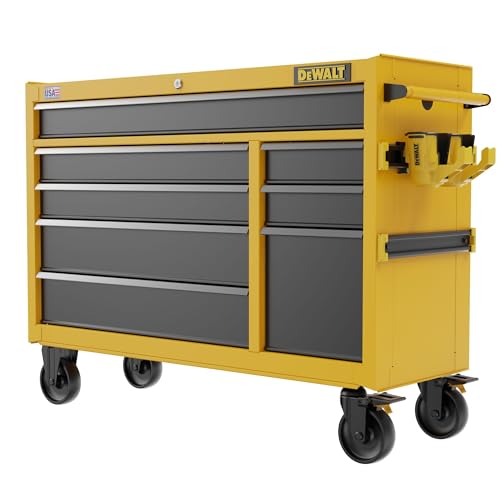
Storing tools correctly avoids damage and keeps them accessible. Use toolboxes with compartments. Store tools in dry places to prevent moisture damage. Wall hooks and pegboards are great for heavy tools. Keep similar tools together for easy access.
Sharpening Tips
Sharp tools work better and safer. Use a whetstone for sharpening blades. Follow the angle of the original edge. Regular sharpening prevents dullness and inefficiency. Test the sharpness on a piece of wood or paper. A sharp tool cuts smoothly and easily.
Safety Tips
Hand tools are essential for everyday tasks. Always check tools for damage before use to ensure safety. Wear protective gear like gloves and goggles to prevent injuries while working.
Safety is paramount when using hand tools. Accidents can happen in the blink of an eye, but with the right precautions, you can minimize risks. Whether you're a seasoned craftsman or a weekend DIY warrior, adhering to safety tips is crucial to protect yourself and others. Let's dive into essential safety practices that ensure your time with hand tools is both productive and safe.
Protective Gear
Wearing protective gear is a straightforward yet effective way to prevent injuries. Always don safety glasses to shield your eyes from flying debris or dust. Gloves can protect your hands, but make sure they're suitable for the tool you're using—some tools require a firm grip that gloves might compromise. Hearing protection is important if you're in a noisy environment. Think about it: how many times have you been startled by a loud noise or had something unexpected fly your way? These small steps can make all the difference in ensuring your safety.
Safe Handling Practices
Safe handling practices are essential for preventing accidents. Always inspect your tools before use. Check for damages like cracks or loose parts that could lead to a malfunction. Use the right tool for the job—never improvise. For instance, using a wrench as a hammer can result in serious injury. When working, maintain a clean and organized workspace. Clutter can lead to mishaps like tripping over tools or knocking things over. Keep your focus on the task, and avoid distractions. This simple practice could be what saves you from a painful mistake.
Emergency Preparedness
Preparation for emergencies can be a lifesaver. Keep a first aid kit nearby, stocked with essentials like bandages, antiseptics, and gauze. Knowing how to use these items is just as important as having them. Imagine this: you're working on a project and you cut yourself. Having immediate access to first aid supplies could prevent a minor injury from becoming severe. Familiarize yourself with emergency procedures and ensure everyone in your workspace knows them too. Ask yourself, are you ready for an emergency situation? It's worth taking the time to prepare, because when it comes to safety, being proactive is key.
Frequently Asked Questions
What Are Hand Tools Used For?
Hand tools are used for manual tasks like cutting, shaping, and assembling materials. They include hammers, screwdrivers, and pliers. These tools are essential for DIY projects, carpentry, and repairs. They offer precision and control, making them ideal for intricate work.
How Do Hand Tools Differ From Power Tools?
Hand tools operate manually without electricity or batteries. They rely on human effort for functionality. Power tools are electrically powered and offer more efficiency for heavy-duty tasks. While hand tools are portable and versatile, power tools are faster and require less physical exertion.
Are Hand Tools Safer Than Power Tools?
Hand tools are generally safer as they require manual control and have fewer moving parts. The risk of injury is lower compared to power tools, which can cause accidents due to high speed. Proper use and maintenance of hand tools minimize hazards and ensure safe operation.
How To Maintain Hand Tools Properly?
Clean hand tools after each use to prevent rust and damage. Regularly lubricate moving parts to ensure smooth operation. Store them in a dry place to avoid moisture exposure. Inspect for wear and tear frequently, and replace damaged tools to maintain safety and efficiency.
Conclusion
Hand tools are essential for everyday tasks. They offer precision and control. From hammers to screwdrivers, each tool serves a purpose. These tools are vital in both home and professional settings. Learning to use them can save time and effort.
Investing in quality hand tools ensures durability. They are reliable and often easy to maintain. Proper use reduces risks and increases efficiency. It's wise to have a basic set at home. Hand tools remain crucial in our tech-driven world. They are timeless, practical, and valuable.