When you pick up a hammer or a screwdriver, you're probably focused on the task at hand, not the potential dangers lurking in your toolbox. But the truth is, hand tools can pose significant hazards if not used properly.
Whether you're a DIY enthusiast or a seasoned professional, understanding the most common risks associated with hand tools can save you from injury and ensure your projects go smoothly. Imagine finishing your work without a hitch, without the worry of unexpected accidents.
This article will dive into the most prevalent hazard you face when using hand tools and offer tips on how to keep yourself safe. Curious to know what it is and how you can protect yourself? Keep reading, because your safety might depend on it.
Common Hand Tool Hazards
Hand tools are essential for many tasks. But they come with risks. Understanding these hazards can prevent injuries. Many injuries occur due to improper tool use. Knowing common dangers can keep you safe.
Cuts And Lacerations
Sharp tools can cause cuts. Blades must be handled with care. Always keep them sharp. Dull blades slip more easily. Use the right tool for the job. Avoid using knives for prying. Gloves can provide extra protection. But ensure they fit well. Loose gloves can be dangerous.
Impact Injuries
Hammers and mallets can cause impact injuries. Fingers and hands are at risk. Always use the right-sized tool. Wear safety goggles to protect your eyes. Strike with controlled force. Ensure your workspace is clear. Obstacles can cause distractions.
Repetitive Strain Injuries
Using the same tool repeatedly can strain muscles. Take regular breaks. Stretch your hands and fingers. Use tools with ergonomic handles. This reduces strain and fatigue. Adjust your grip frequently. This helps prevent repetitive stress.
Electrical Hazards
Electric tools pose electrical hazards. Ensure cords are in good condition. Never use damaged cords. Keep tools dry. Water increases risk of electric shock. Use tools with proper insulation. Wear rubber gloves when necessary.
Tool Malfunction
Tools can malfunction unexpectedly. Regular maintenance is crucial. Check tools for wear and damage. Replace worn parts promptly. Store tools properly. This prevents rust and damage. Follow manufacturer instructions for tool care.
Choosing The Right Tool
Injuries from using hand tools often occur due to improper handling or incorrect tool usage. Choosing the correct tool for the task helps prevent these common hazards. Always ensure tools are in good condition and used safely to minimize risks.
When it comes to using hand tools, selecting the right tool for the job is crucial. It's not just about grabbing the first tool you see. The right choice can make your task easier, faster, and safer. You might think a hammer is just a hammer, but using a claw hammer for masonry work could be a disaster. It's not just about efficiency; it's about safety too. Misusing tools can lead to accidents. Have you ever tried using a screwdriver as a chisel? It might work for a moment, but it could also snap and send shards flying. So, how do you choose the right tool?
Assessing The Task
Start by identifying what exactly you need to do. Different tasks require different tools. Are you tightening a screw or cutting through wood? Consider the tool's design and function. A tool designed for precision work won't do well in heavy-duty tasks. Remember, using the wrong tool can damage the tool and your project.
Inspecting Tools For Damage
Before using any tool, inspect it thoroughly. Even the right tool can be dangerous if it's damaged. Look for signs of wear and tear, like cracks or rust. Check handles for splinters or cracks. Ensure that all parts are secure and functioning properly. A damaged tool can cause accidents or ruin your work. Have you ever thought about how many accidents could be avoided with a quick inspection? It only takes a moment but can save you a lot of trouble.
Proper Tool Usage
Proper tool usage is key to maintaining safety and efficiency when using hand tools. Even the simplest tools can pose risks if not used correctly. By focusing on proper techniques and avoiding improper modifications, you can ensure safer and more productive work.
Correct Handling Techniques
Handling tools correctly may seem straightforward, yet it’s often overlooked. Think of the last time you picked up a screwdriver or a hammer. Did you check if your grip was firm and comfortable? The right grip minimizes strain and enhances control. Always ensure your hands are dry and gloves fit snugly if you use them.
Consider your body posture. Are you bending awkwardly or reaching too far? Adjust your stance to maintain balance and reduce fatigue. Proper alignment reduces the risk of injury and makes your task easier.
Visualize the task before executing it. Ask yourself if the tool is suitable for the job. A wrench may work for tightening nuts, but is it the right size? Using tools as intended not only boosts efficiency but also prevents accidents.
Avoiding Improper Modifications
Tempted to tweak your tools for a quick fix? Think twice. Altering tools can compromise their integrity. A colleague once shared a story where he filed down a spanner to fit a tight spot. It snapped under pressure. Modifications can lead to unexpected failures.
Consider the implications of making changes. Are you voiding warranties or compromising safety features? Manufacturers design tools with precision for specific purposes. Alterations can render them unsafe.
Reflect on the motive behind modifications. Is it a necessity or a shortcut? Quick fixes may save time but could cost more in the long run. Prioritize safety over convenience. Use tools as intended and avoid adjustments unless absolutely necessary.
How do you ensure your tool usage is correct? What steps do you take to avoid altering tools? Your insights can help others make informed choices. Share your experiences in the comments below!
Personal Protective Equipment
Improper use of hand tools often leads to injuries like cuts, bruises, and strains. Personal protective equipment minimizes these risks. Gloves, goggles, and helmets are essential for safety.
Using hand tools without protection is risky. Personal protective equipment (PPE) reduces accidents. It is crucial for safety. PPE involves wearing gear that shields you. This gear protects hands, eyes, and feet from injuries. The right PPE can prevent severe accidents. It acts as a barrier between you and potential hazards. This section will highlight the importance of specific PPE items.
Gloves And Safety Goggles
Gloves protect your hands from cuts and blisters. They offer a firm grip and reduce slipping. Choose the right type of gloves for each tool. Safety goggles are essential for eye protection. They shield eyes from flying debris and dust. Always wear goggles when working with hand tools.
Appropriate Footwear
Footwear is often overlooked but very important. Sturdy shoes protect feet from falling objects. They should have non-slip soles for better traction. Avoid open-toed shoes while using hand tools. Proper footwear keeps your feet safe from sharp or heavy objects. `
Maintaining Tools
Maintaining tools is crucial for safe hand tool use. Proper maintenance reduces accidents and extends tool life. Neglect can lead to malfunctions and injuries. This section covers essential maintenance tips.
Regular Cleaning And Inspection
Clean tools after each use to prevent rust and damage. Dirt and moisture are common threats. Use a dry cloth or brush for cleaning. Inspect tools regularly for signs of wear. Look for cracks, rust, or loose parts. These can compromise safety and efficiency.
Timely Repairs And Replacements
Repair damaged tools immediately to prevent accidents. Don't use tools with broken handles or missing parts. Replace tools that are beyond repair. Using damaged tools increases injury risk. Always keep spare parts and tools available. This ensures work continuity and safety.
Work Environment Safety
Ensuring safety in the work environment is crucial when using hand tools. A safe space minimizes risks and enhances productivity. Proper organization and lighting can prevent accidents. Let’s explore how to optimize your work area for safety.
Organizing The Workspace
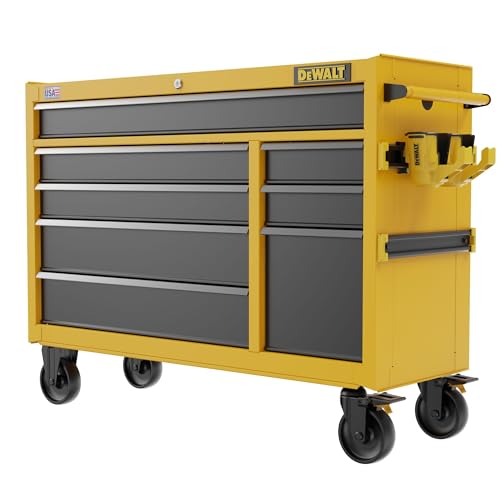
A clutter-free workspace reduces the chance of accidents. Store tools in designated areas. Use shelves and toolboxes for organization. Arrange tools by frequency of use. Keep the workbench clear for tasks. This organization saves time and prevents mishaps.
Adequate Lighting And Ventilation
Proper lighting is essential for safety. Shadows can hide hazards and cause mistakes. Use bright, overhead lights to illuminate the workspace. Ensure lights are positioned to avoid glare. Ventilation is vital for health. Fresh air reduces fumes from materials. Install fans or open windows for airflow. This setup keeps the environment safe and comfortable.
Training And Education
Proper training and education are crucial for safe hand tool use. Many accidents occur due to a lack of knowledge. Workers need to understand tool functions and risks. Training programs can reduce these incidents.
Education helps in recognizing hazards. It teaches safe practices. Both beginners and experienced workers benefit from ongoing training.
Skill Development Programs
Skill development programs are vital for hand tool safety. They focus on practical skills. Workers learn how to handle tools correctly.
These programs often include hands-on training. Participants practice using various tools. They learn the right techniques to avoid injuries.
Many programs offer certifications. These certifications show a commitment to safety. Employers value certified workers.
Staying Updated With Safety Standards
Safety standards change over time. Staying updated is essential for workplace safety. Regular updates help in adopting new practices.
Organizations provide resources for these updates. Workers should attend safety meetings. Reading safety manuals is also beneficial.
Knowledge of current standards reduces risks. It ensures compliance with legal requirements. This creates a safer work environment.
Frequently Asked Questions
What Hazards Arise From Improper Tool Use?
Improper tool use can lead to accidents and injuries. Common hazards include cuts, bruises, and eye injuries. Tools can slip or break if not used correctly. Always follow manufacturer guidelines and use tools as intended. Wearing protective gear reduces risk significantly.
How Can Dull Tools Be Dangerous?
Dull tools require extra force, increasing the risk of slipping. They can cause accidents like cuts or bruises. Regularly sharpen tools to maintain efficiency and safety. Sharp tools perform better and reduce the likelihood of mishaps. Always inspect tool condition before use.
Why Is Tool Maintenance Important?
Tool maintenance ensures safety and extends tool life. Neglecting maintenance can lead to malfunctions and accidents. Clean and inspect tools regularly for signs of wear. Lubricate moving parts to prevent rust and improve performance. Proper maintenance reduces risks associated with tool failure.
Are Hand Tool Injuries Preventable?
Yes, hand tool injuries are largely preventable. Follow safety guidelines and use tools correctly. Wear appropriate protective gear like gloves and goggles. Regular tool maintenance and proper storage minimize risks. Training and awareness further help in preventing injuries effectively.
Conclusion
Hand tools pose risks that need careful attention. Injuries often occur from misuse. Cuts, bruises, and fractures are common hazards. Proper training can reduce these risks significantly. Always use tools for their intended purpose. Inspect tools regularly for damage. Ensure a firm grip to prevent slips.
Protective gear like gloves can offer added safety. Store tools neatly to avoid accidents. Remember, safety first when using hand tools. Taking these precautions makes work safer and more efficient. Stay aware, stay safe.